
Winter Vegetables in the Vegetable Garden
You often see vegetable gardens and community gardens left abandoned in the winter. They’re completely empty and bare, or are used only very sparingly. But that doesn’t have to be the case at all. Even in winter, it’s perfectly possible to grow vegetables—and even harvest them! For the vegetable garden, winter isn’t just a time for making new plans, ordering seeds, and doing a little pre-sowing…
Perhaps the best-known winter vegetables are kale and Brussels sprouts. But there are many more true winter vegetables for the vegetable garden. That way, you can eat seasonally even in the winter.
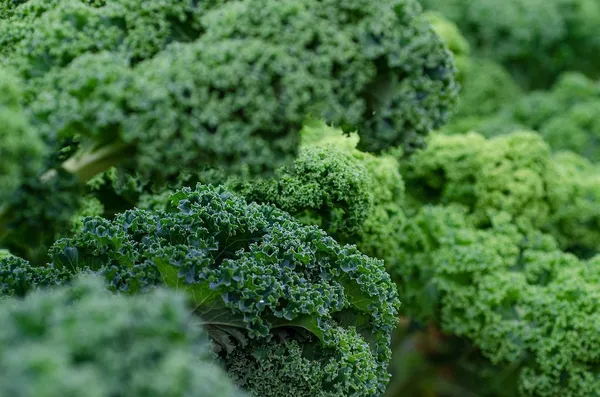
Kale
Kale is a typical winter vegetable. You should sow kale seeds around May–June. You can transplant the seedlings no later than August. Kale prefers well-drained soil and takes up quite a bit of space: about 2–4 plants per square meter. You can harvest it all winter long, as long as you pick the lowest, healthy leaves each time. After the first night frost, kale tastes better (sweeter). It’s a very easy-to-grow and delicious winter vegetable. Be sure to choose a variety that can withstand frost well.
Green cabbage or savoy cabbage
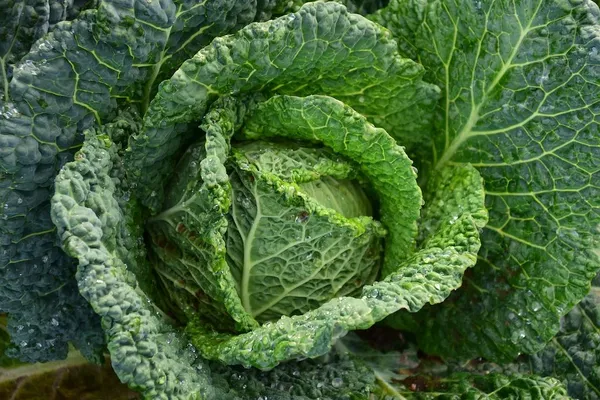
Much less well-known is green cabbage, also known as savoy cabbage. Green cabbage is very hardy and has a long harvest season. Sow savoy cabbage around June. You can then harvest it in January and February. Heavy and clay soils are not a problem, but growing it in light, sandy soil is difficult. Green cabbage prefers nutritious, moisture-retaining, and rich soil.
Palm kale
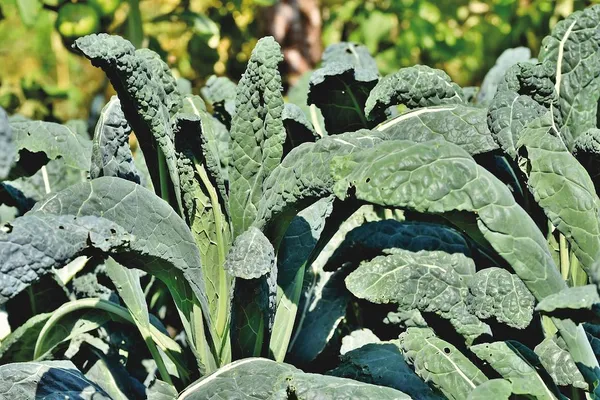
Palm kale (Cavolo nero) resembles collard greens but has a beautiful blue-green to black color. It grows very upright, almost forming a sort of small palm tree. You can sow palm kale from April through June for an early harvest, or around September–October to harvest it in the winter. Palm kale prefers well-drained, nutrient-rich soil. You harvest palm kale by picking the leaves from the bottom up.
Parsnip
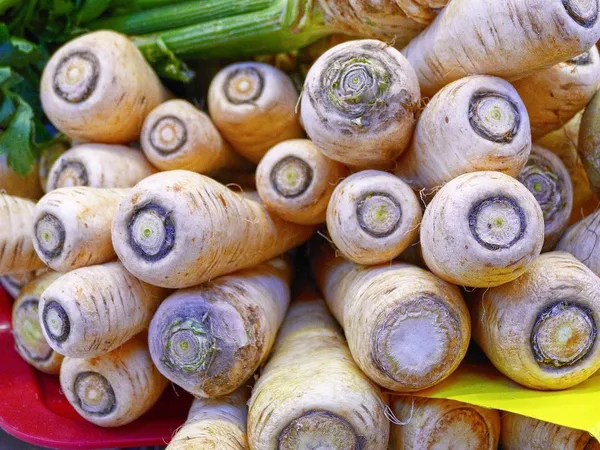
Parsnips are another tasty but often overlooked vegetable that takes up relatively little space. Parsnips take a long time to grow. You can sow parsnip seeds from March through July. Harvesting can begin about 5 months later. Parsnips prefer loose soil and don’t require much additional fertilizer.
Leek
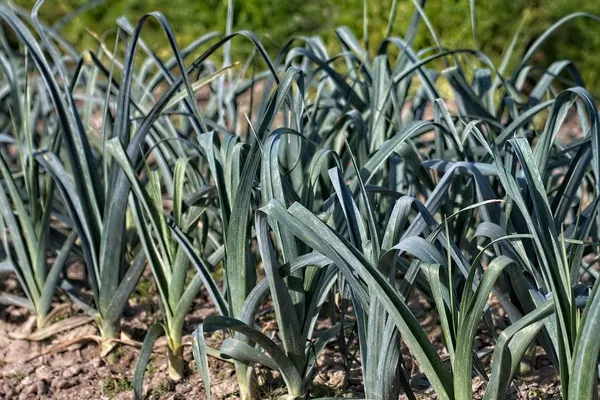
Leeks can be used in many ways and have a long harvest season. Be sure to choose a winter variety for winter harvests. You can sow leeks around May. Leeks prefer fertile, moisture-retaining soil. To harvest leeks, use a garden fork to lift the plant and gently pull it out.
Brussels sprouts
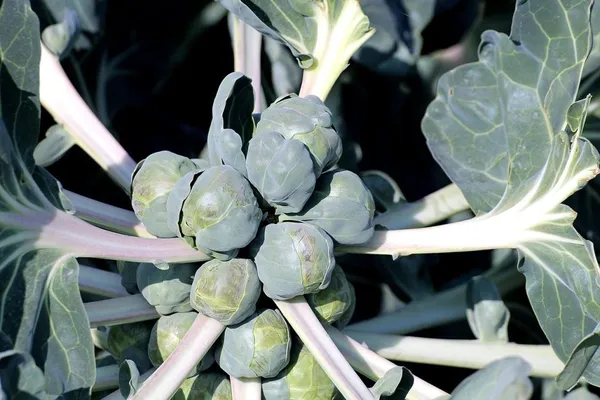
Brussels sprouts have a unique and graceful growth habit. Be careful when choosing a variety, as there are both early varieties (harvested in the summer) and late varieties for a winter harvest. You can sow Brussels sprouts from April through early May for a late harvest (December through March). Brussels sprouts thrive in nutrient-rich, moisture-retaining soil.
Winter carrot
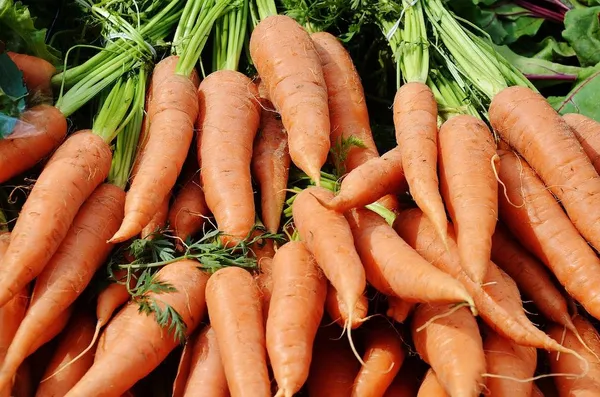
Winter carrots are also a typical fall and winter vegetable. Since they grow mainly underground, they take up very little space in your vegetable garden. You can sow winter carrots around May through July. You can harvest the first carrots about 4 months after sowing. So don’t start sowing too early if you want carrots for the winter. Winter carrots prefer loose soil. Heavy soil can stunt growth or cause misshapen carrots.
Winter purslane
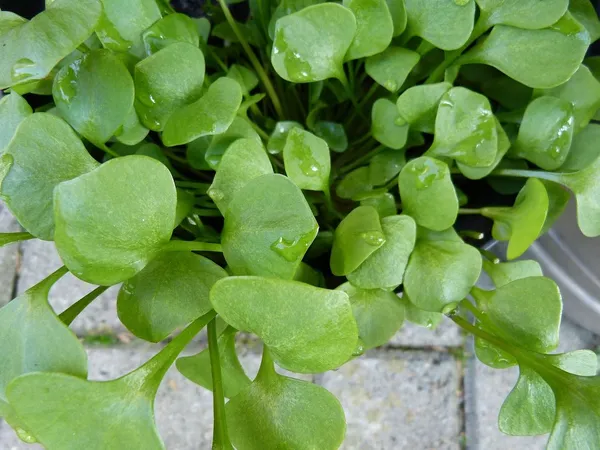
Winter purslane, like parsnips, is an often-forgotten vegetable. Sow winter purslane in August–September. Winter purslane prefers loose soil but is otherwise undemanding. It grows well in both full sun and shade. In the event of severe frost, it’s best to provide some protection for this plant. This prevents leaf spots or the plant from dying off. You can harvest it for the first time about 6 weeks after sowing. After harvesting, winter purslane will regrow, and you’ll be able to enjoy it again soon.
Vegetables for Storage
Celeriac and onions are often harvested earlier, but they store well. They pair wonderfully with many true winter vegetables. Plus, they’re very easy to grow!
Start on time!
Many winter vegetables take a long time to grow properly and produce a harvest. You can start sowing cabbage varieties, parsnips, leeks, and Brussels sprouts as early as spring. Carrots and winter purslane, on the other hand, can be sown much later, around September.