Winter Garden Checklist
It's getting cold again!
It's that time of year again when you have to scrape your car windows and shovel paths and roads…
AND it's time to get your garden ready for winter!
By this, we don’t mean preparing the garden for winter, as was traditionally understood. Above all, don’t tidy up your garden too much—just leave spent flowers and dead stems and leaves where they are. Animals and insects will thank you for it. Your garden will still look beautiful this way in the winter, too!
We're talking about all those yard chores that are best done before it gets really cold.
Here is our Winter Garden Checklist.
Are you ready for winter in your garden?
- Turn off the outdoor faucet in a timely manner, or install a freeze-proof outdoor faucet.
- Bring potted plants indoors or place them under a roof overhang or in another sheltered spot (and stop watering them).
- Place pots on stands, legs, or bricks to improve drainage and prevent freezing.
- Remove weeds from under a hedge or from bare spots in your flower beds. That way, you won't have to deal with them all winter long.
- Mow the lawn one last time, but try not to mow it too short.
- Bring your patio furniture indoors, or use protective covers.
- Store your garden cushions, umbrella, etc., in a dry place to prevent moisture from getting in or mold from forming.
- Keep nonwoven fabric, burlap, or protective covers on hand to to protect frost-sensitive plants, as soon as it starts to freeze.
- Make sure you have some (road) salt on hand to keep paths or the sidewalk in front of your house free of ice and less slippery, if necessary.
- Do not walk on the grass when it's freezing, to prevent damage and bare spots from forming.
- Empty the buckets and bins and turn them upside down, so that no water remains in it. This prevents damage and also avoids unnecessary animal suffering.
- Make sure to drain the rain barrel completely so it doesn't freeze and break.
- Store unused terracotta pots in a dry place.
- Dig up dahlias after the first frost (The leaves will have turned black by then.) Trim off the foliage, clean them, let them dry, and then store them in a cool, dark place protected from frost.
- Prune shrubs and climbing plants with long shoots back slightly to prevent wind and storm damage. Examples include butterfly bush, honeysuckle, climbing roses, etc.
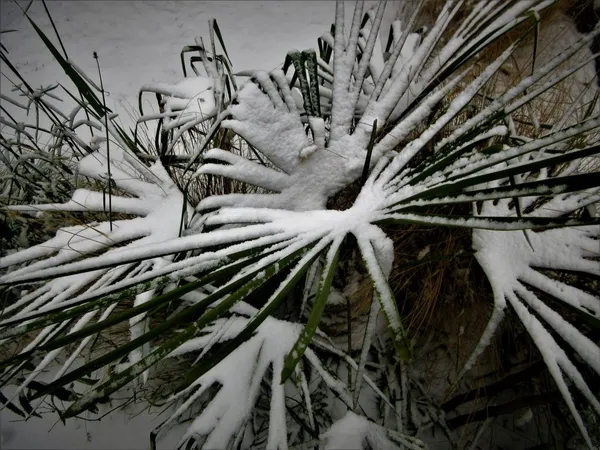
- Don't let a thick layer of snow accumulate on hedges and shrubs, so they don't bend and risk collapsing or breaking under the weight.
- Don't let your pond freeze over. Place a tennis ball on the water's surface or use a special ice-preventer.
- Clear the snow off the ice on your pond to prevent light from reaching the water for an extended period of time.
- Bring a thick layer of mulch for perennials and flower bulbs or tubers that are sensitive to frost but remain in the ground during the winter.
- Take cuttings from non-hardy plants and place them in a frost-free spot.
- Feed the birds with suet balls, peanuts, seeds, nuts, etc.
- Post (or create) a A hedgehog house in your garden, so that hedgehogs have a place to hibernate.
- Clear the snow off your (wall-mounted) greenhouse so the glass doesn't break under the weight of a thick layer of snow.
- Clean your tools thoroughly and, if necessary, store them in oil. Then store them in a dry place.
- Plant lots of flower bulbs, so you can once again enjoy all the early bloomers this coming spring.