
Why You Shouldn't (and Can't) Use Vinegar to Control Weeds
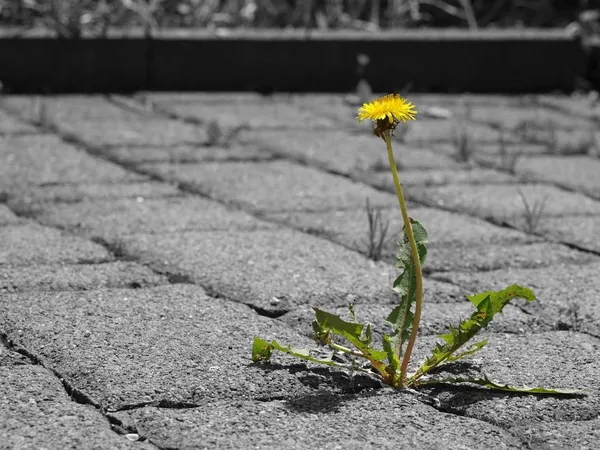
We often see vinegar recommended as a remedy for weeds in the garden. Vinegar is said to be an inexpensive and natural weed killer. We’d like to issue a warning about this: Although vinegar may seem like a simple solution for unwanted plants, using it in the garden can have serious consequences for both your plants and the soil. In this blog, we’d like to explain why you should avoid using vinegar in the garden. By the way, did you know that it’s illegal to use vinegar in the garden in our country?
Why shouldn't you use vinegar in the garden?
Vinegar acidifies the soil
Vinegar contains acetic acid, which can lower the soil’s pH, making the soil more acidic. This may sound harmless, but soil that is too acidic can be harmful to many plants that require a neutral or slightly alkaline pH. Acidification can reduce the availability of essential nutrients in the soil, causing plants to weaken and grow less vigorously.
Acidic soil is also harmful to soil life, such as beneficial bacteria and fungi that are important for healthy soil structure and plant nutrition. Using vinegar disrupts the ecosystem in your garden.
Vinegar damages your garden plants
Vinegar doesn't distinguish between weeds and other plants. If you use vinegar in your garden, it will also damage your beloved garden plants. Vinegar can dry out and burn the leaves of plants, leading to stunted growth or death. This is especially problematic if you accidentally spray vinegar on young, delicate plants. Even a small amount of vinegar can be enough to cause significant damage. There’s a good chance you’ll hit other plants while applying it, too!
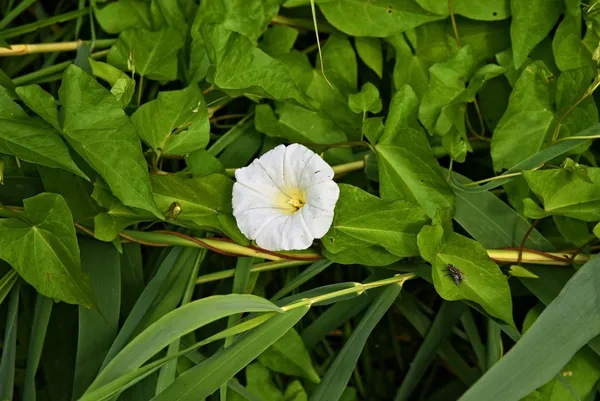
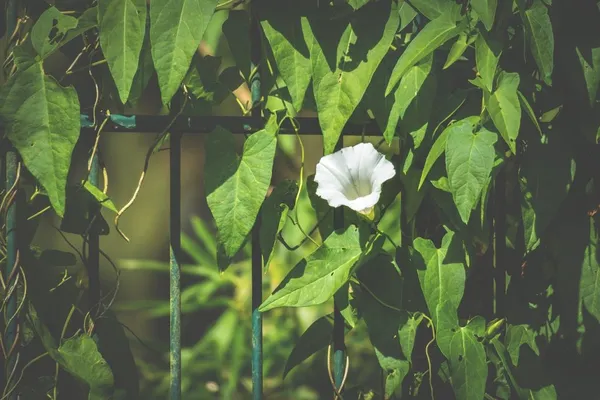
Vinegar disrupts the soil structure
Cleaning vinegar, in particular—which often has a higher acid content and contains additional chemicals—can negatively affect soil structure. This can reduce the soil’s water permeability and aeration, which hinders plant root growth. In the long term, this can reduce soil fertility and hinder the growth of plants in your garden.
Repeated use of vinegar leads to the accumulation of harmful substances in the soil, which makes it harder for the soil to recover.
Vinegar is harmful to beneficial insects and bees
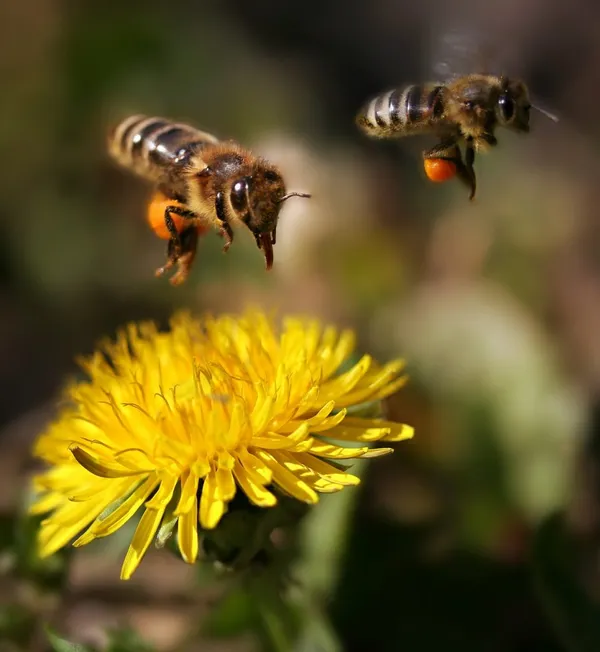
Vinegar is harmful to beneficial insects and small animals that live in your garden. Bees, for example, are essential for pollinating many plants, but they can be seriously affected by vinegar. Furthermore, if vinegar seeps into the soil, it can contaminate the groundwater, which is harmful to the environment and to human health.
So vinegar doesn't just kill weeds—it disrupts your entire garden's ecosystem.
Vinegar only works temporarily
Another important point to consider is that vinegar often kills only the above-ground parts of the weeds, but not the roots. This means that weeds can grow back after a while, requiring repeated use of vinegar.
Because vinegar offers only a temporary solution, it is not a sustainable method of weed control.
Using vinegar in the garden is prohibited
The use of vinegar to control weeds in the garden is prohibited by law in many countries, including the Netherlands. This applies to both cleaning vinegar, which is particularly harmful, and natural vinegar (which is edible in small quantities). Both are classified as unauthorized plant protection products.
What's the Best Way to Control Weeds? 7 Alternatives to Vinegar
If you're looking for eco-friendly ways to control weeds in your garden, there are several alternatives that are safer and more effective in the long run. Here are 7 good alternatives to vinegar for controlling weeds in your garden:
Manual Weeding
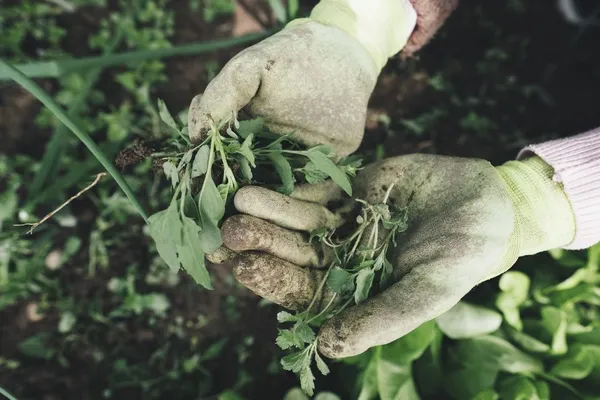
Fun? Definitely not, but it’s effective and environmentally friendly. Although it’s more labor-intensive, hand weeding is the most eco-friendly way to get rid of weeds.
Mulching
By spreading a layer of organic material, such as wood chips or compost, around your plants, you can suppress weed growth while nourishing the soil at the same time.
Covering the ground
Cover the ground with cardboard or a thick layer of newspaper, or lay down a weed barrier or garden fabric. This will suppress the growth of many weeds.
Planting Ground Cover Plants
Create a dense layer of groundcover plants. This greatly limits weed growth.
Boiling water
Pouring boiling water on weeds can be effective without leaving harmful chemicals in the soil.
Sealing Joints
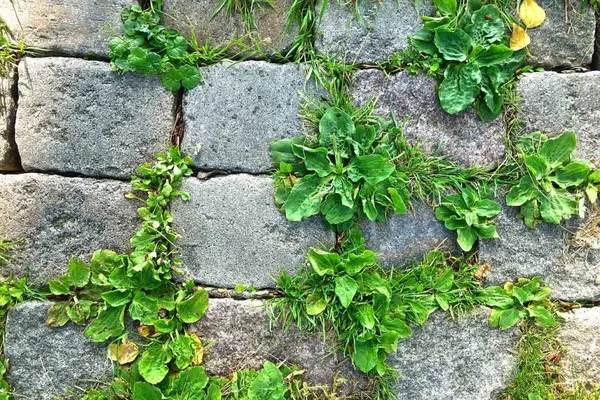
Seal the grout lines between tiles. Note: This can impair water drainage, so only do this when necessary.
Biological agents
If you really have no other option, you might consider using organic pesticides after all. There are various biodegradable weed killers available. However, we never use them ourselves.
See more tips for controlling weeds in your garden
So don't use vinegar in your garden!
Although vinegar is a natural product, that doesn’t mean it can be used in the garden without risks. The potential damage to the soil, plants, and the broader ecosystem makes vinegar unsuitable for use in the garden. Furthermore, using vinegar to control weeds is prohibited by law. By choosing more sustainable and environmentally friendly weed control methods (such as those mentioned above), you can protect both your garden and the environment for the future.