
Why isn't my pampas grass blooming?
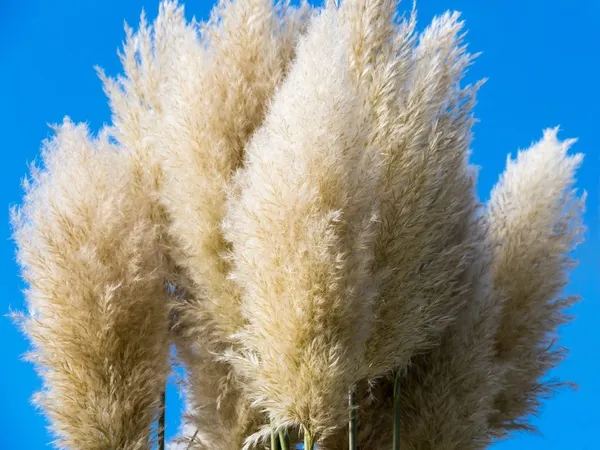
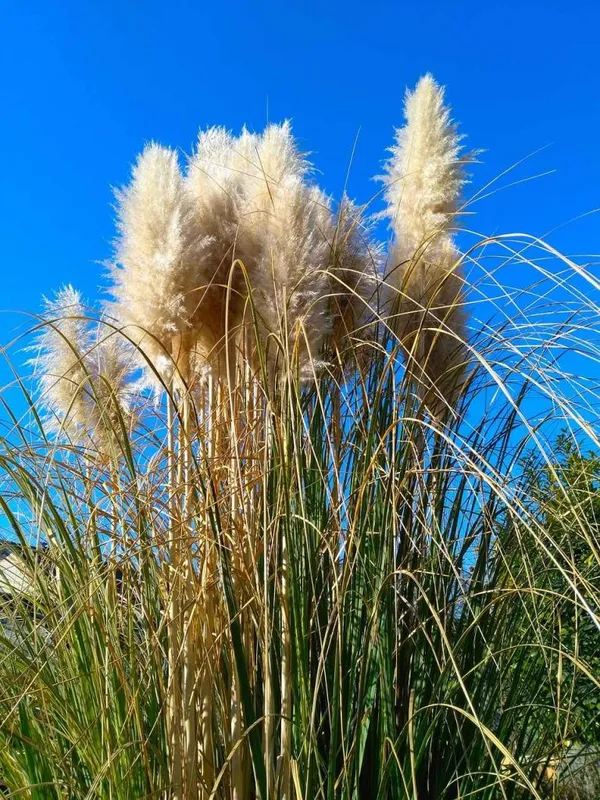
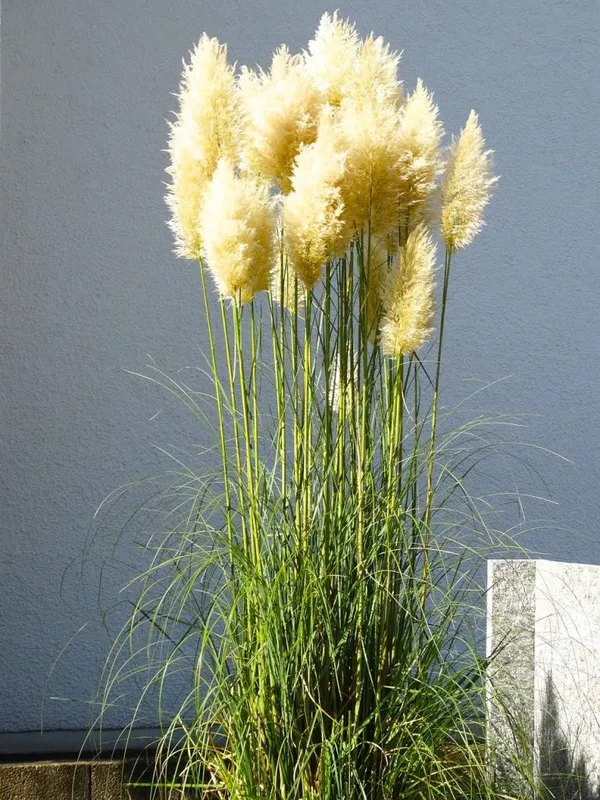
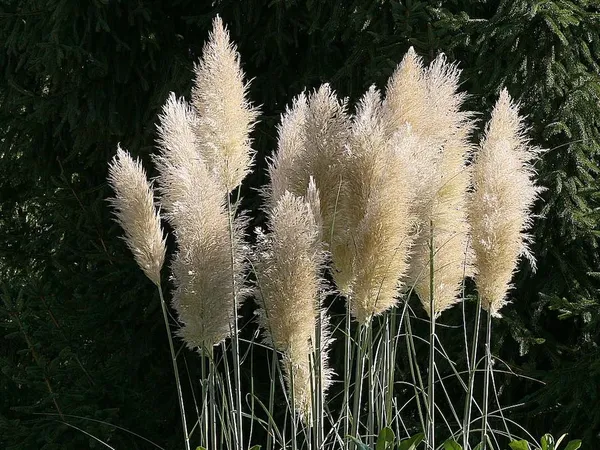
Pampas grass (Cortaderia selloana) is an ornamental grass that captures the imagination. Its tall, upright stems, with beautiful, large, and graceful white plumes, can grow up to 3 meters tall! The plumes are also popular as home decor. Cortaderia can spread quite widely, as the foliage often droops. The plumes stand upright. It’s a fast grower. Fortunately, there are also smaller varieties of pampas grass. Unfortunately, pampas grass can sometimes be disappointing because it fails to bloom and no plumes form.
Why Doesn't Pampas Grass Bloom? 5 Reasons Why Plumes Don't Form
Are you frustrated that your pampas grass isn't producing plumes? Here's a list of the reasons why pampas grass might not be blooming:
1. The pampas grass is still too small or too young
Newly planted and young plants (for example, in a small size such as P9 or C1.5) often won’t bloom in their first year. The plants first need to establish themselves well and then develop some foliage before they will bloom. Want your pampas grass to bloom quickly? Then buy a larger size, such as C5, or better yet, C10. That way, you can be almost certain you’ll have blooms in the first year.
2. It's still too early in the season
Pampas grass is a late starter. Like many ornamental grasses, it won’t produce new stalks until late spring, and growth will be very slow at first. However, as the weather warms up, growth will pick up nicely. Flowering doesn’t begin until late summer or even fall.
3. It's not warm enough for Cortaderia
In a cold spring or during a cool summer, it will take extra long for the pampas grass to start growing. The flowering stalks will also appear later, or sometimes the plant won't bloom at all.
4. The pampas grass isn't getting enough sun
Cortaderia selloana prefers a sunny spot. In the shade, it is less likely to produce flower stalks. In deep shade, it may not produce any at all.
5. The location is too wet for pampas grass
Pampas grass can benefit from a little extra water during the growing season. However, this ornamental grass does not like wet feet—especially not in the winter. Make sure the soil is well-draining, and add sand or gravel to the planting hole, for example. During very wet winters, the roots of ornamental grasses can start to rot. Young plants, in particular, are susceptible to wet winters.
When should you transplant pampas grass?
Now you know why your pampas grass isn't blooming, or didn't bloom this year. Is your pampas grass in the wrong spot? Spring is a A good time to transplant ornamental grasses. This will prevent frost damage or root rot, and the plant can immediately start putting down roots again and resume growing. That way, you’ll still be able to enjoy the beautiful white plumes next year!