
Why do you actually need to prune?
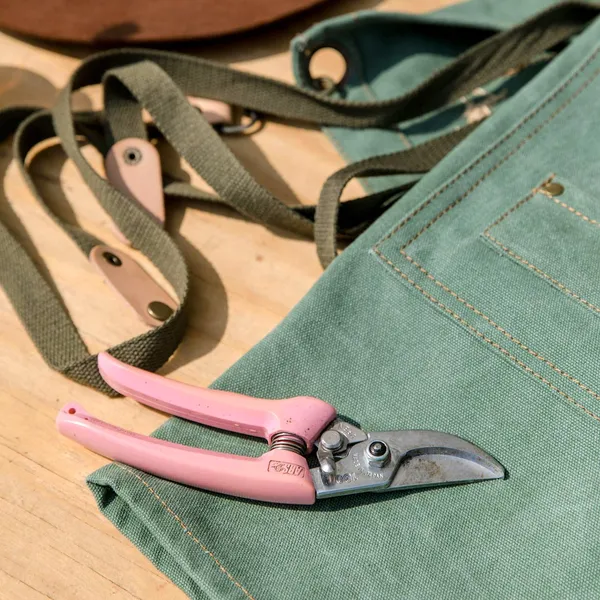
An entire library could be filled with books and articles on the subject of pruning. Pruning is one of the basic principles of gardening. Many people have a sort of fear of pruning—or, more accurately, a fear of making mistakes while pruning. Others prune because they have to, or because that’s how they were taught. But why do you actually have to prune? Is pruning even necessary?
Pruning doesn't have to be difficult at all. It is important, however, to know why you want to prune. How (and whether) you should prune (and when) depends on this.
Good Reasons to Prune
Determining the Growth Habit
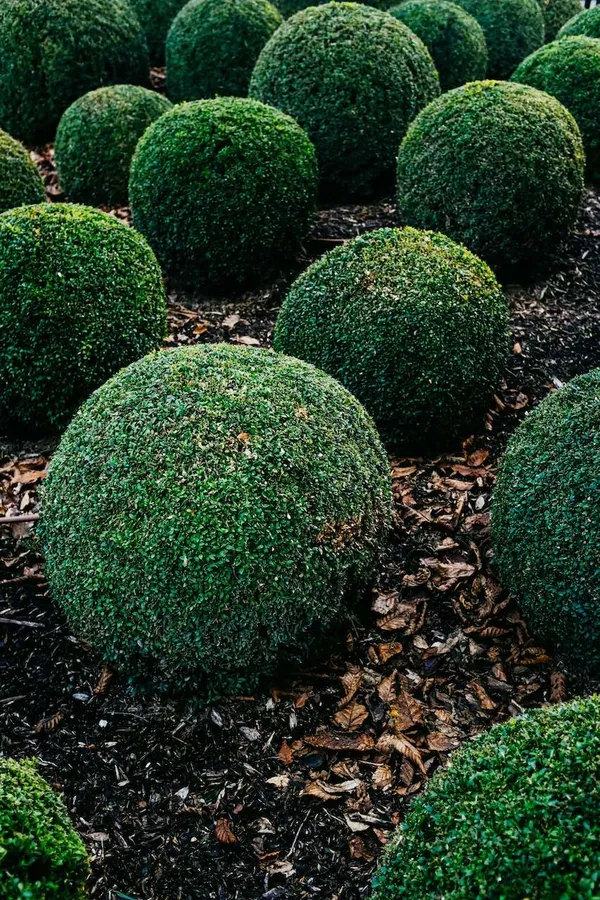
Pruning allows you to shape a plant, shrub, or tree into the desired form. However, it’s important to take the plant’s natural growth habit into account. Many plants can also be kept smaller or narrower, making them suitable for smaller gardens. Examples include hedge plants and multi-stemmed trees, but you can also consider topiary.
Spring-flowering shrubs should be pruned immediately after flowering (in late spring or early summer). Summer-flowering plants are best pruned in late winter or early spring.
Limiting growth
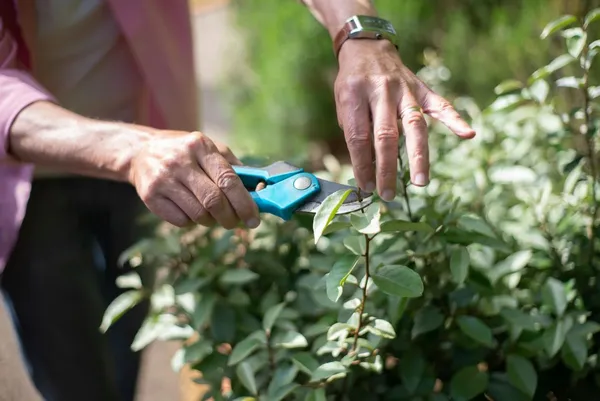
The best-known reason for pruning is, of course, to control growth. With the right pruning technique, you can easily keep many plants small or make them even smaller. However, this also presents a major challenge, because pruning isn’t just about flowering—it’s also about growth! Especially if you prune at the wrong time, the plant, shrub, or tree will actually be stimulated to grow even faster.
The best time to prune to control growth is during the growing season, not in the winter. This is because winter pruning often stimulates new, rapid growth.
Stimulating Growth
If you prune at the right time, pruning won't restrict growth—it will actually stimulate it. You can use this to help a tree or shrub that isn't growing well yet experience a growth spurt.
Pruning in late winter or early spring encourages new shoots and rapid growth. In (fruit) trees, this often results in water sprouts.
Encourage More Flowering
Pruning is also a good way to encourage flowering and fruit production. Encouraging a second bloom is the easiest part of this process. You can do this by simply removing the spent flowers as they appear. This encourages new growth and new flowers.
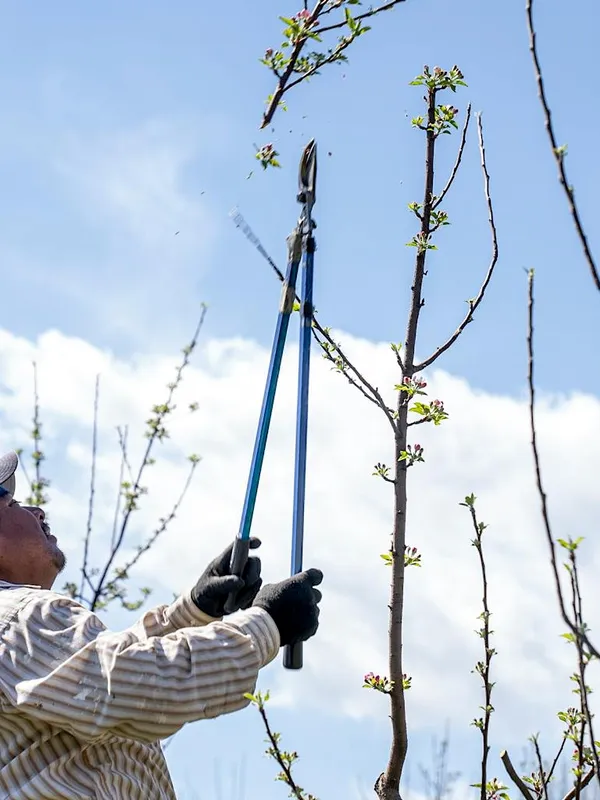
Stimulate blossoms and fruit
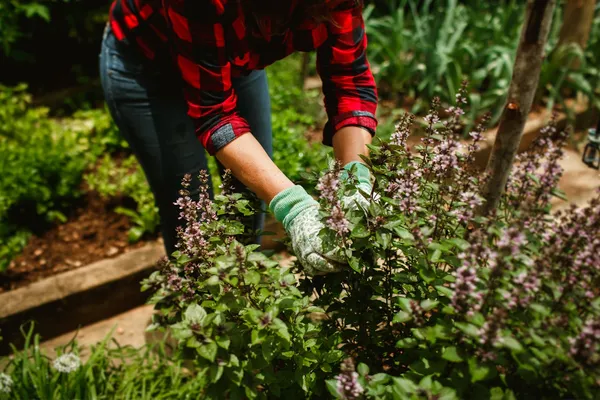
Proper pruning can also encourage flowering and fruit set. However, this requires a good understanding of the growth habits of the plants and trees in question. It would, of course, be a shame if the (as yet invisible) buds were pruned away.
Improving Health
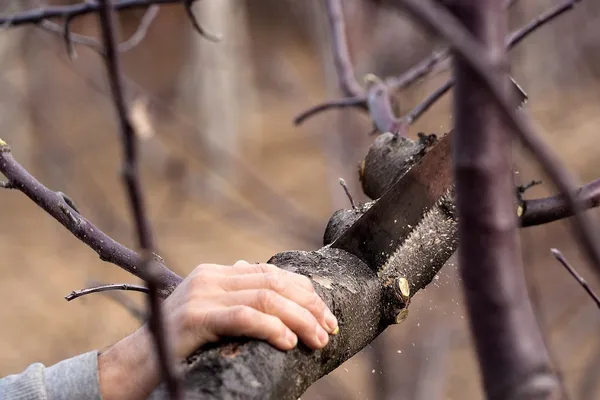
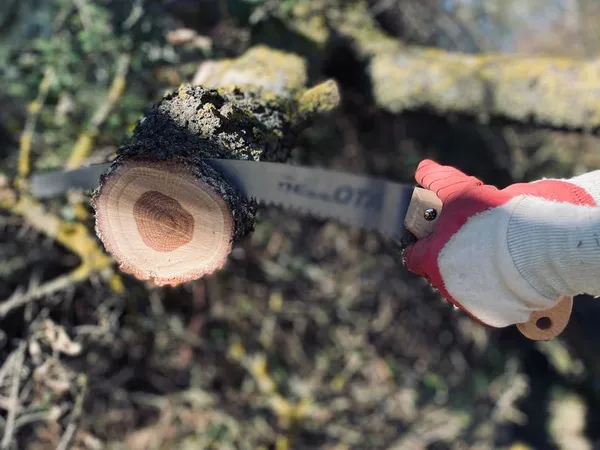
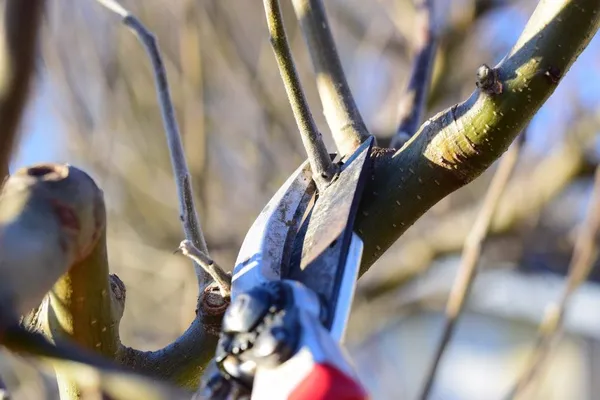
It’s perfectly normal for trees, shrubs, and plants to develop dead branches and shoots over time. Crossing and rubbing branches are also common. To prevent this from weakening a plant, it is necessary to prune dead, crossing, and diseased parts in a timely manner. This usually prevents further spread and problems. You can also improve air circulation by thinning out the center of a tree, shrub, or plant. This can help prevent fungal diseases, for example.
For many perennials and ornamental grasses, the remaining (dead) parts can be removed in early spring to make plenty of room for new growth.
For many trees and shrubs, the best time to prune to improve their health is in late winter or early spring, when the plant is still dormant. Exceptions to this are ABC trees, evergreen shrubs, and early-blooming shrubs.
Balancing Growth
It is important for a shrub or tree to be well-balanced. It is common for growth to be much faster on the side facing the sun. If the plant leans heavily to one side, it can weaken, become bare, or even fall over. Pruning can help restore the plant’s balance.
Rejuvenating Plants
Is a plant getting too big for your garden, but you’d still like to keep it? Or has the plant stopped growing or blooming properly? If so, it may be necessary to rejuvenate it. This is a drastic pruning method and can usually only be done in the spring.
Preventing Dehydration After Transplanting
When you move plants, you remove part of the root ball (or at least disturb the roots). This causes stress to the plants and leads to dehydration. To prevent excessive moisture loss through evaporation, it may be wise to prune back part of the plant as well. This helps balance the above-ground growth with the now-smaller root ball. Prune immediately after transplanting.
Reasons NOT to prune
- The tree or shrub has an attractive shape and fits well in the garden
- It's not the right time or season to prune
- Do not prune during hot, dry weather, and never prune during a frost.
- The plant will bloom soon
- There is a bird's nest in the hedge, tree, or bush