
Why do the leaves of Tuscan jasmine turn red?
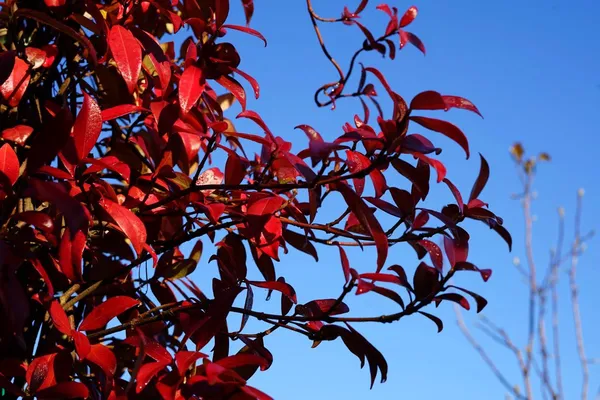
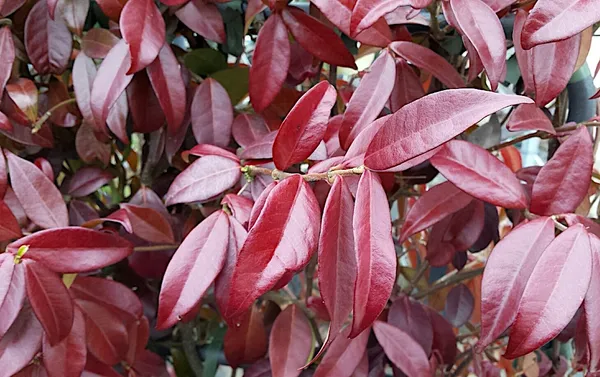
Tuscan jasmine (Trachelospermum jasminoides) is a beautiful climbing plant. This climber produces an abundance of flowers that have a wonderful fragrance. Tuscan jasmine is also known as star jasmine and is evergreen. In the fall and winter, the jasmine’s leaves often change color. They suddenly turn completely red!
Why do the leaves of Tuscan jasmine turn red?
There are several possible causes of red leaves. We'd like to list them for you:
Colder temperatures
The most common cause is colder temperatures. When it gets colder, Tuscan jasmine often responds by turning its leaves red. It’s a kind of protective mechanism against the cold. That’s why you see this most often in the fall and winter. It’s possible that the combination of plenty of sun and cold is an even stronger trigger for the red discoloration, which can produce beautiful sights.
Too much or too little water
The amount of water also affects the red color of the leaves. If there isn’t enough water, the jasmine’s leaves may turn red, but they usually turn yellow and brown instead. However, there’s a good chance that you’re actually overwatering it, meaning your jasmine is too wet. Tuscan jasmine doesn’t like wet feet, especially in the winter. Good drainage is important for this partially hardy climbing plant.
Is it a problem if Tuscan jasmine develops red leaves?
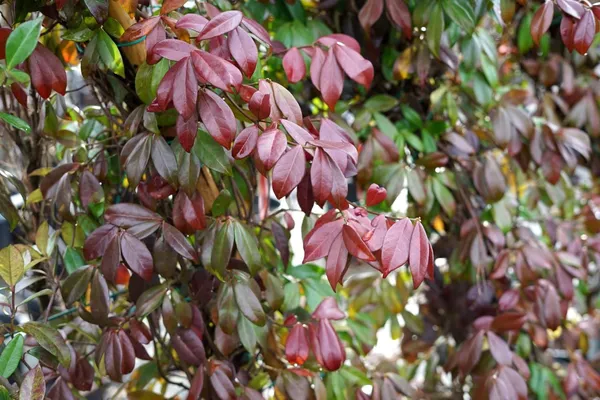
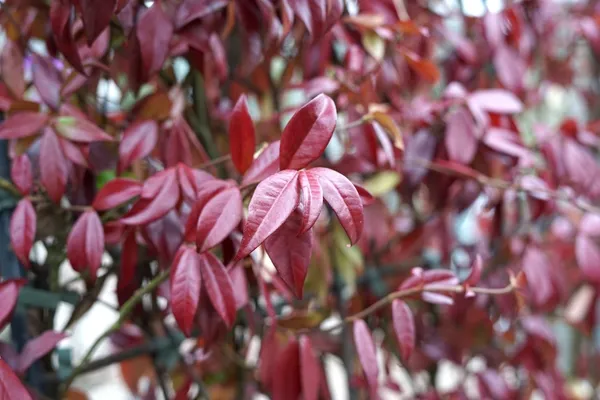
Although red leaves can look beautiful, they’re actually a sign that the plant is too cold or too wet. In many cases, leaf drop will also occur after a while. However, your Tuscan jasmine will usually grow right through this, and fallen leaves will be replaced by new green leaves in the spring.
How can you prevent red leaves and leaf drop?
It can help to improve the soil. Make sure the soil is well-drained. For example, mix sand or gravel into the garden soil. You can also plant Tuscan jasmine in a raised bed to ensure better drainage. This is especially helpful if, for example, you’re gardening in heavy (and wet) clay soil. In a large pot or planter, you’ll also have more control over the soil and drainage.
You can also protect Tuscan jasmine during the winter. Wrap the plant in garden fleece or burlap. This can make all the difference. As soon as temperatures rise a bit, you’ll need to unwrap the plants to prevent other problems (such as mold growth).
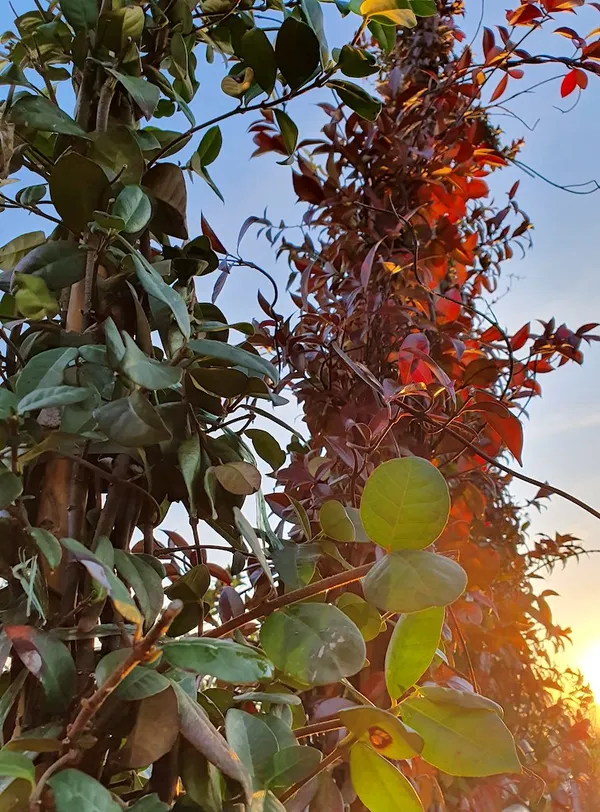
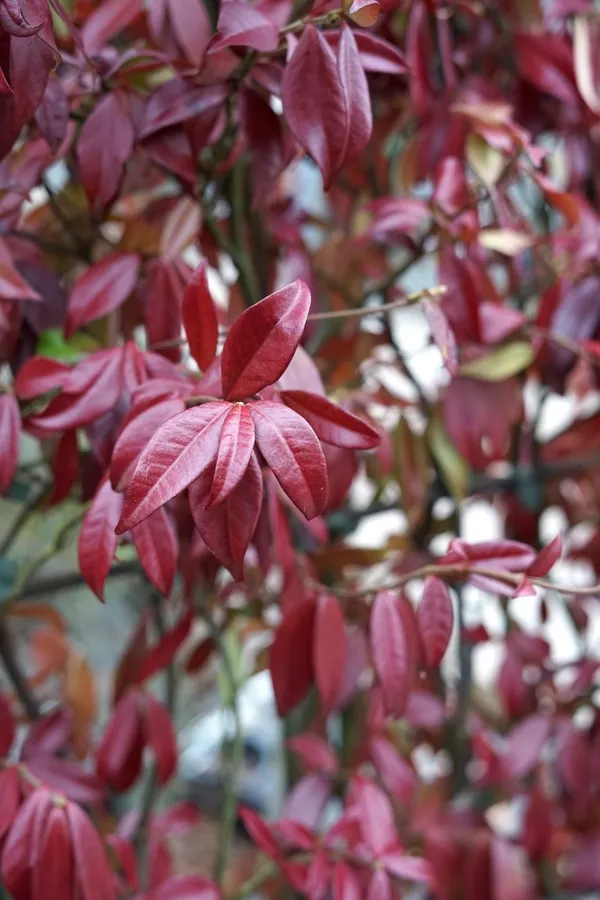
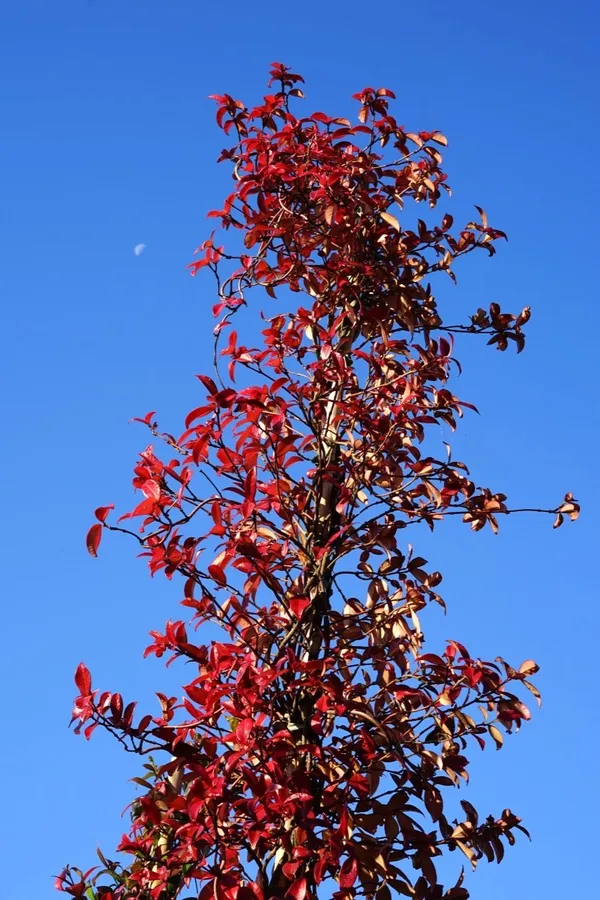
The red foliage of jasmine in the fall and winter is truly beautiful!
Jasmine in a pot or in the ground
Incidentally, it seems that the red discoloration of the leaves occurs more frequently or more quickly in pots. Here, it is mainly potted plants that change color in the fall. Our Tuscan jasmine planted in the ground is much less affected by this. When planted in the ground, star jasmine is also more hardy, provided the soil is well-drained.