
Why are the leaves on my rhododendron turning yellow?
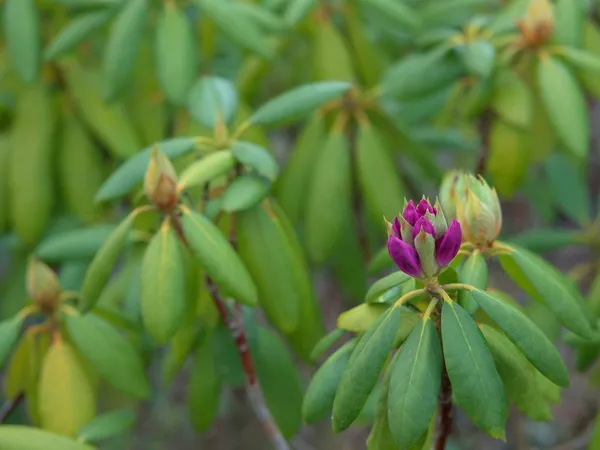
Rhododendrons are beautiful, evergreen shrubs that bloom spectacularly in the spring. But even well before they start to bloom, you can already enjoy their graceful flower buds. Their glossy, elongated leaves also give these plants a lovely appearance. Many rhododendrons grow quite large. However, there are also species and cultivars that remain smaller, as well as dwarf rhododendrons, such as the Yakushimanum hybrids and many azaleas. Ideal for small gardens!
If you can provide the right growing conditions for your rhododendron (well-drained, acidic soil and partial shade), the plant usually requires little attention. However, yellowing leaves may occasionally occur.
Why do rhododendrons develop yellow leaves, and what can you do about it?
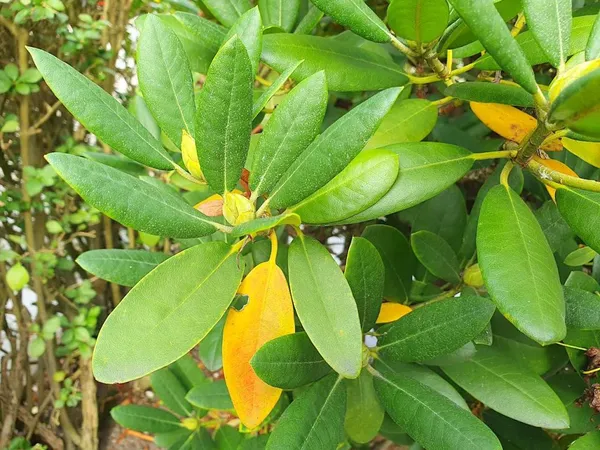
If you notice yellow leaves on your rhododendron, it’s important to pay extra attention. Over time, these leaves will fall off. Yellowing leaves can have various causes. This could be due to the soil’s acidity, a lack of water or too much water, disease, or a nutrient deficiency. Because one of these factors is out of balance, your Yellow-leaved rhododendron.
Soil Not Acidic Enough
It’s possible that your soil isn’t acidic enough after all. An incorrect pH level can hinder nutrient uptake. If you don’t have acidic soil but still planted rhododendrons after adding a lot of acidic soil, it’s also possible that the effect of that has worn off. That’s because the soil will always gradually become less acidic again.
Water shortage
If there isn’t enough water, the leaves often turn yellow. Rhododendrons prefer slightly moist soil. Especially during dry summers, it’s important not to let your rhododendrons dry out. This is because the buds are already forming at that stage. Of course, the soil dries out faster in a sunnier spot than in the shade. Make sure the soil remains evenly moist. Mulch can help retain more moisture.
Too much water
Too much water can also cause yellow leaves. Often in the fall, after a prolonged period of wet weather, nutrients can be washed away. As a result, the rhododendron may not be able to absorb enough nutrients. In that case, it’s advisable to apply a special fertilizer. By fertilizing at the right time, you can keep your rhododendrons beautiful and healthy.
Insufficient nutrition
When planting new rhododendrons or growing them in poor soil, ensure they receive adequate nutrition. Use a special rhododendron fertilizer so your rhododendrons can grow well and avoid nutrient deficiencies.
Diseases and Pests
Diseases and pests can also cause yellowing leaves. Check your rhododendrons regularly for signs of diseases and pests. Fungal infections such as Phytophthora and pests such as spider mites can cause yellowing leaves. Treat these problems promptly with organic pesticides.
Yellow Leaf: So what now?
A rhododendron with yellow leaves isn’t the end of the world, but it is a reason to take action. Yellow leaves can be caused by watering, soil health, nutrition, diseases, and pests. Now that you know the cause, you can take the right steps in a timely manner to keep your rhododendrons beautiful and healthy. Or, with peace of mind, enjoy a few more beautiful Buy rhododendrons, which will continue to beautify your garden for years to come.