
Which trees can be grown in a pot?
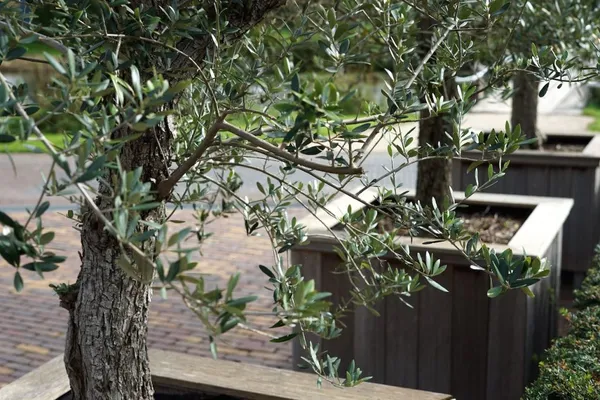
Do you have a small garden and not really any room for a tree? Or do you have limited open ground for planting, but would still like to have a tree? Fortunately, there are quite a few trees that are suitable for growing in a pot or planter!
Small potted trees
Many smaller trees can be grown quite well in a pot or planter. This usually requires a bit of extra care (additional watering, fertilizer, and sometimes winter protection), but it’s certainly possible with these compact trees. For trees, however, you’ll need a spacious pot or planter. A larger pot will allow the tree to grow better and make it easier to care for.
These trees are definitely suitable for a pot or planter:
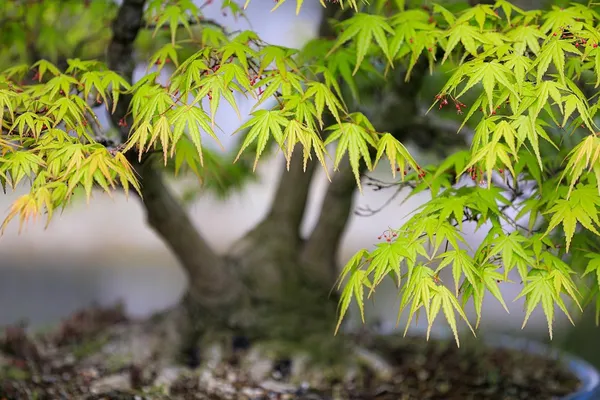
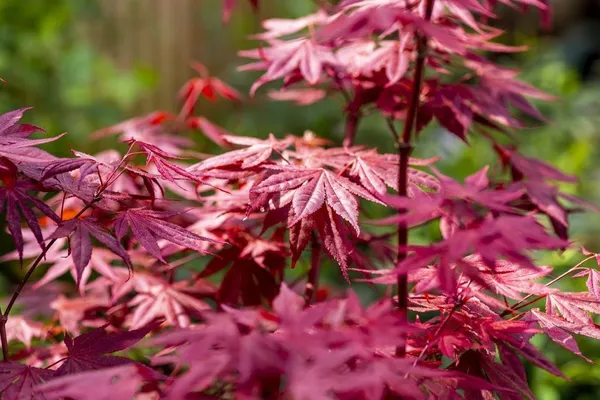
- Acer palmatum (Japanese maple)
- Amelanchier lamarckii (sour cherry tree)
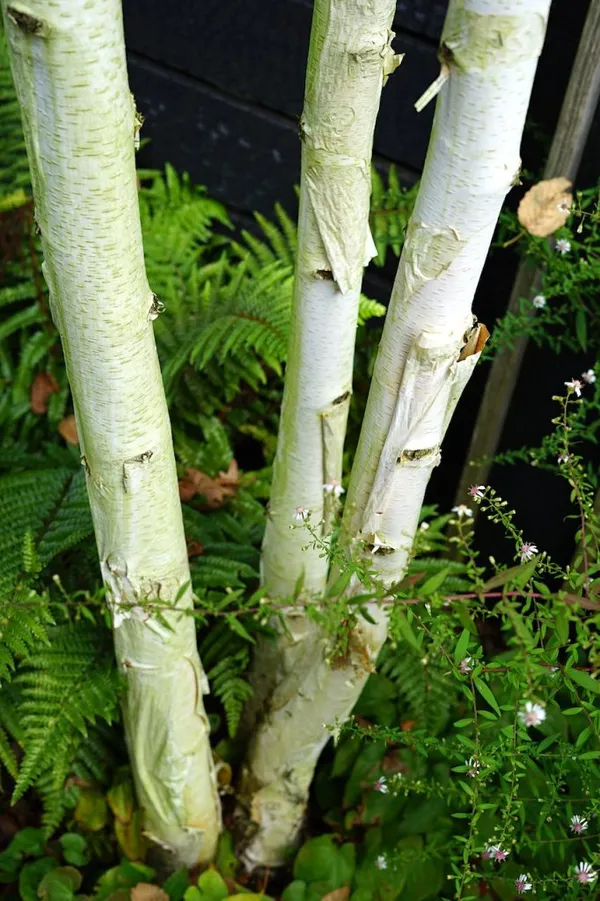
- Betula utilis ‘Doornbos’ (white birch)
- Cercis canadensis (Judas tree)
- Elaeagnus ebbingei (olive willow)
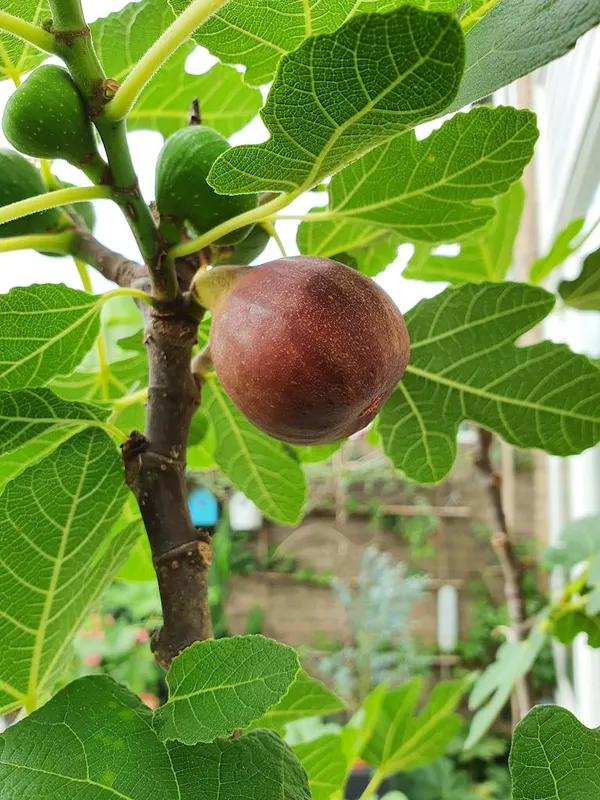
- Ficus carica (fig tree)
- Koelreutia paniculata (Chinese lacquer tree)
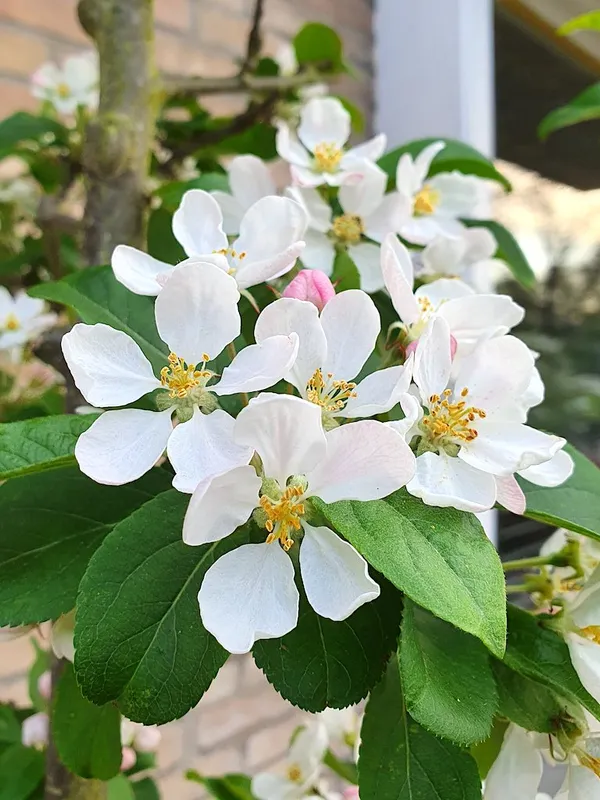
- Malus (ornamental apple)
- Mespilus germanica (medlar)
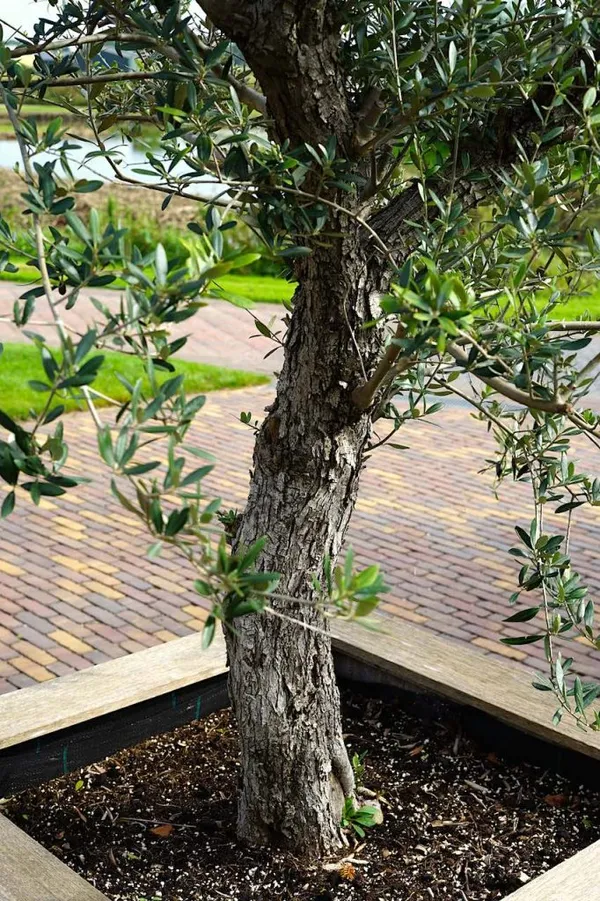
- Olea europaea (olive tree)
- Pyrus salicifolia ‘Pendula’ (weeping ornamental pear)
- Sophora japonica ‘Pendula’ (honey tree)
- Sorbus aucuparia (rowan)
Shrubs That Grow Like Trees
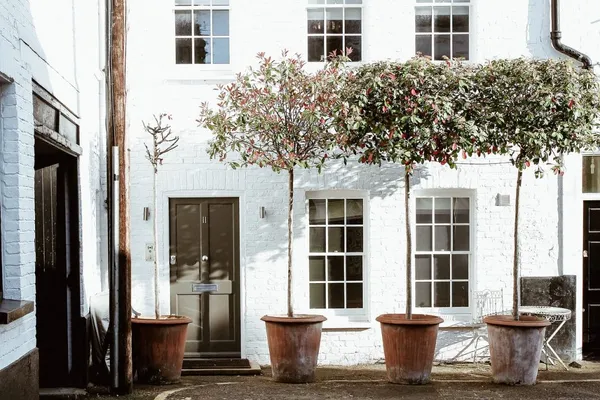
Many shrubs can be allowed to grow into a small (multi-stemmed) tree. You can pollard them (prune away the lower branches so that a bare trunk remains) or simply let them branch out from the bottom. You can also choose a shrub on a stem, which gives you a small tree right away. In that case, the plants are often grafted onto a rootstock that is, for example, 80, 100, or 120 cm tall.
- Buddleja davidii (butterfly bush)
- Camellia japonica (camellia)
- Cornus florida (American dogwood)
- Cornus kousa (Japanese dogwood)
- Cornus mas (yellow dogwood)
- Elaeagnus ebbingei (olive willow)
- Photinia (glossy privet)
- Prunus laurocerasus ‘Caucasica’ (cherry laurel)
- Prunus lusitanica ‘Angustifolia’ (Portuguese laurel)
- Prunus triloba (dwarf almond tree)
- Rhus typhina (velvet sumac)
- Salix integra (standard willow)
- Sambucus nigra ‘Black Lace’ (elderberry)
- Tamarix (tamarisk)
Potted fruit trees
You can also grow many types of fruit in a pot. However, it’s important to make sure they get enough nutrients and water. It’s also a good idea to choose special patio or mini fruit trees, or to opt for dwarf varieties, for example. Fruit shrubs also grow well in pots. However, the yield in a pot is often somewhat smaller than when grown in the ground.
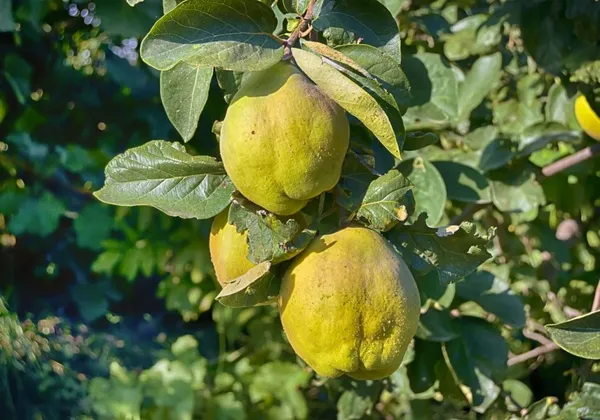
- Cydionia oblonga (quince)
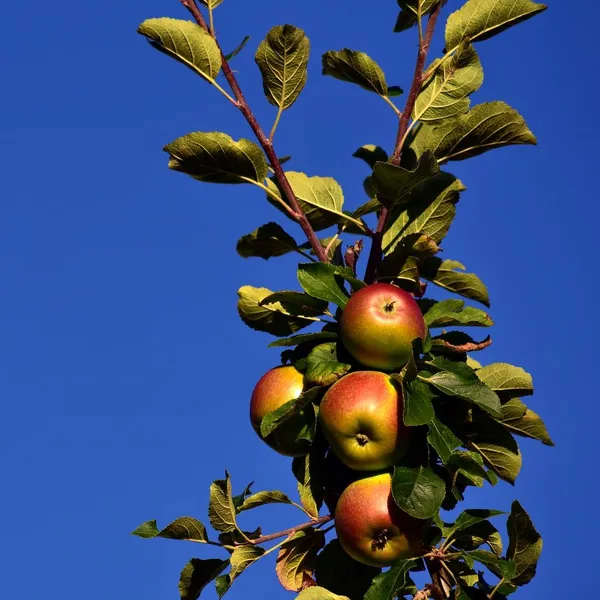
- Malus (apple)
- Prunus armeniaca (apricot)
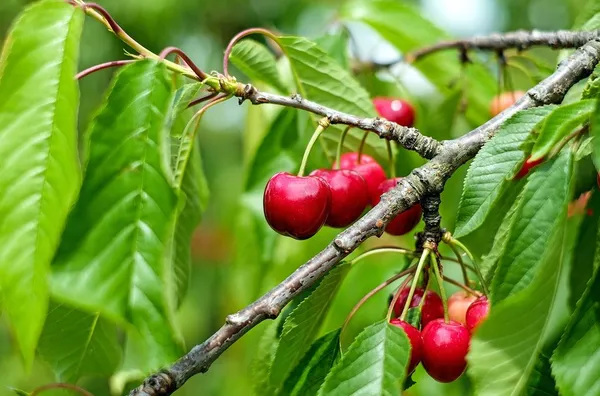
- Prunus avium (sweet cherry)
- Prunus domestica (plum)
- Prunus dulcis (almond)
- Pyrus communis (pear)
- Ficus carica (fig)
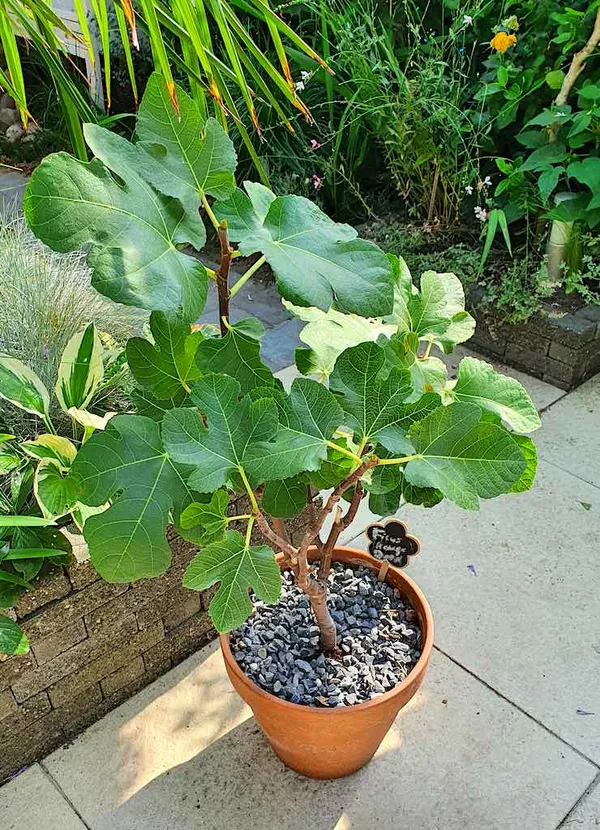
Exotic Potted Plants
Exotic plants also often look very beautiful in pots. Think, for example, of citrus, bay laurel, palm trees, and banana plants. Many varieties can be grown as small trees. However, most of them (when grown in pots) must be brought indoors in the winter, or at least kept under cover. They are therefore treated as container plants. Incidentally, some of these exotic plants can withstand our winters quite well when planted directly in the ground.
- Albizia (Persian silk tree)
- Asimina triloba (pawpaw)
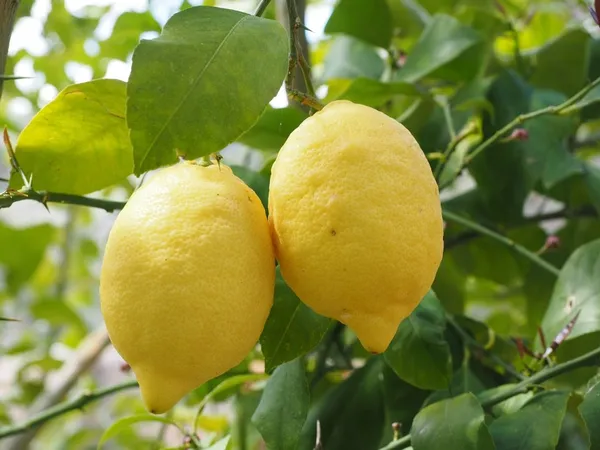
- Citrus limon (lemon)
- Citrus latifolia (lime)
- Citrus sinensis (orange)
- Diospyros kaki (persimmon)
- Eriobotrya japonica (Japanese medlar)
- Laurus nobilis (true bay laurel)
- Musa basjoo (Japanese fiber banana)
- Musa sikkimensis (Darjeeling banana)
- Nerium oleander (oleander)
- Poncirus trifoliata (wild lemon)
- Punica granatum (pomegranate)
- Trachycarpus fortunei (fan palm)
- Trachycarpus wagnerianus (Wagner palm)
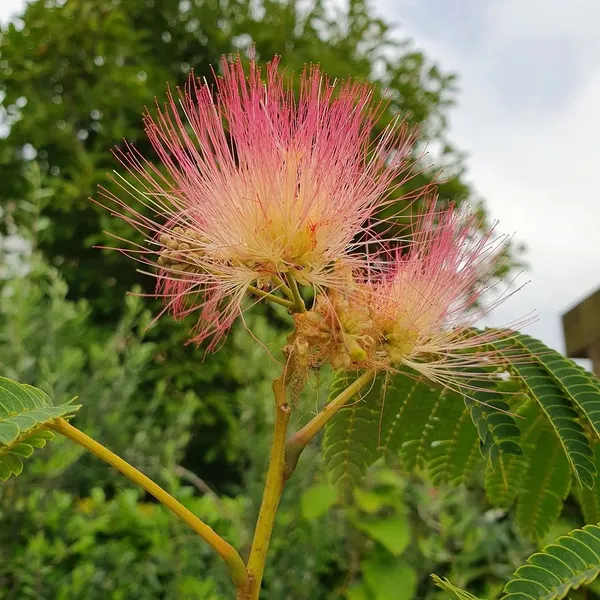
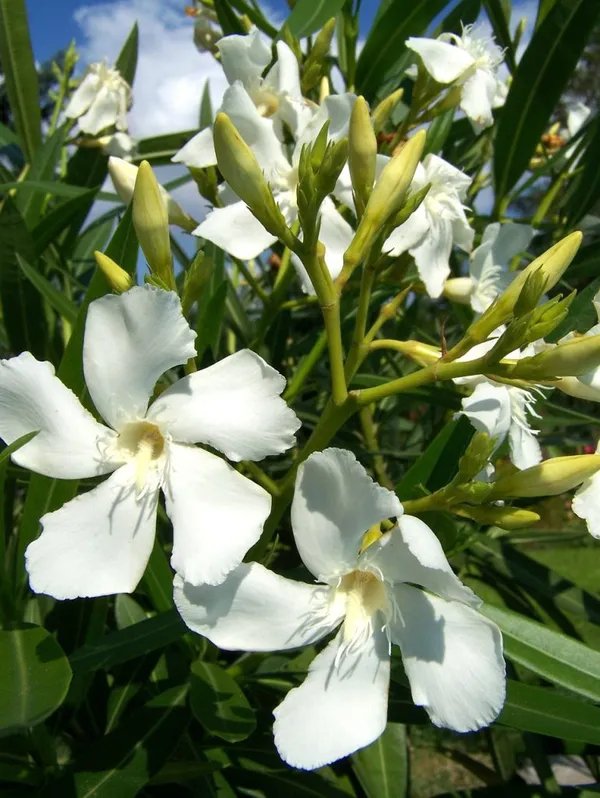
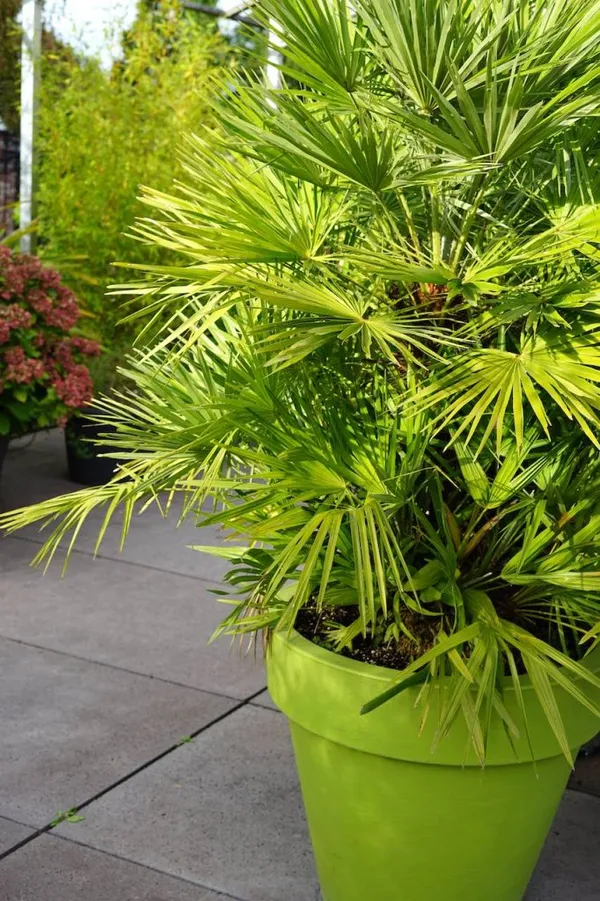
What is the minimum pot size for a tree?
The larger the pot or planter, the better. A larger pot provides your tree with more nutrients, allows it to absorb water more effectively, and gives it more room to grow. A larger pot also has the advantage of being more stable and less likely to tip over. Trees are naturally prone to catching the wind—even when they’re potted!
As a minimum size for a real potted tree, you should aim for a height of 50 cm, preferably 60 cm. The diameter should also be at least 60 cm. If you choose a shrub (whether or not it’s on a stem), it can be slightly smaller. In that case, a minimum height of 35 cm is desirable, and a diameter of 40 cm—but preferably 50 cm—is also recommended.
More tips for growing trees in pots or planters?
Read about how to care for and maintain potted trees in our article: 9 Tips for Potted Trees