
Which plants do you need to stake? And when?
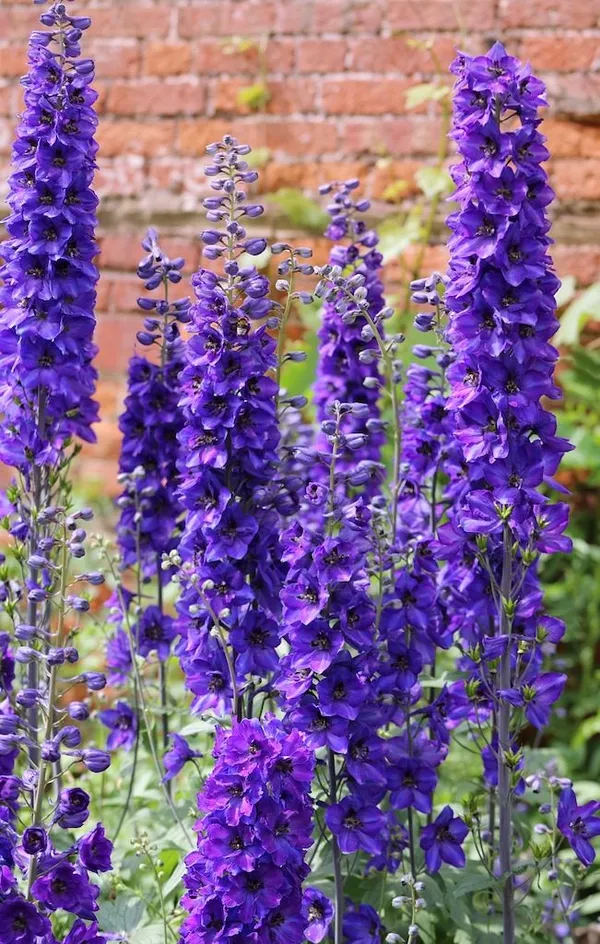
In the summer, everything grows incredibly fast. Many perennials shoot up, or produce beautiful, tall flower stalks.
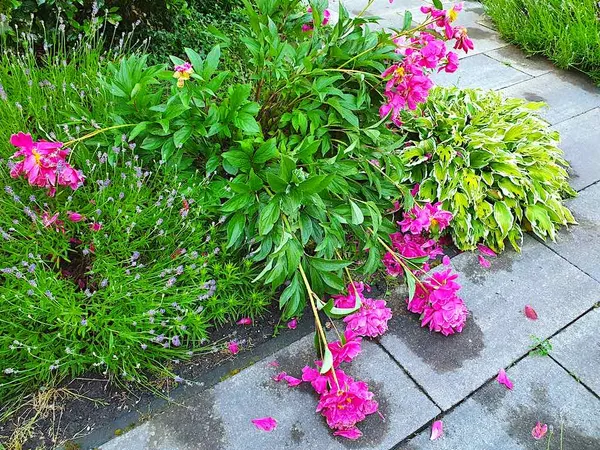
Still, all of this can change in an instant. A week of rain—or a heavy downpour—is never far off during our summers. It can also suddenly get very windy for a few days…
Before you know it, all your beautiful tall plants will be lying snapped on the ground.
What a shame, of course!
But fortunately, there's something we can do about this: taller plants like to have some support.
Set up plant supports early on so your plants don't snap or become top-heavy.
When should plants be staked, and how?
To provide your plants with adequate support, it’s important to set up a good support system early on. Be sure to install the support before the plants actually need it. That way, the plants will grow nice and sturdy and straight. This is usually in late spring or early summer.
A plant should not be restrained or constricted by the plant support. There should still be enough room for it to grow and move. But not so much that the plants could snap. It looks best when the plants retain their natural appearance and shape.
By installing the supports early on, the plants will get the support they need quickly enough, and the new growth will also spread over the supports, making them much less visible.
Which plants need support?
Taller perennials, in particular, need support. These plants grow fairly quickly and often produce many flowers on a long stem. But even taller perennials with soft, delicate growth can benefit from some support. Examples include delphinium (larkspur), lupine, tall hollyhocks (Alcea), dahlias, aconite (monkshood), and catmint (Nepeta).
Some shrubs could also use a little support, especially those with large, heavy flowers or flower heads. A well-known example is the Annabelle hydrangea. But roses, peonies, and young hydrangeas or camellias are also good examples.
Most climbing plants also need support. However, instead of using plant supports, people usually use a plant rack, trellis, or other structure.
Types of Plant Supports
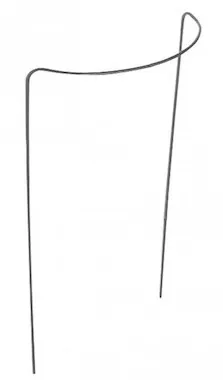
There are many different types of plant supports. You can buy them ready-made at the store—for example, stakes, rings, trellises, brackets, or half-circles—made of plastic or metal. But you can also make them yourself, for example, out of scrap metal or wire. And don’t underestimate a simple bamboo stick either!
Of course, plants can also support each other. By choosing the right combination of plants, different plant species will also support one another.