Which plants can tolerate drought?
We’re experiencing droughts more and more often. You might expect longer periods with little or no rain mainly in the summer, but this is actually happening more and more often in the spring! This is particularly problematic for many plants, because they really want to grow a lot in the spring and quickly start to suffer from the lack of water. Drought also increases the risk of diseases, such as powdery mildew.
Still, not all plants are equally affected by heat and drought. There are quite a few plants that can withstand dry conditions well. They often have special adaptations that help them cope better with the intense sun or dry soil.
What makes some plants more drought-tolerant?
There are several ways in which drought-tolerant plants can better withstand dry conditions and intense sunlight. It’s no coincidence that you often see plants with silvery-gray foliage in full-sun borders, or that Sedum is commonly used there. Plants use these strategies to better withstand the sun and drought:
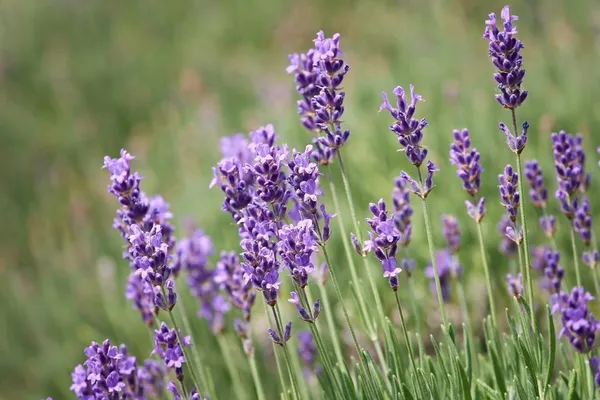
- Small or narrow (needle-like) leaves: Lavender, rosemary
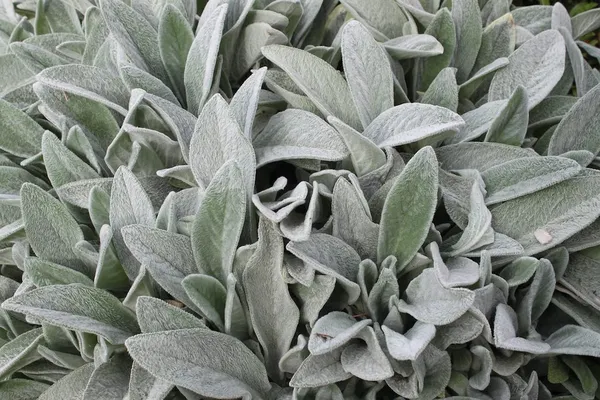
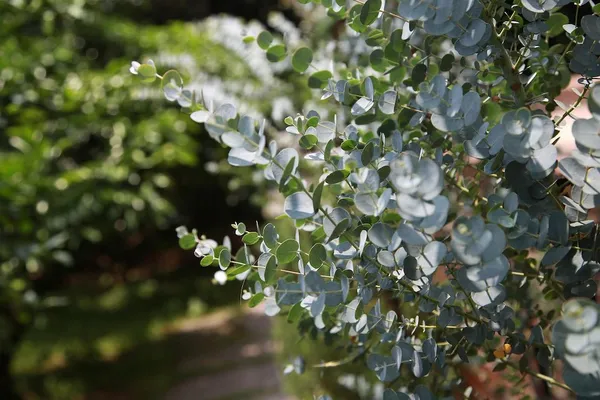
- Silver-gray or blue-gray foliage: Giant lavender, sage, catnip
- Water Storage in Stems or Leaves: Sedum Species
- Hairy leaves: Thistle, poppy
Which plants can tolerate drought well?
Below is a list of drought-tolerant plants for a sunny spot in dry soil, broken down by plant group.
Which perennials can tolerate drought?
The selection of drought-tolerant perennials is actually quite large. Here are a few commonly used varieties.
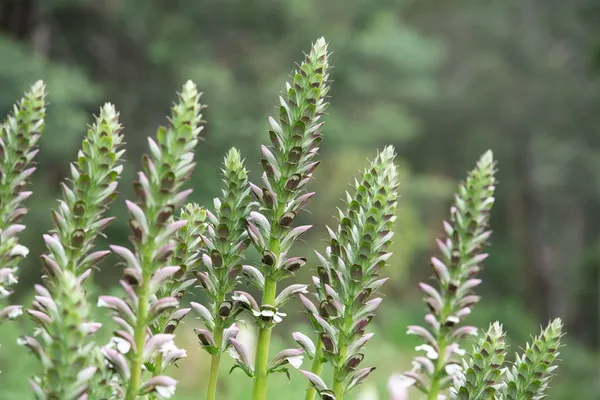
- Acanthus mollis
- Achillea (yarrow)
- Agapanthus (Cape lily)
- Armeria (English grass)
- Bergenia (shoe-leather plant)
- Campanula (bellflower)
- Dianthus (rock carnation)
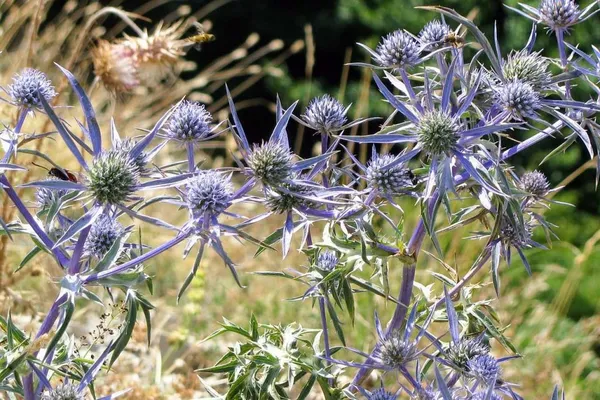
- Echinops (globe thistle)
- Erigeron karvinskianus (wall fleabane)
- Euphorbia (spurge)
- Eryngium planum (cross thistle)
- Erysimum (wallflower)
- Foeniculum (fennel)
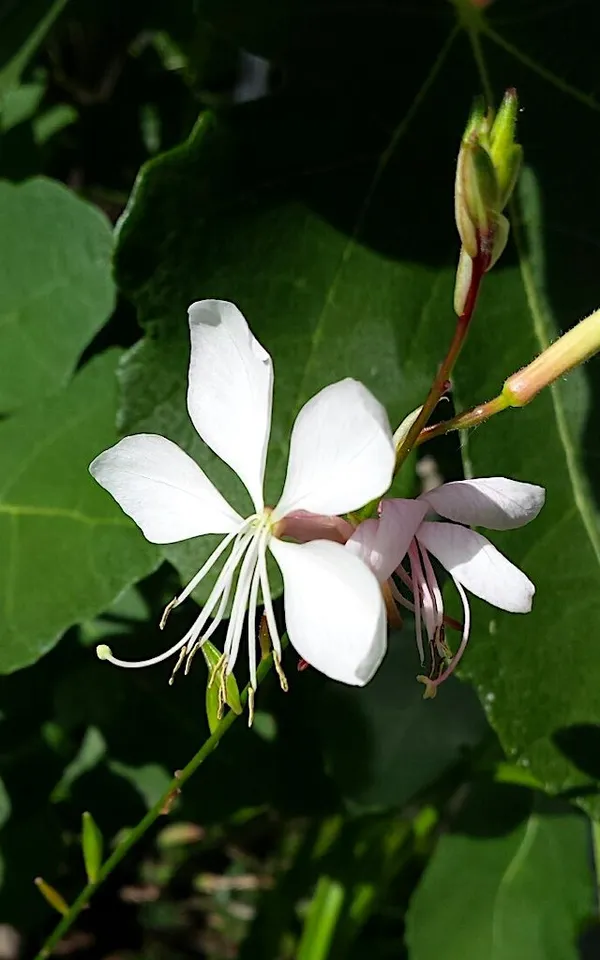
- Gaura lindheimeri (beautiful candle)
- Gladiolus (gladiolus)
- Iris germanica (bearded iris)
- Kniphofia (fire arrow)
- Lychnis coronaria (crowned pink)
- Lythrum salicaria (purple loosestrife)
- Nepeta (catnip)
- Origanum (marjoram)
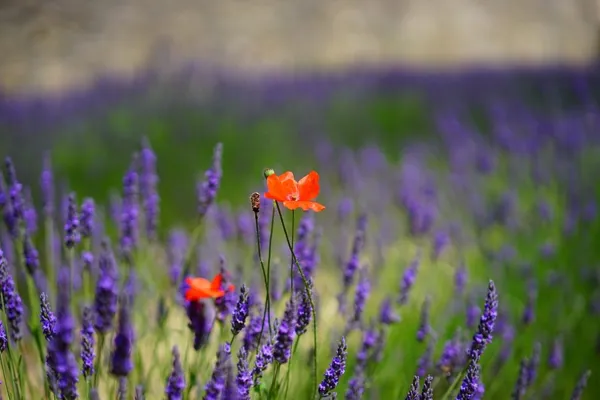
- Poppy
- Perovskia (giant lavender, Russian sage)
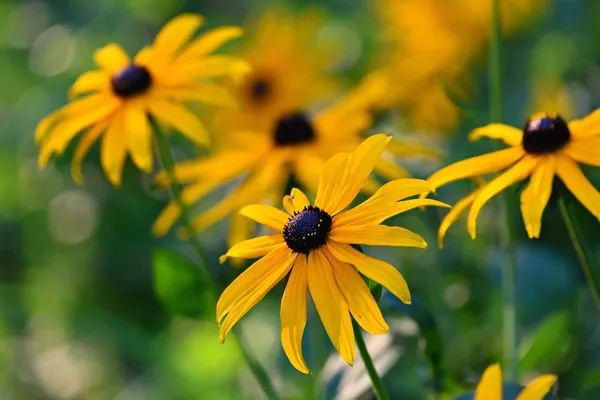
- Rudbeckia (black-eyed Susan)
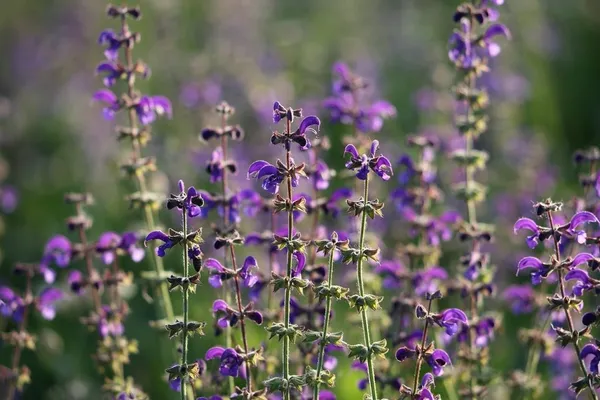
- Salvia (sage)
- Santolina (holy flower)
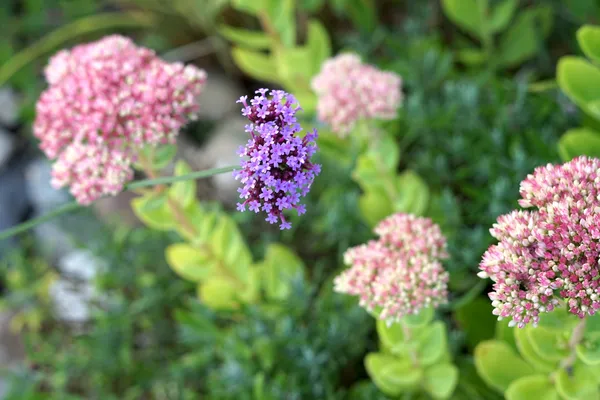
- Sedum (stonecrop)
- Stachys (lamb's ears)
- Verbascum (mullein)
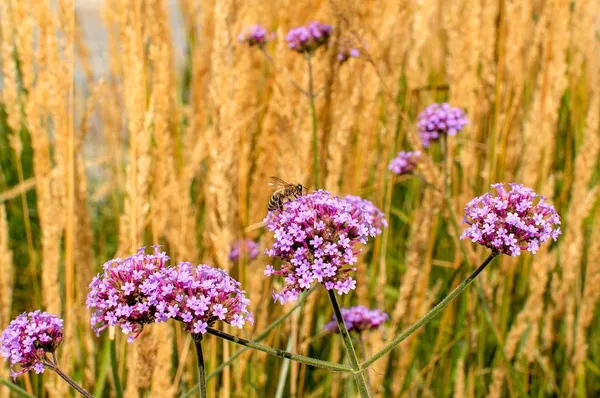
- Verbena (verbena)
Which ornamental grasses can tolerate dry conditions?
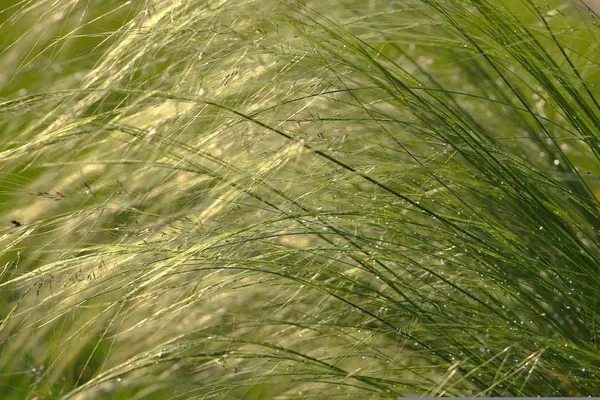
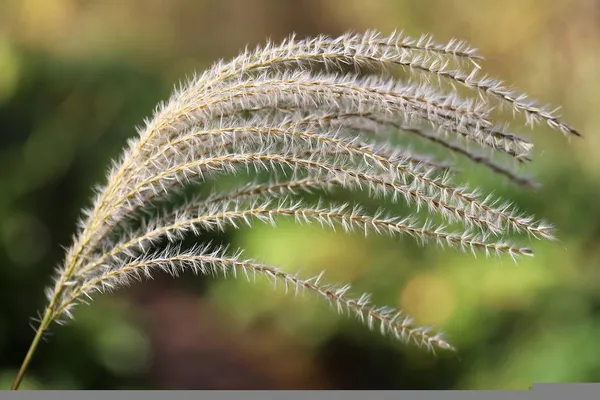
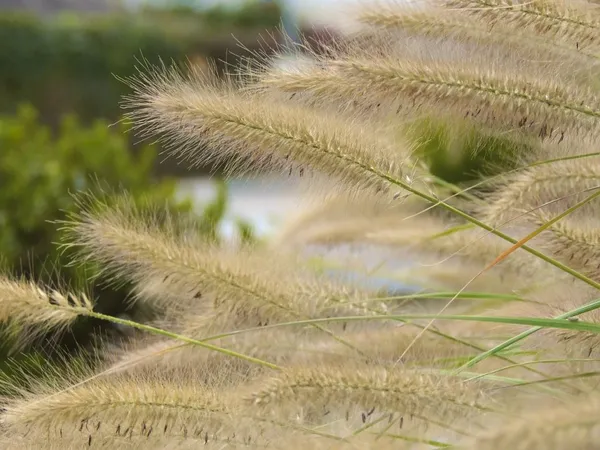
Many ornamental grasses are highly drought-tolerant. Once they’ve taken root, they actually thrive in drier, nutrient-poor soil.
- Ammophilla arenaria (sand couch grass)
- Calamagrostis (feather grass)
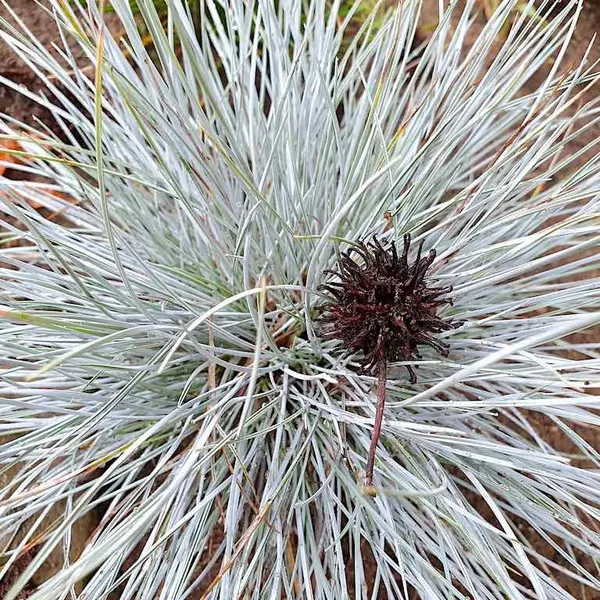
- Festuca (fescue)
- Helictotrychon (ornamental oat)
- Leymus (sand oat)
- Miscanthus sinensis (Chinese silvergrass)
- Pennisetum (lamp cleaner grass)
- Stipa (feather grass)
Which shrubs can tolerate drought?
Many shrubs require a relatively large amount of water to grow well. However, these shrubs will also grow in dry (and often nutrient-poor) soil.
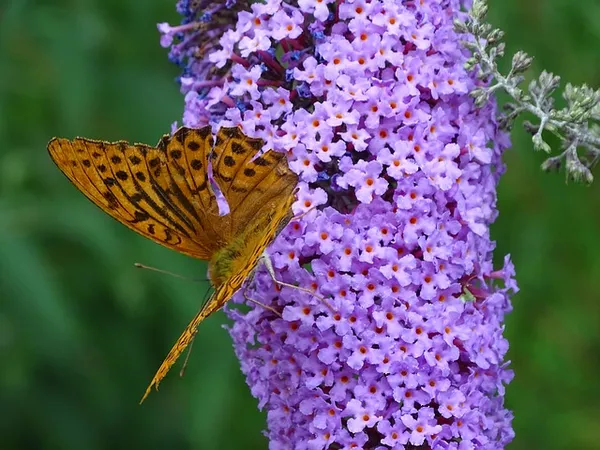
- Buddleja (butterfly bush)
- Cistus (rock rose)
- Citisus (broom)
- Eucalyptus (gum tree)
- Fatsia japonica (finger plant; provided it is kept in the shade)
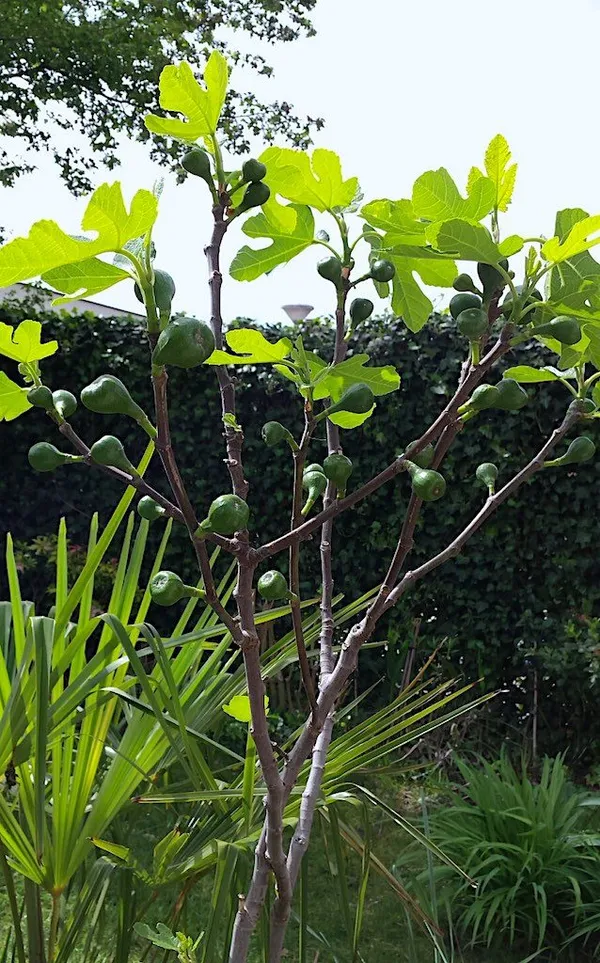
- Ficus carica (fig)
- Hibiscus syriacus (garden hibiscus or althea bush)
- Laurus nobilis (true bay leaf or culinary bay leaf)
- Lavandula angustifolia (English or true lavender)
- Osmanthus burkwoodii (false holly)
- Potentilla (cinquefoil)
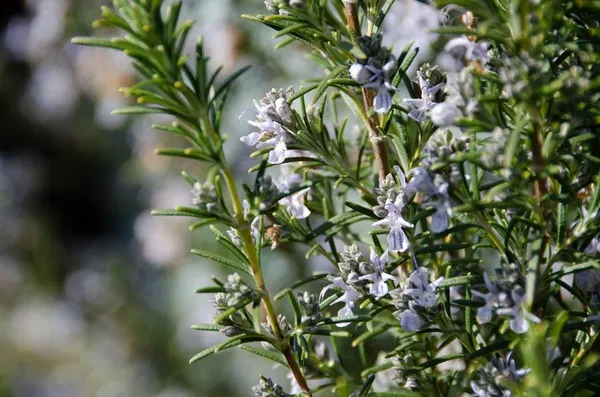
- Rosmarinus (rosemary)
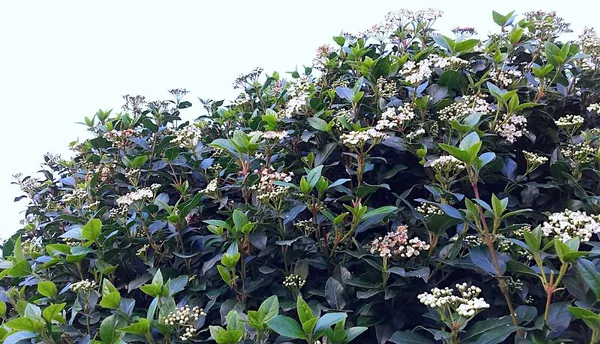
- Viburnum tinus (evergreen snowball)
- Yucca (palm lily)
Which trees can withstand drought?
Even some trees can withstand drought quite well. For example, trees from the Mediterranean region. But some native trees can also go without water for extended periods. Of course, you do need to take the time and make the effort to let a tree become well-established first. A tree certainly won’t be able to withstand drought well during its first year.
- Acer campestre (field maple)
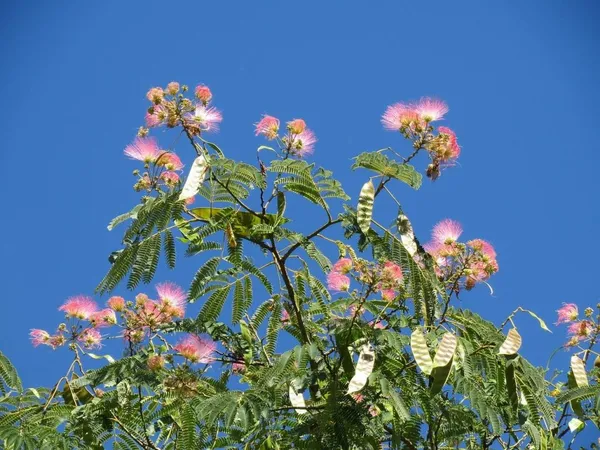
- Albizia (Persian silk tree)
- Amelanchier (serviceberry)
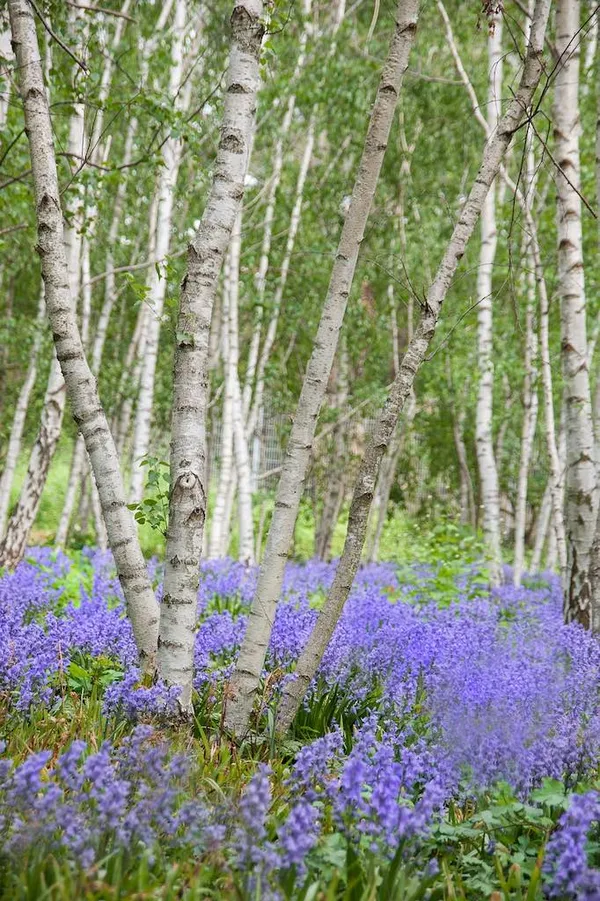
- Betula (birch)
- Crataeagus (hawthorn)
- Carpinus betulus (hornbeam)
- Cercis siliquastrum (Judas tree)
- Eucalyptus
- Ficus carica (fig tree)
- Fraxinus Mecsek (ash)
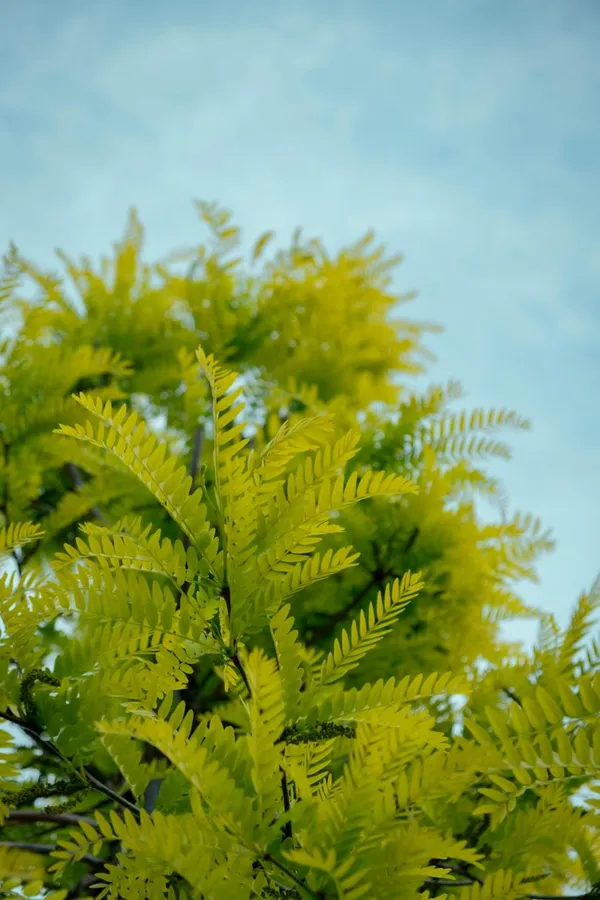
- Gleditsia triacanthos (honey locust)
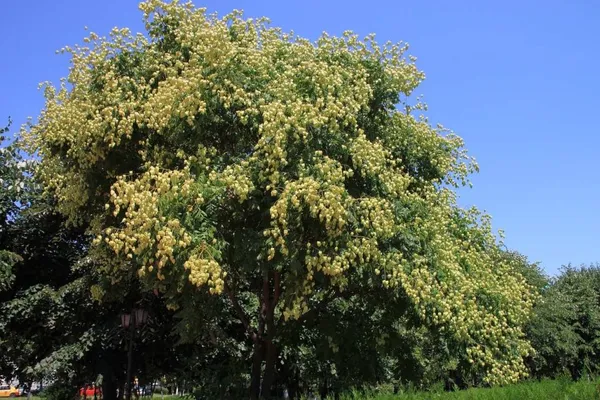
- Koelreuteria paniculata (lacquer tree)
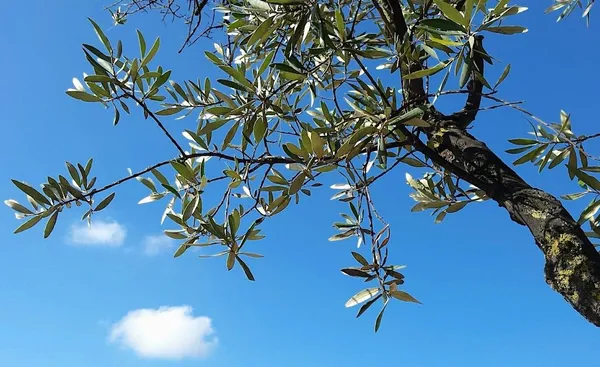
- Olea europaea (olive tree)
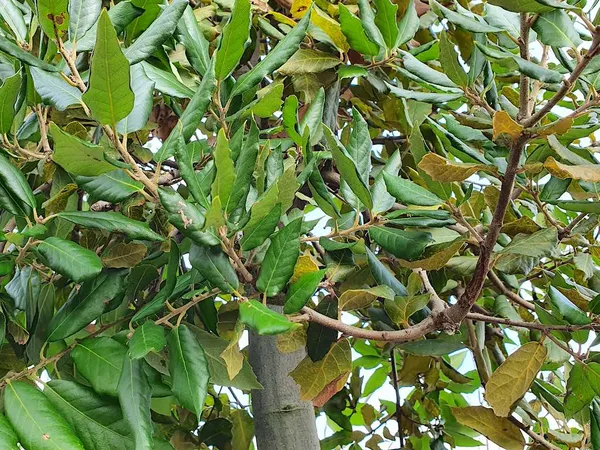
- Quercus ilex (holm oak)
- Sorbus aucuparia (rowan)
- Tamarix (tamarisk)
- Zelkova (Japanese hackberry)
Tips for Improving Dry Soil
Dry soil is always a challenge. Even plants that can tolerate drought well need to get off to a good start first. For this, (a large part of) the first year of growth is indeed extra water needed.
How can you improve dry soil so that plants grow well?
There are several steps you can take to improve the soil. For example, you can enrich the soil by mixing in compost, potting soil, good planting soil, or aged manure. This will help the soil retain moisture better. You can also apply a thick layer of mulch layer helps retain more moisture. Compost works very well for this. The advantage of mulching is that it can still be done even after planting.
In very dry, well-drained soil, such as sandy soil, it may be wise to water thoroughly every day during the first few weeks after planting if there is a drought, or 2–3 times a week under normal conditions in the spring or summer. You should then gradually reduce the frequency of watering.