
Which ornamental grasses are suitable for sandy soil?
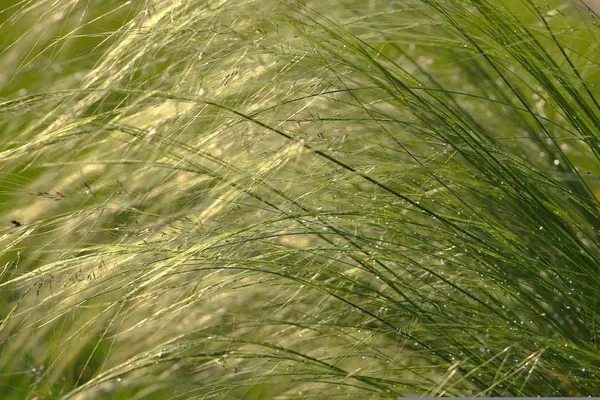
Would you like to have ornamental grasses in your garden? When choosing the variety you want, don’t just think about how beautiful the ornamental grass will look in your garden—also consider where you’ll plant it. What are the conditions like? Is it a spot in full sun, partial shade, or shade? Is it a sheltered spot? What kind of soil is it (how well-drained is the soil)? For example, is it sandy soil, calcareous soil, acidic soil, or clay? We’d be happy to tell you more about ornamental grasses for sandy soil here:
Characteristics of Sandy Soil
- Texture: Coarse-grained: Sandy soil has larger particles than other soil types, such as clay or loam.
- Water Permeability: High. Retains little water, which can lead to dehydration.
- Fertility: It has few nutrients. The coarser parts provide good aeration.
- Usage: Suitable for drought-tolerant plants and plants that require good drainage. Also suitable for many ornamental grasses.
How can you tell what sand is?
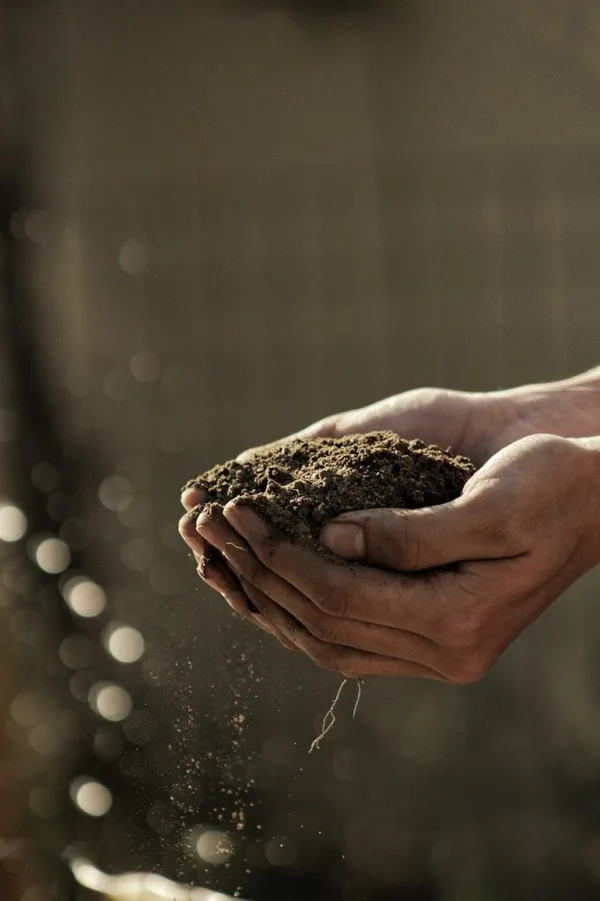
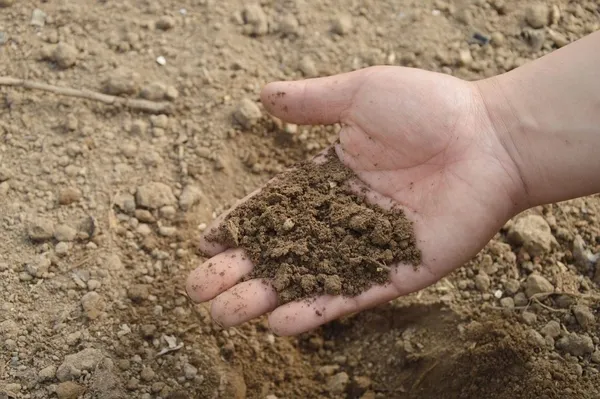
If you grab a handful of soil and try to form a ball, you’ll find that with sandy soil, it’s impossible to do so. The soil often feels grainy. It dries quickly after rain. Sand can come in various colors, often in lighter shades such as yellow, gray, or brown.
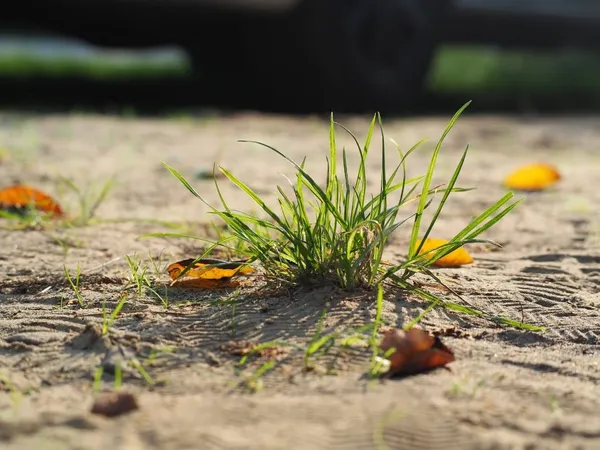
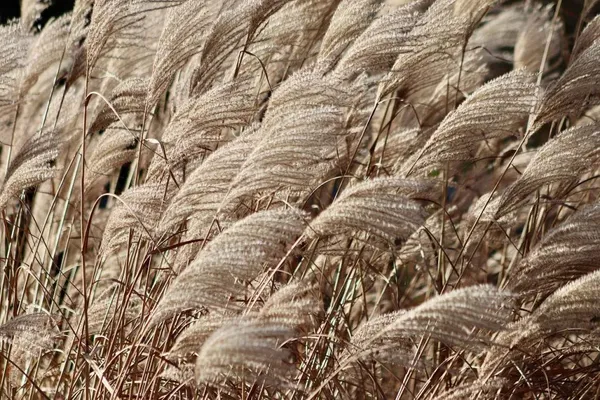
Ornamental grasses for sandy soil
- Ammophila arenaria (sand couch grass or dune grass)
- Calamagrostis (feather grass)
- Festuca (sheepgrass or fescue)
- Helictotrichon sempervirens (blue-ray oatgrass or soft oatgrass)
- Leymus arenarius (sand oat)
- Miscanthus (Chinese silvergrass or ornamental silvergrass)
- Molinia (purple moor grass)
- Pennisetum alopecuroides (lamp cleaner grass)
- Sesleria autumnalis (blue grass or autumn heath grass)
- Stipa (feather grass)
Which ornamental grass would you choose for sandy soil?
Ask your own gardening question!
In our "Garden Questions" section, we answer all your questions about gardens, plants, and gardening.