
Which ornamental grasses are suitable for clay soil?
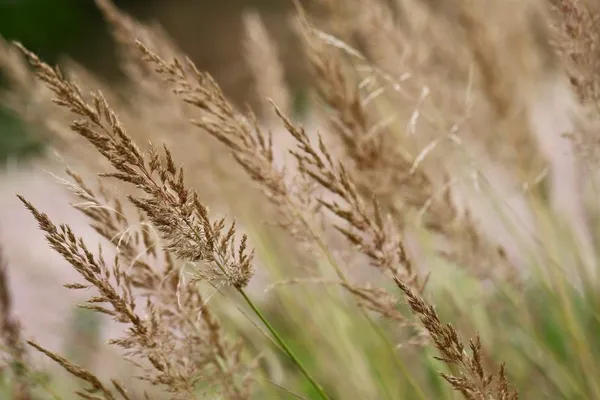
Would you like to grow ornamental grasses in your garden? When choosing the variety you want, don’t just think about how beautiful the ornamental grass will look in your garden—also consider where you’ll plant it. What are the conditions like? Is it a spot in full sun, partial shade, or shade? Is it a sheltered spot? What kind of soil is it (how well-drained is it)? For example, is it sandy, calcareous, acidic, or clay? We’d be happy to tell you more about ornamental grasses for clay soil here:
Properties of clay soil
- Texture: Fine, with particles smaller than sand.
- Water Permeability: Low. Can retain water, which may lead to flooding.
- Fertility: Rich in nutrients. Can become compact, making aeration important.
- Usage: Suitable for plants that like moisture, but drainage is crucial.
How can you tell if something is clay?
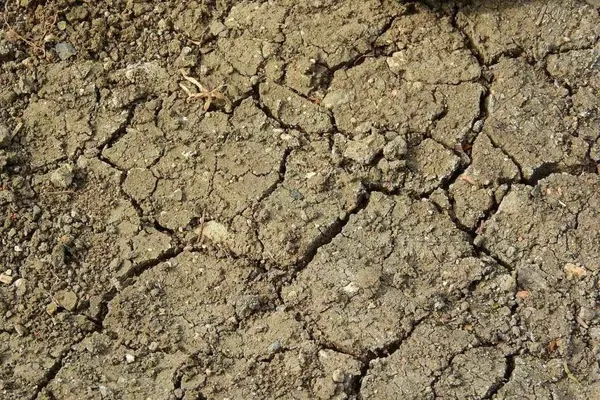
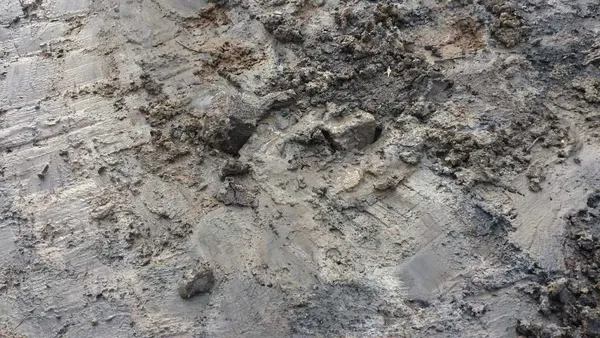
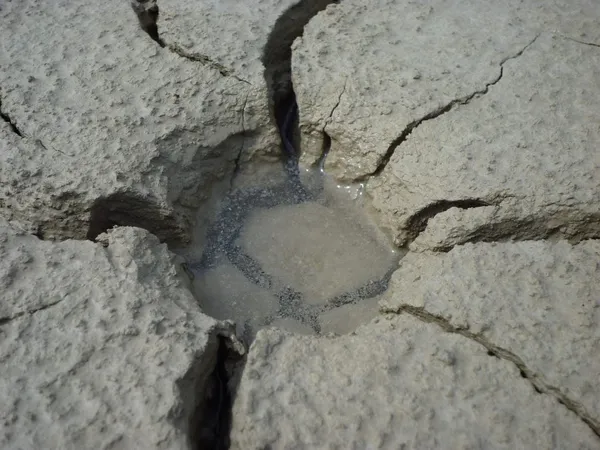
If you grab a handful of soil and try to form a ball, you’ll find that with clay soil, the soil sticks together well and forms a firm ball. In wet conditions, water often pools on clay soil for a long time, and during droughts, hard clumps and (deep) cracks form in the soil.
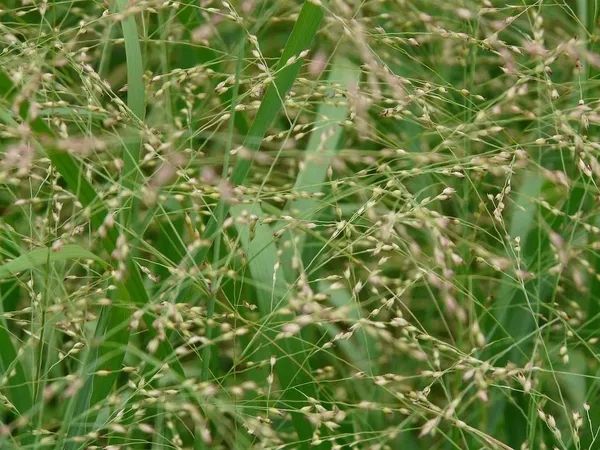
Ornamental Grasses for Clay Soil
- Briza media (beaver grass or quaking grass)
- Calamagrostis (feather grass)
- Carex (sedge)
- Cortaderia (pampas grass: not too wet)
- Deschampsia cespitosa (rough smele)
- Hakonechloa (Japanese mountain grass)
- Imperata cylindrica (Japanese blood grass)
- Juncus effusus (pitrus)
- Melica (pearl grass)
- Pennisetum alopecuroides (lamp cleaner grass)
- Sesleria autumnalis (blue grass or autumn heath grass)