
When should you prune grapevines? And how?
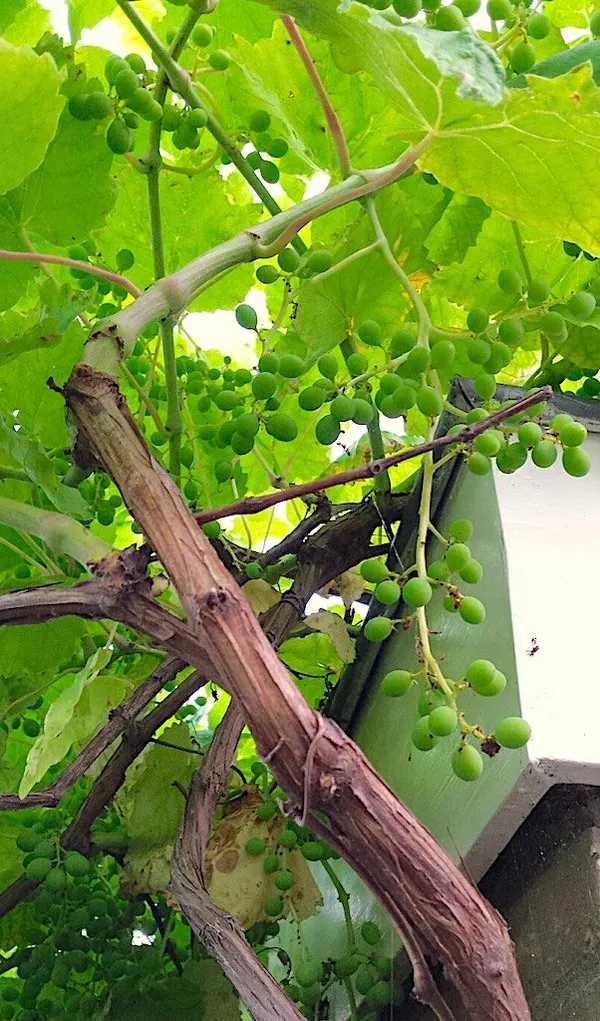
Do you have a fence, wall, or pergola that gets sun? Then a grapevine (Vitis vinifera) is perfect!
They grow quickly, have beautiful foliage, and naturally produce flavorful grapes. The trunk also becomes more beautiful and more gnarled with each passing year.
When should you prune a grapevine?
It's best to prune grapevines twice a year. There is winter pruning and summer pruning.
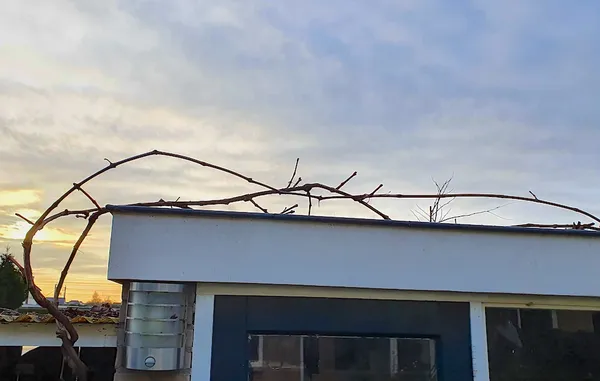
Winter pruning is best done in December or January, after all the leaves have fallen.
Pruning too late carries a risk of (excessive) sap flow, because sap flow has already resumed. If you’re too late and it’s a very mild winter, for example, it’s sometimes better to skip winter pruning.
Summer pruning takes place in May and June.
How should you prune a grapevine in the winter?
Winter pruning determines the shape of your grapevine and also ensures a good yield. Since the leaves have already fallen, you can clearly see the plant’s structure. The grapevine consists of one or more scaffold branches (main branches).
During the first few years, prune all the side branches that grow from the main stem back to about 10–15 cm. Once you’ve established a good framework, prune all the side branches that have borne fruit back to about 2–3 buds (swollen areas).
Do not prune until all the leaves have fallen, and do not prune during a frost.
How should you prune a grapevine in the summer?
Summer pruning focuses primarily on shortening long shoots and reducing the number of grape clusters: thinning.
By pruning the fast-growing or longest shoots, the vine directs less energy toward growth and more toward fruit production.
When thinning the grapes, you reduce the number of grapes per cluster, allowing the remaining ones to ripen better. You can also remove excess clusters. This results in larger, more flavorful grapes. A common guideline is to leave one cluster per shoot.
In addition, it may be advisable to remove leaves that block a lot of sunlight.