
When should you prune a Japanese maple? And how?
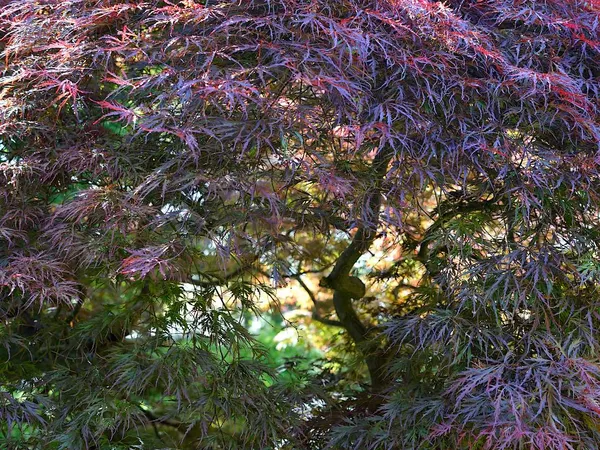
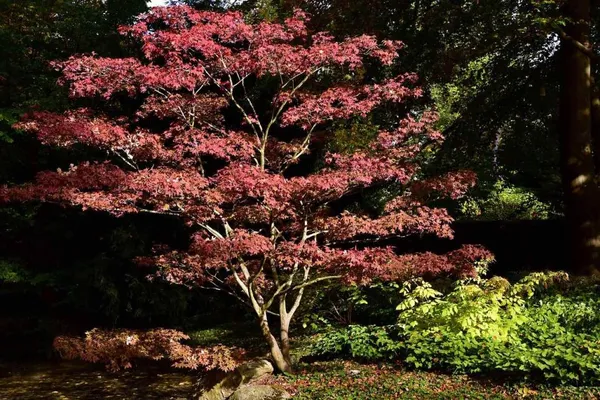
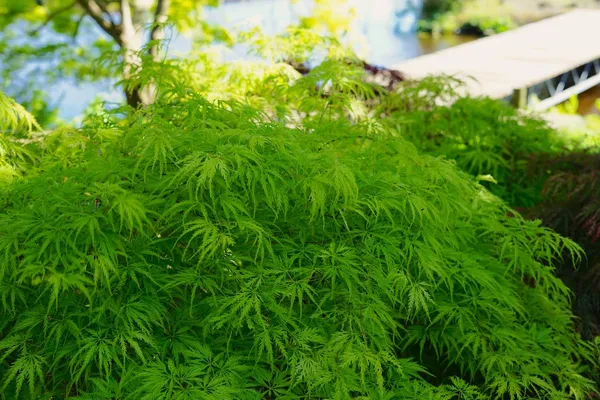
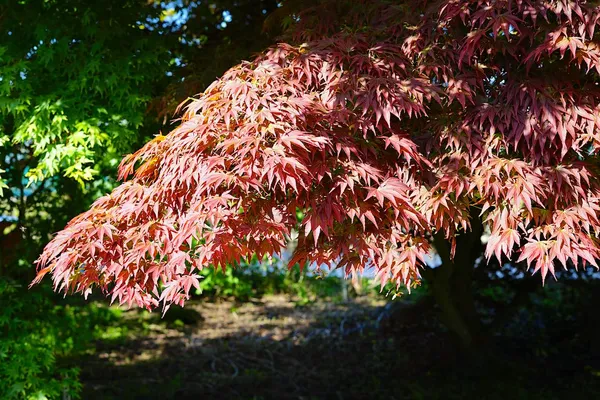
The Japanese maple (Acer palmatum) is perfect for a small garden, in a pot, or on the balcony. It is a small shrub or tree with beautiful palm-shaped leaves that change color throughout the year. Of course, there’s the spectacular fall color, but the whimsical growth habit of the trunk and branches is also worth admiring. The blooms are usually unremarkable, yet an Acer still brings plenty of color to your garden. Acer palmatum is deciduous, but even in winter you can still enjoy its beautiful shape and densely branched crown—or, in some varieties, its brightly colored branches. But should you prune a Japanese maple? And how exactly do you prune Acer palmatum? We’re happy to tell you more about it in this article.
When should you prune a Japanese maple?
Actually, you don't need to prune a Japanese maple. Of course, you can trim off a shoot or a thin branch every now and then, and in the spring you can prune away branches that have suffered frost damage, but other than that, little to no pruning is necessary.
Do you still want to prune your Japanese maple? Perhaps because the variety you chose is actually growing too large for its spot in your garden? Or because your old Japanese maple is getting quite tall now? If so, wait until after the fall foliage has changed color. Once the leaves have fallen, you can prune it. The best time to prune Japanese maples is from November through January, when the plant is in full winter dormancy.
In (late) spring, once the risk of frost has passed, dead branches (caused by frost damage) can be pruned.
In the summer, you can prune lightly if necessary. Be sure to avoid cutting off thicker branches if possible. Pruning in the summer will encourage less rapid new growth.
When should you definitely not prune an Acer?
Do not prune Acer palmatum in early spring. Sap flow has already resumed by then, and your maple may bleed profusely after pruning. Although a tree or shrub usually does not bleed to death, this can cause problems and infections, and it weakens the plant.
Do not prune during a winter frost or when it is very hot in the summer.
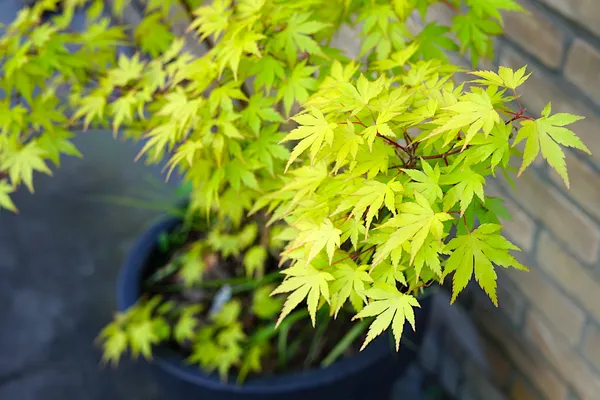
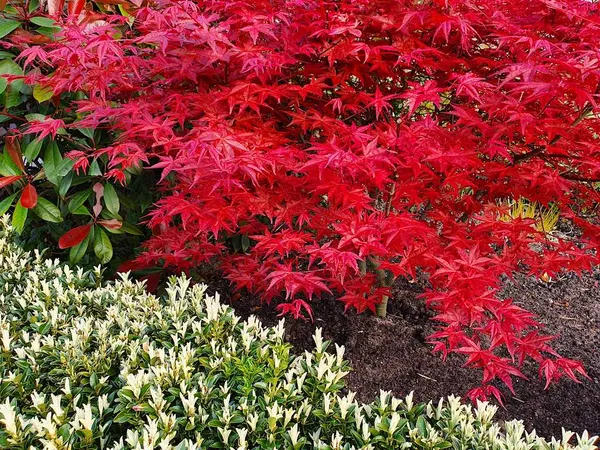
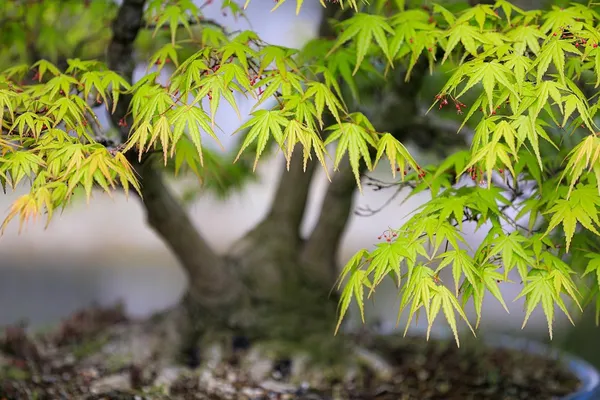
How do you prune Acer palmatum?
Japanese maples have a beautiful and almost elegant growth habit. They generally don’t require much pruning. If you do want to prune them, it’s best to do so when the maple is fully dormant for the winter.
- Prune away crossing, diseased, and dead branches. With maples, it’s common for an entire side branch to suddenly die off.
- Prune any branches that disrupt the tree's shape.
- If necessary, prune long, upright shoots with few side branches back to a side branch. With maples, it may actually be better not to prune these branches, because they will usually thicken and branch out more after several years.
- It is best not to prune too severely. While small branches can be pruned back without any problem, doing so to larger branches will certainly compromise the tree's shape.
Can you prune back an Acer palmatum that has grown too large?
Japanese maples should not be pruned heavily. Not only does this compromise their beautiful natural shape, but Acer palmatum often reacts poorly to drastic pruning. Therefore, consider pruning in stages when you’re rejuvenating the tree. For example, never prune more than one large branch on one side of your tree.
If you want to reduce the size of a Japanese maple that has grown too large or too tall, select the longest branches and prune them back to an outward-growing side branch, within the shape you desire.
Keep in mind that heavy pruning of Japanese maple often results in vigorous regrowth.
Of course, it's best to choose the right type of Japanese maple for your garden or balcony in advance, so you can be sure it won't grow too large, too wide, or too tall.