
When Should You Fertilize?
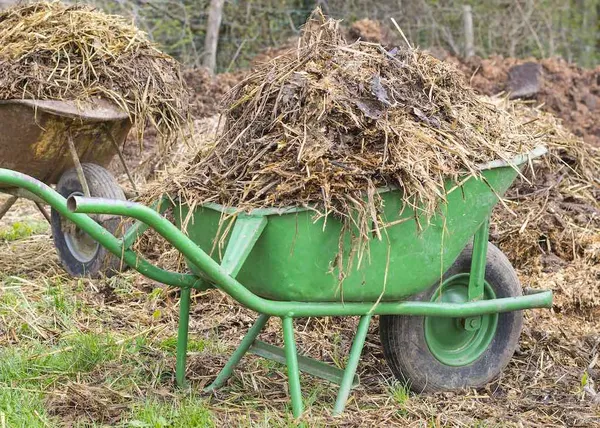
To grow properly, plants need sufficient nutrients.
Of course, the amount of nutrients a plant needs varies by species. Most plants in an ornamental garden—and, in fact, all plants in a fruit and vegetable garden—benefit from adequate fertilization.
Be sure to read the blog post: What Types of Fertilizers Are There?
When should you fertilize your plants?
The best time to fertilize plants is around March or April.
When the trees and plants start to sprout again, they can often benefit from the extra boost provided by proper fertilization. This application of fertilizer in (early) spring is often referred to as the first fertilization.
Plants that are fertilized in the spring:
- Trees
- Fruit Trees
- Hagen
- Shrubs
- Small Fruits
- Perennials
- Lawn
- Annuals
- Vegetable Garden
- Roses
Second Fertilization
Depending on the type of plant, a second fertilization may also be necessary later in the season. This is often around June or July.
Plants that are fertilized (again) in the summer:
- Hagen
- Roses
- Container Plants
- Perennials
- Annuals
- Lawn
- Vegetable Garden
More than 2 applications of fertilizer
Some plants can really use a lot of fertilizer. For example, the lawn needs to be fertilized more than twice. That’s not surprising, of course, since it’s mowed every week. Plants in pots or containers also often need more nutrients, especially if they’re expected to produce a harvest. The vegetable garden, of course, can also benefit from more frequent fertilization. Exotic plants like bananas also benefit from extra nutrients, as do annuals.
Should I fertilize new plants?
It’s best not to fertilize young plants and new plantings just yet. Fertilizer is often too concentrated and can damage the root hairs. For this reason, planting in fertilized garden soil is definitely not recommended. Planting soil or potting soil is better suited for this purpose. Furthermore, fertilizer can cause young plants to grow too quickly, preventing them from first devoting all their energy to establishing themselves properly.