
When is the best time to transplant evergreen shrubs and trees?
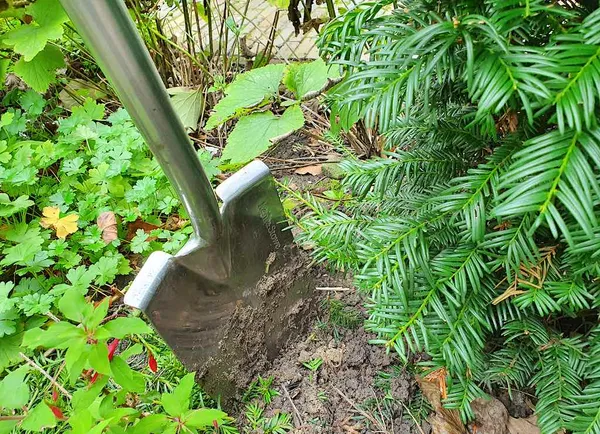
Is a tree or shrub getting too big for that spot in your garden?
Is there a particular spot where a plant just won't grow well? Or does that evergreen plant simply no longer fit into your (new) garden plan, and do you have another spot for it?
Then you can carefully transplant the evergreen tree or shrub. However, this always carries a risk. There’s a chance the plant might not survive. It may also fail to bloom for a year, or the tree may produce significantly fewer leaves for an extended period.
To minimize the risk of the plant dying, it’s best not to move an evergreen plant at just any time. It’s also a good idea to take a few precautions when repotting it.
When is the best time to transplant an evergreen tree or shrub? And how do you do it?
Evergreen trees and shrubs are best transplanted around September and October
In late September and October, the soil is still warm, but it usually doesn’t get very hot anymore. There’s also often more rain (which greatly reduces the risk of drought). For many evergreen plants, this gives them enough time to take root before winter.
March and April are also good times to transplant evergreen trees and shrubs
Late March or early April is also a good time to transplant evergreen plants. By then, the soil has already started to warm up, and temperatures are gradually rising. There is usually still enough rain, which helps prevent the plants from drying out too quickly. However, warm and dry springs have become increasingly common in recent years.
Plants that aren’t fully hardy are best transplanted in late spring. That way, they’re less susceptible to frost damage, and the plant has the longest possible growing season. If there’s still a chance of a late (night) frost, be sure to protect these plants.
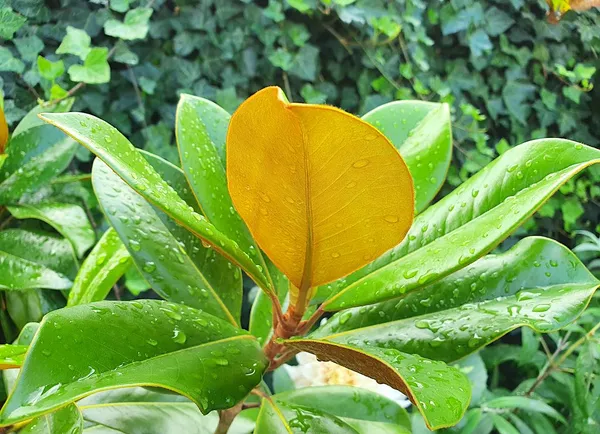
Tips for Transplanting Evergreen Shrubs and Trees
- Before you move a plant, it’s obviously important to check whether the intended location is suitable for that specific tree or shrub.
- It's best to choose a day that isn't too sunny for the move, and preferably not a very hot week.
- Water the plant a little more in the days leading up to digging it up, so that it is less susceptible to drying out.
- Try to dig up as large a root ball as possible.
- Young trees and plants are easier to move than older and larger trees and plants.
- Be sure to water generously in the weeks following transplanting (at least 1–2 times a week). Continue to do this for the rest of the growing season, and then start again in the spring.
- Prune the plant back significantly after transplanting it. A good rule of thumb is that the crown shouldn't be much larger than the root ball. This will help prevent excessive loss of energy and moisture after transplanting.
- When transplanting, you can also add a special root powder (mycorrhiza), which may help the plant establish itself more quickly. If you use this, it’s best to sprinkle the powder into the planting hole, but also—and especially—rub it into the root ball.