
What kind of fertilizer do you need for your garden?
Plants, trees, and shrubs will only grow well and stay healthy if they receive sufficient nutrients. Plants get most of their nutrients from the soil, but it may be necessary to provide additional nutrients—especially in nutrient-poor soil, or when a lot is demanded of the plants, such as with hedges and fast-growing plants. For potted plants, fertilization is essential. There are various types of fertilizers, ranging from organic to synthetic. Each fertilizer also has a different composition, which means the effects of fertilization can vary.
What types of fertilizer are there?
There are several ways to fertilize plants. Spring is a good time to fertilize. However, multiple applications of fertilizer may be necessary to achieve good results.
Organic Fertilization
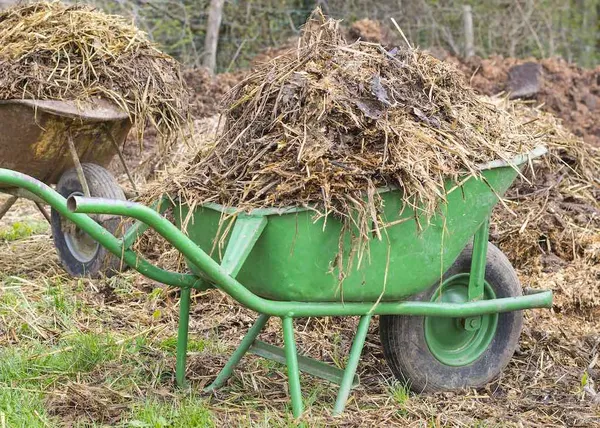
Organic manure is a natural fertilizer made up of animal and plant waste. Examples include (old) barn manure, chicken manure, and mushroom compost. Important: Never use fresh manure!
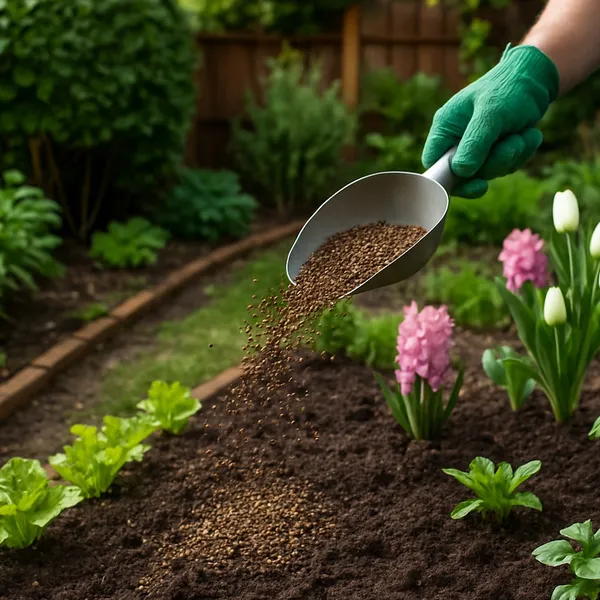
These are slow-release fertilizers that also improve soil quality. They are often available in powder form or as granules.
Fertilizer
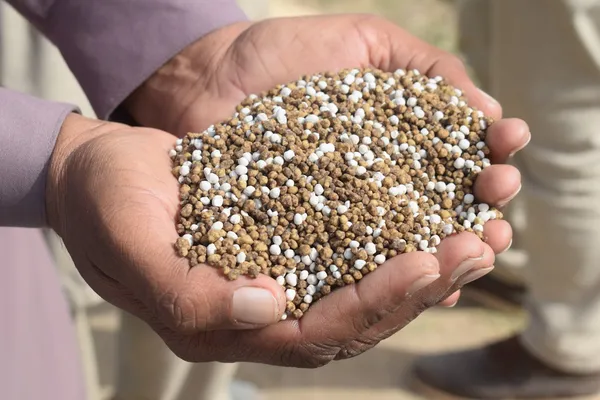
Artificial fertilizer is not natural fertilizer; it is chemically synthesized. There are countless varieties and brands available. Artificial fertilizer often consists of small (colored) pellets or granules.
In general, these are fast-acting fertilizers that do not necessarily improve soil structure. Frequent use can even cause the soil to become depleted more quickly. The advantage is that these fertilizers are often well-suited to the intended use and desired outcome (although, of course, this can also simply be attributed to the basic composition).
Compost
In addition to organic fertilizer and chemical fertilizer, adding compost is another option. However, it won’t do much as a nutrient source. It is, however, an excellent soil conditioner. Compost is also ideal as a mulch layer. Compost is made from plant and food scraps, pruning waste, etc. See also how to make your own compost.
Liquid Fertilizer
Liquid fertilizer is also a good way to (continue to) nourish plants. Liquid fertilizer is particularly well-suited for promoting flower and fruit production. With liquid fertilizer, the nutrients reach the roots more quickly. You can easily combine this with watering. In many cases, a universal liquid plant food is ideal.
Seaweed as Fertilizer
Liquid seaweed fertilizer is also becoming increasingly available at higher-end garden centers. This is another good way to fertilize hungry plants. If you live near the ocean, you could even make it yourself. However, it’s important to make sure not too much salt remains in the solution.
Making Your Own Liquid Fertilizer
Although you can buy various types of ready-made fertilizers at your garden center (such as tomato fertilizer), you can also make your own. For example, you can use comfrey leaves and let them break down in a bucket of water. Over time, a foul-smelling brown liquid will form. You can apply this to your plants in need of nutrients, but don’t forget to dilute it sufficiently with water!
The leaves of comfrey (Symphytum), eagle fern (Pteridium), borage (Borago), clover (Trifolium), ragweed (Senecio), and stinging nettles (Urtica) are suitable for making your own liquid fertilizer.
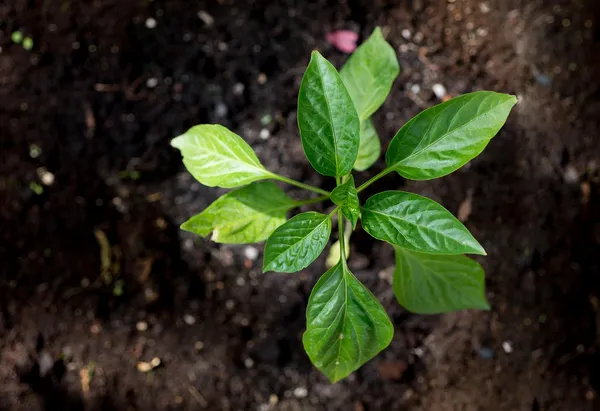
Fertilizer Composition: What Does NPK Mean?
You’ll often see “NPK” on fertilizer packaging, with a number following each letter. This represents the ratio of nitrogen (N), phosphorus (P), and potassium (K). These are the most important nutrients for plants. The numbers indicate the percentage of each element. In other words, an NPK of 7-3-6 means 7% nitrogen, 3% phosphorus, and 6% potassium.
What is the role of nitrogen (N) in plant nutrition?
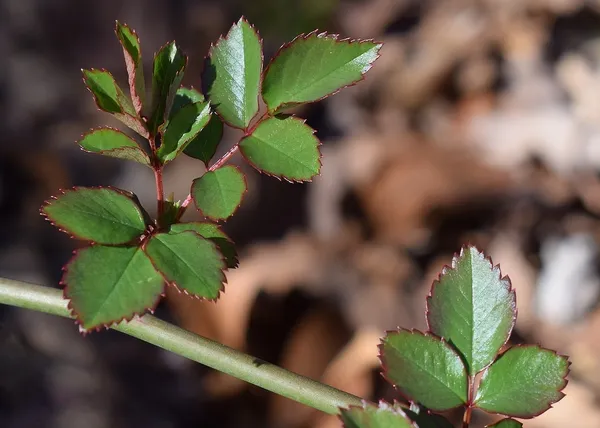
Nitrogen promotes leaf growth and the green parts of a plant. This makes it ideal for foliage plants and evergreens.
What is the role of phosphorus (P) in plant nutrition?
Phosphorus promotes root growth. Good for new plantings.
What is the role of potassium (K) in plant nutrition?
Potassium promotes strong, healthy plants that bloom well and produce a good crop. Perfect for flowering plants and fruit.
Have you fed the plants yet?
Now you know what types of fertilizer you can use and how to choose the right fertilizer composition. This will help you grow strong, healthy plants in your garden!