
What kind of fertilizer do potted plants need?
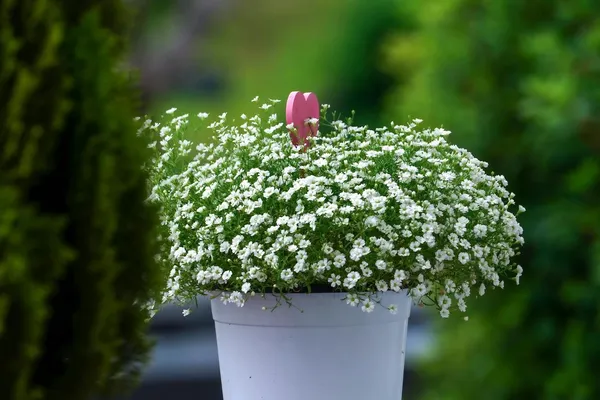
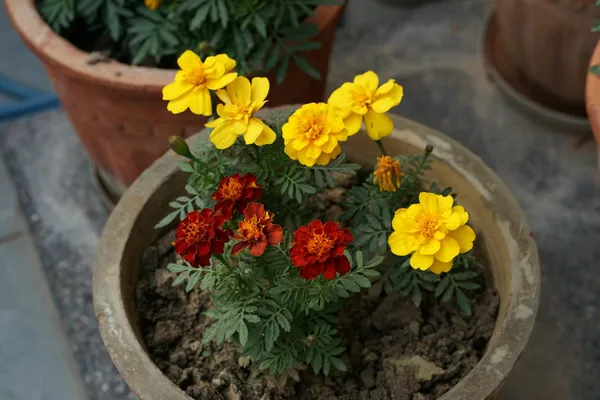
Are the plants in your pots and planters looking vibrant again? Do they have a beautiful, healthy green color, are they growing well, and are they blooming nicely? No? Your potted plants might need fertilizer. Potted plants don’t grow well without fertilizer!
Why is nutrition important for plants in pots and containers?
Proper nutrition (fertilization) is especially important for potted plants, because they cannot draw the necessary nutrients from the soil. Since the amount of soil in a pot or container is limited, the nutrients are depleted much more quickly. This leads to nutrient deficiencies more quickly, resulting in slower growth, yellow leaves, or leaf drop.
Getting Started: Good Potting Soil
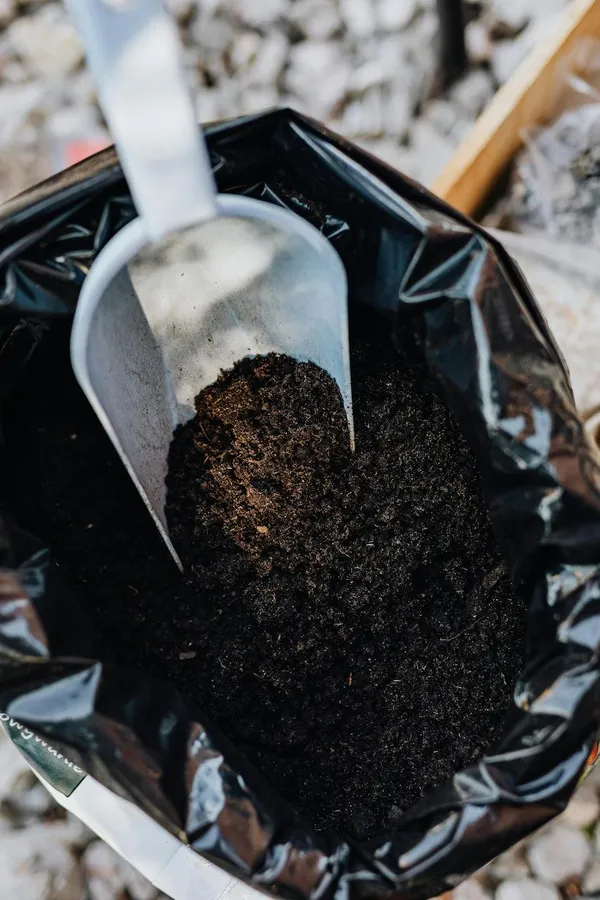
You can prevent many problems by using good-quality, fresh potting soil when planting in a pot or container. Good potting soil already contains enough nutrients for the initial period (sometimes up to 100 days) thanks to slow-release fertilizers. An additional benefit of good potting soil is that it retains water better, which means your potted plants are less likely to dry out. This is less of an issue if you use a larger pot.
If you use good potting soil, your plants won't need any extra fertilizer during the initial period.
What is all-purpose plant fertilizer, and how do you apply it?
Universal plant food is a fertilizer specially formulated to nourish a wide variety of plants. It is a balanced blend of nitrogen (N), phosphorus (P), and potassium (K), supplemented with elements such as magnesium, iron, and calcium. You can use this as a fertilizer for most plants. It is a slow-release fertilizer (it takes a while for the fertilizer to reach the roots).
Apply universal fertilizer during the growing season. It is a solid fertilizer (often in powder or granule form). For dosage and frequency, refer to the information on the package: it’s easy to over-fertilize with solid plant food. The package also explains how to apply the fertilizer. Watering a little after fertilizing helps the nutrients be better absorbed into the potting soil.
What is liquid plant food, and how do you use it?
Liquid plant food is a concentrated solution of fertilizers in water. Just like powdered or granular fertilizers, it is a general-purpose fertilizer. Because it is liquid, the nutrients reach the roots quickly.
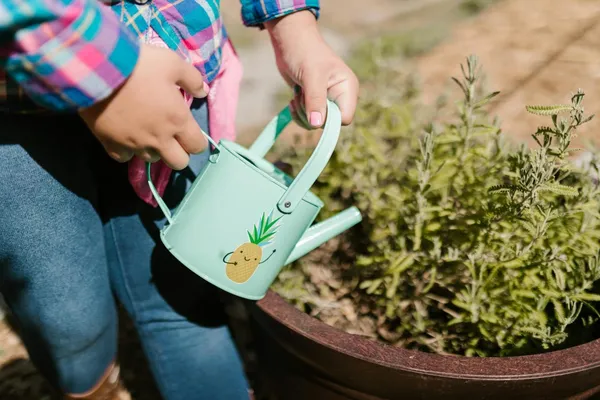
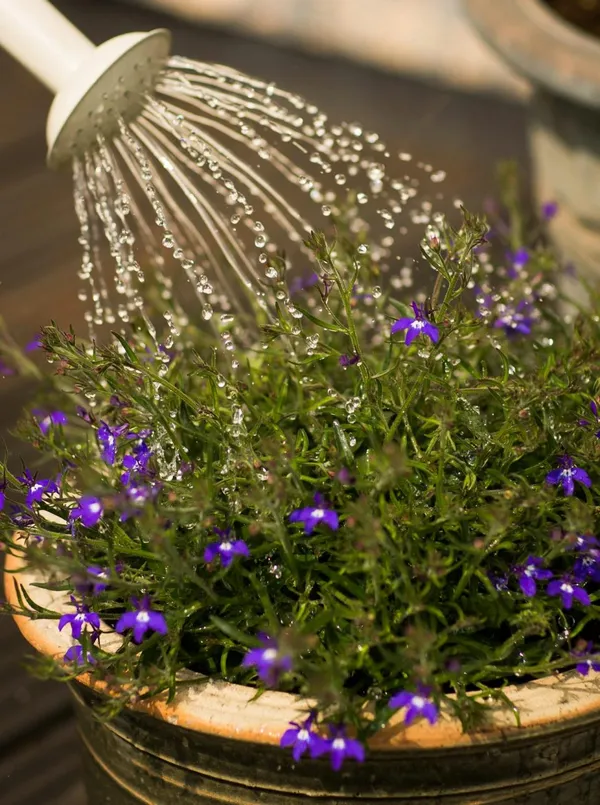
Apply liquid fertilizer during the growing season. It often needs to be diluted with water, which means you can easily combine it with your regular watering routine. Be sure to always check the information on the package for the correct dosage and frequency.
When should you fertilize potted plants, and how often?
You should only fertilize potted plants during the growing season, from March–April through September. While you fertilize plants in the ground twice a year, the frequency is higher for potted plants. After all, they cannot draw nutrients from the soil.
Although the frequency may vary by type and brand, most fertilizers for houseplants are formulated so that you can fertilize weekly or every two weeks during the growing season (March through September). Always check the information on the package, as over-fertilizing is not recommended.
If your plants show signs of disease or dehydration, do not fertilize them. Wait until they are healthy again before fertilizing. It’s also not a good idea to fertilize during a prolonged heat wave. Additionally, fertilized plants consume more water because they grow faster.
What are specialty fertilizers used for? Do you really need them?
In addition to general fertilizers for potted plants, there are also countless specially formulated fertilizers for specific plants and groups of plants. These fertilizers feature a customized NPK ratio and additional nutrients or trace elements, specifically designed for certain plants. Examples include hydrangea fertilizer, fertilizer for fruits and vegetables, or fertilizer for ornamental grasses, hedge plants, etc.
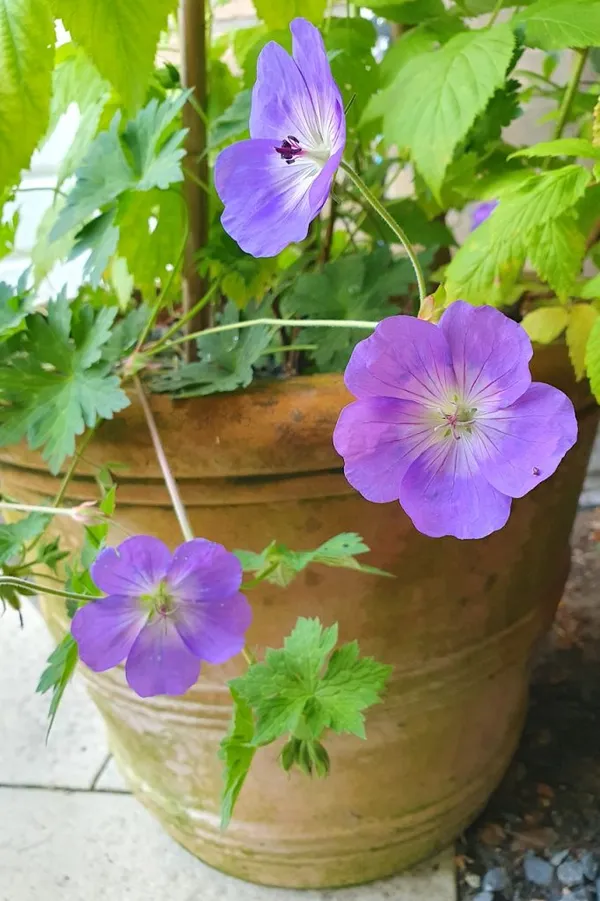
Foliage plants generally need fertilizer with a higher nitrogen content, while flowering plants prefer fertilizer with more potassium.
It can certainly be worthwhile to use specialized fertilizer, especially if you have a lot of similar plants. In the ground, however, you’re more likely to have many plants of the same type, such as a hedge, a hydrangea border, or a perennial border.
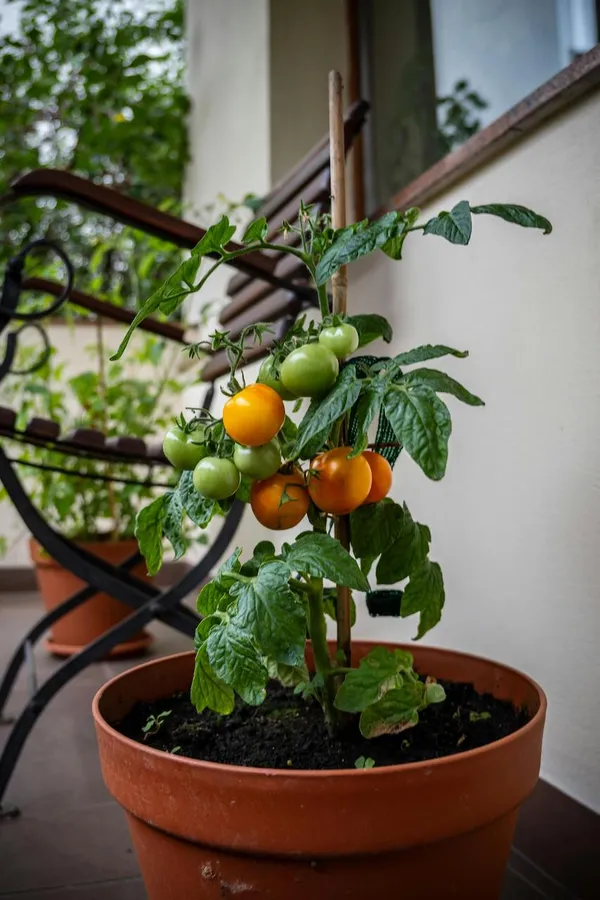
In pots and containers, you may have a wider variety of plants. All-purpose plant food is often a great option. If needed, you could use a different type of fertilizer for fruits and vegetables.
With the right fertilizer, you can enjoy your potted plants for an even longer time
So, during the growing season, provide the right nutrients weekly or every two weeks so that all your potted and container plants will look their best again and you can enjoy them for a long time! Don't forget to water them sufficiently so they can grow to their full potential.
See more tips for plants in pots and containers