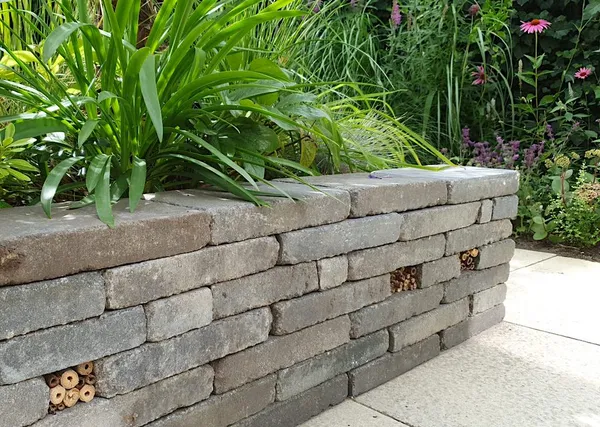
What is well-drained soil, and how do you achieve it?
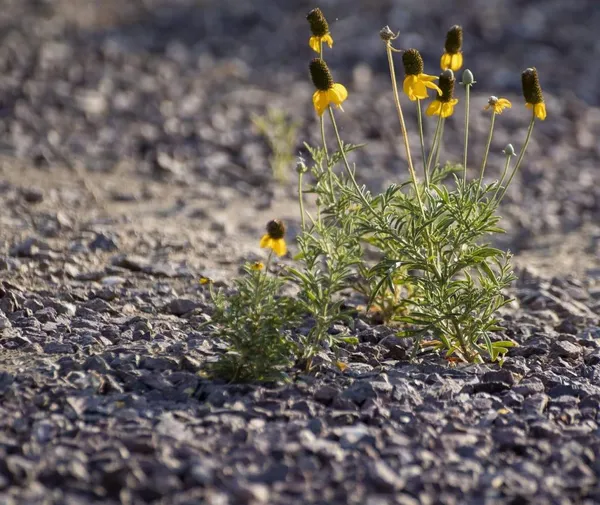
Many plants thrive in well-drained soil. This prevents them from sitting in water for too long after heavy rain or watering. Exotic plants and those that are less hardy or not hardy at all especially need well-drained soil to prevent (frost) damage. But what exactly is this type of soil?
What exactly is well-drained soil?
Well-drained soil is soil that drains well. This means that water runs off quickly and does not pool for long. Another term for permeability is drainage.
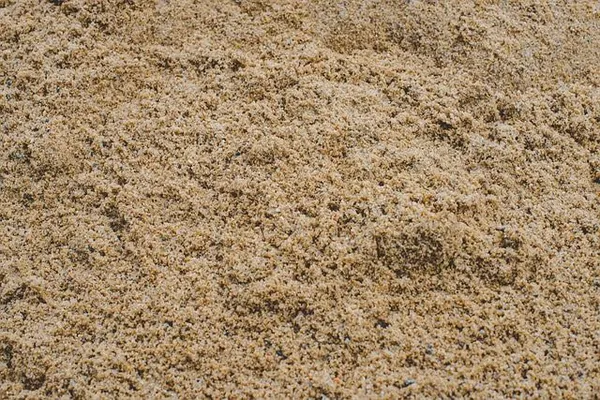
True sandy soil is, of course, a good example of (very) well-drained soil. However, sandy soil on its own is often too nutrient-poor for many plants. It also poses a much greater risk of drying out. In the ideal situation (for many plants), there is a happy medium. This is soil that is (somewhat) nutritious, but where water drains or seeps away fairly quickly.
Which plants require well-drained soil?
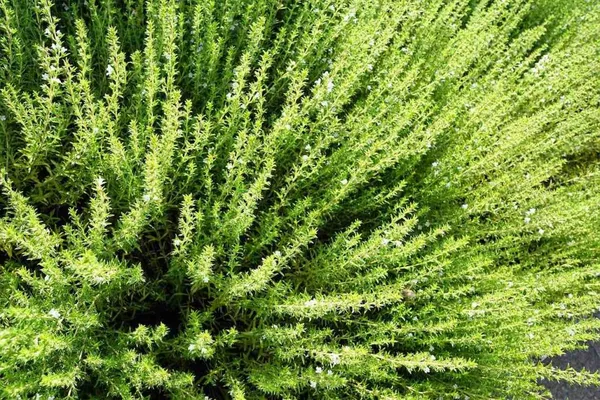
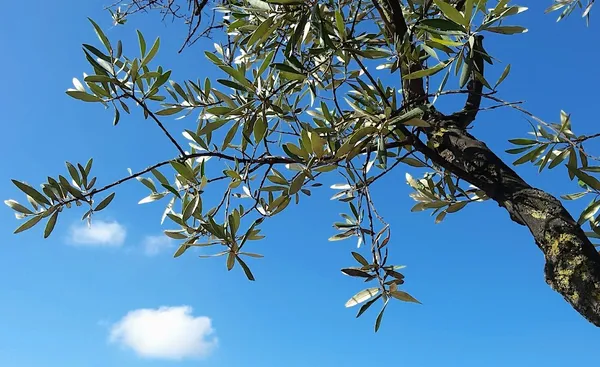
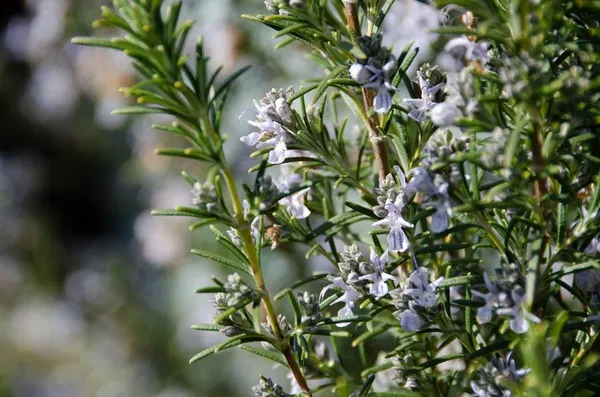
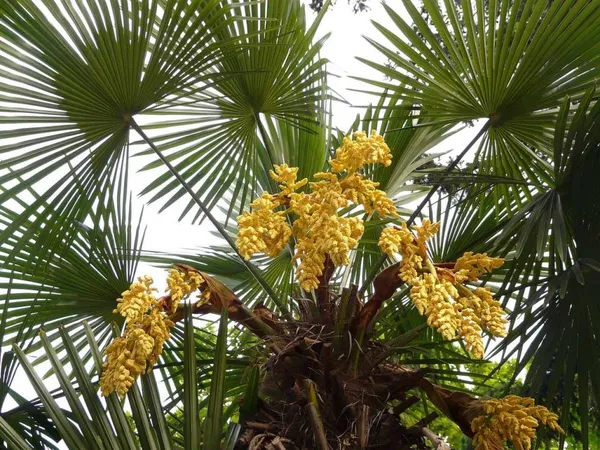
Many plants prefer not to have their roots in very wet soil for too long. This can lead to root rot or (frost) damage. This applies to many perennials and even more so to many ornamental grasses. But the most important group of plants is undoubtedly exotic plants or non-hardy plants (or plants that are less hardy). Think, for example, of exotic plants like palms and banana trees, as well as Mediterranean plants like olives and figs, and herbs like lavender, rosemary, and thyme. Rock plants and succulents also require stony or well-drained soil. Especially in winter, soil that is too wet can cause problems. This increases the risk of plant loss, and less hardy plants are more susceptible to frost damage.
How do you create well-drained soil?
If you don’t have well-draining soil—such as clay, for example—you can still improve it. Keep in mind, however, that truly changing the soil isn’t easy and often isn’t worthwhile in the long run. On a small scale, however, improving the soil is quite feasible. Consider using good planting soil in the planting hole for new plants.
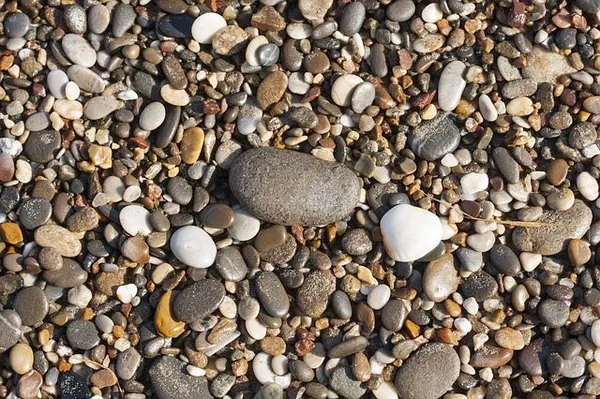
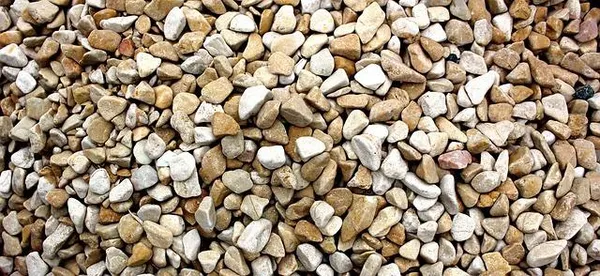
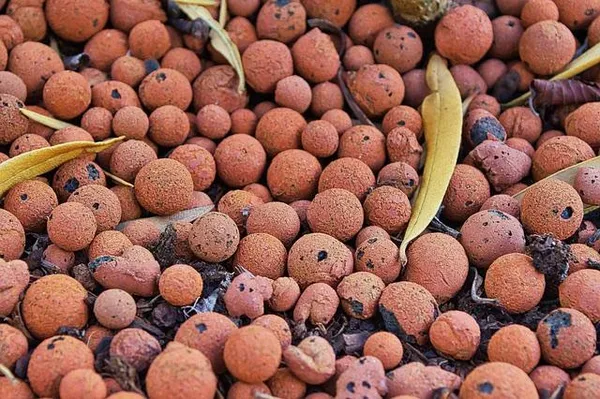
If you're planting plants that require well-draining soil, dig a generously sized planting hole. Add well-draining material such as sand, crushed sand (sand mixed with small stones), gravel or crushed stone, small stones, hydro granules or clay granules, perlite, lava rocks, etc.
Make sure that not only the plant itself is sitting on a layer of this drainage material, but also the area around it. This prevents a kind of wet pocket from forming. Plant it slightly higher than usual. This also prevents the plant from standing in water for too long.
How do you prepare clay soil for Mediterranean plants?
Unfortunately, heavy clay soil isn’t very suitable for many Mediterranean plants and exotic species. The top layer of soil often dries out quickly in the summer (during the growing season), causing water to run off rapidly, but in the winter, water actually remains in the soil for a very long time. This combination is disastrous for many non-hardy plants. A wet winter therefore causes more problems than a cold winter.
Create a raised garden bed or plant in a pot
However, even with clay soil, there’s a solution that lets you grow exotic and Mediterranean plants in your garden: Create a raised bed! A raised bed provides plenty of extra drainage, and you get to choose which soil to fill it with. For example, here are our raised exotic plant bed and olive tree bed. Our palms and olive trees are thriving and survive every winter without any protection!
Of course, you can also plant these plants in a pot. Don’t forget to add a layer of gravel or clay pellets to the bottom of the pot. If they aren’t too large, you can then overwinter them in a frost-free location during the winter. Otherwise, choose a spacious, frost-resistant pot.