
What can you prune in February?
The sun is shining and the temperature is already starting to rise. It’s still only February, but I bet quite a few people are already working in their gardens—or are about to start. All it takes is a little nicer weather, and that itch to get outside starts again… even though it’s still so early. We understand (and know) this feeling all too well!
You can prune many plants in the spring, or in early spring/late winter. For some plants, however, February is still too early to prune: There’s definitely still a risk of frost damage! Which plants can you prune in February without any problems, and which ones should you prune in early spring? And which plants should you definitely not prune right now?
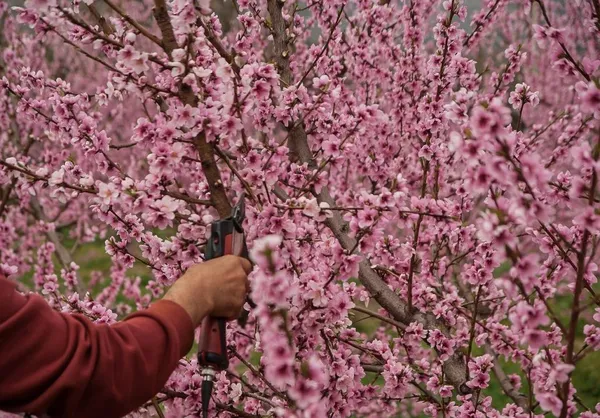
P.S.: Pruning a Prunus while it’s in bloom (as shown in the photo above) is definitely not a good idea! 😀
Which plants can you prune in February?
Traditionally, March is considered the best month for pruning. However, it’s not at all a bad idea to start pruning as early as February. Just be sure to pay attention to which plants you’re pruning. Do not prune ABC trees, stone fruits, nut trees, evergreens, less hardy plants, or early-blooming plants at this time. Wisteria, fruit trees, and late-blooming clematis, on the other hand, are fine to prune. Keep in mind that winter pruning stimulates growth.
Be sure to prune in February
You can safely prune these plants in February. This, of course, refers to winter pruning. After pruning, the plants will sprout fresh growth and produce new shoots as spring progresses. Do not prune during a frost. You can actually prune most of these plants as early as January. Click the link for pruning instructions for the specific plant:
- Currant (Ribes)
- Pruning an Apple Tree (Malus domestica)
- Pruning Wisteria
- Autumn raspberry (Rubus idaeus)
- Ivy (Hedera)
- Pruning Climbing Roses (Rosa; do not prune ramblers at this time)
- Gooseberry (Ribes uva-crispa)
- Quince (Cydonia)
- Late-blooming clematis (Group 3 Clematis)
- Pruning a Pear Tree (Pyrus communis)
- Pruning Panicle Hydrangeas (Hydrangea paniculata)
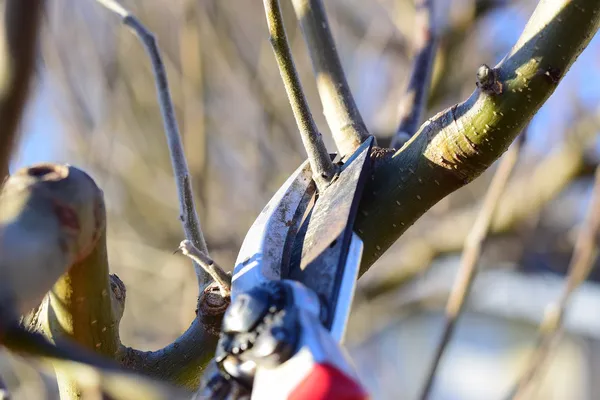
Pruning CAN be done in February
There are several plants that you can prune as early as February. Pruning these plants usually doesn’t cause any problems. However, be careful and do not prune during a frost (or if frost is forecast for the coming days), and preferably not during prolonged wet conditions either. This will help prevent frost damage after pruning. You can also prune these plants in March. Click the link for pruning instructions for the plant in question.
- Annabelle hydrangea (Hydrangea arborescens)
- Garden hydrangea (Hydrangea macrophylla; waiting until the end of March can prevent frost damage)
- Bolacacia (Robinia p. ‘Umbraculifera’; waiting until the end of March can prevent frost damage)
- Pruning the Ball Catalpa (Catalpa b. ‘Nana’; waiting until the end of March can prevent frost damage)
- Pheasantberry (Leycesteria formosa)
- Red dogwood (Cornus sanguinea)
- Pruning roses (Rosa; waiting until the end of March can prevent frost damage)
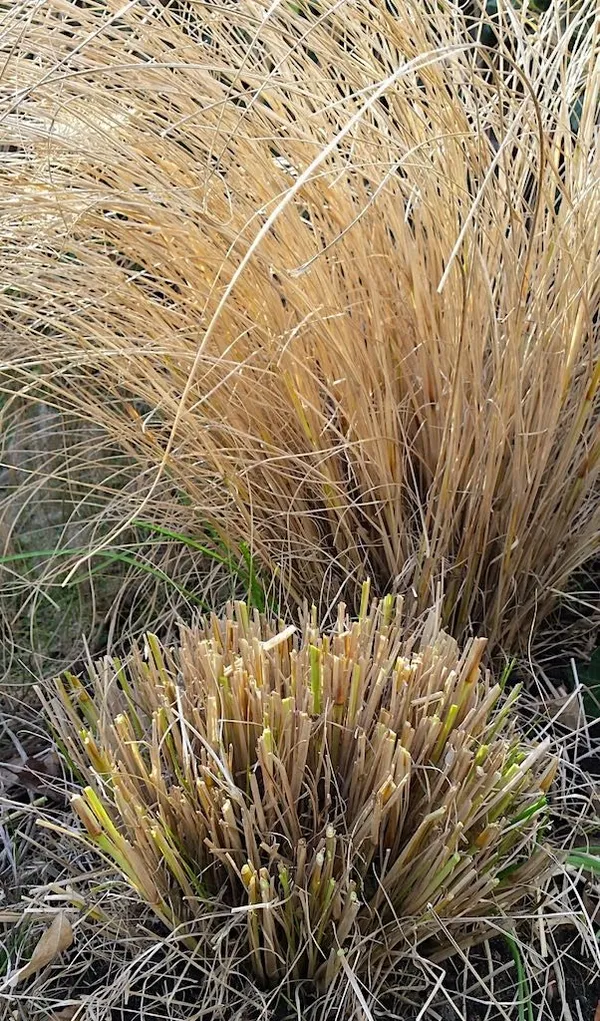
- Pruning ornamental grasses (Miscanthus, Pennisetum, Cortaderia, etc.; when new shoots start to appear, it's time to prune)
- Pruning Perennials (It's Best to Wait Until March)
- Pruning a fig tree (Ficus carica; prune no later than February, preferably as early as December or January)
- Pruning the butterfly bush (Buddleja davidii; waiting until the end of March can prevent frost damage)
- Willow (Salix; do not prune during flowering; can also be pruned in March)
- Hardy Fuchsia (Fuchsia magellanica)
- Winter Dogwood (Cornus alba)
DO NOT prune in February
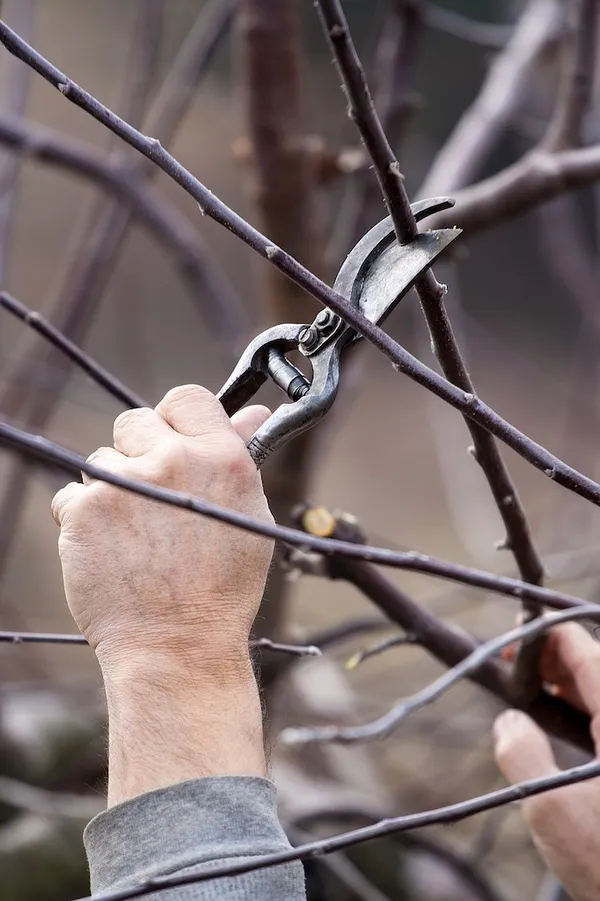
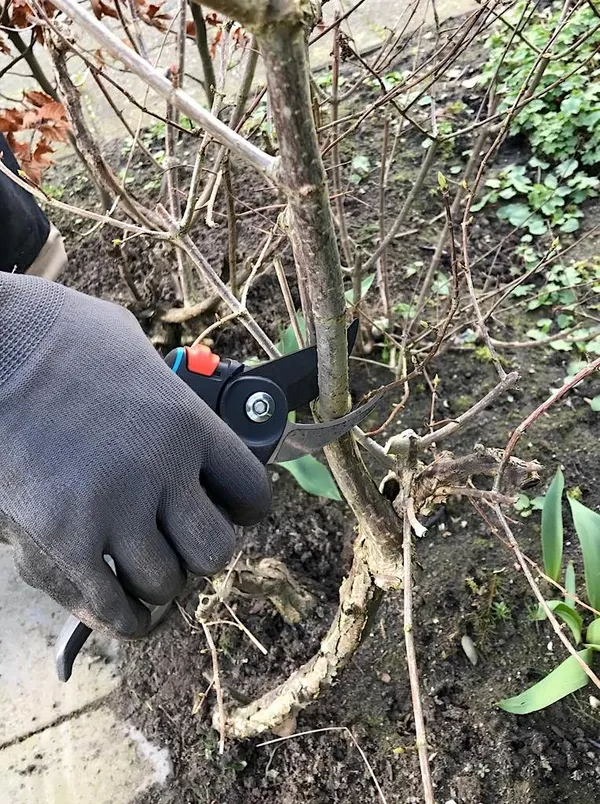
Do not prune ABC trees (Acer, Betula, and Carpinus), stone fruits (Prunus), nut trees, evergreens, less hardy plants, or early-blooming plants in February (click the link for the correct pruning instructions for the plant in question):
- Apricot tree (Prunus armeniaca; in summer or immediately after harvest)
- Pruning an almond tree (Prunus dulcis; in summer or immediately after harvest)
- Birch (Betula; summer or no later than November–December)
- Chinese bellflower (Forsythia; after flowering)
- Pruning Grapevines (Vitis; no later than December–January)
- Maple (Acer; summer or no later than November–December)
- Yellow butterfly bush, Buddleja globosa (summer)
- Evergreen clematis (including Clematis armandii)
- Evergreen plants (Wait until late March–April)
- Hornbeam (Carpinus; May–June)
- Hibiscus or althea bush (Hibiscus syriacus; wait until the end of March to prevent frost damage)
- Japanese maple (Acer palmatum; summer or no later than November–December)
- Pruning Cherry Trees (Prunus avium and Prunus cerasus)
- Kiwi and kiwi berries (Actinidia; available in December–January)
- Pruning Lavender (Lavandula) (wait until late March–April)
- Walnut trees (including Juglans; in summer or no later than September–October)
- Pruning an olive tree (Olea europaea; no earlier than March–April)
- Peach tree (Prunus persica; in summer or immediately after harvest)
- Plum tree (Prunus domestica; summer or immediately after harvest)
- Rambler rose (Rosa; after blooming)
- Rosemary (Rosmarinus; wait until at least March)
- Plants susceptible to frost or less cold-hardy plants (Wait until late March–April)
- Early-blooming clematis (Group 1 clematis; after flowering)
Note: Do not prune during a frost!
Never prune when it’s freezing, and preferably not if freezing temperatures are expected that week. Night frost is usually not a problem, except for plants that are not hardy or less hardy. Pruning in wet conditions is also not recommended. This helps prevent problems such as frost damage or infections in the pruning wounds.
Pruning removes old plant debris or dead wood, effectively stripping away the first layer of protection against frost. It also encourages the growth of new shoots, which are particularly susceptible to frost damage.
Do you also prune in early spring?
Comment on this article below and tell us when you start pruning each year.