
What can you do to control aphids, and how can you prevent them?
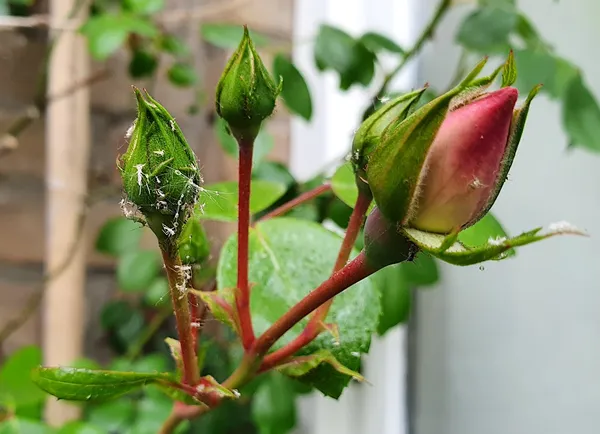
Aphids seem to be becoming more and more common in recent years. The mild winters may be a factor, but the dry and warm weather certainly contributes to this increase. Plants can be completely covered with a thick layer of aphids. You often see them on a plant alongside ants. Aphids can cause quite a bit of damage to young plants. They suck the sap from the stems and leaves of your plant. While this won’t kill the plant immediately, it will weaken it and stunt its growth.
What types of aphids are there?
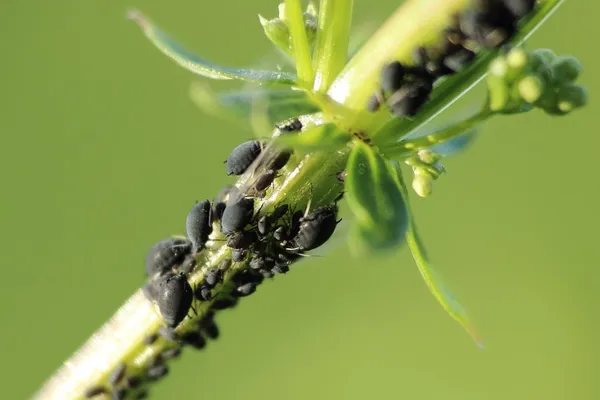
There are many different types of aphids, each with its own host plants. There are white aphids, black aphids, green aphids… Well-known species include the green aphid, black aphid, mealybug, scale insect, rose aphid, beech aphid, and red aphid.
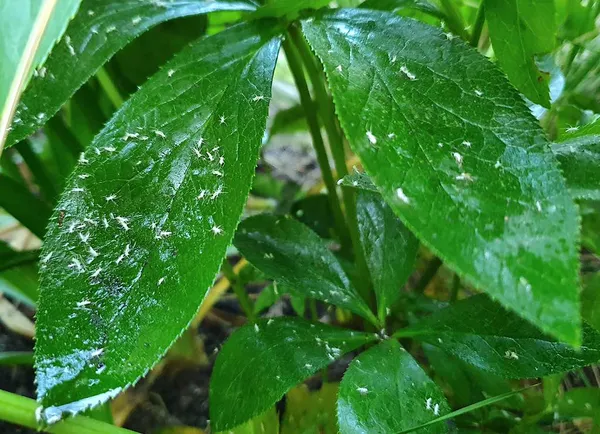
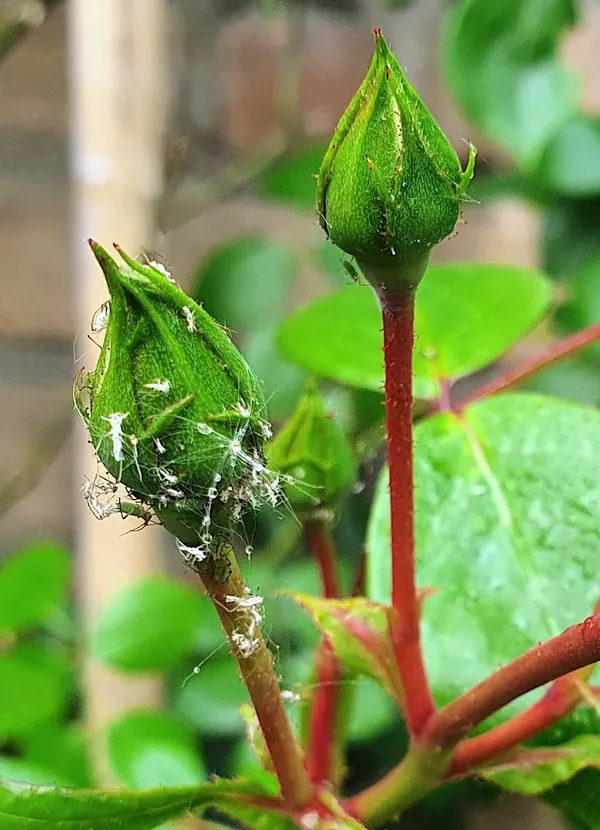
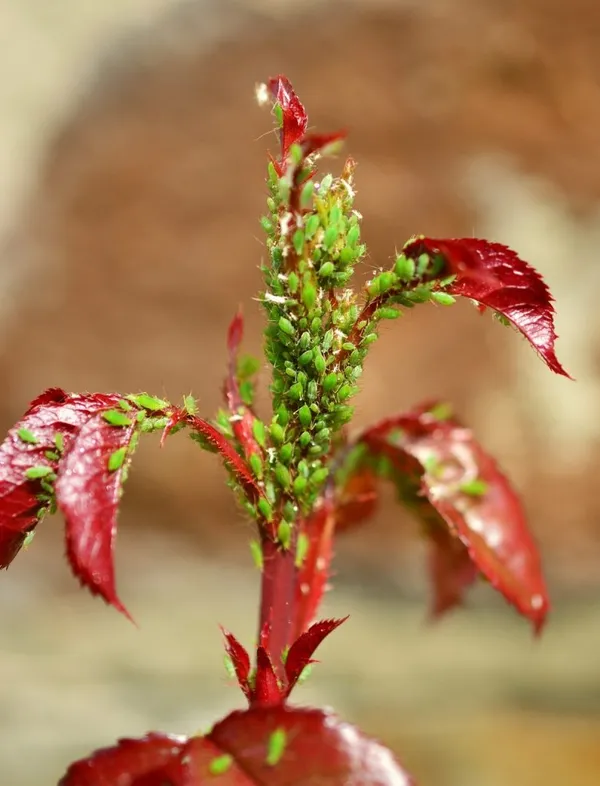
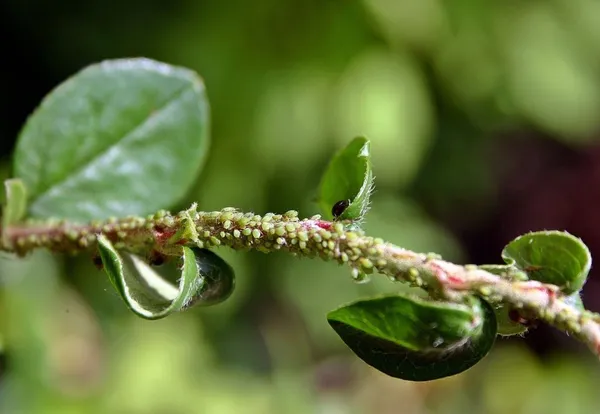
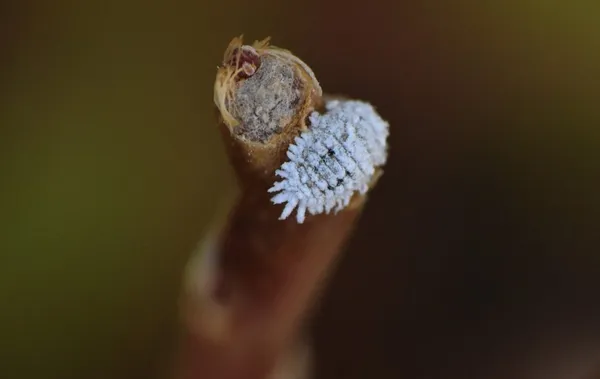
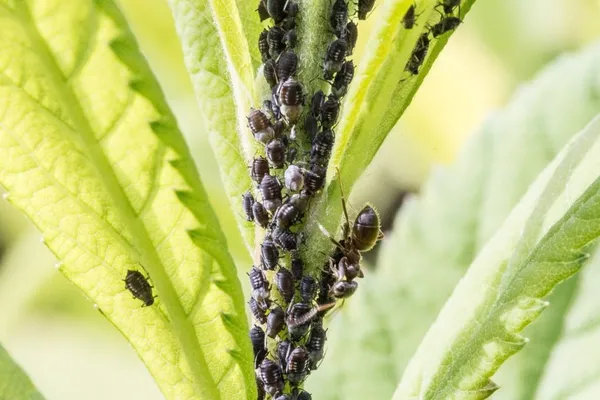
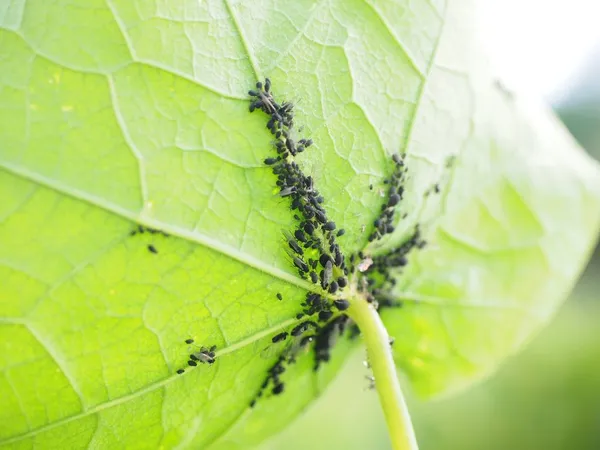
Are aphids harmful?
If there aren't many aphids on your plants and they're healthy, it's perfectly fine to let nature take its course. The plants will usually handle this just fine. However, if aphids are present in large numbers in your garden, or if they're visibly weakening your plants, you may need to take action.
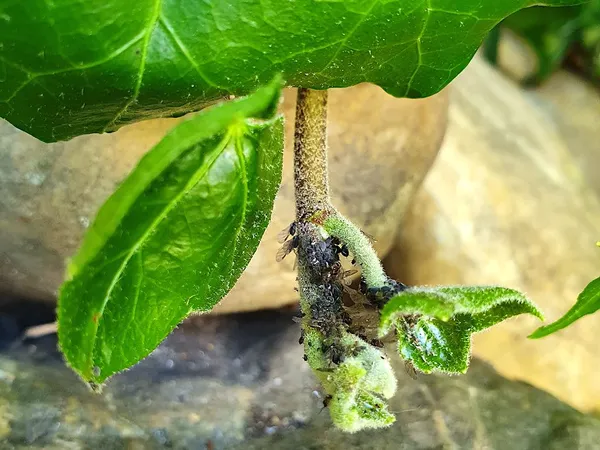
Aphids feed on the sap from the plant's leaves and stems. This weakens the plant and can cause leaf deformation or damage. The leaves may curl up, or bumps may appear on them.
Because aphids leave behind a sticky, sweet secretion (honeydew), sooty mold develops. This further damages the leaves. The honeydew also attracts ants. Since the ants benefit from the sweet secretion, they will protect the aphids from predators such as ladybugs.
All of this causes the plant to weaken further and slows its growth. In the case of a severe aphid infestation, a plant may even die. In most cases, however, this involves plants that were already weakened before the infestation—for example, because the growing conditions were not ideal or because the plant had become dehydrated.
How can you control and prevent aphids?
Some plants are susceptible to aphids. Examples include roses, beech trees, dahlias, hydrangeas, bamboo… However, aphids can infest almost any plant.
Aphids cause the most damage to plants that are already weakened. So make sure your plants are in a suitable location and that they are in good condition, with the proper care.
The tender tips and new shoots of plants are a favorite food source for aphids.
The weather plays a major role in the spread of aphids in the spring. When the weather is warm and dry, an aphid infestation can develop quickly. Cool and wet weather limits the spread of aphids.
Tips for Preventing Aphids
- Weakened plants (for example, due to dehydration or an unsuitable location) are particularly vulnerable
- Over-fertilizing plants attracts aphids
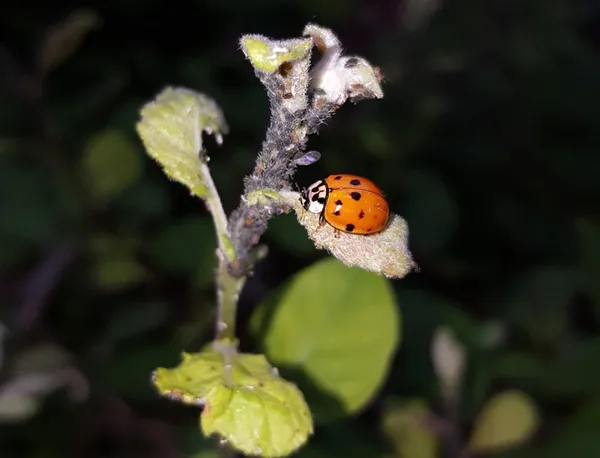
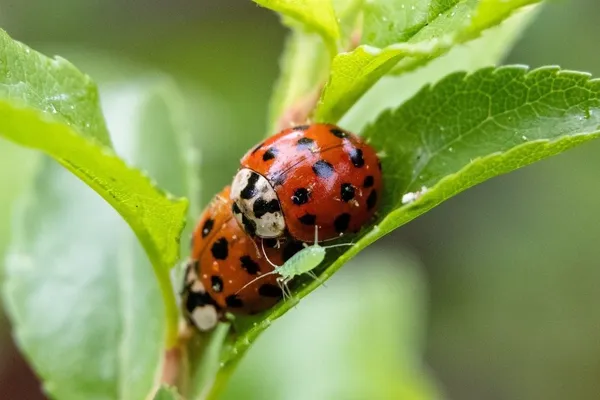
- The nectar from flowering plants attracts insects that, in turn, feed on aphids, such as ladybugs, parasitic wasps, lacewings, and earwigs
- Provide hiding places in your garden where aphids' natural predators can overwinter
- Make your garden attractive to birds. Some birds eat aphids, such as great tits, blue tits, and sparrows
- Place strongly scented plants near plants that are susceptible to aphids (such as sage, thyme, lavender, hyssop, lemon balm, dill, and garlic)
Controlling Aphids
- Rinse aphids off your plants with a stream of cold water. Use a plant sprayer or garden hose (but make sure you don't damage your plants with a stream that's too strong).
- A solution of water and green soap, rubbing alcohol (not very good for the soil or the environment), or nettle liquid fertilizer would also work. We don't have any personal experience with these, though.
- Rinsing with water (with or without additives) must be repeated regularly to be effective.
- Introduce ladybugs or parasitic wasps. These days, you can buy eggs or larvae (or move the ladybugs if you see them). Or make a real insect garden to attract these beneficial little creatures.
- Keep ants away from the area, since they will seek out the aphids and protect them from their natural enemies.
- If you want to use a pesticide against aphids (which, in most cases, isn’t necessary at all), at least use an organic product. Be very careful here, because many products are also harmful to animals that eat aphids (such as birds, parasitic wasps, and ladybugs).