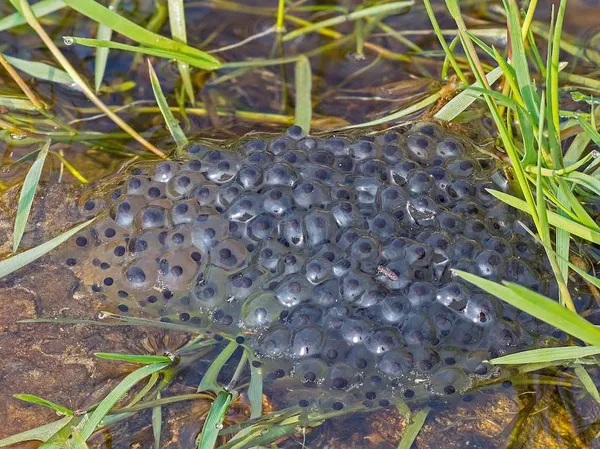
Water in a Small Garden?
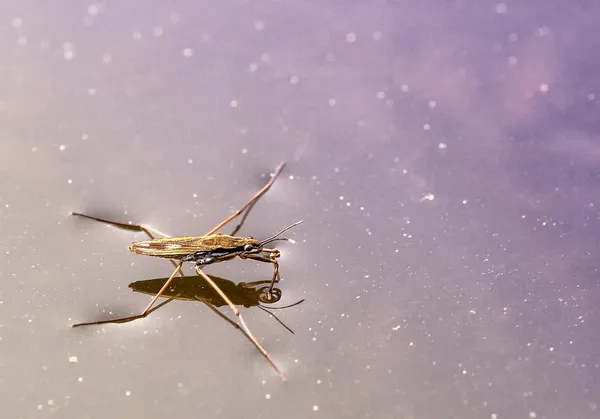
Water is definitely a great addition to your garden!
It's too bad this is only possible in large gardens… Right?
Fortunately, it’s entirely possible to incorporate water features even in a small garden—from a small water bowl or mini-pond to a full-fledged pond. With a little planning, there are so many possibilities!
A Water Bowl
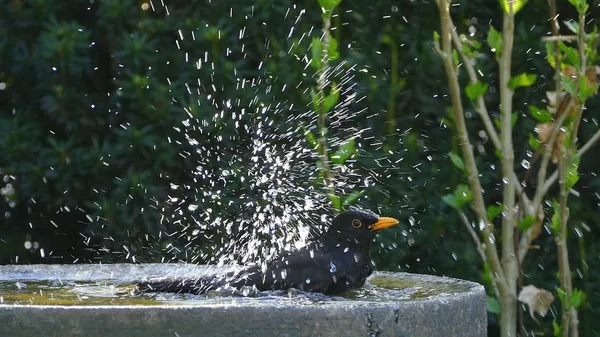
By far the easiest or quickest way to provide water in your garden is to place a water bowl there. Choose a quiet corner of the garden where you won’t be bothered by cats, for example. That way, animals can come here to drink, or birds can enjoy a dip in the water.
The ideal water dish shouldn't be too deep, so that there's just a shallow layer of water. Be sure to change and refill the water regularly (for example, daily).
Mini Pond
Don't have room for a real pond? There's (almost) always room for a mini-pond!
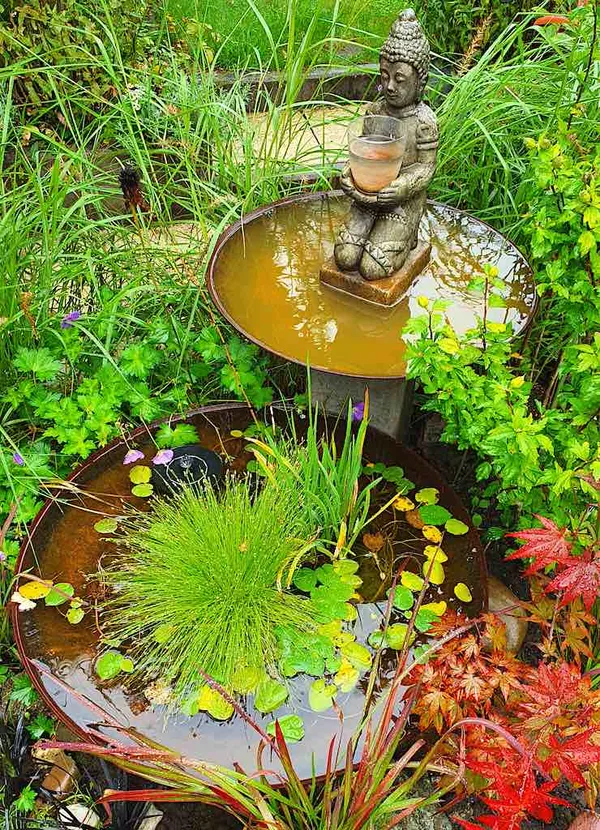
With a sturdy pot, container, or tub, you can easily create your own mini-pond. Since this type of pond is often much shallower, it’s best to choose a spot that gets a little less sun to limit excessive algae growth. Plant the mini-pond with plenty of oxygenating plants and perhaps one or two other plants, such as a small iris variety and maybe another dwarf water lily.
A mini-pond works great on a patio, for example in a nice (and sturdy) watertight tub or container. But of course, you can also dig it into your flower bed. This makes it much easier for animals to enjoy it. Plus, you can easily conceal any less-than-attractive edges with gravel, boulders, an overhanging tile, or trailing clumps of grass.
A water element
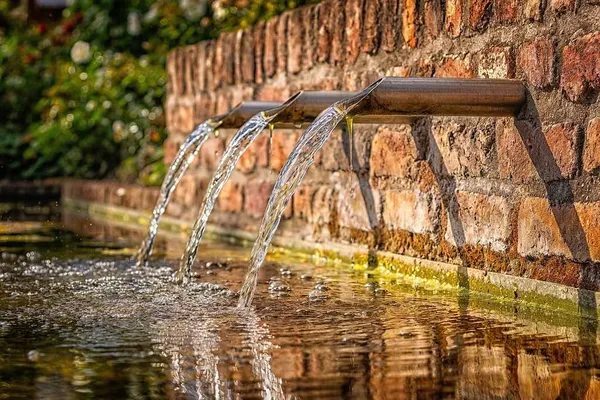
Are you mainly looking for the soothing sound of water for your garden? If so, a water feature might be a good option. Consider, for example, a small fountain, a mini waterfall, or a millstone (a boulder or large stone from which water flows, then runs over the stone and can be collected again in a water reservoir).
Small pond
It’s possible to build a pond even in a small(er) garden. Keep in mind that a pond needs quite a bit of sun so that aquatic plants, floating plants, and oxygenating plants can grow properly. This will help prevent an algae bloom.
A pond truly adds value to your garden—whether it’s a sleek, modern mirror pond or an organically shaped, natural-looking pond. The water’s surface reflects your garden and the sky, making the garden seem much more spacious. The water attracts many wild animals, such as frogs, toads, dragonflies, and salamanders. Birds love to bathe in the shallow areas, and you might even see a hedgehog come by for a drink.
Having a pond in your garden also gives you the opportunity to grow a whole different variety of flowers and plants. Just think of the beautiful water lilies, or the many options for marsh plants.
Learn more about the best spot for a pond in your garden (coming soon)
Pond Garden
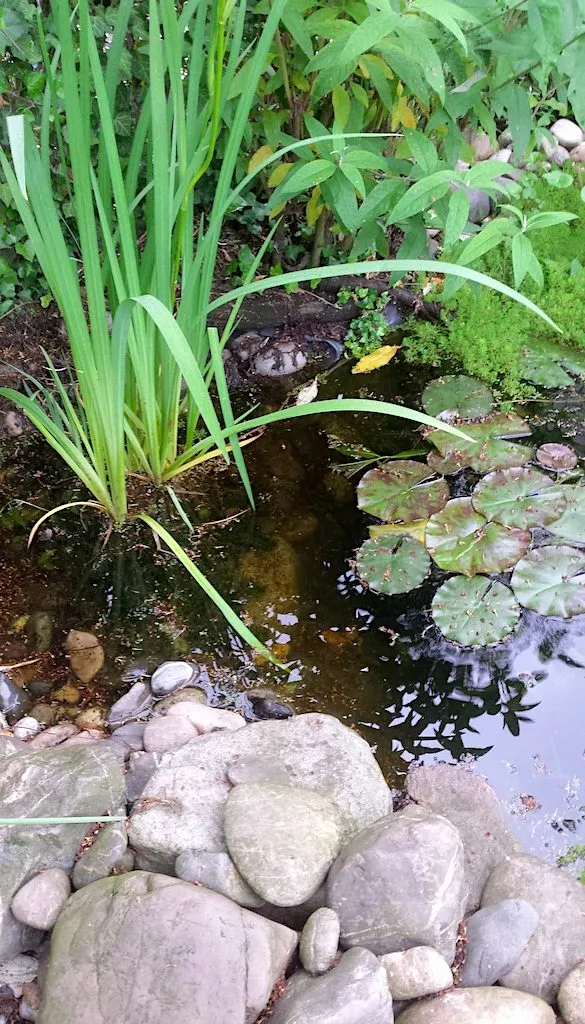
Of course, you could also create a true pond garden, in which the pond plays the central role in the garden design. In a small garden, this is quite a challenge, because you’ll have to sacrifice a lot of space for it. It’s very unusual, of course, but it can still result in a truly special garden.
You can find an example in episode 5 of the British gardening show *Big Dreams Small Spaces*.
Child-friendly and safe pond
It doesn't take a lot of water—or deep water—for a situation to be dangerous for children. To ensure children can play safely in the yard, it's obviously very important to give this careful thought.
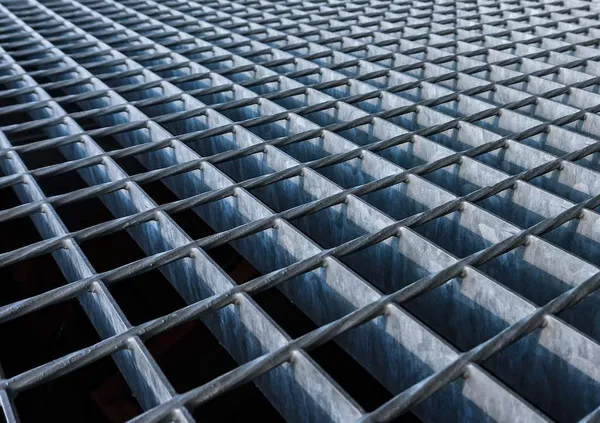
So place the (mini) pond in a part of the garden where young children cannot reach it (for example, enclosed by a fence or wall), or place the pond behind an impenetrable hedge (preferably with wire mesh woven into it). You can also place a sturdy grid over the water (made of metal, for example). You can sink such a grid just a little bit into the ground so that it’s less visible.
Animal-Friendly Pond
Water in the garden quickly attracts many interesting animals to your garden.
Isn't water always good for animals? That's true, but they do need to be able to get out of it on their own.
So make sure there’s a shallow area, a gently sloping edge, or place, for example, a boulder or a small plank that animals can use to crawl out on their own. This also applies to (in-ground) mini-ponds. Furthermore, having sufficient vegetation around the pond is important for animals, so they can come and go from the water unseen. A hiding spot made of boulders or branches greatly increases the likelihood of attracting permanent residents.