
Vertical Gardening: More Greenery in Less Space
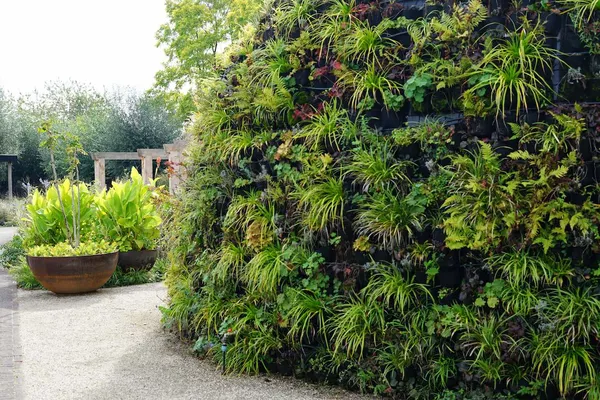
Do you have limited space in your garden, on your balcony, or on your patio, but still want a green environment? Or maybe you’d like to be able to harvest produce from your small garden or balcony? Vertical gardening offers the solution. Instead of letting plants grow on the ground, you let them grow upward against walls, fences, or special structures. This saves space and creates an attractive green wall, even if you can only use a small part of your garden or balcony for this purpose.
Why vertical gardening?
Vertical gardening is popular for several reasons. It saves space, makes your surroundings more beautiful and functional, and allows you to grow fresh herbs and vegetables. It also creates a soothing green environment.
Even a small corner of your garden or balcony can be fully utilized for vertical gardening, allowing you to create a beautiful or productive green wall even with limited space.
What is vertical gardening?
Vertical gardening means that plants grow upward instead of horizontally along the ground. To do this, you can use walls, fences, vertical planters or bags, racks, pallets, and pergolas. Modern systems such as hydroponics use water circulation instead of soil, creating a sleek, low-maintenance green wall—but of course, you don’t have to go that far.
Commonly used synonyms include: green wall, wall garden, vertical planting, or simply a vertical garden.
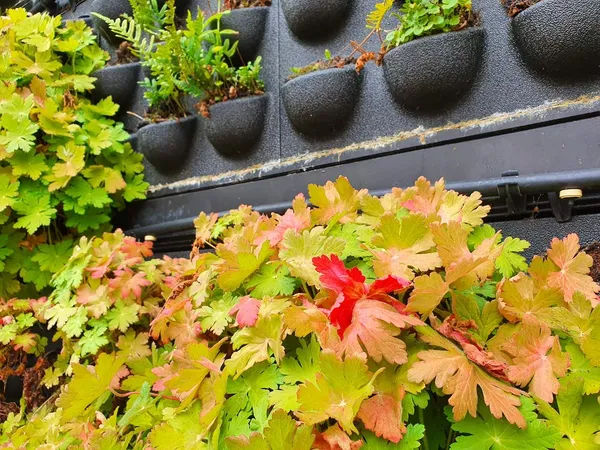
How to Start a Vertical Garden
Step 1: Choose your method
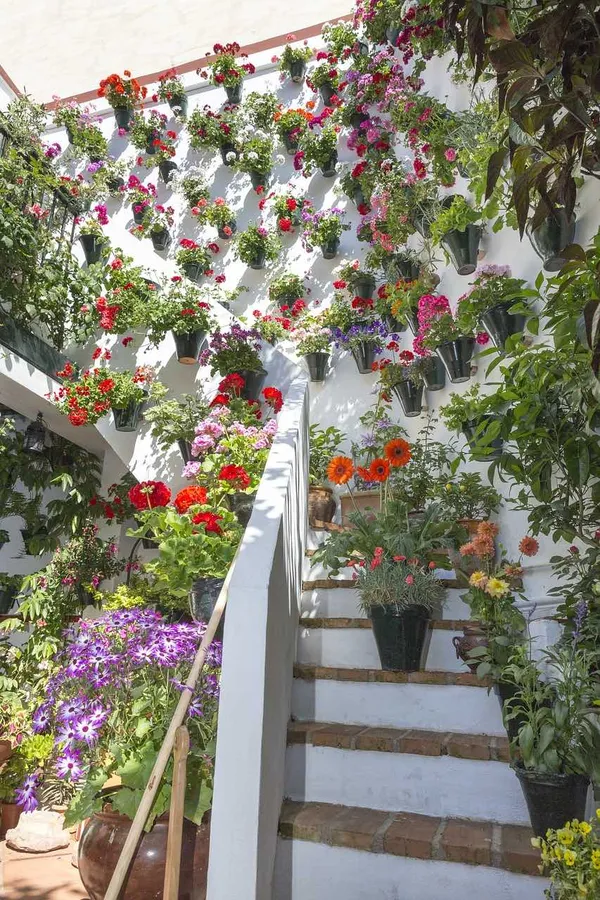
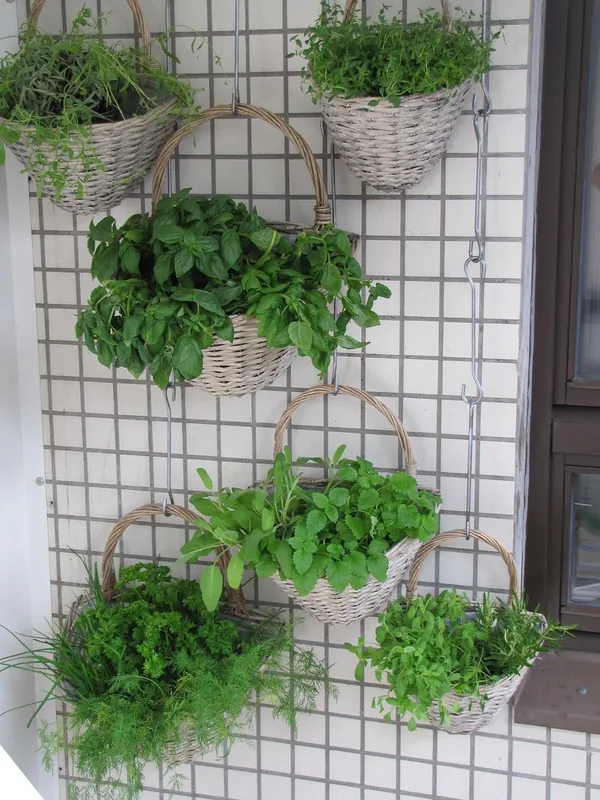
- Vertical planters: Ideal for balconies and small spaces.
- Climbing plants along trellises or pergolas: For example, clematis, ivy, or wisteria.
- Hydroponics or vertical panels: water circulation instead of soil.
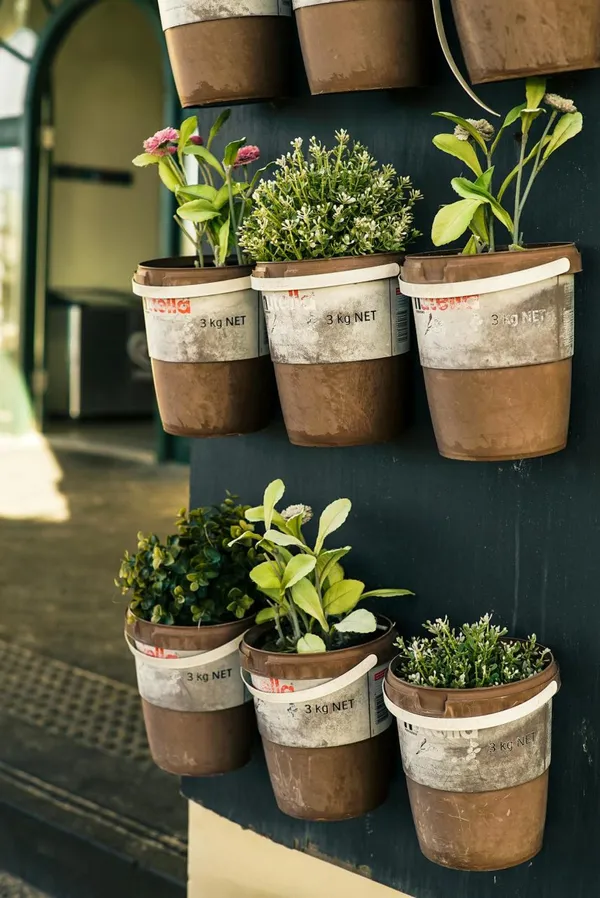
- Reuse: Pallets, bottles, or old shelves can be put to creative use.
Step 2: Choose a location
A small section of your garden or balcony is often enough. Make sure there is enough sunlight or partial shade, depending on the plants you want to grow.
Step 3: Choose plants
Combine climbing plants in the back with hanging plants and ground covers in the front to create a lush, green wall that is both visually appealing and functional.
What do you need for a vertical garden?
To create a successful vertical garden, you’ll need a few basic supplies: a sturdy frame or rack, light, nutrient-rich potting soil, plants or seeds suitable for vertical growth, and mounting materials such as hooks or straps. Optionally, a drip irrigation system or water reservoir can ensure even watering. When setting up the garden, make sure the topmost plants don’t dry out, that all plants get enough light, and that the wall or balcony can support the weight of the structure plus the soil. Regular pruning and removing dead leaves prevents mold and stops plants from growing over one another or crowding each other out.
Tips and Points to Consider
The most important aspect of vertical gardens is water management: the plants at the top dry out faster, so make sure to water them evenly. In addition, each plant must receive enough sunlight, and the structure must be sturdy enough to support the weight. With proper maintenance, your vertical garden will remain healthy and attractive.
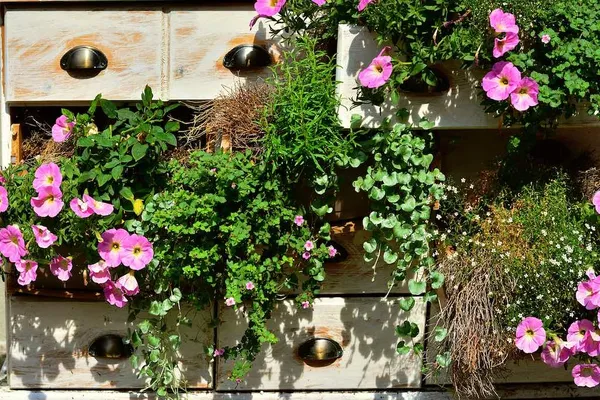
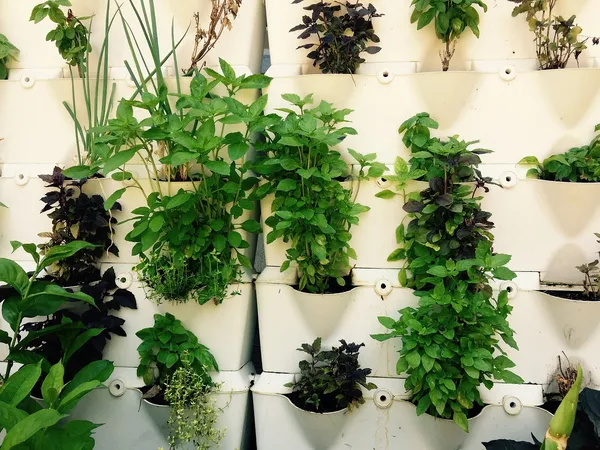
Plants Suitable for Vertical Gardens
Climbing plants
- Clematis – colorful, often large flowers; grows along trellises or pergolas.
- Ivy (Hedera) – evergreen and low-maintenance; choose, for example, varieties with different leaf colors.
- Climbing rose (Rosa) – beautiful, fragrant flowers, but watch out for the thorns.
- Passionflower (Passiflora) – exotic flowers that attract insects.
- Honeysuckle (Lonicera) – graceful, fragrant flowers; berries for birds.
Flowering Hanging Plants
- Petunia – multicolored blooms in bags or containers.
- Fuchsia – stunning trailing flowers for partial shade.
- Lobelia – compact, blue-purple flowers.
- Bacopa – white or light blue, with a trailing habit.
- Begonia – suitable for window boxes or hanging pots.
Perennials and groundcovers
- Deadnettle (Lamium) – a foliage plant that blooms, suitable for partial shade.
- Cranesbill (Geranium) – a prolific bloomer, ideal for flower beds.
- Coral Bell (Heuchera) – colorful foliage that adds texture.
- Violas (Viola) – seasonal color in flower beds.
Ornamental Grasses and Textural Plants
- Tufted fescue (Festuca) – blue-green leaves, drought-tolerant.
- Feather grass (Pennisetum) – feathery stalks that hang down, adding height and movement.
- Sedge (Carex) – graceful (evergreen) foliage in various shades.
A green wall on your balcony or in your garden
Vertical gardening turns small spaces into true green oases. By mixing and matching climbing plants, hanging flowers, ground covers, and ornamental grasses, you can create a lush, green look that remains attractive all year round. With the right structure, plant selection, and maintenance, you can enjoy a functional and beautiful vertical garden, even in a limited space. Be sure to look up!