
Types of Shade in Your Garden and Plants That Thrive There
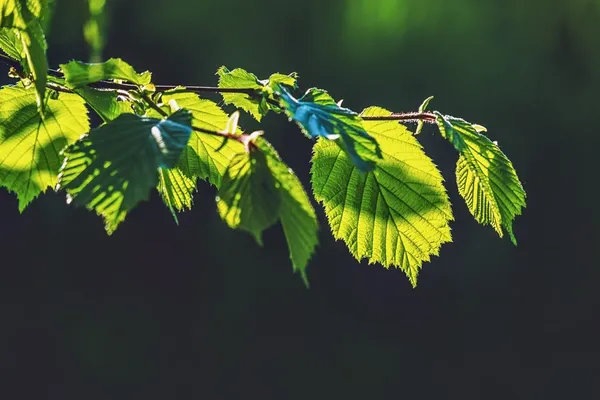
In a small garden, you often have to deal with shade. Part of your garden may be in the shade for a large portion of the day—or even your entire garden! As a result, not all plants will grow well in your garden. But make no mistake: even in the shade, there’s still a wide variety of plants to choose from—ranging from true shade plants to shade-loving plants and those that thrive in both sun and shade.
Still, not every shady spot in the garden is the same: there are different types of shade! This is something to keep in mind when choosing plants.
When you look at a plant label, you’ll often see it say: full sun, partial shade, or shade. That seems simple enough, but in practice, there are more distinctions to be made. This can make a big difference for the plants. Not every shade-loving plant is suitable for all types of shade!
Shadows Change Throughout the Year
Keep in mind that the shade in your garden changes throughout the year. The shade in the spring can be very different from that in the summer. Not only is the angle of the sun different, but trees with (or without) leaves can also make a big difference.
The Best Plants for Shade
Fortunately, there are still quite a few plants that thrive in the shade. However, the list of plants varies considerably depending on the type of shade. That’s why we’ve provided a list of plants for each type of shade below, so you’ll know exactly which plants are suitable for the shade in your garden. Be sure to check out our previous blog posts on plants for shady areas:
Flowering Perennials for a Shade Garden
Ornamental Grasses for Shade
Shrubs and hedges for shade
Climbing Plants for Shade
Evergreen climbing plants for shade
Partial shade
"Partial shade" is the term used to describe areas in the garden where the sun shines for 3 to 6 hours a day. There are a great many plants that thrive in partial shade. By nature, these are often plants typically found at the edge of a forest.
Plants for partial shade:
- columbine (Aquilegia)
- anemone (Anemone)
- bread tree (Aucuba)
- camellia (Camellia)
- knotweed (Persicaria)
- goat's beard (Aruncus)
- Guelder Rose (Viburnum opulus)
- large-flowered dogwood (Cornus kousa)
- hydrangea (Hydrangea)
- Japanese maple
- serviceberry (Amelanchier)
- mahonia (Mahonia)
- Mexican orange blossom (Choisya)
- monkshood (Aconitum)
- Cranesbill (Geranium)
- rhododendron (Rhododendron)
- rock heath (Pieris)
- Skimmia
- snowball bush (Viburnum burkwoodii)
- tulip tree (Magnolia)
- lady's mantle (Alchemilla)
- Zeeland button (Astrantia)
- black cohosh (Actanea)
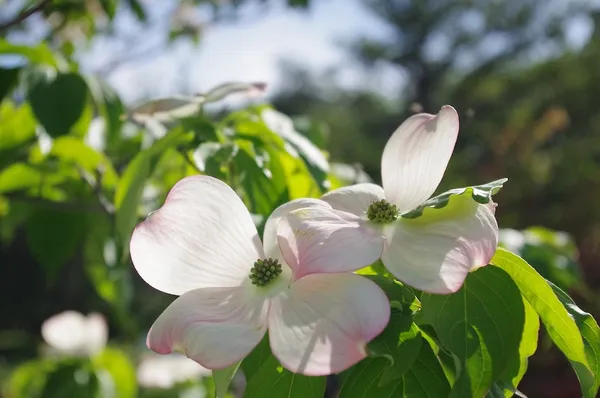
Spotted shadow or light shadow
Trees naturally cast shadows. As long as the trees have leaves, there may be deep shade (when the canopy is dense) or light shade, where light filters through the canopy. This is often seen with trees that have a more open canopy, less dense foliage, or in the spring and fall, when there are fewer leaves. This light shade is also known as dappled shade or filtered shade. For deciduous trees, this spot in the garden can usually be considered a sunny spot in the spring. It’s ideal for many spring-blooming flower bulbs, for example.
Plants for dappled shade:
- Spring-flowering bulbs
- camellia (Camellia)
- knotweed (Persicaria)
- Fuchsia
- bleeding heart (Dicentra)
- St. John's wort (Hypericum)
- hydrangea (Hydrangea)
- Japanese mountain grass (Hakonechloa)
- Japanese maple (Acer palmatum)
- mahonia (Mahonia)
- Cranesbill (Geranium)
- daphne (Daphne)
- Japanese spurge (Pachysandra)
- foamflower (Tiarella)
- tulip tree (Magnolia)
- Fatsia
- Sarcococca
- black cohosh (Actaea)
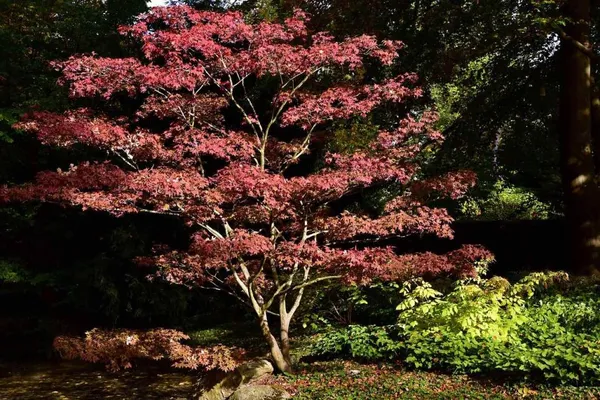
Deep Shadow
You’ll find deep shade under evergreen trees and shrubs, as well as on the north side of a wall or hedge, or in the shade of taller buildings. So this is the perfect spot for true shade-loving plants! In deep shade, it’s often cooler, and the soil can also be drier.
Plants for deep shade:
- Ajuga (creeping bugle)
- Asplenium (tongue fern)
- Bergenia (shoe-leather plant)
- Dryopteris (fern)
- Epimedium (horny goat weed)
- Euphorbia (spurge)
- Hedera (ivy)
- Hosta (plantain lily)
- mahonia (Mahonia)
- Liriope (lilyturf)
- Matteuccia (ostrich fern)
- Pulmonaria (lungwort)
- Pachysandra
- Trillium (three-leaved)
- sedge (Carex)
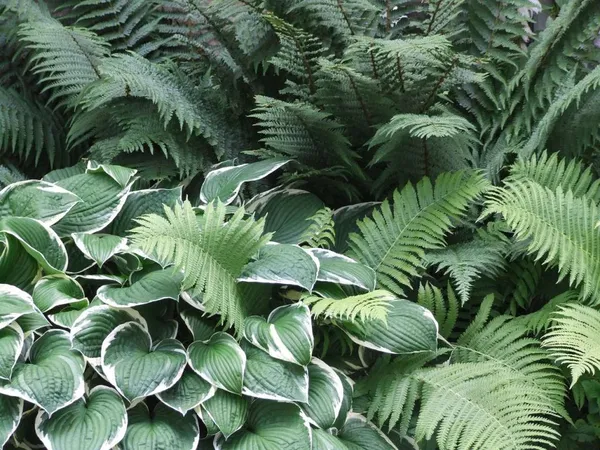
Dry shade
Larger (older) trees and shrubs can quickly lead to very dry soil. Because of their extensive root systems, they absorb much of the available moisture. This is called “dry shade.” Plants must therefore be able to tolerate both shade and drought. Dry shade also occurs at the base of walls, under overhanging roofs, and beneath canopies.
Plants for dry, shady areas:
- Anemone (anemone and autumn anemone)
- Astrantia (Zeeland button)
- Bergenia (shoe-leather plant)
- Cyclamen (cyclamen)
- Dryopteris (fern)
- Epimedium (horny goat weed)
- Euphorbia (spurge)
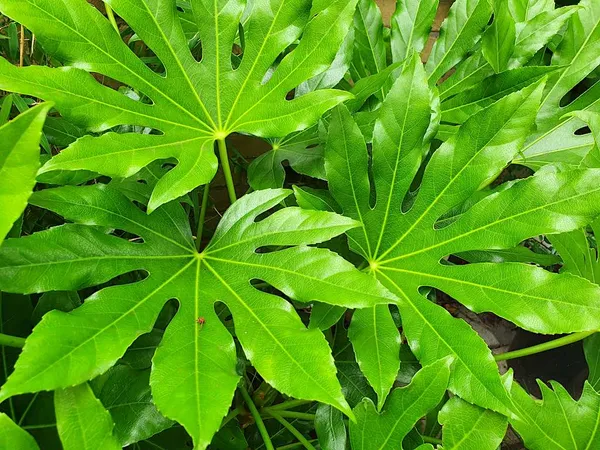
- Fatsia (finger plant)
- Hedera (ivy)
- Helleborus (Christmas rose)
- Liriope (lily grass)
- Viburnum tinus (evergreen snowball)
Wet Shadow
Of course, you might also have a damp, shaded spot in your garden—a spot that often stays wet for long periods of time. Fortunately, there are still plenty of plants to choose from, even for a spot like that. Think of large-leaved shade plants, as well as pond and bank plants.
Plants for damp, shady areas:
- Ajuga (creeping black-green)
- Arum (Italian arum)
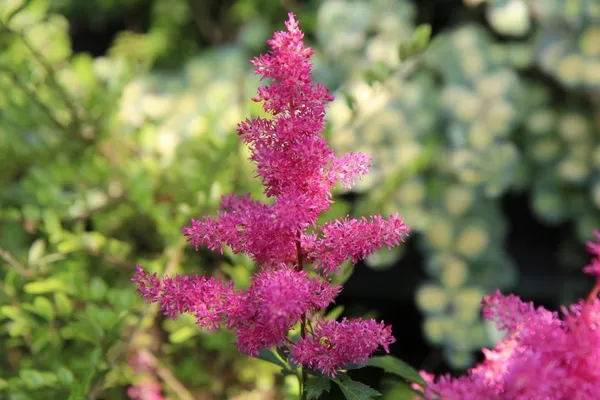
- Astilbe (plume spirea)
- Brunnera (Caucasian forget-me-not)
- Darmera (shield leaf)
- Dicentra (bleeding heart)
- Erythronium (dogtooth violet)
- Gunnera (giant rhubarb)
- Hosta (plantain lily)
- Ligularia (ragwort)
- Polygonatum (Solomon's seal)
- Primula (primrose)
- Rodgersia (ornamental plant)
- Trillium (three-leaf)
What kind of shade do you have in your garden?
And which plants thrive there?