
Top Tips for Potted Plants
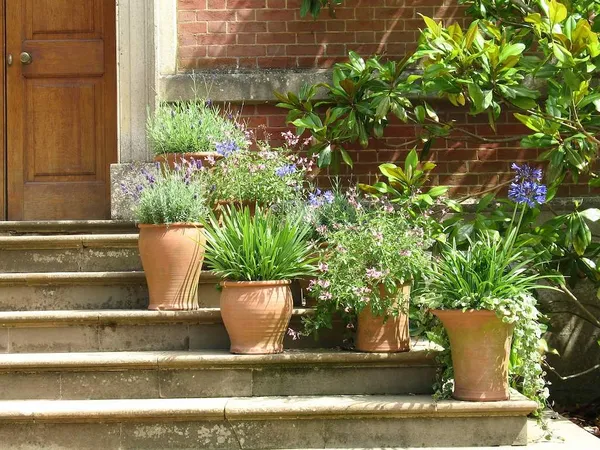
Do you have a small garden—or maybe no garden at all, just a patio, balcony, or rooftop terrace? If so, plants in pots or planters are ideal!
By the way, just like us, you might simply find planters and pots to be a beautiful addition to your garden or patio…
We regularly receive questions about planting in pots and planters. Questions range from how to plant a pot, how to care for plants in a container, and when to fertilize potted plants, to how to create a beautiful arrangement in a pot or planter. With these tips, you, too, can create the most beautiful planters or vegetable garden containers for your patio, balcony, or rooftop terrace!
25 Tips for Planting in Pots and Containers
Design and Combinations in Pots
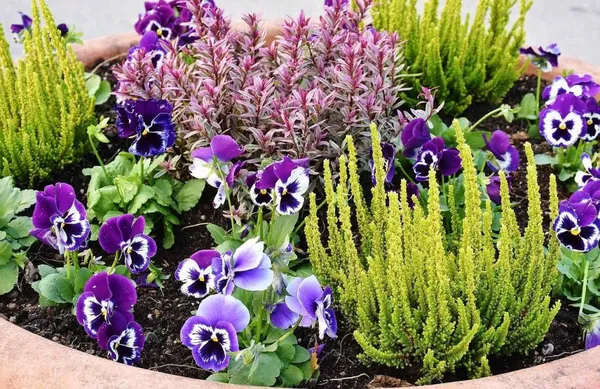
- Use evergreen plants as a base and complement them with flowering or variegated plants that suit the season.
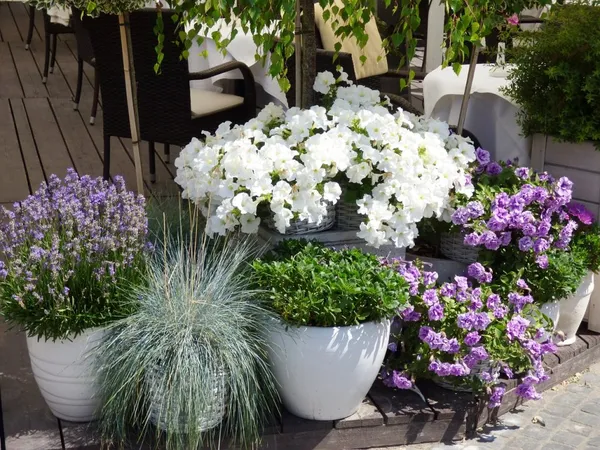
- Vary the colors and shapes. Contrasts make your plant arrangements more interesting and much more fun to look at.
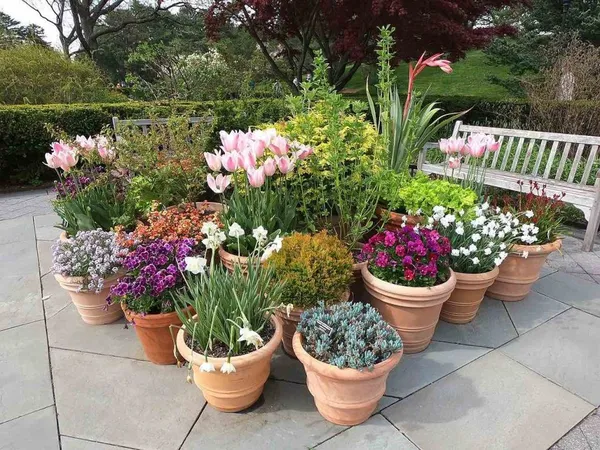
- Are you planting multiple plants in a pot? Take advantage of the differences in height. Don't be afraid to go tall!
- Take the plant's characteristics, location, and soil type into account. Although these factors may be less important when using a temporary pot, you can keep your plants looking beautiful and healthy by considering these aspects even when they're in a pot.
- Decide on the arrangement of your new plants while they’re still in their pots. This will make it easier to make adjustments and reduce the risk of damaging your plants. Keep rearranging them until you’re completely satisfied!
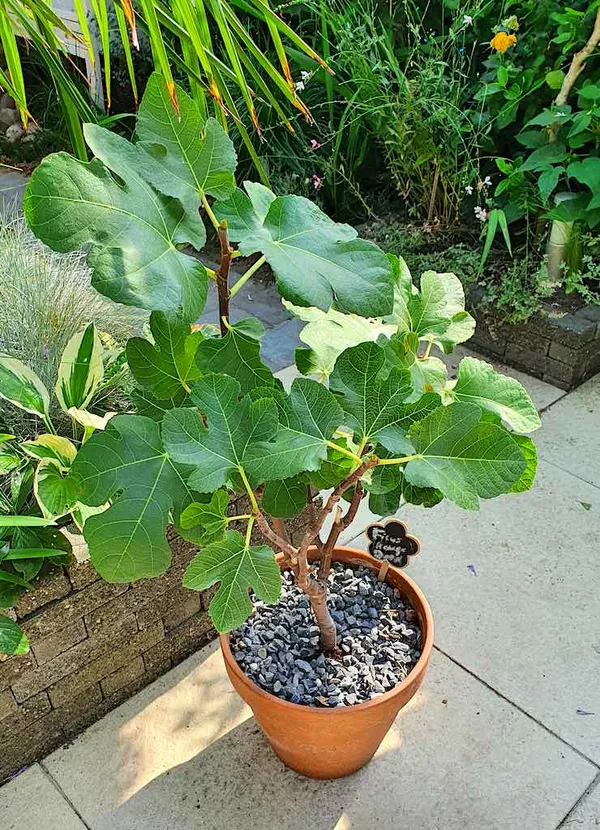
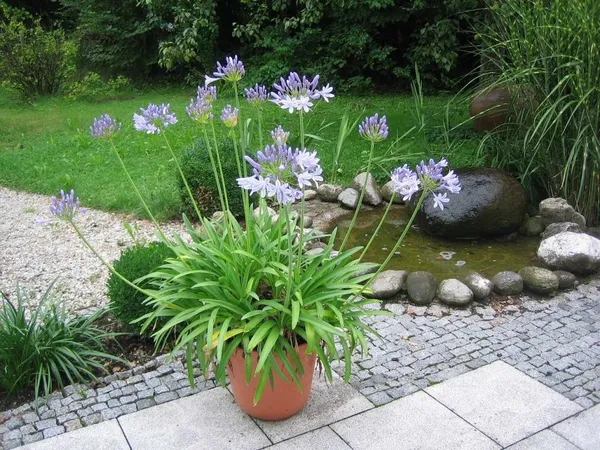
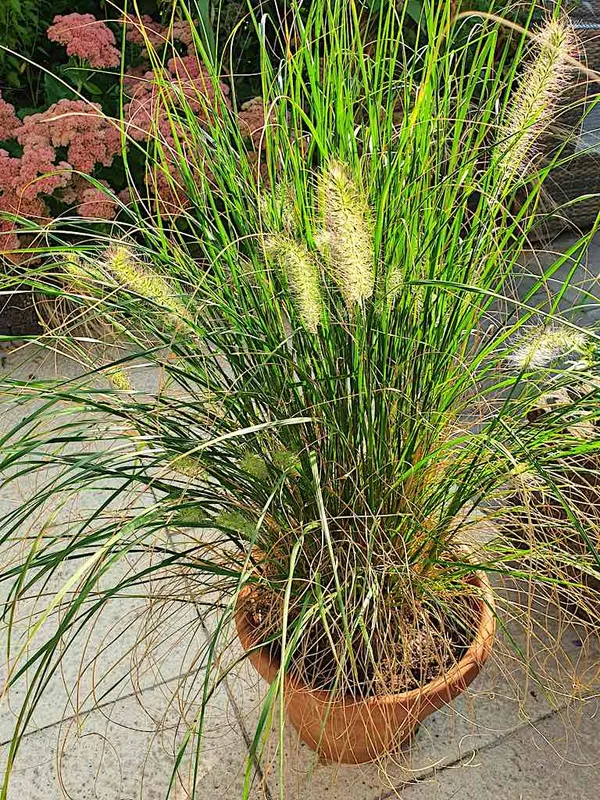
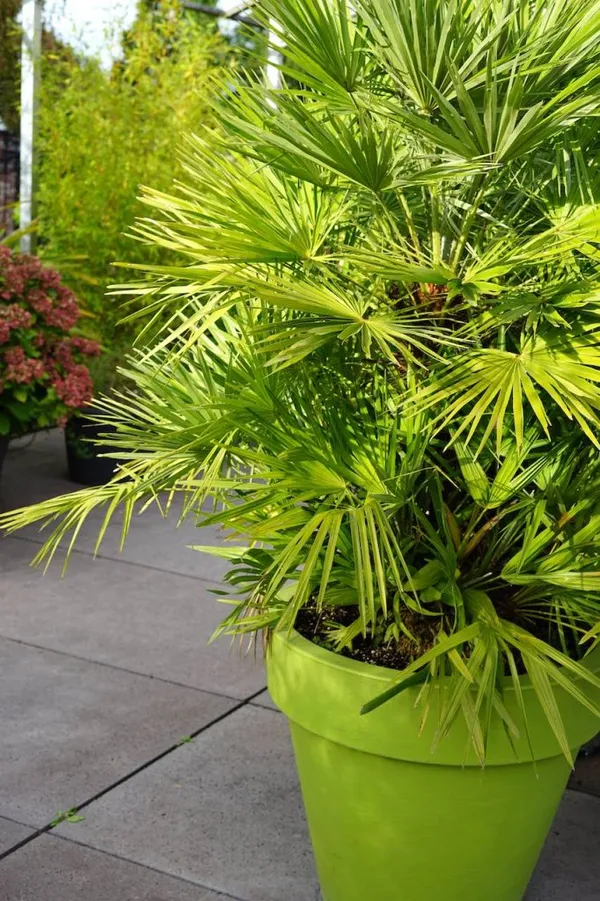
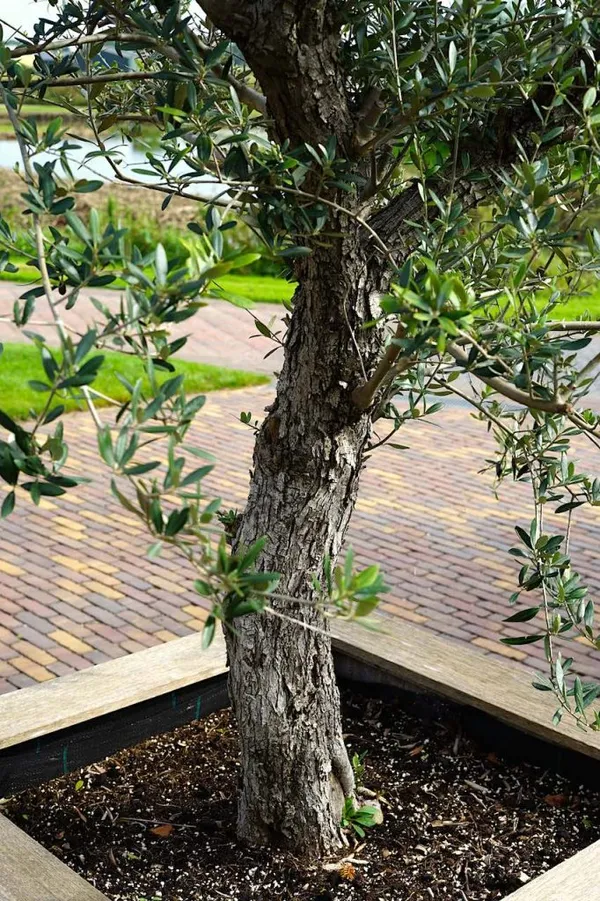
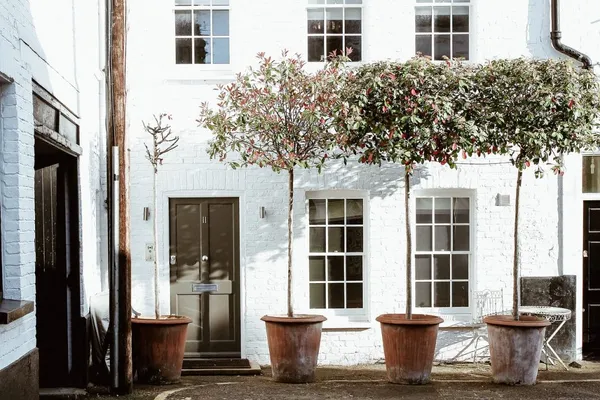
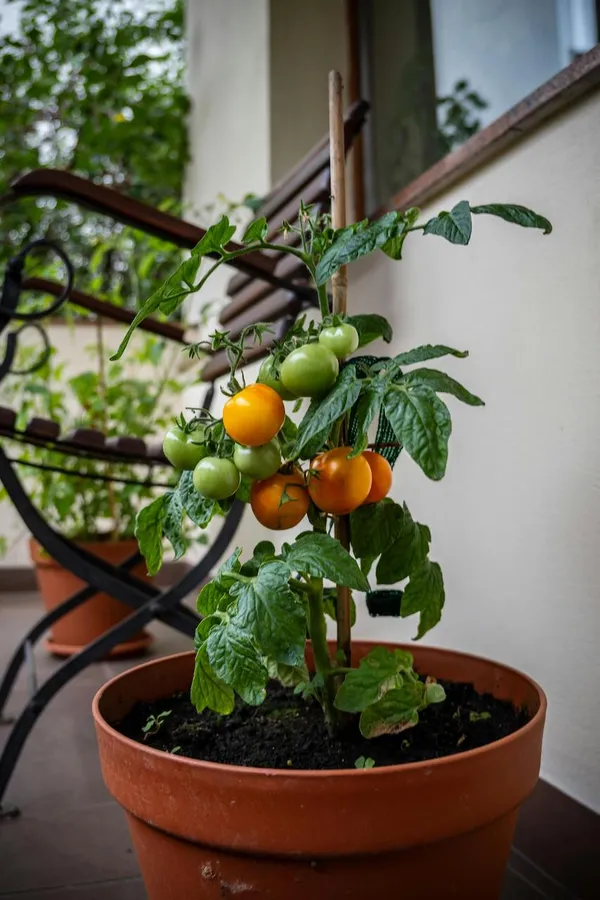
- Consider planting other types of potted plants besides annuals and summer-blooming plants. Use perennials, narrow-growing ornamental grasses, flower bulbs, potted fruit, herbs, (evergreen) shrubs, or standard trees. You can even plant a tree in a large pot. So think of your pot more as an extra (mini) flower bed!
- Unlike plants in the ground, you don't have to worry as much about spacing. Create beautiful, full pots and planters that you can enjoy right away!
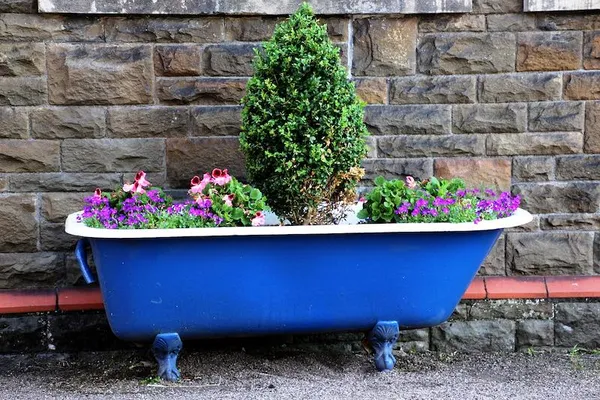
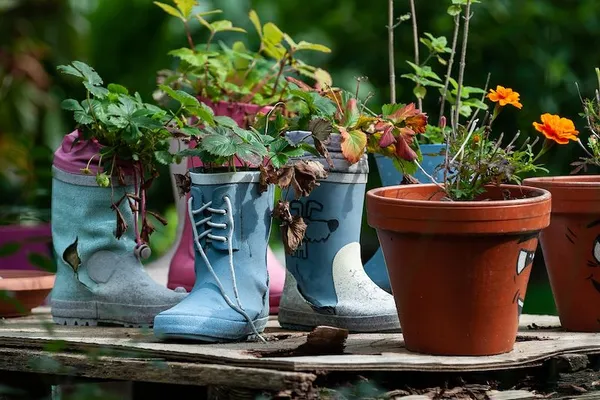
- You can really use just about anything as a pot or container, as long as it holds the soil securely and has holes for proper drainage. Be creative!
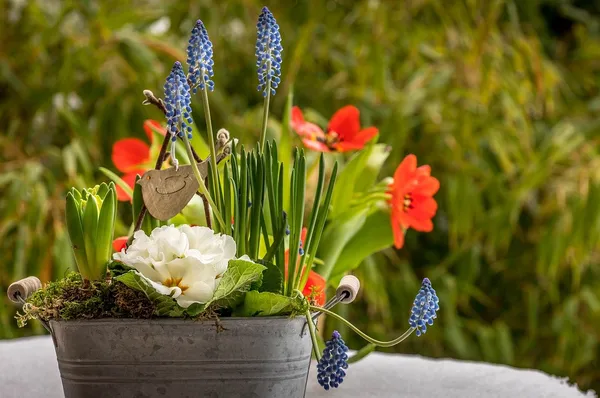
Step-by-Step Guide: Planting in a Pot or Planter
- It's also best to plant a pot right where you want it to go, or nearby. That way, you won't have to move it around as much later on, you'll avoid breakage, and you'll be able to see right away if your arrangement works in its intended spot.
- Keep a small dustpan or brush handy so you can work cleanly and tidy up the intended spot before placing the pot in its final location.
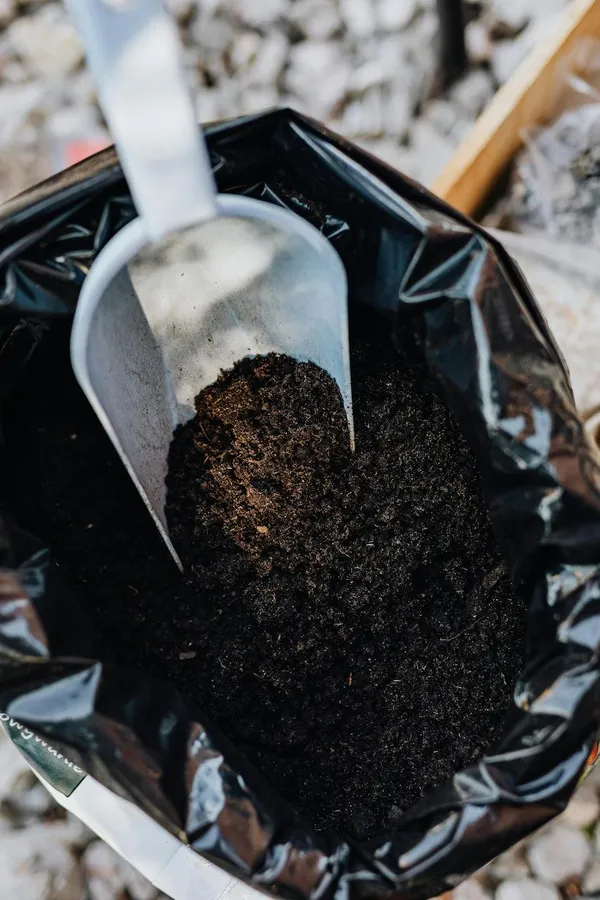
- Use good potting soil when planting in a pot. This gives plants the best start and helps the soil retain moisture better.
- If the plants are very dry, let them soak up as much water as possible one day before planting. Place the plants in a bucket or container of water for 1–2 hours.
- Don't overfill a pot when you're planting it. Take into account the height of the root balls and seedling pots of the plants you're adding. Filling it to two-thirds of its height is usually more than enough. That way, you can easily rearrange the plants and top off the pot once you’re completely satisfied.
- Leave about 5 centimeters of space at the top of the pot. By not filling the pot all the way to the top with soil and plants, you can water it generously without the pot overflowing right away.
- Make sure all the gaps between the plants are well filled. Press the plants down firmly and, if necessary, add more soil immediately after watering.
- Don't water the plant until the pot is in its final location. Because the pot needs a lot of water, it can become very heavy. Large pots and containers are then almost impossible to move.
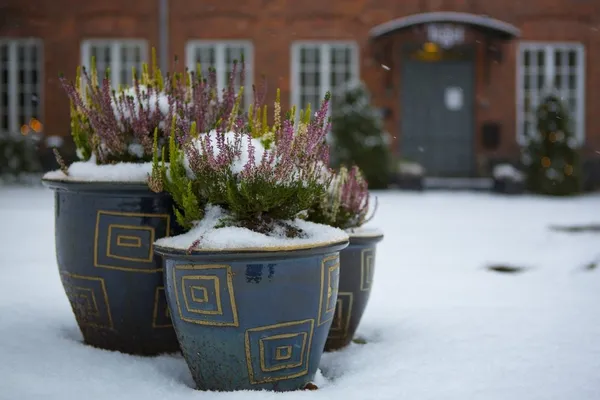
- Choose frost-resistant pots if they will remain outside during the winter. You can also make a pot more frost-resistant by placing bubble wrap or Styrofoam on the inside as an insulating layer. Be sure that these materials do not end up in the environment.
- After planting your pot, do you see any broken branches, torn leaves, or spent flowers? If so, trim them off and quickly take some photos of your new, perfect planter!
Caring for Plants in Pots and Containers
- The larger the pot, the easier it is to care for the plant. Small pots dry out quickly, and the plant will show signs of (nutrient) deficiencies fairly quickly.
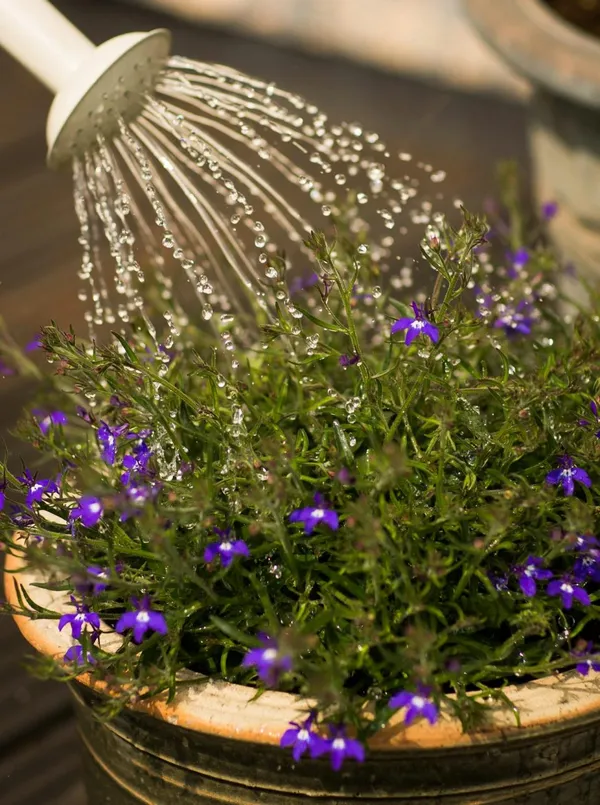
- Water plants in pots and containers generously at least 1–2 times a week during the growing season. Water them until water begins to drain out the bottom of the pot.
- During the growing season, apply liquid plant food (every) two weeks. This can be a special plant food or fertilizer for potted plants, but tomato fertilizer is also versatile for this purpose. Read more about the right nutrition for potted plants.
- In the summer, place pots on plant trays so they don't dry out as quickly.
- Starting in the fall, place pots on stands so that water drains out more easily. This prevents plants from getting too wet and their roots from rotting, and reduces the risk of frost damage.
- If you're going on vacation, group all your pots together in a shady corner of the garden. That way, the soil in the pots won't dry out as quickly, and whoever comes to water your plants will be able to water them sufficiently.
- You can later plant perennials and shrubs in your garden (if you have room for them).
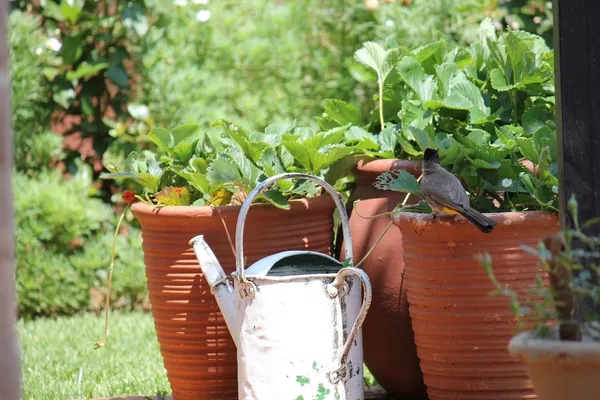
Do you also love plants in pots and planters? What are your favorites?
Learn more about gardening in pots and containers