
Tips for a Natural Garden
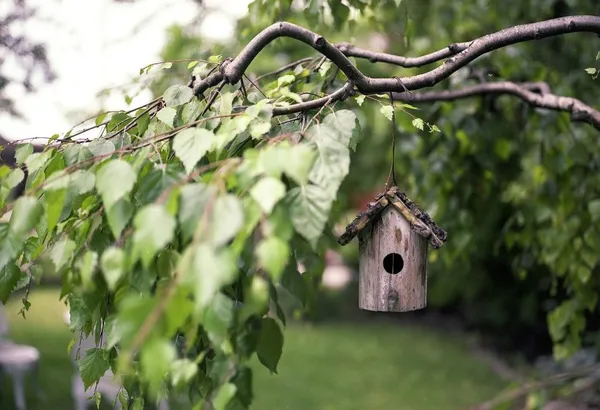
Natural gardens have been gaining popularity in recent years. More and more people are showing interest in green gardens where not everything has to be perfectly neat and tidy. A natural garden is rich in variety, but consists mainly (or exclusively) of native plants. A green garden attracts many animals, birds, and insects. But even animals that are usually considered pests, such as aphids, caterpillars, and snails, are tolerated. After all, with a good ecological balance, these are naturally controlled and eaten by ladybugs, birds, frogs, and hedgehogs. Plants are given the chance to self-seed and grow wild and untamed. Of course, it’s still a garden, so you can always step in where this is less desirable. This creates a beautiful combination of a natural garden and a functional, pleasant garden.
Garden Design with Curved Shapes
Use rounded shapes when designing a natural garden. This creates a less contrived look. Would you rather go with a garden design featuring straight lines? Then plant the edges of your flower beds with plants that are allowed to grow over the edge. This quickly creates a natural effect and ensures that your paths and patio will appear much less linear as the gardening season progresses.
Not symmetrical
Opt for an asymmetrical garden design. A symmetrical design is much less suited to a natural garden. Is the basic layout of your garden very symmetrical after all? If so, consider designing the flower beds in very different ways so that an interesting overall look can still emerge.
Choose the right plants
Know what kind of soil and conditions you have in your garden. That way, you can choose the right plants, which will reward you with strong, healthy growth. People usually tend to choose plants they like or want to have too quickly, without taking these factors into account. This is basically asking for trouble. It also doesn’t fit with the character of a natural garden.
Indigenous vs. Non-indigenous
Opt for native plants and try to recreate a natural habitat. Think of a small-scale forest, forest edge, or flower meadow. Native plants have the advantage that animals and insects can benefit from them more easily. Incidentally, many non-native plants have become so well established in our country that insects can also make the most of them. Think, for example, of butterfly bush and many perennial species that bloom later in the season.
Natural materials
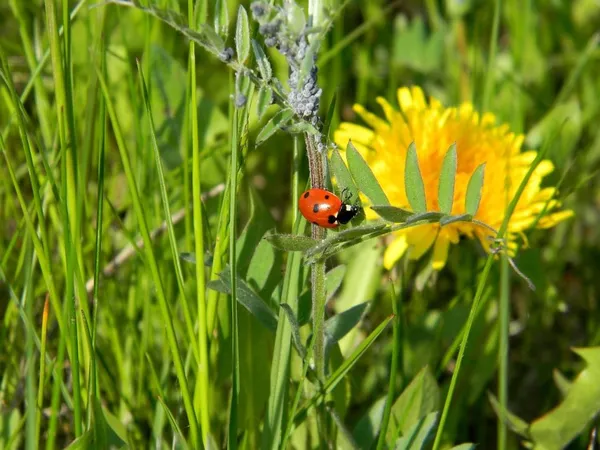
Use natural materials such as tree trunks and stumps, large branches, woodpiles, willow twigs, wood, and stone. These materials are also perfect for creating shelters for animals and insect hotels.
Reuse of Materials
Materials such as processed wood, bricks, tiles, clinker bricks, and edging stones are, of course, not strictly natural materials. Still, reusing materials you already have fits perfectly with the concept of a natural garden. For example, reuse wooden planks, old pavers, concrete tiles, and gravel tiles to create raised borders, garden benches, and insect hotels.
Water
Water is an essential part of a natural garden. Dig a small pond, or place a water bowl, container, tub, or mini-pond. The transition zone between land and water (a sort of small marsh area) is also very valuable for many plants and animals.
Animals and Insects
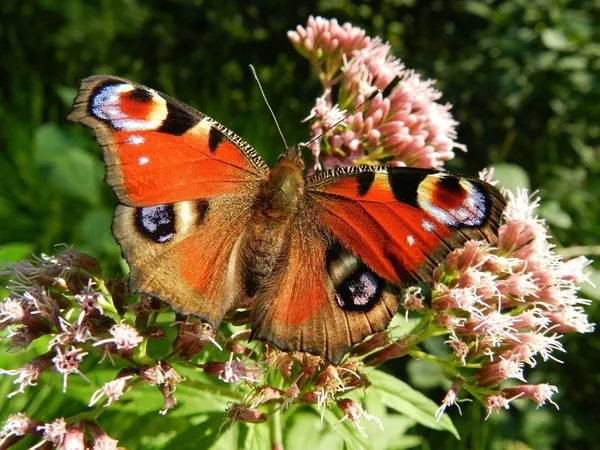
Attract animals, bees, butterflies, amphibians, and insects. Provide plenty of shelter, water, food, and nesting sites. You’ll always enjoy all the fluttering, chirping, buzzing, rustling, floundering, splashing, sniffing, and croaking in your garden!
Plant a Tree
A tree is essential for any garden, especially a natural garden! A tree not only provides shade in the summer, but also helps your garden retain water longer, breaks up strong winds, and offers animals and birds shelter, food, and/or nesting sites. Trees are, of course, also perfect for adding height to your garden and providing privacy.
Plant a hedge
Use natural materials as a boundary between your property and your neighbors’. For example, a willow fence, bamboo, or reed mats. Even better is a beautiful (and preferably somewhat wider and denser) hedge. This provides the ideal shelter for many animals. Would you still prefer a fence? Then soften its appearance with plenty of greenery. Consider larger shrubs and plenty of climbing plants to cover your fence.
Don't prune too much
Try not to prune plants too much (but be sure to choose the right varieties). And definitely don’t prune too early; instead, let perennials and ornamental grasses die back in the winter. You can still prune them in early spring.
Do not use pesticides
Of course, there’s no place for chemical pesticides in a natural garden. They harm plants and animals and disrupt the ecosystem. If you must, you can opt for natural remedies, such as nematodes and ladybug larvae. However, this is usually unnecessary in a natural garden: these organisms will find their way into your garden on their own and get to work for you! And remember that a natural garden isn’t meant for production… Accept that you’ll lose a few plants or crops every now and then.
Let plants self-seed
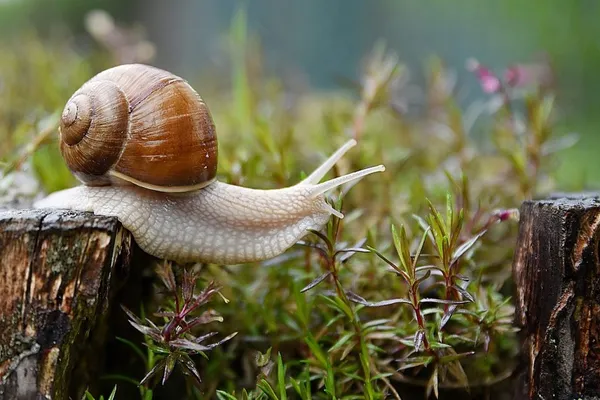
Many people have a hard time with plants that self-seed easily. After all, they always seem to pop up where you don’t want them… Yet it’s actually a very good sign when plants self-seed. These plants (usually) thrive in your garden and spread throughout it. This randomness enhances the natural look of your garden. Of course, you can always move a plant that’s in the wrong spot.