
What can you do about thread algae? And how can you prevent it in your (mini) pond?
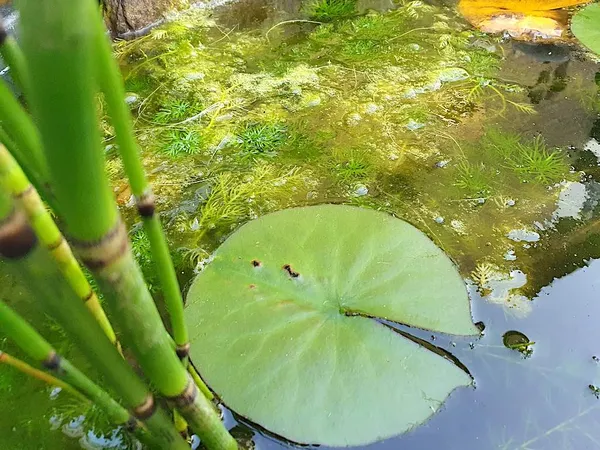
Thread algae is one of the most common problems in ponds and mini-ponds.
If conditions in a pond are not optimal, thread algae will quickly develop.
A little thread algae isn't a big deal, but it can turn your entire pond into a green sludge. Not only does this look unattractive and uninviting, but it also has a negative impact on the growth of other plants in your pond.
Causes of thread algae
Not enough oxygen-producing plants
The most common cause is a lack of suitable oxygenating plants. If there are enough oxygenating plants in the pond, they will limit—or even completely prevent—the growth of thread algae.
Oxygen-producing plants do not grow
At the start of the pond season, the water is often still too cold for oxygenating plants to grow well. Thread algae require less warm water and less light. Even when most pond plants have stopped growing by the end of the season, thread algae are still growing vigorously. So be extra vigilant, both at the beginning and end of the season.
Leaves in the pond
Leaves, plant debris, spent flowers, etc., that end up in the pond all affect water quality. Too much of this will make the water softer and inhibit the growth of the oxygenating plants and pond plants that are actually desirable. This can lead to excessive algae growth.
Water that is too soft (hardness)
Many aquatic plants become slimy in water that is too soft. This has to do with the water’s hardness (measured in Dh). It may be a good idea to top off your pond regularly with tap water during the summer. This prevents the water from becoming too soft.
Too many fish
Your pond can also have too many fish (and it’s easy for that to happen)! This will cause the water to become too polluted and hinder the growth of (oxygen-producing) plants. This, in turn, leads to more algae growth. Incidentally, in many cases, a mini-pond isn’t very suitable for keeping fish.
How do you remove thread algae?
You can prevent an overgrowth of thread algae by removing it regularly. You probably won’t be able to do this with a scoop or a dip net, but you can with a stick or a pole. Swirl the stick or pole through the water so that the algae wraps around it. This is a quick and easy way to remove a lot of thread algae.
There are also various commercial products available to control thread algae. However, the best solution for thread algae is to eliminate the cause. Otherwise, you’ll just keep adding treatments to the water (and that may not be the best approach…).
How do you prevent thread algae?
The best way to prevent thread algae is to have enough oxygenating plants in the pond. If there are enough oxygenating plants—and they’re growing well—thread algae won’t stand a chance! So add some fast-growing oxygenating plants and enjoy a beautiful, clear pond.
Examples of healthy, fast-growing oxygenating plants include shiny pondweed, waterweed, and hornwort.
It’s important to keep your pond clean. That might sound strange, but what we mean is that you shouldn’t let too many leaves fall into the pond (especially in the fall) or let wilted flowers accumulate in the summer. Dying plants, such as the leaves of a water lily, can also cause algae blooms.
The smaller the pond, the more you'll have to deal with pollution. After all, it doesn't take much decaying material to affect water quality. So take action early!