
The Willow: An Early Food Source for Bees – Tips from the Bee Foundation
Bees are indispensable to nature. They are important pollinators for many plants and crops. Without bees, biodiversity and food production would decline drastically. Even with a small garden, you can make a difference for bees! In collaboration with the Bee Foundation, we're now sharing a weekly tip on how to make a small garden or balcony bee-friendly.
A Valuable Food Source for Bees in Early Spring: The Willow
In the world of gardening and biodiversity, the willow is known as an interesting tree that not only adds aesthetic value but also plays a crucial role in supporting bee populations.
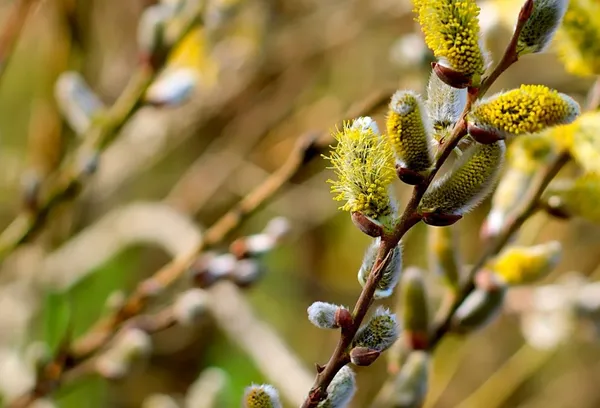
The willow is one of the first trees to unfurl its catkins in the spring. This early blooming period makes the willow a valuable food source for bees that emerge from their winter dormancy in early spring. The abundant amounts of pollen and nectar provided by the willow supply the bees with the energy they need to build their colonies.
What makes the willow even more attractive to bees is its ability to be easily propagated. Many willow species can be propagated simply by sticking a branch in the ground, which means you can create a bee-friendly environment with minimal effort. This makes the willow an ideal choice for both experienced gardeners and beginners who want to promote biodiversity in their gardens.
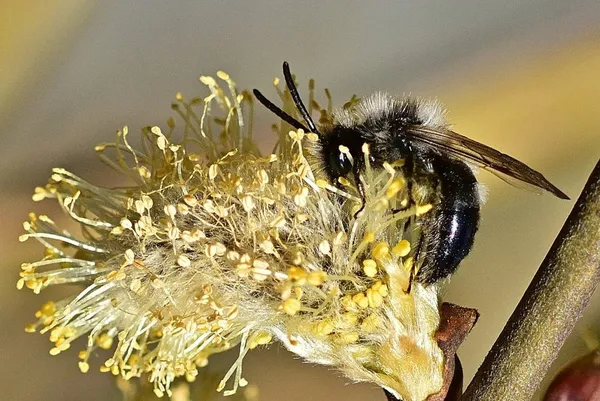
gray sand bee
Long flowering season with various types of willows
The diversity of willow species also offers the advantage of a longer blooming period. From the Siberian willow to the pussy willow, different varieties ensure that bees have access to valuable food for much of the season. By planting or placing several willows in your garden, you can provide a constant source of food for bees, even when other flowering plants have reached their peak.
So, if you’re looking for a way to support bees while also enriching your garden, consider the willow—a tree that will boost biodiversity in your outdoor space. Willows also come in smaller varieties, such as standard willows. Examples include cultivars of the goat willow (Salix caprea), such as Salix ‘Kilmarnock,’ and the Japanese willow (Salix integra).