
The Power (and Beauty) of Stinzen Plants in a Small Garden
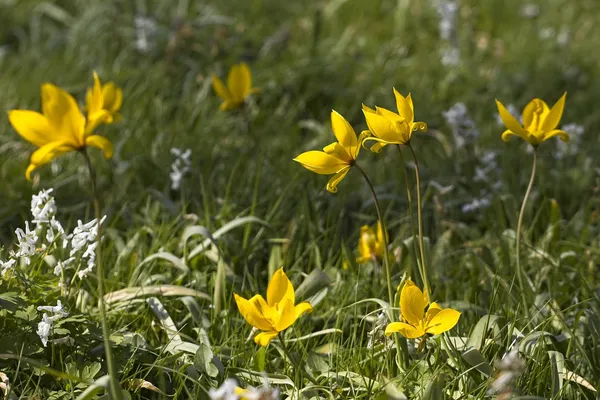
You may be familiar with stinzen plants from old estates, country homes, and large farms. However, stinzen plants also work very well in small gardens. In a small garden, these flowering bulbs actually have a much greater impact. They’re perfect for brightening up a bare winter garden, and over time, they’ll nicely fill in a difficult or dark corner of your garden. Perhaps it helps to use the term “naturalized bulbs,” so you immediately get a good sense of the power of these plants.
What are stinzen plants and naturalized bulbs?
The terms "stinzen plants" and wildflower bulbs are often used interchangeably. There is, however, a slight difference:
Stinzen plants are primarily perennial bulbous and tuberous plants that were traditionally planted on estates and country homes (stinzen), especially in Friesland and Groningen. These plants were introduced from various countries and are therefore not native to the region. Nevertheless, they have since naturalized and are now found in our natural habitats. Most stinzen plants bloom starting in early spring and are therefore very valuable to early-season bees and insects.
Wildflower bulbs lack historical context. Wildflower bulbs encompass a broader range and are not limited to the varieties that were planted in stinzen.
What are the benefits of wildflower bulbs?
Wildflower bulbs bloom early in the year. This makes them valuable to pollinators that are active in early spring. So always choose organic flower bulbs. For gardeners, the biggest advantage is that they are very easy to care for. Without any maintenance or care, these plants will propagate and spread on their own (become naturalized).
Their appeal stems mainly from their natural beauty and the fact that they form beautiful carpets of flowers in early spring.
What is the best place to plant naturalizing bulbs?
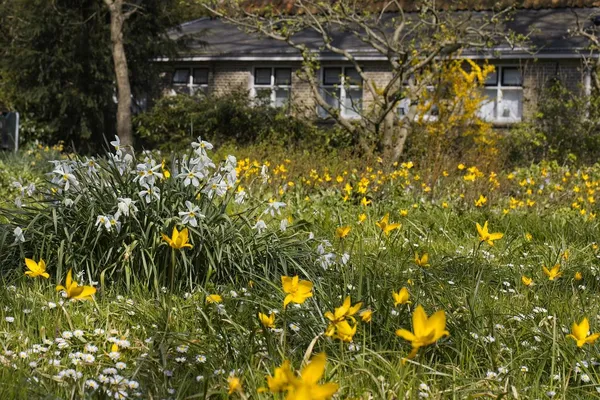
Like many flower bulbs, most naturalizing bulbs also prefer well-drained soil and a sunny spot, or a spot with light shade (during flowering). After flowering, however, they do very well in the shade. For this reason, they are also ideal for planting under a deciduous tree or shrub. The bulbs just shouldn’t be too large, or it may be difficult to plant them deep enough among the roots of an older tree or shrub.
Some wildflower bulbs are suitable for wet soil. Examples include snowdrops, summer snowflakes, and pasqueflowers.
The lawn is also a great spot for naturalizing bulbs. That way, you can enjoy a colorful lawn in early spring—for example, with variegated crocuses. Varieties that bloom later are best planted a little higher, since the grass will already be growing later in the season.
Which flower bulbs naturalize easily?
There are quite a few bulbs that naturalize. Some very well-known examples include snowdrops, crocuses, grape hyacinths, bluebells, and wild tulips. Most naturalizing bulbs bloom in (early) spring and attract many bees and insects. Here’s an overview of species that easily naturalize in your garden:
Allium
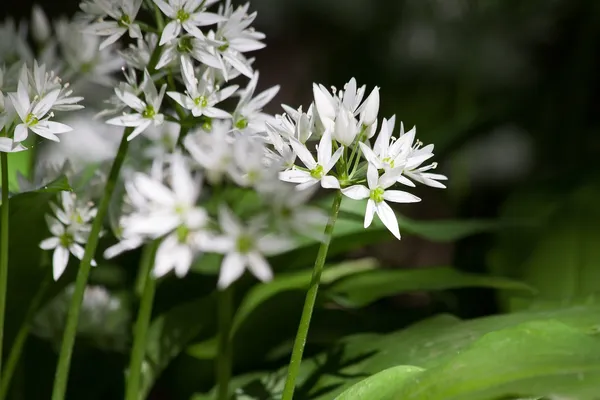
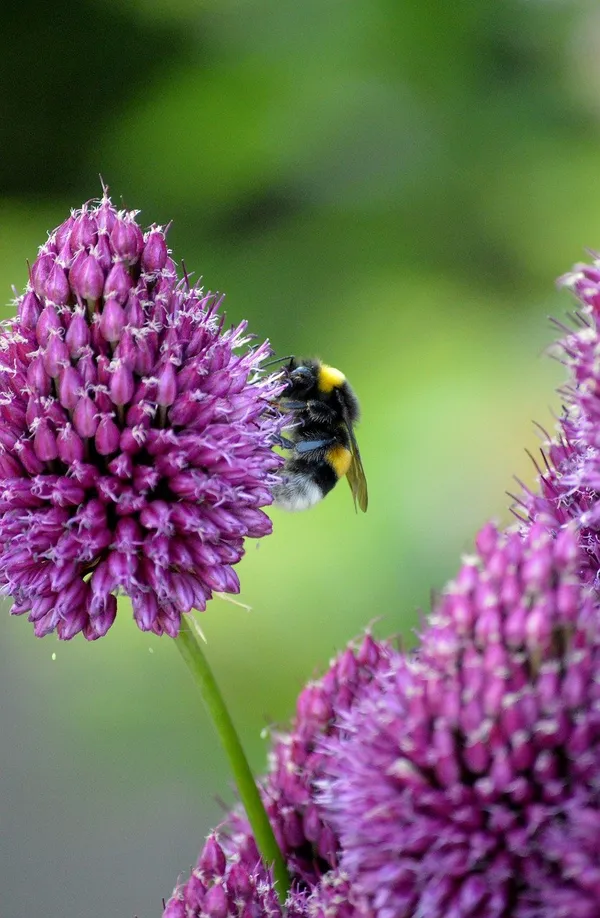
Allium, also known as ornamental onion, blooms with striking spherical flowers in late spring or early summer. The flowers are often purple or pink, and sometimes white or yellow. Well-known varieties include the Dutch ornamental onion (Allium Purple Sensation), with large purple flowers, chives (Allium schoenoprasum), wild garlic (Allium ursinum), and golden garlic (Allium moly). Another excellent bulb for naturalizing is Allium sphaerocephalon, also known as drumsticks or ball-shaped onions. This ornamental onion has a very natural look and is pointed and oval in shape. Ball-shaped onions bloom from late spring through summer.
Anemones
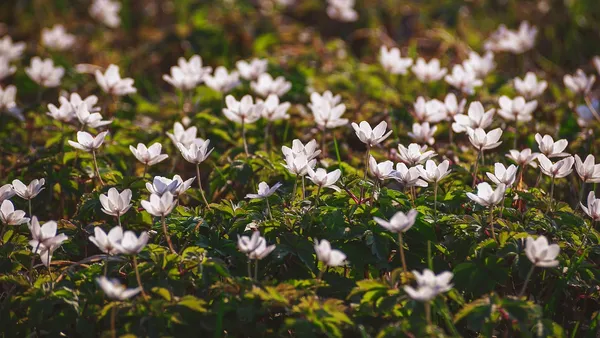
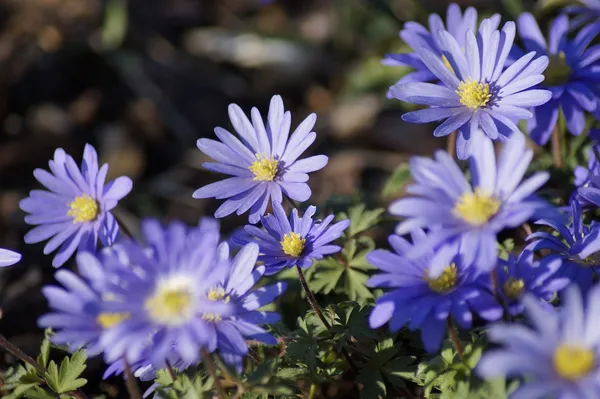
Anemones (Anemone) come in various species and colors and often have (small) daisy-like flowers. A well-known species is the common anemone or crown anemone (Anemone coronaria), which blooms with larger, brightly colored flowers in blue, red, white, and pink. The blue anemone (Anemone Blanda) has star-shaped blue, white, or pink flowers. The white wood anemone (Anemone nemorosa) is also very well suited for naturalizing, as is the yellow wood anemone (Anemone ranunculoides).
Blue Grapes
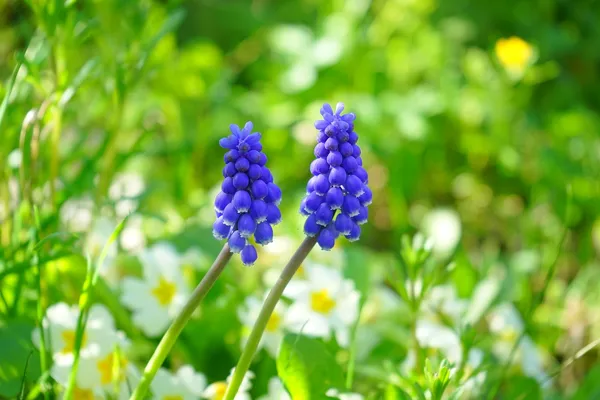
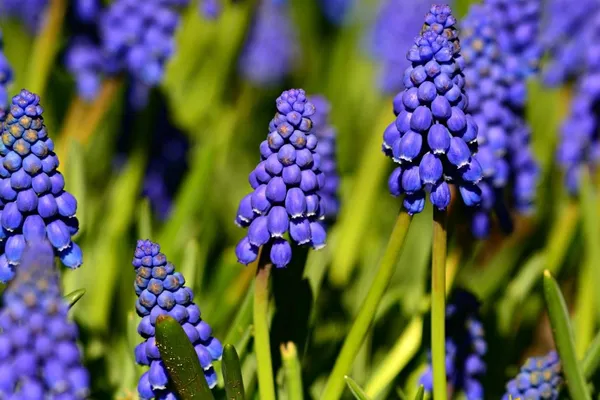
Of course, everyone knows grape hyacinths (Muscari armeniacum). They’re very easy to grow and perfect for naturalizing. Did you know that grape hyacinths also come in other colors, such as light blue, white, bicolor, and even pink? They’re also known as grape hyacinths. The best varieties for naturalizing are Muscari armeniacum, Muscari botryoides (small grape hyacinth), Muscari latifolium (broad-leaved grape hyacinth), and Muscari neglectum.
Hyacinths
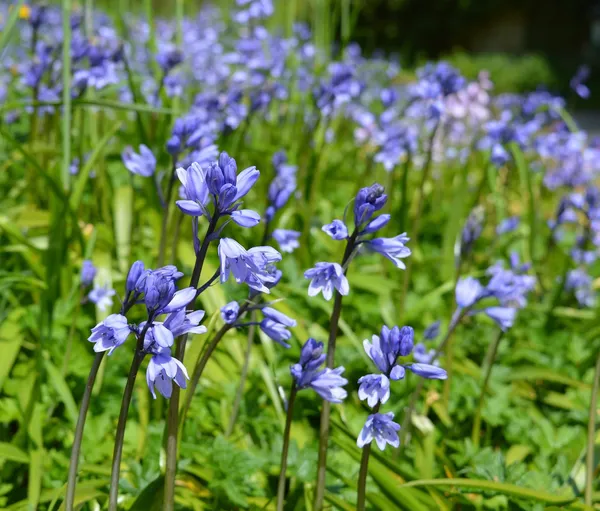
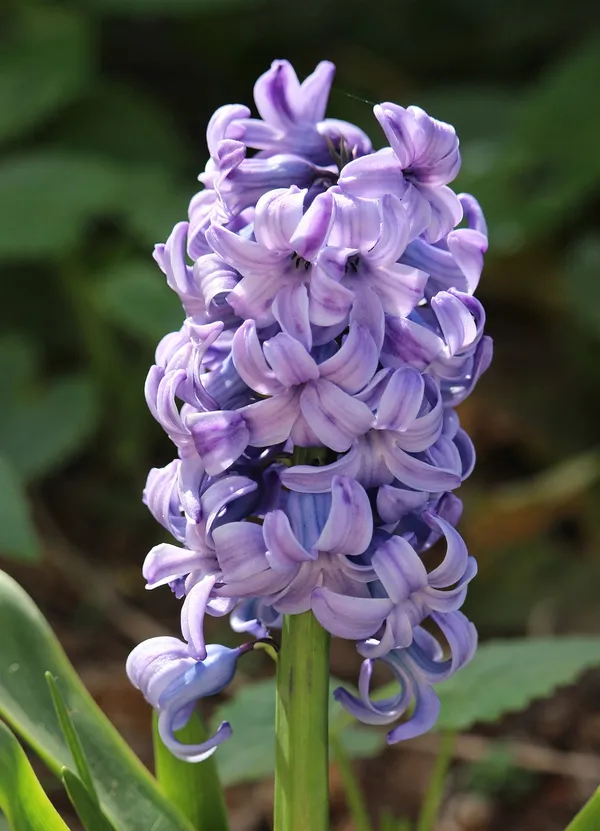
The hyacinth is a striking spring-blooming flower, known for its clusters of flowers on sturdy stems, with an intensely sweet fragrance. Hyacinths bloom in shades of blue, purple, pink, white, and yellow. The bluebell or wild hyacinth (Hyacinthoides non-scripta) is best suited for naturalizing. The flowers are blue or white. The hardier Spanish bluebell (Hyacinthoides hispanica) can become invasive and will displace the wild bluebell if planted together. Siberian squill (Scilla siberica) is also often used for naturalizing.
Imperial Crown and Lapwing Flowers
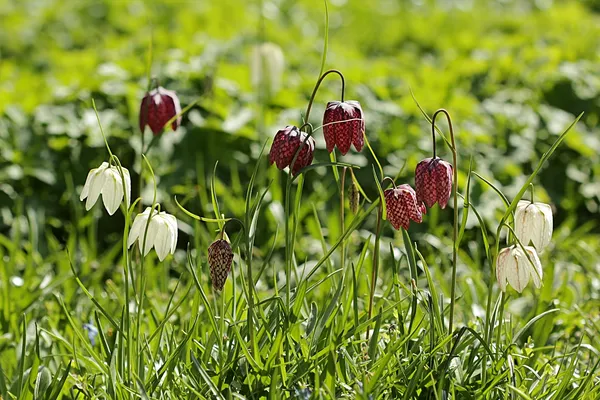
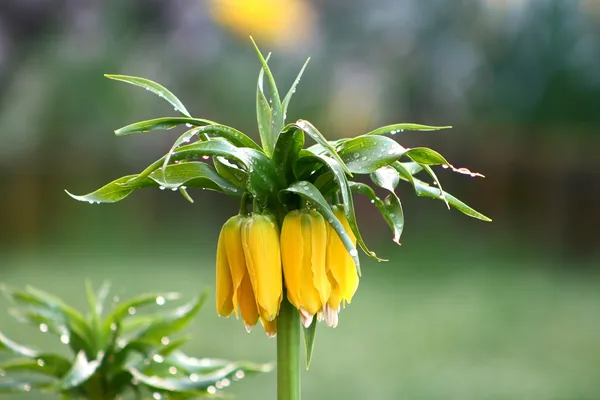
Fritillaria is a very special bulbous plant. The snake’s head fritillary (Fritillaria meleagris) looks beautiful when allowed to naturalize in your garden and has hanging, bell-shaped flowers in purple, pink, or white, often with a spotted pattern. Unlike many other flower bulbs, the snake’s head fritillary can also tolerate moist soil. The imperial fritillary (Fritillaria imperialis) has large flowers on taller stems and emits a distinctive fragrance. The flower color is usually orange, yellow, or red.
Crocuses
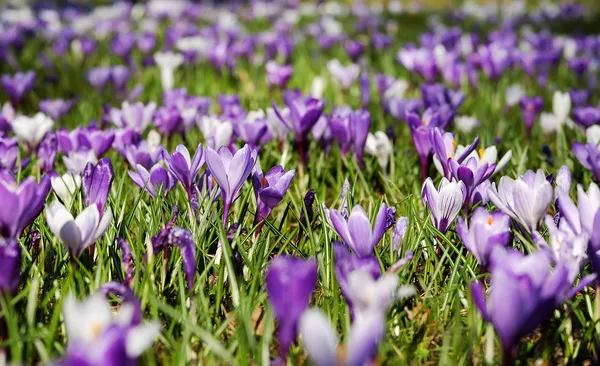
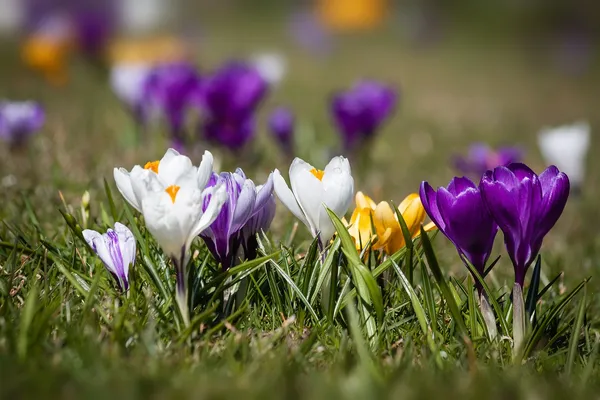
Crocus (Crocus) is one of the earliest flowering plants of the year. Its flowers are low, cup- or funnel-shaped and come in many striking colors and color combinations. Crocuses look their best when planted in large groups, such as in a lawn. Good varieties for naturalizing include the farmer’s crocus (Crocus tommasinianus) and the variegated crocus (Crocus vernus), or possibly the early crocus (Crocus chrysanthus).
Daffodils
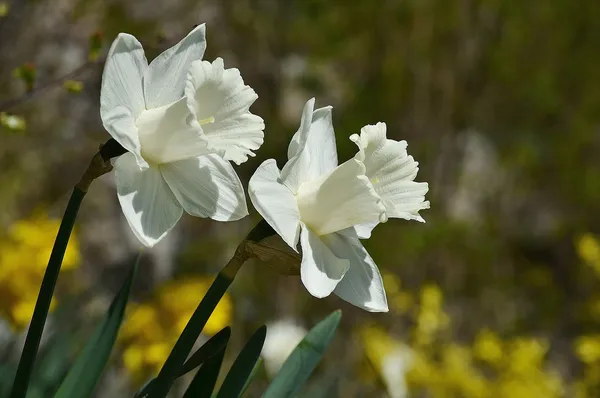
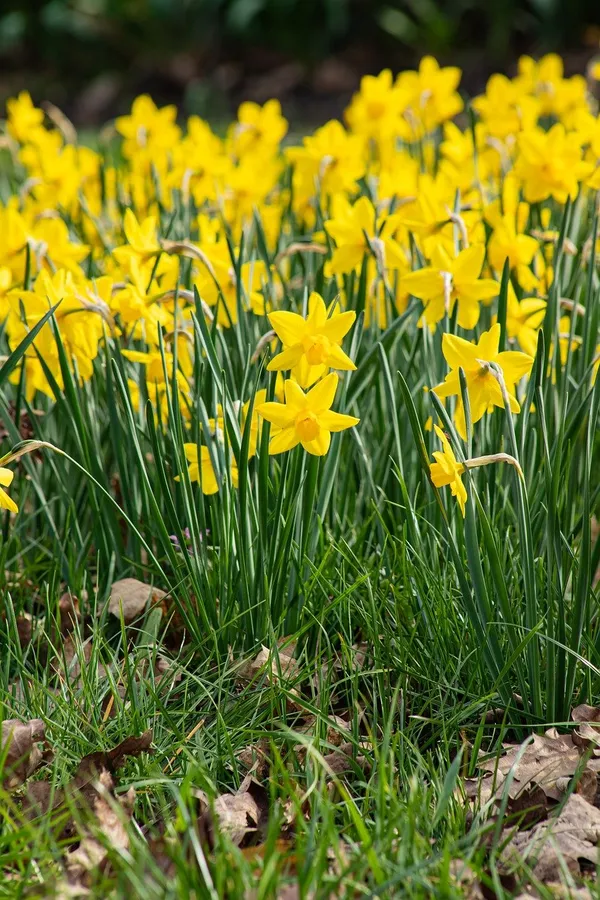
Daffodils are still incredibly popular, and they come in a vast array of species and varieties. From the wild daffodil (Narcissus pseudonarcissus) to the white daffodil (Narcissus Thalia), and from the large-flowered trumpet daffodil (Narcissus Carlton) to small-flowered daffodils such as Tête-à-Tête, Jetfire, and Minnow. Virtually all daffodils can naturalize well in the garden.
Snowdrops and Spring Daffodils
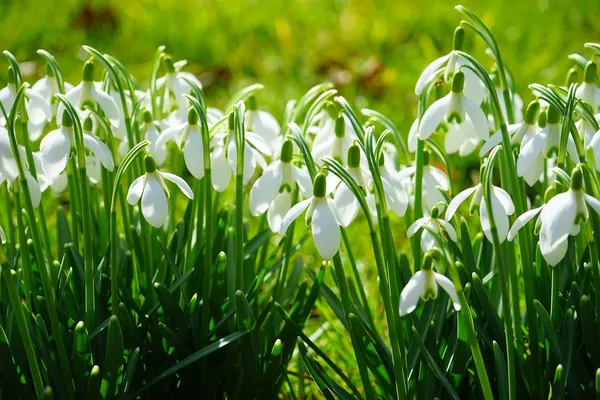
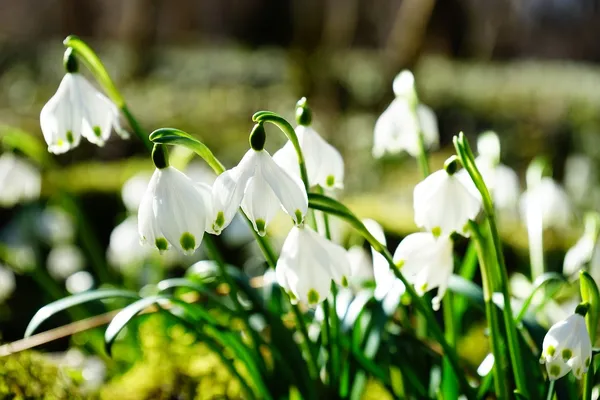
Snowdrops (Galanthus nivalis) are true naturalizing bulbs. Slowly but surely, they will continue to spread. Their distinctive small, drooping, white flowers appear when everything is still bare and it’s still cold enough to be winter. Galanthus nivalis is the common snowdrop, and Galanthus elwesii is the giant snowdrop. There is also the spring snowflake or summer snowflake, but this is not a Galanthus; it is Leucojum. Its flowers are slightly larger and bloom a bit later.
Wild tulips
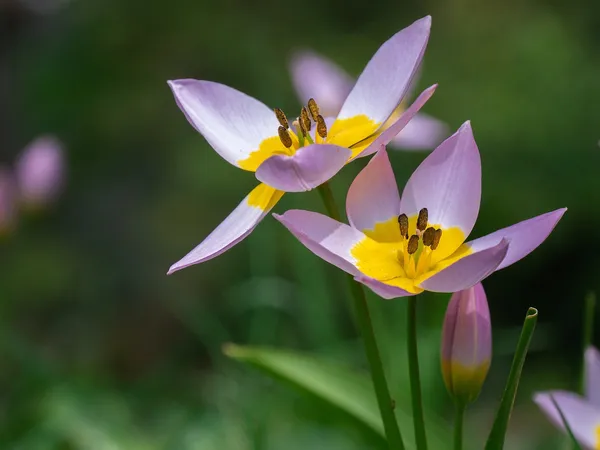
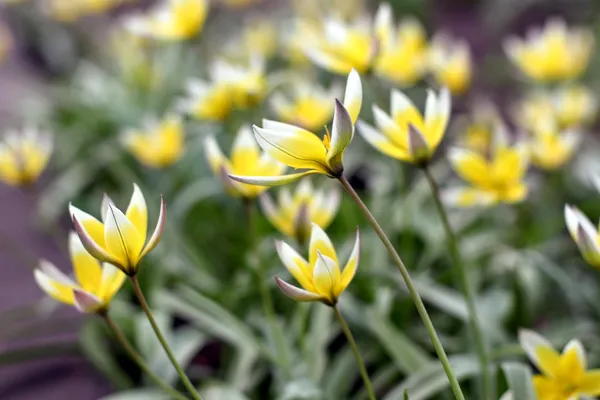
Wild tulips are also known as botanical tulips or forest tulips. These tulips are smaller than the ones most people are familiar with, but they’re perfect for naturalizing. They include various tulip species in a range of colors, such as red, pink, and white. The true wild tulip is Tulipa sylvestris. There are also tarda tulips, turkestanica tulips, and humilis tulips.
Other flower bulbs to let grow wild
- Dwarf Iris (Iris reticulata)
- Prairie Lily (Camassia)
- Snowdrop (Chionodoxa)
- Bird's Milk (Ornithogalum)
- Spring Star (Ipheion)
- Winter aconite (Eranthis)
Fall-flowering naturalizing bulbs
There are also a few fall-flowering bulbs that naturalize easily. Examples of bulbs that naturalize in the fall include autumn crocus, autumn colchicum, and cyclamen.
Tips for Planting Wildflowers in Your Garden
Stinzen plants and naturalizing bulbs require little maintenance and are very easy to care for. Still, we have a few tips for planting them and maximizing their impact in your garden:
- Always buy organic flower bulbs. That way, you can be sure that no pesticides were used, so they aren't harmful to bees and other insects.
- Choose a spot where the plants can remain for years and where they can spread freely.
- Most species need plenty of sunlight in the spring. After flowering, shade is not a problem. Well-drained soil is also usually preferred.
- Wildflower bulbs look beautiful at the front of a border, under trees and shrubs, or along paths, and are best planted in clusters and groups.
- Over time, these bulbs may come to the surface. You can then easily replant them (deeper).
- Although not necessary, an annual application of (organic) fertilizer can help promote better flowering and faster growth in the plants.
- It is important to let the foliage die back naturally so that the flower bulb can absorb enough nutrients to bloom well again next year.
- Choose a variety of naturalizing bulbs that bloom in succession so you can enjoy a blooming border or pot for weeks on end. Start with snowdrops and crocuses, followed by grape hyacinths, wild tulips, and ornamental onions.
- Wildflower bulbs also look very nice in a pot or planter, for example on an outdoor table.