
The Complete Balcony Annual Calendar: A Beautiful Balcony All Year Long!
A balcony changes with the seasons. One month, everything is bursting with growth; the next, it seems as if nature is taking a brief break. It’s precisely that rhythm that makes balcony gardening fun and manageable. Because you’re working in a small space—often full of sun, wind, and pots that dry out more quickly—a balcony needs a little extra attention to stay beautiful.
With this balcony annual calendar, you can see at a glance what to do and when. Small, simple, and easy-to-follow monthly balcony tasks help you keep your plants healthy and your balcony looking neat. This way, you can enjoy a lovely green space all year round.
The Basics of Balcony Maintenance
A balcony requires slightly different care than a garden. Since everything is in pots and the wind and sun are stronger, it’s a good idea to keep these basic rules in mind:
1. Use large pots
The larger the pot, the more moisture the soil can retain and the more stable the temperature remains. Smaller pots are nice, but they dry out faster and require more work.
2. Choose good potting soil
Choose high-quality potting soil, preferably one designed for balcony/patio or garden plants. This type of soil remains well-aerated and contains nutrients for the first few months of the growing season. Poor-quality soil results in poor growth—even for easy-to-grow plants.
3. Watering: regularly and generously
Potting soil dries out faster than garden soil. Watering is very important, because rainwater often doesn’t reach the plants properly or sufficiently. Water regularly and generously. It’s better to give the plants one good watering than to water them in small amounts all the time. In hot weather, watering is a daily task—or even several times a day.
4. Nutrition is essential
Because the nutrient supply in potting soil is limited, supplemental fertilization is essential. Use slow-release pellets in the spring and supplement with liquid fertilizer in the summer. Without fertilizer, plants will quickly become depleted. After all, they do not have access to all the nutrients in the soil.
5. Be mindful of the wind and sun
A balcony is often windier and gets more intense sunlight than a garden. This makes some plants hardier and others more delicate. Pay special attention to the number of hours of sunlight and the wind direction. With the right combination, almost anything will grow well.
6. Sun exposure determines your choice of plants
Full sun, partial sun, or shade? Choose plants that are right for your balcony. Conditions on a balcony are often more extreme than in the garden.
7. Ensure proper drainage
If there's water in a pot, the roots will rot—especially in the winter. Make sure there are drainage holes and use hydro granules or a well-aerated potting mix. Don't let pots get too wet in the winter or leave them out in the rain.
Balcony Annual Calendar
January – hibernation
In January, your balcony is in a state of deep dormancy. Plants aren’t doing much, the sun is low in the sky, and the weather is often wet and cold. Still, this is a good month to take a moment to reflect on your outdoor space. A few simple checks will ensure your plants make it through the winter just fine, and you can take some time to think about what you’d like to change or add this year.
- Check to see if the pots can drain water
- Remove wet leaves and any signs of mold
- Protect frost-sensitive plants with burlap or fleece
- Make a preliminary schedule for the new season
February – Preparations Begin
Although it’s still cold, you can tell that the days are getting longer. Plants aren’t active yet, but you can already start tidying up and getting ready. February is the perfect time to clean, check your supplies, and get a fresh start—without having to plant anything just yet.
- Cleaning pots, racks, platters, and furniture
- Loosen the top layer of old potting soil or replace it
- Remove dead or damaged parts of evergreen plants
- Start sowing early indoors
March – The Balcony Comes to Life
The first true month of spring. Temperatures are rising, buds are appearing, and plants are starting to grow rapidly. March is the perfect time to lay a solid foundation: top off the potting soil, fertilize, prune, and add new plants. What you do now will determine how healthy your balcony will be for the rest of the year.
- Replacing or Topping Off Potting Soil
- First round of fertilization
- Pruning Away Frost Damage
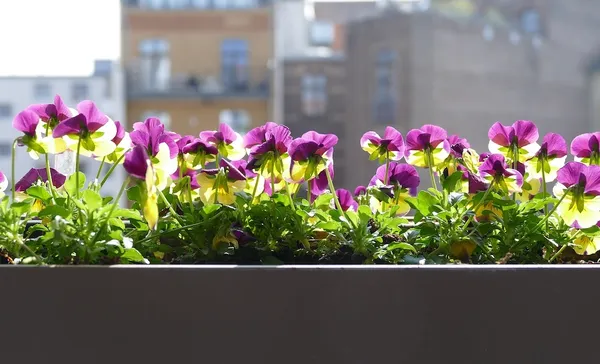
- Planting early-blooming flowers such as violets and primroses
April – Everything Starts to Grow
April is a month full of change. Plants are turning greener, the weather is getting milder, but it can also change suddenly. Rain, wind, and sometimes still-cold nights are all part of it. It’s the perfect month to repot, plant, and transform your balcony into a fresh, spring-like spot.
- Planting Spring and Early Summer Bloomers
- Repotting Plants That Are Crowded
- Provide extra shelter for wind-sensitive plants
- Watering is becoming more important now
May – now you can really let loose
May feels like a month of celebration for balcony enthusiasts. After the Ice Saints (mid-May), you can put just about anything outside without the risk of frost. Your balcony becomes more colorful, fuller, and cozier. This is the perfect time to choose summer-blooming plants and arrange your pots nicely.
- Mediterranean Plants for Outdoor Use
- Planting Summer-Blooming Plants in Large Numbers
- Add slow-release fertilizer pellets
- Water regularly in hot weather
June – Lush and Green
June is a relaxing month. The sun is higher in the sky, plants are growing quickly, and many balcony plants are blooming. Now it’s mainly about watering, fertilizing, and doing a little light maintenance. It’s one of the best months to enjoy your balcony.
- Water regularly and thoroughly
- Remove spent flowers
- Continue harvesting herbs to encourage new growth
- Relocating Plants That Are Affected by Intense Sunlight
July – Warmth, Heat, and Drought
July is the hottest month of the year—and you can really feel it. Plants can dry out and get scorched more quickly, but with the right care, your balcony will look better than ever. July is all about routine: watering, fertilizing, and making small adjustments.
- Water the plants, sometimes twice a day in hot weather
- Use saucers for plants that need water (do not let them fill up)
- Liquid food every 2 weeks
- Check the leaves daily for signs of scorch
August – Extend the Season
Your balcony is often still in full bloom, but some plants are starting to show signs of fatigue. With a little extra care, your balcony can continue to bloom well into the fall. August is a month for pruning, maintaining, and sometimes adding a few new plants.
- Continue to remove dead flowers and seed heads
- Water sufficiently; the soil dries out quickly
- Add late-blooming plants for an extra bit of late summer
- Making plans for the fall schedule
September – the transition to fall
The light changes, the temperature drops, and growth slows down. September is a transitional month when you can still fully enjoy your balcony. At the same time, you can already make a few small adjustments in preparation for the coming fall.
- Gradually reduce the amount of water
- Stopping Feeding
- Pruning and Harvesting Herbs
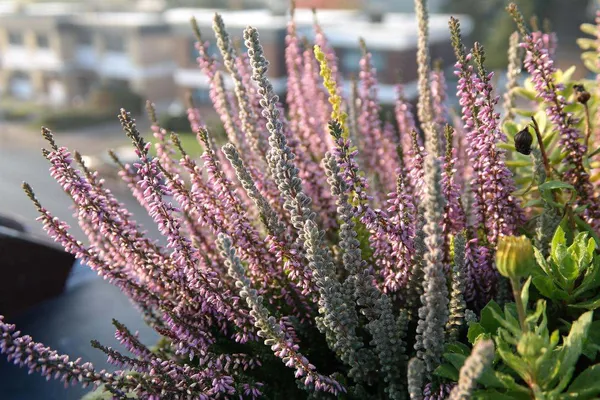
- Planting fall-blooming plants such as heather or asters
October – Fall Makeover and Winter Prep
October is the perfect time to make the transition from summer to winter. Annuals give way to hardy plants, you can rearrange your pots, and everything takes on a warmer, autumnal look.
- Remove annuals that have finished blooming
- Plant them closer together for shelter
- Empty the pots that you won't be overwintering
- Planting Hardy and Fall-Blooming Plants
November – Protect and Clean Up
The combination of cold and damp weather makes this month challenging for potted plants. November is all about protection: not much work, but very effective. A few simple steps will help your plants stay healthy through the winter.
- Prune Dead Parts
- Check the drainage
- Loosen the potting soil with a rake
- Applying Mulch to Protect Against the Cold
December – Winter Rest
In December, your balcony may seem a bit bare, but evergreen plants and winter decorations can actually add a lot of charm. You don't have to do much—just check on them occasionally in case of extreme frost or storms.
- Checking Pots During Frost and Thaw
- Secure the windbreak properly
- If necessary, plant additional evergreens
- Making Small Plans for Spring
A Beautiful Balcony in Every Season
A balcony that adapts to the seasons never feels boring or high-maintenance. By taking a few small steps each month, your balcony will remain a green, pleasant place all year round. Even with limited time or space, a balcony can add a surprising amount of atmosphere and life.