
The Best Hellebore Varieties for a Magical Winter Garden
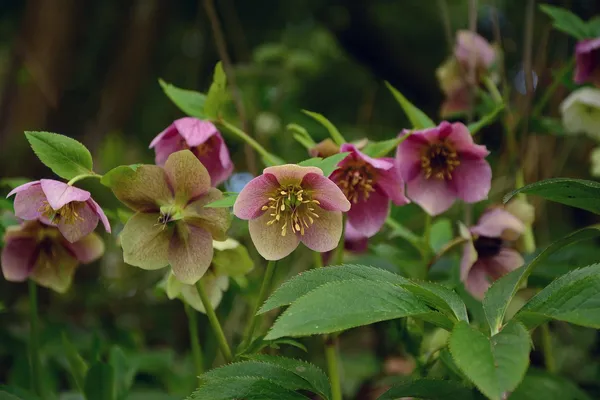
Helleborus blooms are a sight to behold. At a time when very few other plants are in bloom, Helleborus flowers are a striking and welcome sight. They come in a variety of colors and often feature beautiful patterns. The flowers hang downward, giving them a delicate appearance. Yet they are very hardy plants and bloom for a long time.
Helleborus is also known in Dutch as the Christmas rose, spring rose, or sneezeweed, depending on the species. The leaves are fairly thick and leathery and remain on the plant even in winter. When it freezes, the leaves droop, but they recover as the temperature rises. The flowers (or, more accurately, sepals) are large and green, white, pink, red, or purple. Hellebore blooms well into spring. The well-known white Christmas rose (Helleborus niger) stops blooming a bit earlier, but it also starts blooming earlier.
Hellebore is a unique and beautiful winter-blooming plant. You can enjoy these gorgeous flowers from December or January through March and April. A real asset to the winter garden—we wouldn’t want to be without them!
Tip: Plant Helleborus in pots, containers, or a raised border. That way, you can see the flowers much better!
Our Favorite Helleborus Varieties
Helleborus niger (Christmas rose)
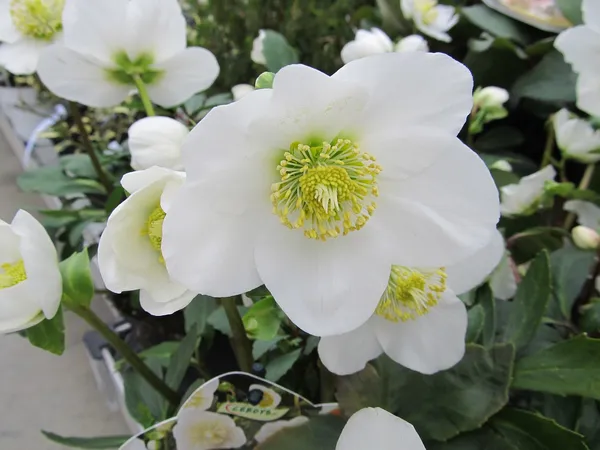
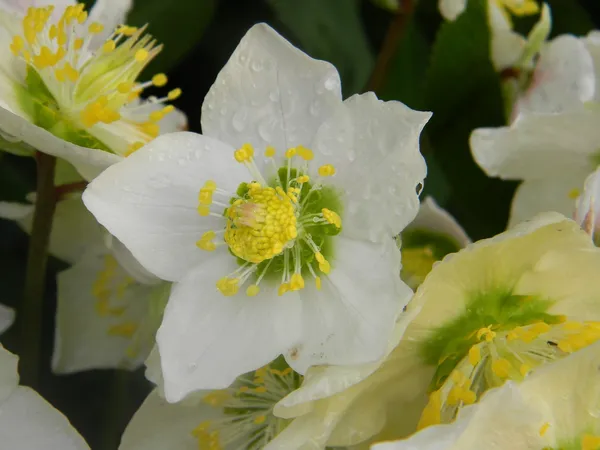
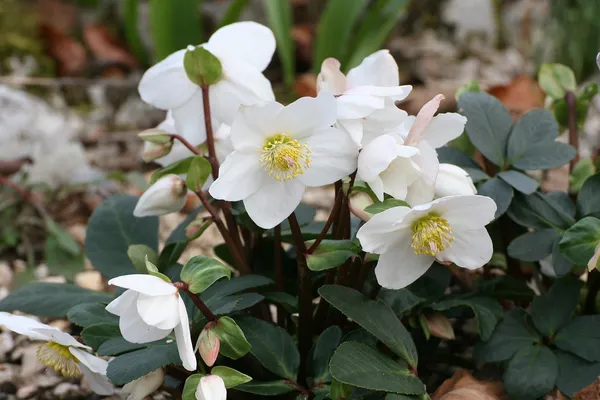
The best-known Helleborus species are Helleborus niger and its cultivars. This is the classic Christmas rose and is still a joy to behold. It blooms pure white with a yellow center. It also looks very nice in a pot—for example, paired with other winter plants such as winter heather, Skimmia, or mountain tea. But it’s also stunning as a specimen plant, especially in a larger size. It blooms starting in January. Want to see it bloom even earlier? Then choose the early-blooming Helleborus niger ‘Praecox’ or Helleborus ‘Christmas Carol’.
Helleborus niger sometimes develops black leaves or spots on its leaves, especially just before blooming. However, you can trim these leaves off without any problem. This also lets you see the flowers better.
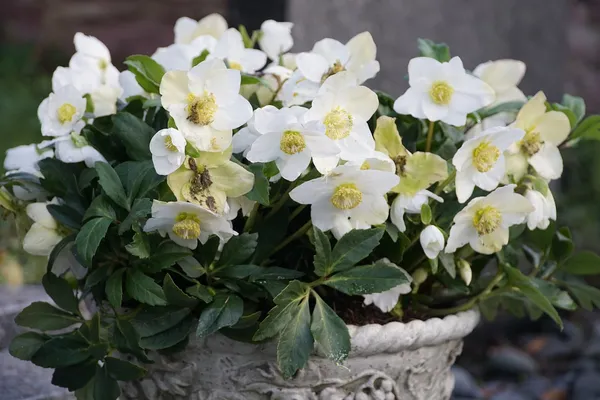
Helleborus orientalis (Eastern Hellebore or Spring Rose)
In our opinion, the most beautiful and unique Helleborus varieties are the orientalis. In Dutch, we don’t call these varieties “Christmas roses,” but rather “oriental hellebores” or “spring roses.” This name already hints that they bloom a bit later—but also for longer. Helleborus orientalis often blooms as late as April! This makes for some really lovely plant combinations.
The leaves of Helleborus orientalis seem to stay beautiful longer than those of Helleborus niger, for example.
Our favorite Helleborus orientalis
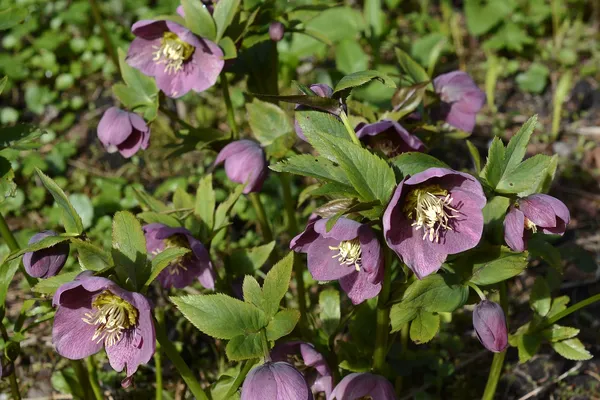
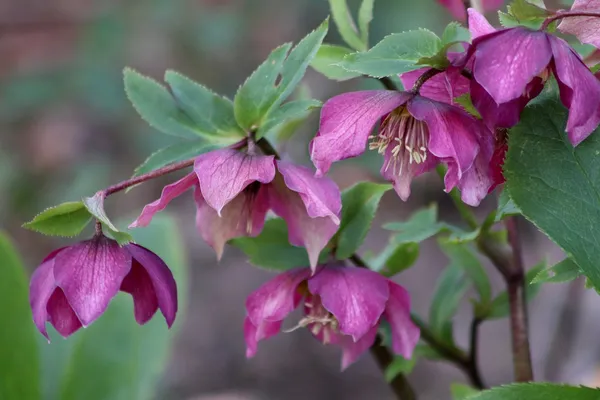
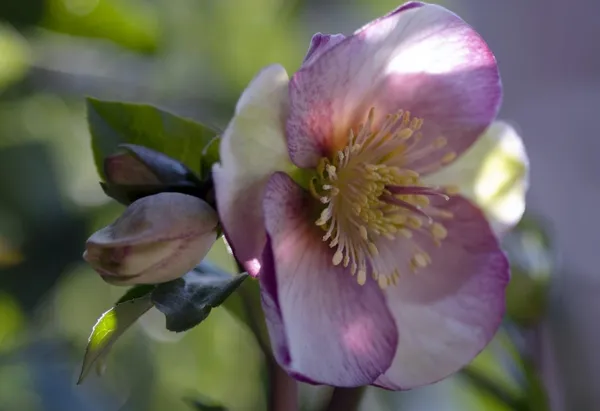
Helleborus ‘Pretty Ellen’
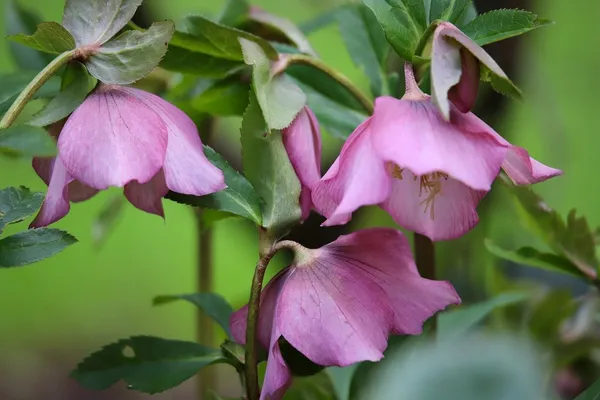
Pretty Ellen is a beautiful single-flowered Helleborus variety, with flowers in shades of pink, red, purple, and white. It blooms from around January through March–April.
Well-known cultivars: Helleborus ‘Pretty Ellen Pink’, ‘Pretty Ellen Red’, ‘Pretty Ellen Purple’, ‘Pretty Ellen White’, ‘Pretty Ellen Spotted’.
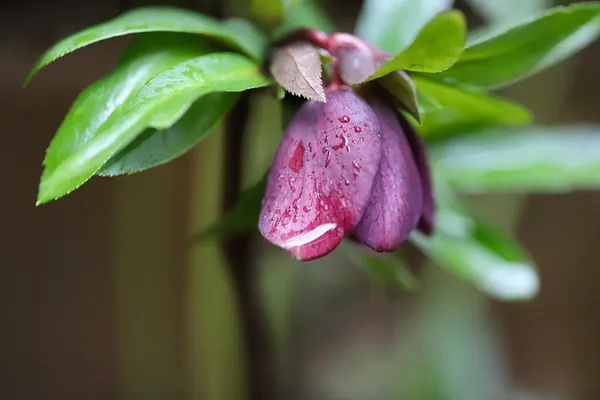
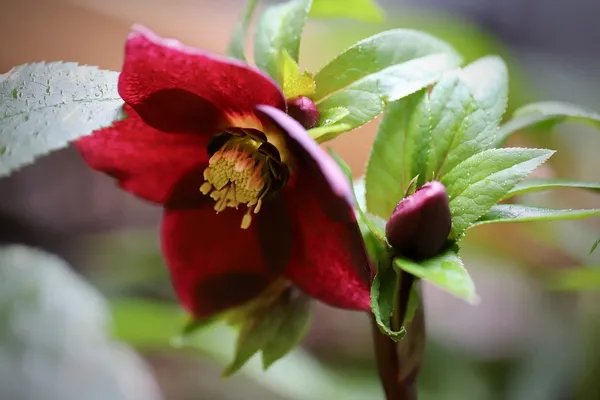
Helleborus ‘Double Ellen’
Double Ellen is a hybrid variety of Orientalis with double flowers. Helleborus ‘Double Ellen’ is also available in various colors, such as pink, red, purple, white, variegated, and speckled. It blooms from January through March–April.
Well-known cultivars: Helleborus ‘Double Ellen Pink,’ ‘Double Ellen Red,’ ‘Double Ellen Purple,’ ‘Double Ellen Picotee,’ and ‘Double Ellen Apricot.’
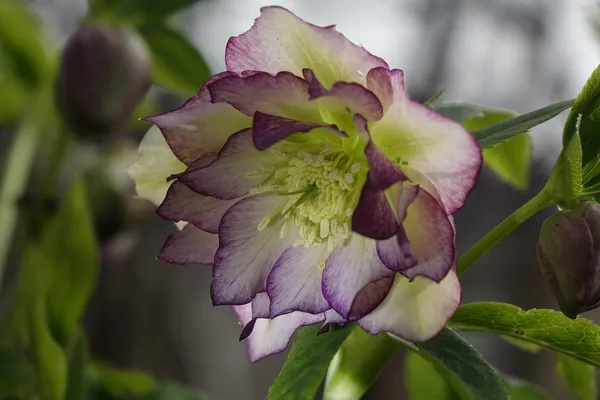
Helleborus ‘Picotee’
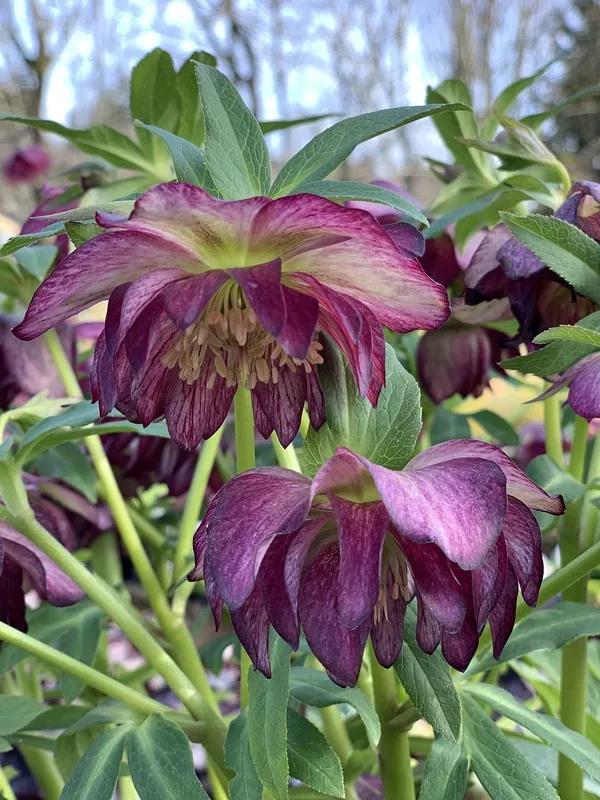
Picotee has flowers with veined petals and a dark edge. They are often double-flowered. There are many varieties and combinations. They bloom from February through April.
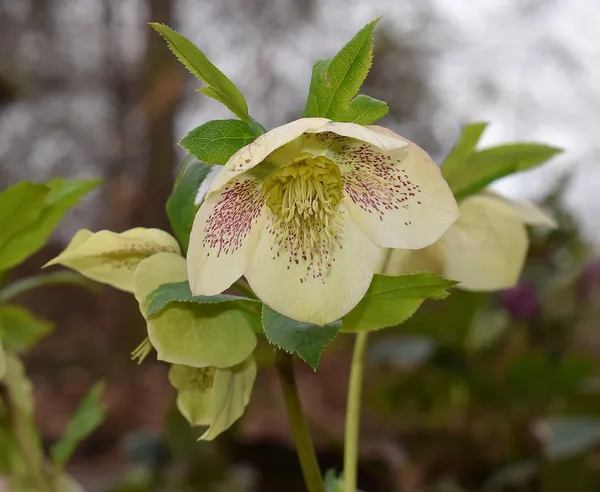
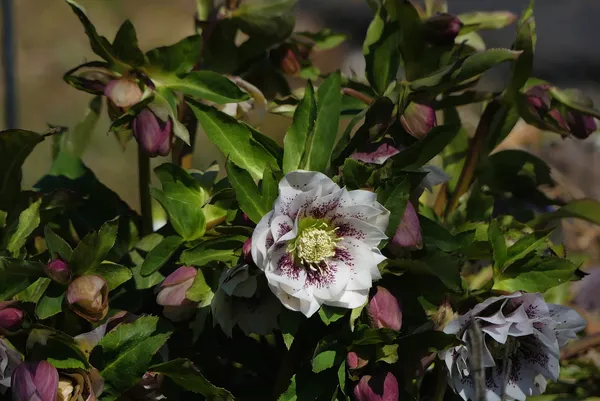
Helleborus ‘Spotted’
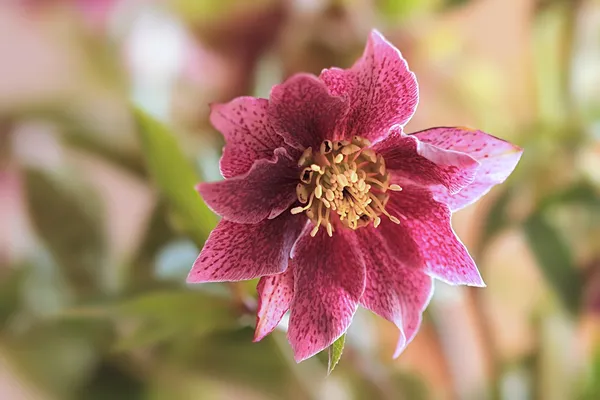
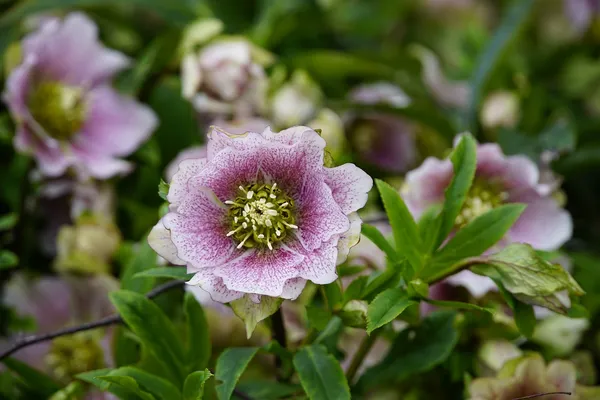
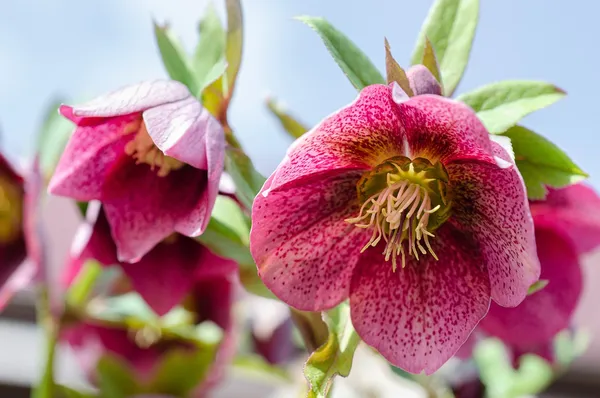
Another special group is Helleborus ‘Spotted.’ These are varieties with spots. Sometimes the spots start from a dark border around the center, but often they’re just spots. This gives them a very unique and delicate appearance. Yet (fortunately) they’re just as hardy as the other Orientalis varieties.
My Helleborus looks different from the photo: is this normal?
It’s good to know that Helleborus is often grown from seed. This means that each plant may look different from the photos or other Helleborus plants in your garden. A photo on the internet or on the label is therefore only a rough guide. It’s precisely because of this that the most beautiful variations often emerge.
Which Helleborus is your favorite?
As far as we’re concerned, Helleborus varieties are a must-have in the winter garden. There are many cultivars available. We’re big fans of the “Ellen” varieties, but new ones are constantly being introduced. Helleborus niger is also widely cultivated these days—either for earlier blooms or for a beautiful two-tone color.
Which one is your favorite?