The Best Ground Covers
Planting groundcover is an effective way to prevent weeds from growing. Since there is no longer any bare soil, weeds have much less of a chance to take hold. It also often looks much nicer and more natural than bare black soil. It will quickly give your garden a beautiful green appearance!
A good groundcover plant stays fairly low, is evergreen, and forms a dense carpet. Of course, being easy to care for is also a big plus for your groundcover plants.
Easy Ground Covers
Although many groundcovers do grow best under specific conditions, some are truly versatile. These species grow very easily in a wide variety of locations and are undemanding.
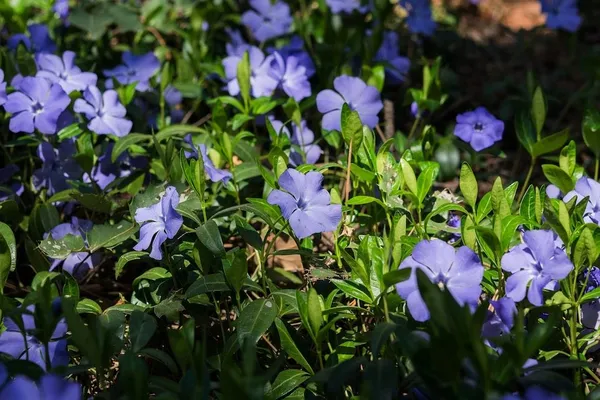
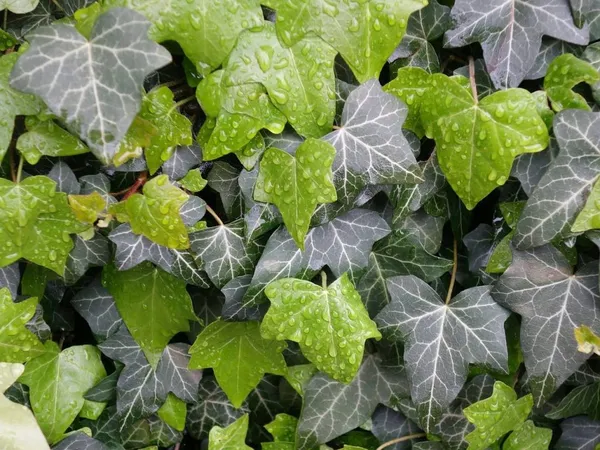
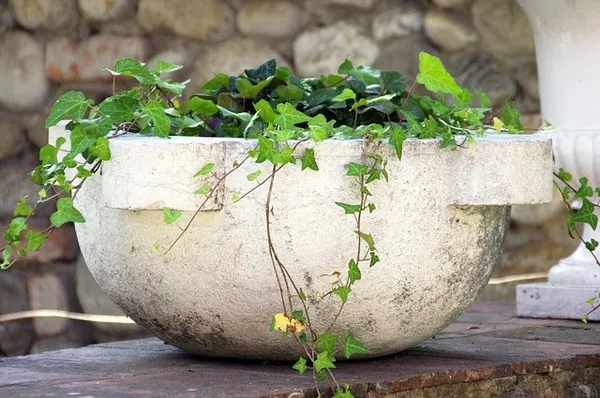
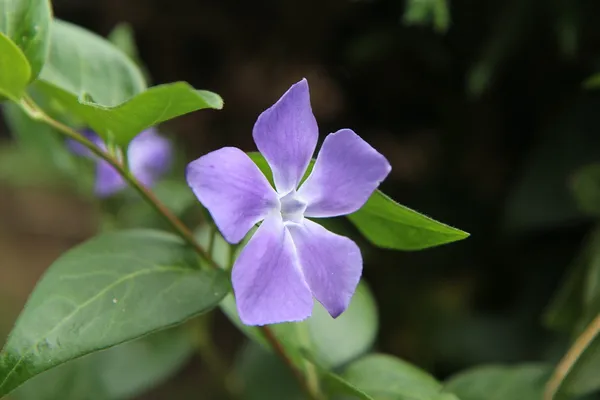
Perhaps the best-known and easiest-to-grow ground covers are Hedera helix (small-leaved ivy), Hedera hibernica (large-leaved ivy), and Vinca minor (periwinkle).
The following species are also by no means demanding and can be planted in a wide variety of conditions:
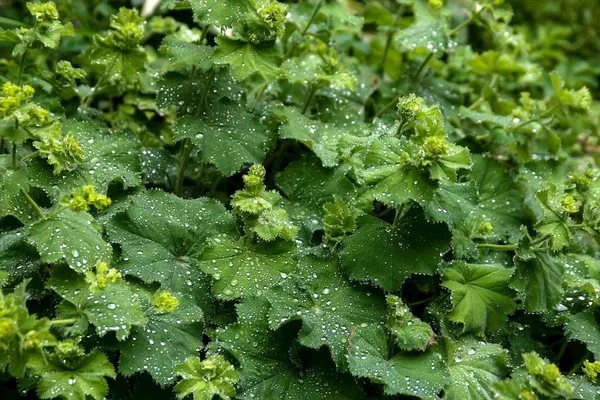
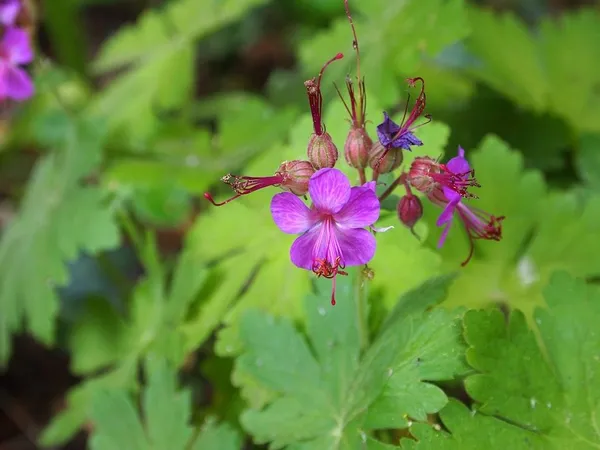
Geranium macrorrhizum (crane's-bill), Bergenia cordifolia (heart-leaved bergenia), Alchemilla mollis (lady's mantle), Ajuga reptans (creeping bugle), and Liriope muscari (lilyturf).
Why Plant Ground Cover?
Groundcovers are indispensable in your garden. These hardy plants make gardening a lot easier. Because groundcovers form a dense canopy, they act as a natural barrier against weeds. After all, little to no sunlight gets through this cover. You might think the soil would dry out faster because there are even more plants growing, but the opposite is true: ground covers actually help retain moisture longer. Planting groundcovers also helps keep the soil in place, thereby preventing soil erosion. This is a major advantage on slopes and on sandy soil, for example.
Groundcover plants reduce the amount of maintenance your garden requires and give it a green, lush appearance—which is so much nicer than bare, black soil. In addition, these plants attract many bees and butterflies when they bloom and provide shelter for small animals, birds, and insects.
Great ground covers for every situation
Although it sometimes seems at a garden center as if every groundcover plant is suitable for any spot in your garden, these plants naturally have their own preferences and requirements when it comes to location. That’s why we’ve put together an overview of the best groundcovers for each location.
The Best Ground Covers for Full Sun
Do you have a south-facing garden where your plants are baking in the sun? If so, your selection of ground covers is likely to be much more limited. Still, there are certainly plenty of plants that can cover your garden soil even under these conditions.
- Vinca minor (periwinkle)
- Hedera helix (small-leaved ivy)
- Hedera hibernica (large-leaved ivy)
- Geranium macrorrhizum (crane's-bill)
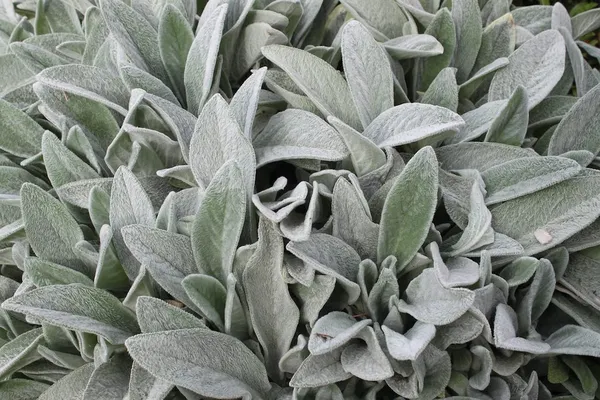
- Stachys byzantina (donkey's ear)
- Nepeta faassenii (catnip)
- Ceanothus thyrsiflorus Repens (creeping American lilac),
- Festuca gauttieri (tufted fescue)
- Leptinella squalida (copper button)
- Campanula poscharskyana, portenschlagiana (bellflower)
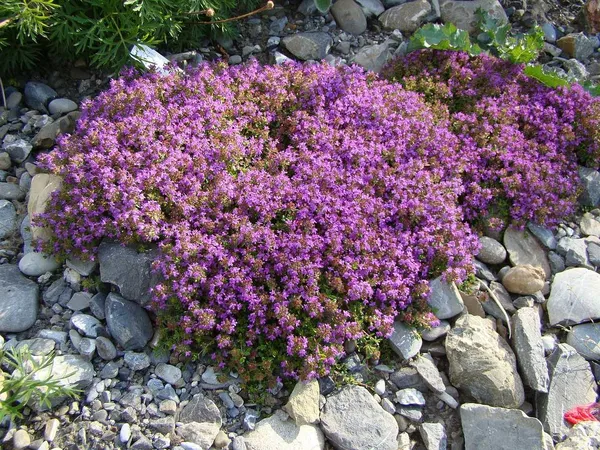
- Thymus praecox (creeping thyme)
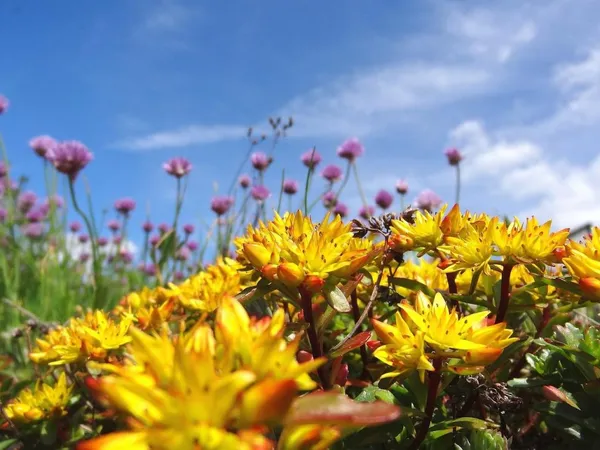
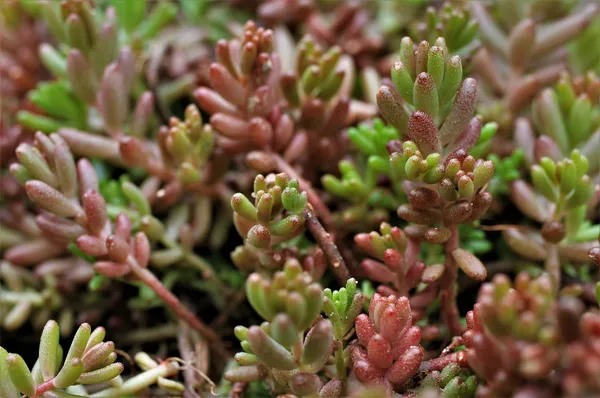
- Sedum album, oreganum, lydium (stonecrop)
- Sedum acre (stonecrop)
- Phlox subulata (creeping phlox)
- Lavandula angustifolia (lavender)
Good Ground Cover Plants for Dry Soil
Do you have a raised bed in full sun, or is your garden soil very sandy, or do you have exceptionally good drainage? If so, you'll find that many plants (and especially ground covers) struggle in these conditions.
- Vinca minor (periwinkle)
- Stachys byzantina (donkey's ear)
- Nepeta faassenii (catnip)
- Ceanothus thyrsiflorus Repens (creeping American lilac)
- Festuca gauttieri (tufted fescue)
- Thymus praecox (creeping thyme)
- Sedum album, oreganum, lydium (stonecrop)
- Sedum acre (stonecrop)
- Lavandula angustifolia (lavender)
The Best Ground Covers for Shade
Many of the groundcover plants we use in the garden are native to wooded areas or forest edges. That’s why most of them are also well-suited for a shady garden or a border in the shade. Keep in mind, however, that there are different types of shade, including partial shade, deep shade, and dappled shade.
- Vinca minor (periwinkle)
- Hedera helix (small-leaved ivy)
- Hedera hibernica (large-leaved ivy)
- Campanula poscharskyana, portenschlagiana (bellflower)
- Geranium macrorrhizum (crane's-bill)
- Waldsteinia ternata (Gouda strawberry)
- Carex (sedge)
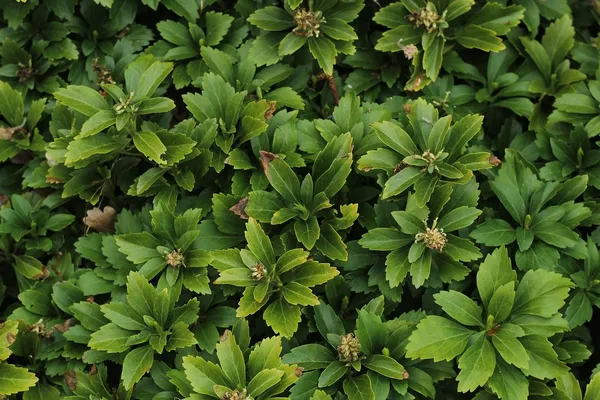
- Pachysandra (shade plant)
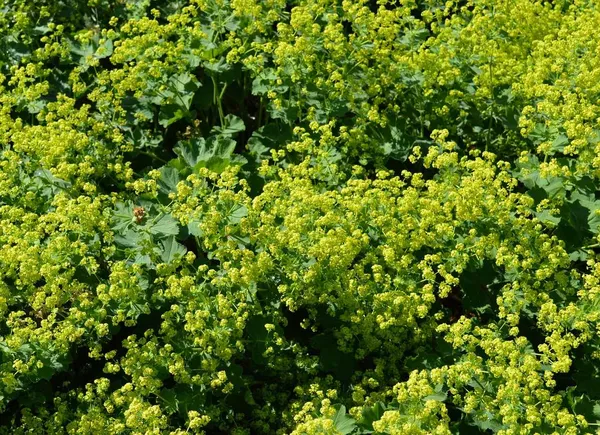
- Alchemilla mollis (lady's mantle)
- Asarum europaeum (European wild ginger)
- Lamium maculatum (spotted deadnettle)
- Tiarella cordifolia (foamflower)
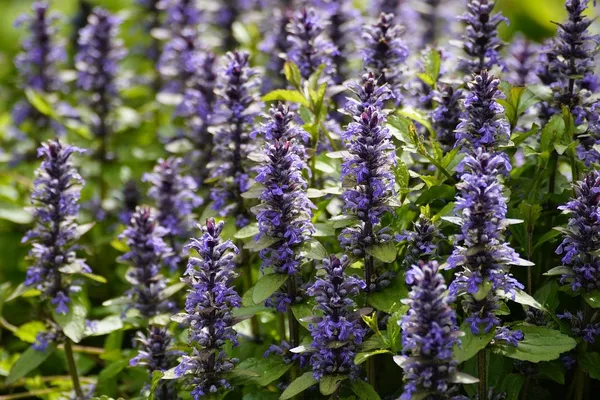
- Ajuga reptans (creeping bugle)
- Bergenia cordifolia (shoe-leaved bergenia)
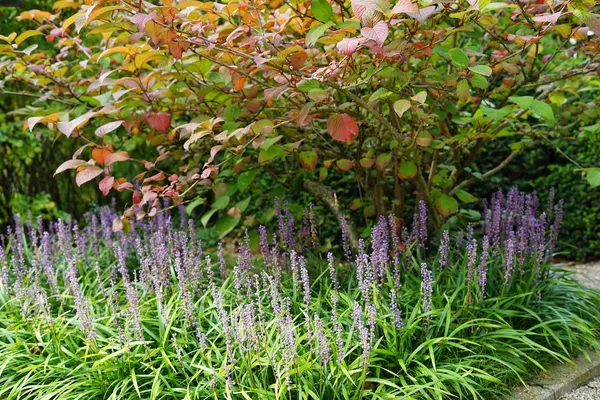
- Liriope muscari (lilyturf)
- Luzula sylvatica (wood sedge)
- Lysimachia nummularia (coinwort)
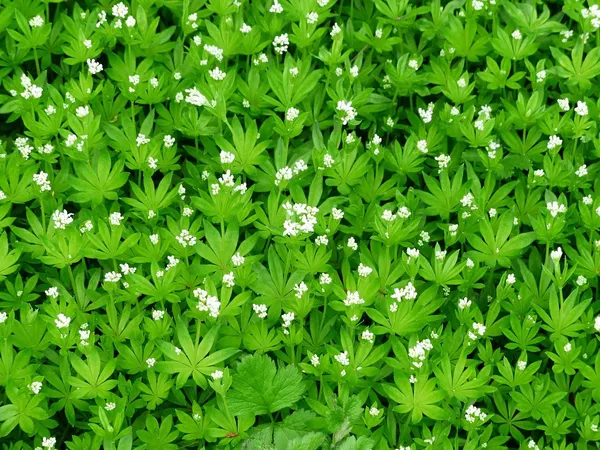
- Galium odoratum (sweet woodruff)
- Epimedium (horny goat weed)
Ground Covers for Deep Shade
Under a tree, there is often a lot of shade—or deep shade—combined with dry soil. These conditions aren't ideal for many plants. However, the plants listed below thrive here.
- Hedera helix (small-leaved ivy)
- Hedera hibernica (large-leaved ivy)
- Geranium macrorrhizum (crane's-bill)
- Pachysandra (thick-leaved herb)
- Alchemilla mollis (lady's mantle)
- Lamium maculatum (spotted deadnettle)
- Tiarella cordifolia (foamflower)
- Ajuga reptans (creeping bugle)
- Bergenia cordifolia (shoe-leaved bergenia)
- Epimedium (horny goat weed)
Good Ground Cover Plants for Wet Soil
Do you have soil that is and remains moist to wet in the winter (or even in the summer)? If so, consider the following species as potential ground covers.
- Waldsteinia ternata (golden strawberry)
- Asarum europaeum (European wild ginger)
- Lysimachia nummularia (coin-shaped loosestrife)
- Galium odoratum (sweet woodruff)
- Sagina subbulata (stone cress)
- Hedera helix (small-leaved ivy)
- Hedera hibernica (large-leaved ivy)
Ground Cover Plants for Sloping Terrains
A sloping hillside (or embankment) also poses a major challenge for many plants. Water often drains away quickly, and it is important for the plants to be able to establish strong roots on a sloping surface. In addition, the plants can help hold the sloping hillside together (through their roots).
- Hedera helix (small-leaved ivy)
- Hedera hibernica (large-leaved ivy)
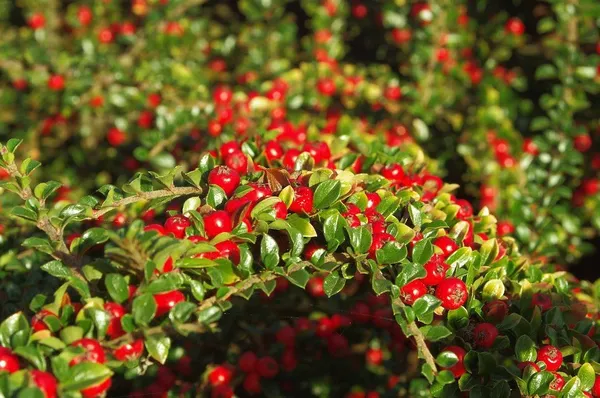
- Cotoneaster dammeri (dwarf cotoneaster)
- Vinca minor (periwinkle)
- Waldsteinia ternata (golden strawberry)
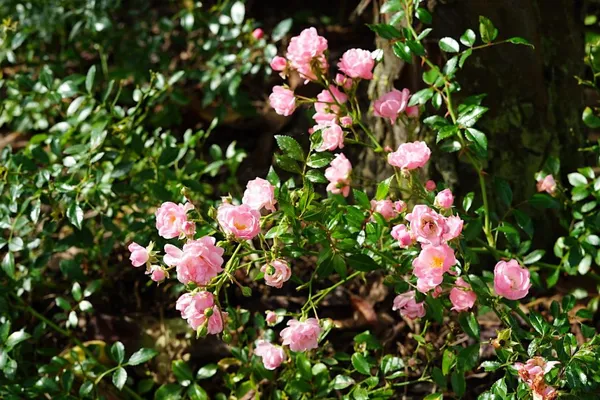
- Rosa The Fairy (groundcover rose)
- Lavandula angustifolia (lavender)
- Calluna vulgaris (common heather)
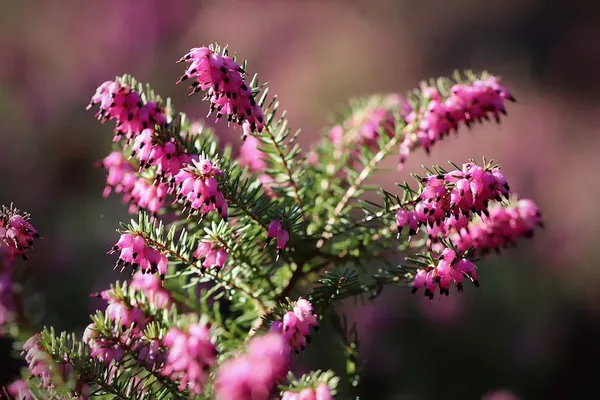
- Erica carnea (winter heather)
- Sedum (stonecrop)