
The Art of Transience – On Nynde’s Bee Balcony
Nynde has transformed her bare 17-square-meter city balcony into a vibrant haven for wild bees, butterflies, and other animals. You may already know Nynde from her Instagram account “Bijenbalkon” and her blogs for the Bijenstichting. Check out her tips and fun blog posts here about biodiverse balcony gardening and greening even the smallest balconies.
It’s fall; the leaves are falling, and nature is preparing for a long hibernation. Fall is also very much in the air on our balcony: withered flowers, leaves, and twigs are piling up. We often feel the urge to tidy everything up and get it “ready for winter.” But is that really necessary? What might seem messy to us is actually the perfect preparation for nature. In this blog, I’ll show you how to winterize your balcony in a way that benefits not only you, but also the bees and all your other little visitors—a place that stays lively and full of surprises even during the dark months!
Let things be
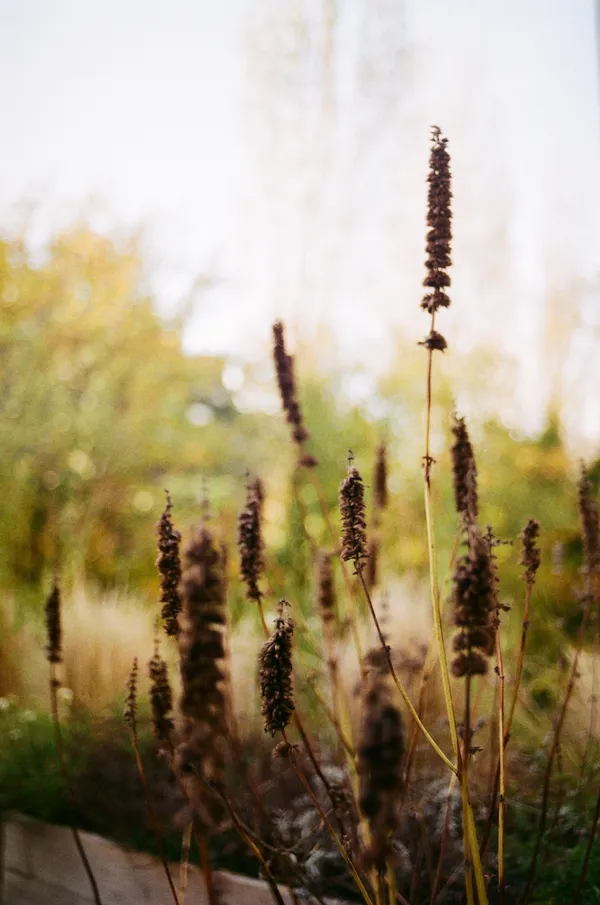
In the fall, bumblebees and other insects look for a sheltered spot to spend the winter. They burrow underground, nestle under a pile of leaves, or find a spot in a nook or cranny on your balcony. Other insects take shelter in hollow stems or in the seed pods of flowers that have finished blooming. So leave your spent plants where they are—all that pruning and tidying up takes away those natural resting spots.
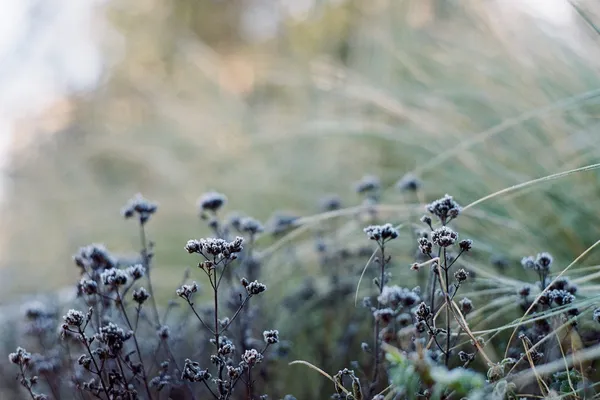
What’s more, plant seeds are a treat for birds, and many perennials remain beautiful to look at even after they’ve finished blooming. Every year, I enjoy the winter silhouettes of wild marjoram, licorice plant, and coneflower on my balcony. Especially when a light dusting of snow settles on them, they look just like little works of art.
Around mid-March is a great time to break out your pruning shears. Then you can carefully cut away all the brown stems to about 10 centimeters above the ground, so that plenty of sunlight can reach the new shoots and the plants have plenty of room to grow and bloom.
Caring for Your Plants in Winter
So, the messier, the better! But what can you actually do? With a few simple steps, you can ensure that your plants get through the winter healthy and strong, and give them a solid foundation for a fresh start in the spring.
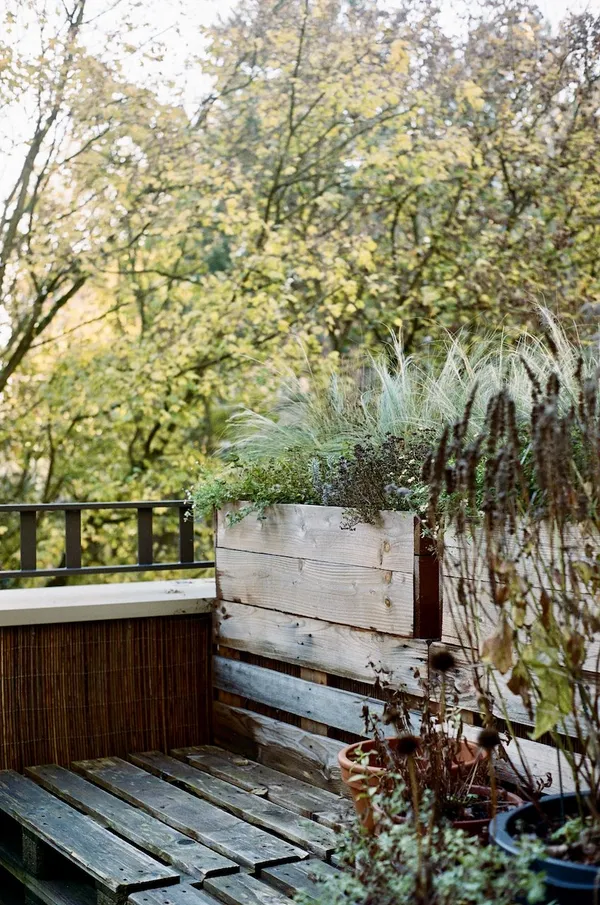
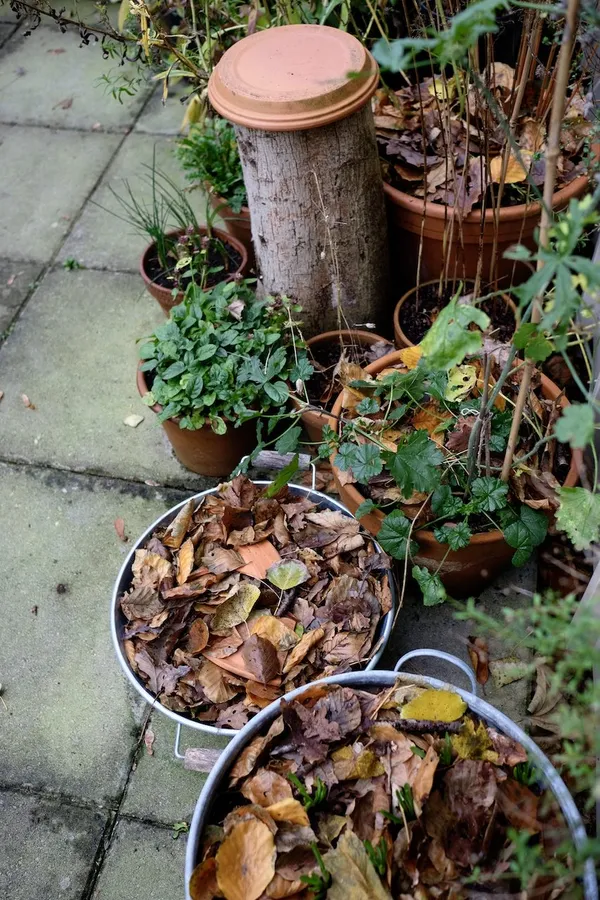
First of all, good drainage is essential. Do you have saucers under the pots? Remove them and raise the pots slightly, for example, on terracotta stands or wooden slats. This creates some space between the bottom of the pot and the floor, allowing excess water to drain more easily and preventing the roots from rotting or freezing. Does your balcony have a small awning? Place your plants underneath it to protect them from heavy rain.
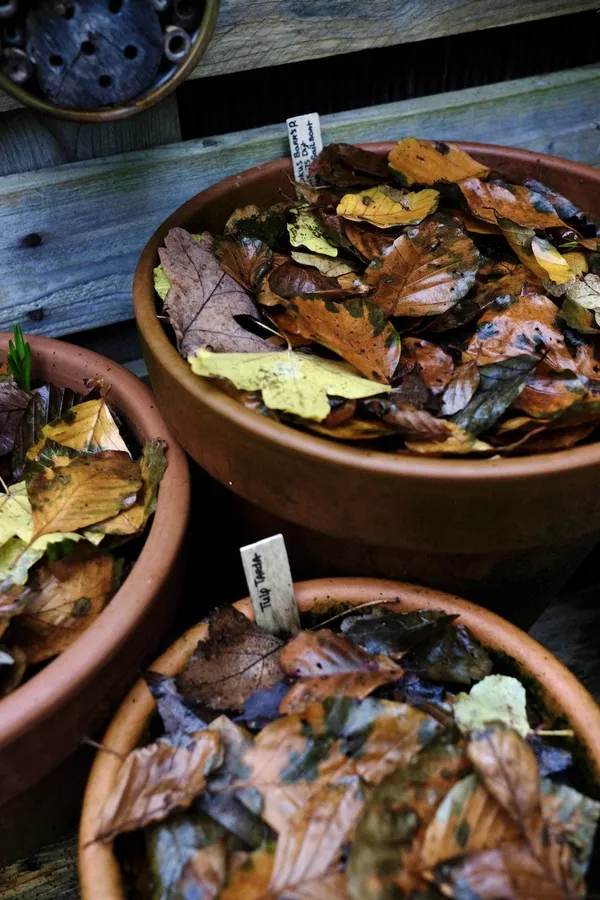
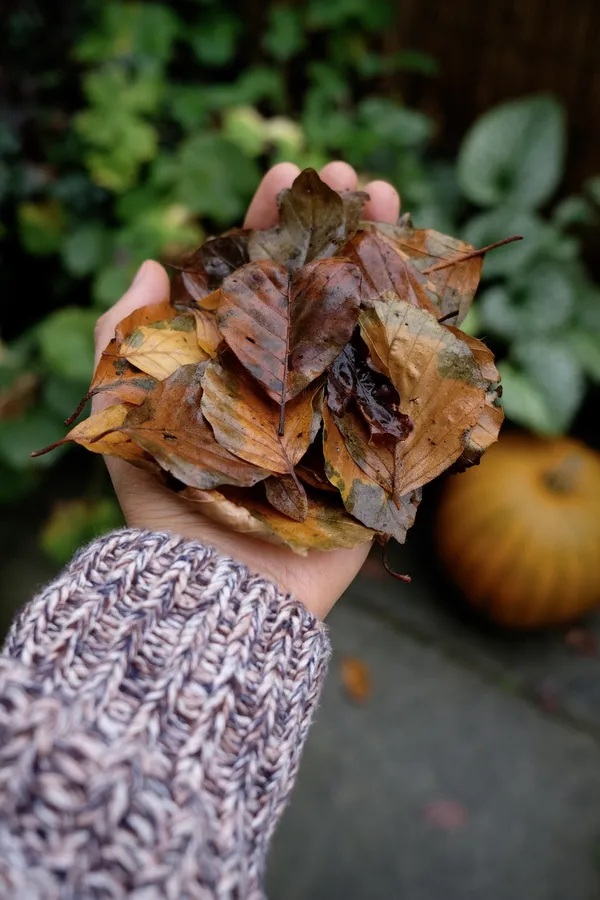
You can also give your plants a little help by mulching the soil with some leaves, straw, or wood chips. Just look at nature: trees drop their leaves, which protect and nourish the soil. You can do the same on your balcony! Fall leaves are everywhere right now, just waiting to be picked up, so head outside, fill a large bag, and spread a layer around your plants. This not only gives them a warm blanket against the frost, but also creates extra hiding spots for small animals.
Tip: The rain washes a lot of nutrients out of the potting soil, so by the time spring rolls around, your plants could use a boost. Be sure to feed them well around March or April, for example with worm compost.
Cheerful Winter Visitors
A lush balcony quickly attracts all kinds of life: bees, flies, spiders, and other little creatures love to make their home there. And where there are little creatures, curious birds are sure to follow! Titmice, blackbirds, and robins love to stop by for a look, especially in winter when food is scarce. The more greenery and shelter your balcony offers, the cozier it becomes!
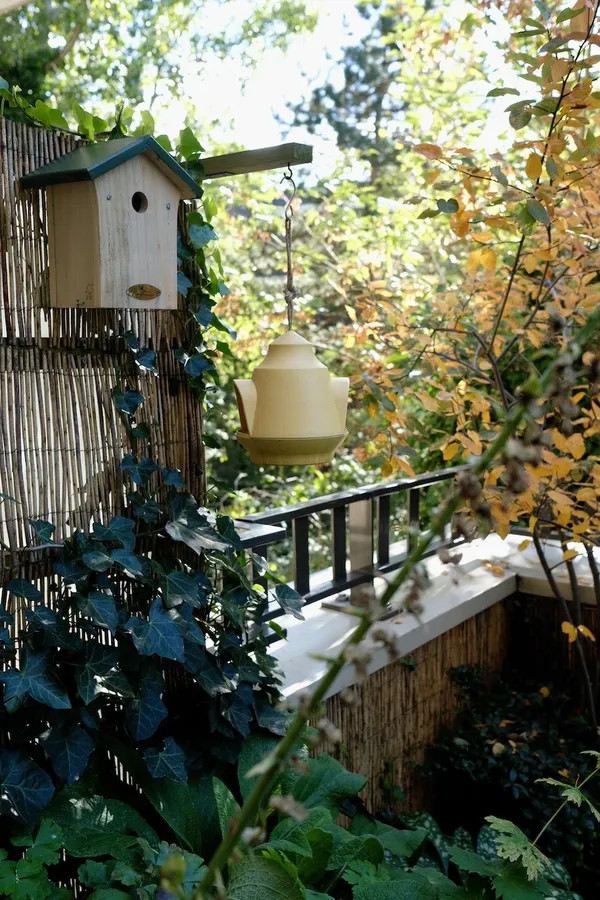
In addition to the seeds from your plants, you can treat the birds to some extra goodies. It’s best to choose organic birdseed, because unfortunately, standard birdseed often contains pesticides. For example, buy organic seeds and grains and make your own mix. Want to make your balcony even more inviting? Hang up a birdhouse! In the winter, it offers shelter, and in the spring, it might even become a cozy nest.
And how about a small tree? Insects and birds love it, and every season offers a different view. That’s how I enjoy my currant bush all year round: from the first buds in winter to the enchanting white blossoms in spring and the ripening berries in summer. But the real fun begins in the fall, when the leaves turn warm shades of red and orange and I hang suet balls from the branches. Then it becomes a popular hangout, and even the great spotted woodpecker comes by to take a peek!
With all those chirping little creatures around, winter certainly doesn't have to be boring. And before you know it, the first spring bulbs will be blooming, and the first bumblebees and bees will be emerging again.
Looking Back and Making Plans for the New Year
So, now that your balcony is all set to weather the winter, this is the perfect time to look back on the past year. What worked well? What else can you do to help bees? Maybe you’d like to make your balcony even greener with native plants, build a bee hotel, or perhaps create that cozy little seating area to enjoy all the life around you even more.
Now is the perfect time to dream and make plans for the coming season. But above all, this is the time to go with the flow of nature, embrace the tranquility of winter, and take a moment to appreciate the beautiful, biodiverse oasis you’ve created. Here’s to a vibrant new year full of flowers, bees, and other colorful visitors!