
The advantages of a hedge over a fence
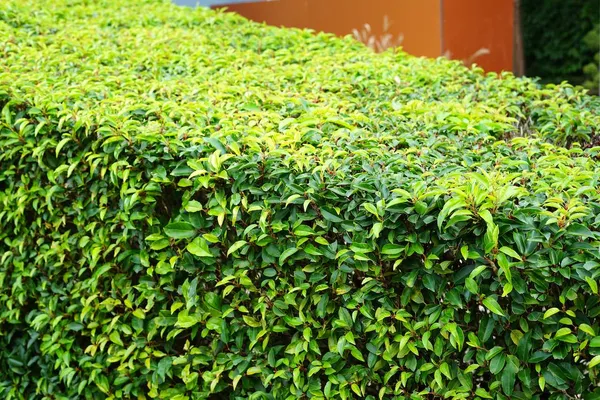
When creating a new garden or planning a new garden, you face an important decision: should you choose a fence or a hedge? A fence is quick to install and immediately creates a clear boundary, but a hedge offers many more long-term benefits. It combines privacy with a green appearance and ecological value. Moreover, a hedge adapts to the seasons and can grow and regenerate for years to come. Fortunately, more and more garden owners are therefore choosing a hedge as a future-proof and natural boundary.
The greenery serves as a natural barrier
Hedges change with the seasons: depending on the chosen types of hedges, you’ll enjoy blossoms in the spring, colorful foliage in the fall, and an evergreen structure. Compared to a static fence, a hedge instantly adds more character and depth to your garden, while also clearly defining its boundaries. An additional advantage is that a hedge is self-repairing. If you prune off a broken branch, the hedge will naturally grow new branches and become denser again.
Habitat for animals, birds, and insects
A hedge acts as a small ecosystem. Birds build nests there, bees and butterflies find nectar there, and some hedges produce berries that provide food in the fall and winter. Small animals like hedgehogs find shelter there. This is how you turn your garden into a place where nature and biodiversity thrive. A fence doesn’t offer these benefits, unless you let a thick layer of climbing plants grow against it.
Protection from wind and noise
Dense hedges such as a beech hedge, privet, yew, and conifers form a natural barrier. They reduce wind and muffle noise, making your garden a quieter and more pleasant place. Fences usually break up the wind less evenly and can actually cause turbulence. They also don’t muffle noise.
Better air quality and healthy soil
Hedges filter particulate matter and CO₂ from the air. Their roots and fallen leaves also improve soil structure and water management, which is especially important in urban gardens. With enough greenery in your garden, you’re less likely to experience flooding, and your garden stays cooler during hot summers.
The Value and Appeal of Your Garden
A well-maintained hedge increases the value of your home. It provides privacy, conveys a sense of care and attention, and gives a natural, well-kept look that you often don't get with a fence.
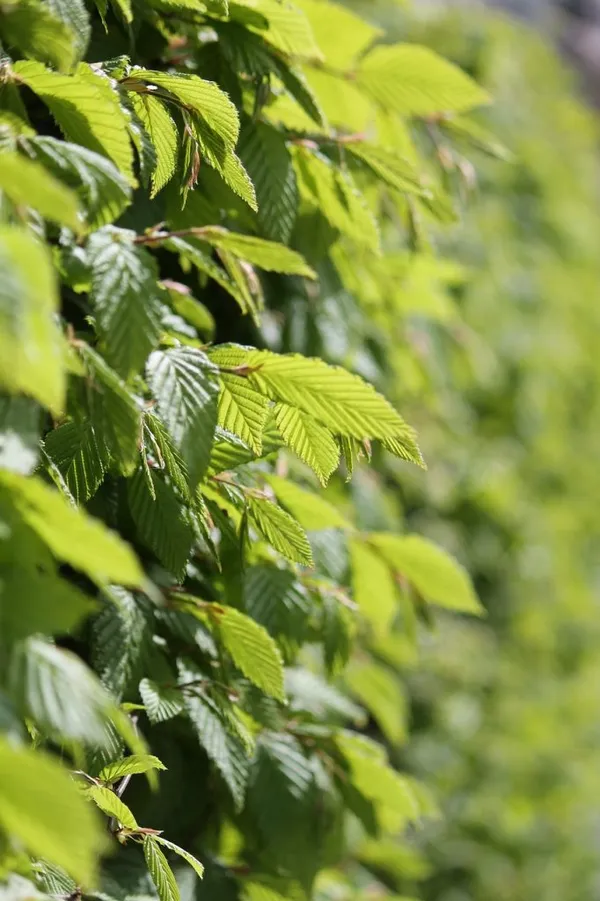
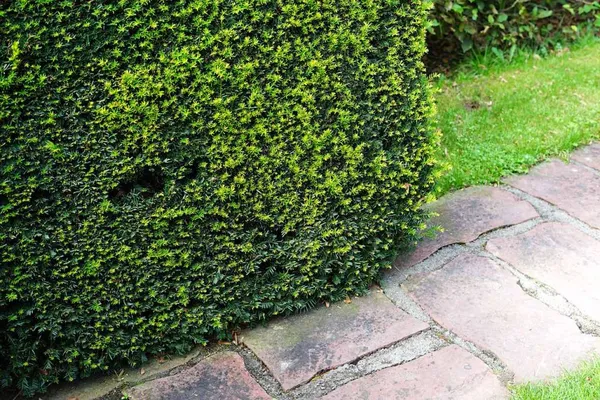
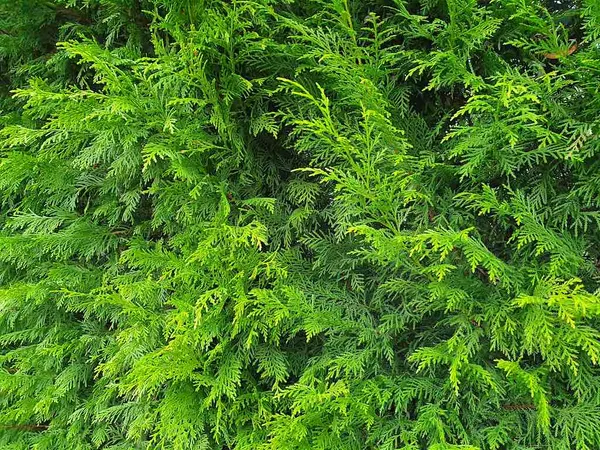
Are there any downsides to having a hedge?
Although a hedge offers many advantages, there are, of course, a few things to keep in mind. Keep in mind that it may take some time for a hedge to reach the desired height and density (or you may have to spend more). Most hedges need to be trimmed 1–2 times a year. A hedge also takes up more space than a fence.
A hedge is often the best choice
A hedge offers more than just privacy. It’s a living, sustainable barrier that contributes to biodiversity, comfort, and the value of your garden. Although a fence is quicker to install, hedges offer more long-term benefits in terms of aesthetics, ecology, and functionality. For a garden that is both beautiful and future-proof, a hedge is therefore often the smartest choice.