
The 7 Most Beautiful Hedge Plants
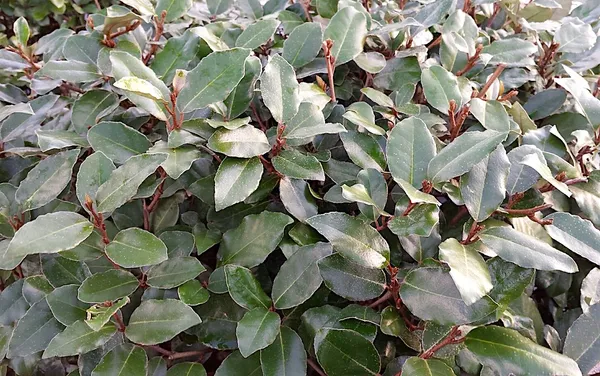
Hedges are a must-have for every garden! They provide the (evergreen) structure of the garden and offer privacy. Hedges provide a home for birds and animals and give your garden a green, lush look. Even in a small garden, a hedge is a must! For example, choose a hedge as a property boundary. As you can tell, we’re big hedge fans! That’s why we’d love to tell you about our favorite hedge plants.
A hedge fits into any garden style
Informal hedges are a good fit for a landscape garden or a romantic garden. For a formal garden—or, for example, a Mediterranean-style garden—a neat, formal hedge is perfect!
Tall hedges are ideal for privacy, creating so-called “garden rooms” (if your garden is large enough), or breaking up a tall, boring wall. Birds also like to make their homes in taller hedges.
Low hedges are perfect for framing flower beds and highlighting sightlines. They also allow you to separate different functional areas in a smaller garden.
A garden without a hedge isn't complete!
Our 7 Favorite Hedges
Below, we'd like to tell you about our favorite hedges:
1. Portuguese laurel (Prunus lusitanica ‘Angustifolia’)
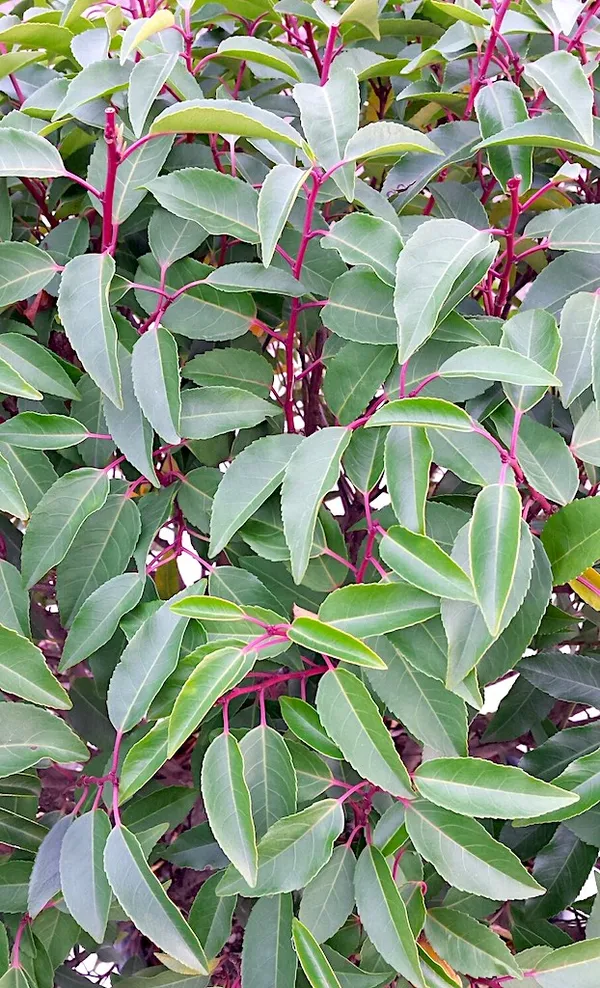
Portuguese laurel is a beautiful, dark-green hedge. Its leaves are somewhat smaller, long, and narrow in shape. The Angustifolia cultivar, in particular, has lovely, delicate foliage. When new growth appears, the leaves are a fresh green. The red stems provide an elegant contrast. Portuguese laurel naturally grows in a slightly pyramidal shape, which means the hedge takes on the perfect shape all on its own. This hedge plant is also ideal for a narrower hedge.
Prefers a sunny yet sheltered location and does not like to be too wet in the winter.
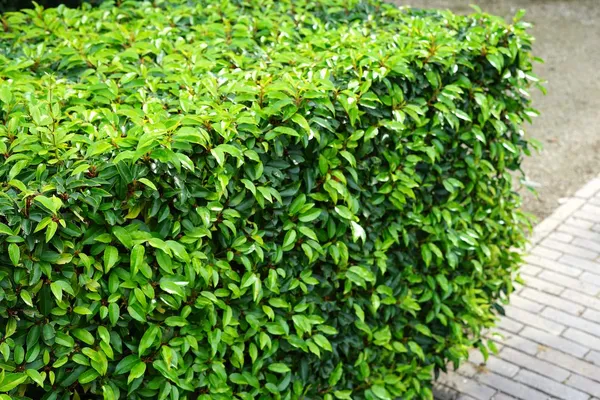
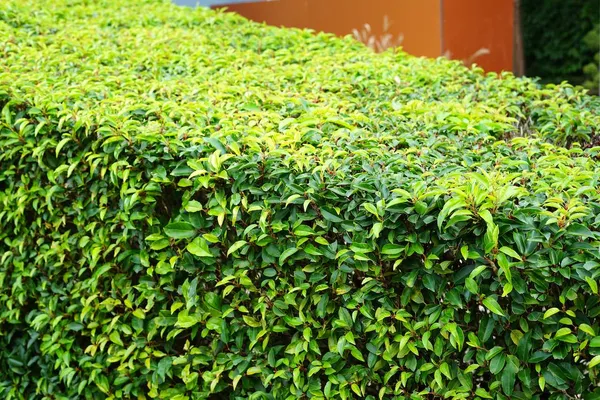
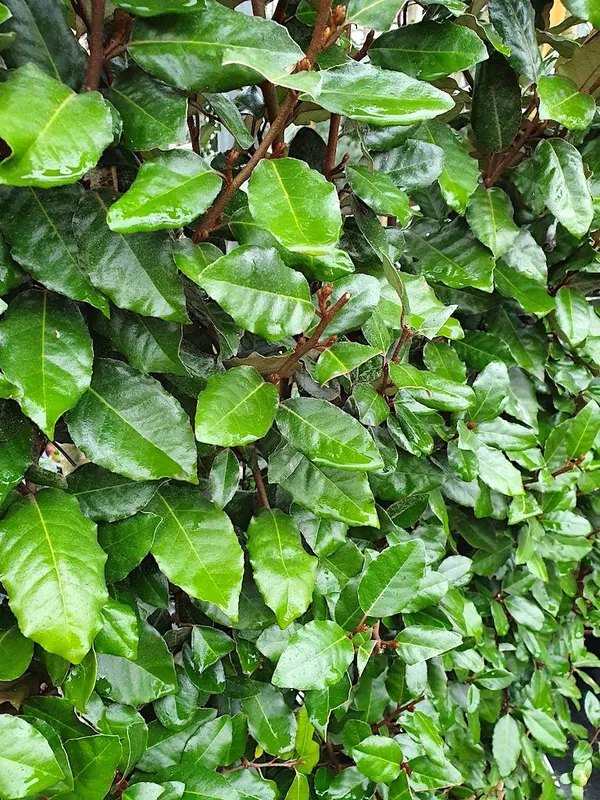
2. Olive willow (Elaeagnus ebbingei) as a hedge
Olive willow (Elaeagnus) is a hedge plant that you don’t see very often. However, olive willow is being used more and more in coastal areas because this hedge can withstand sea breezes. The glossy, oval leaves are olive green in color. The leaves often develop many grayish-white specks. The underside of the leaf is silvery-gray. The brown branches provide a nice contrast.
The olive willow prefers a sunny spot and isn't very particular about soil type. It tolerates salty sea breezes.
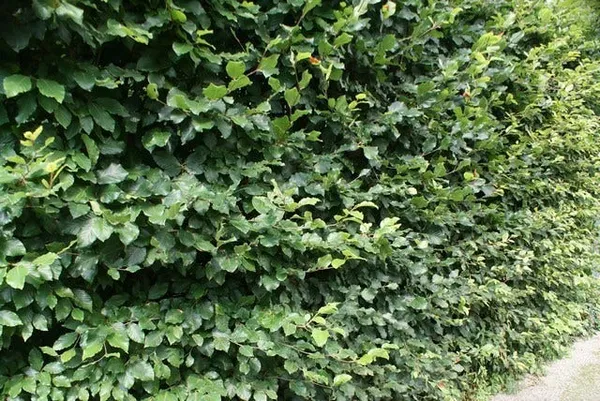
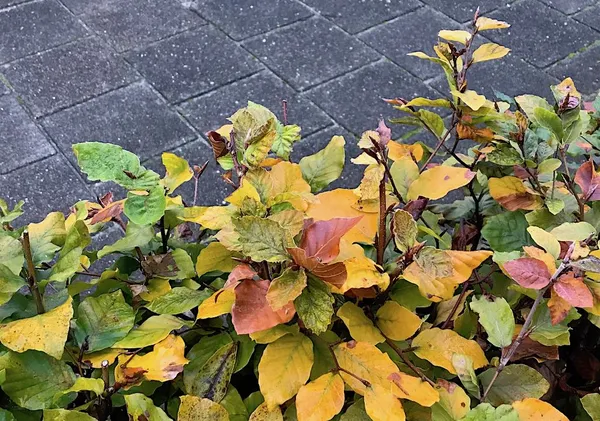
3. Beech hedge (Fagus sylvatica)
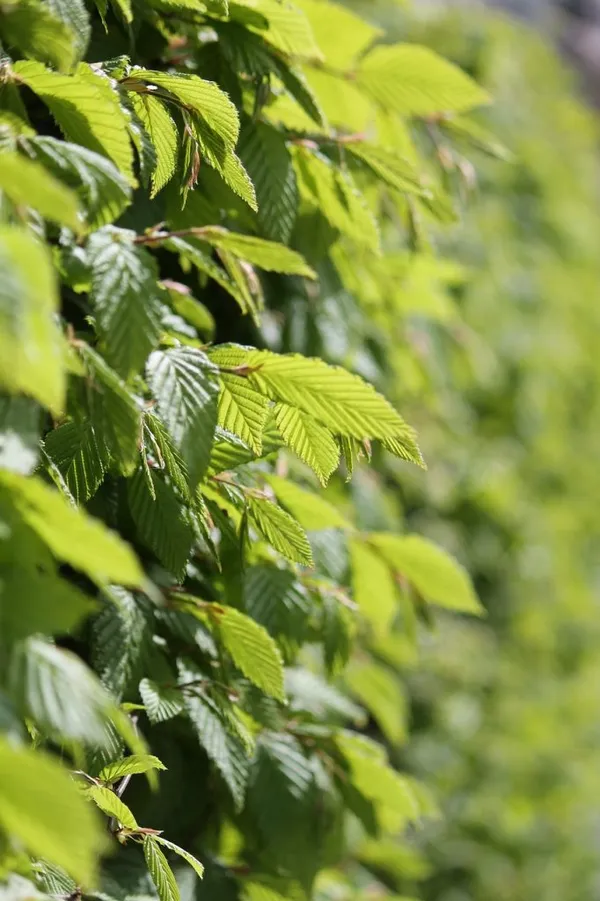
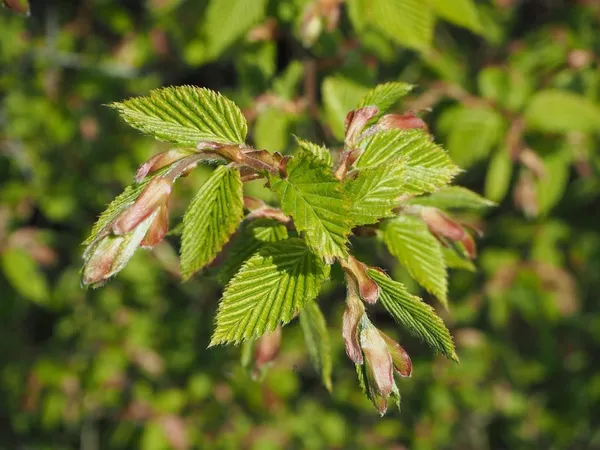
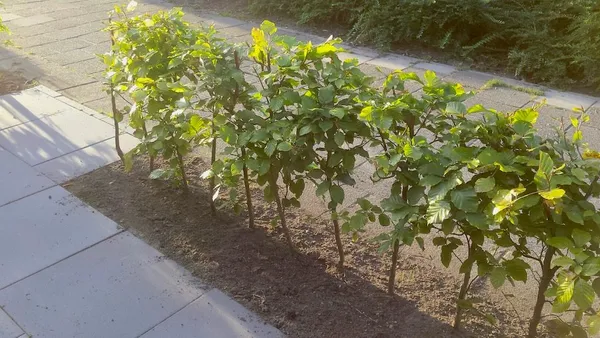
Beech hedges are most likely the most commonly planted hedge plants in our country. Entire new residential developments are planted exclusively with this one type of hedge plant. Regardless of whether this is such a good idea, beech hedges are still very beautiful hedge plants. Unlike our other favorites, beech hedges aren’t actually evergreen. The hedge changes color throughout the year, from bright green to (dark) green to orange-brown. However, the brown leaves remain on the plant for a very long time, creating the appearance of an evergreen (or, more accurately, a deciduous) hedge.
Although beech hedges occur naturally in wooded areas, this hedge plant can tolerate most growing conditions. However, beech hedges do not do well in soil that is too wet.
4. Chinese holly (Ilex crenata ‘Convexa’)
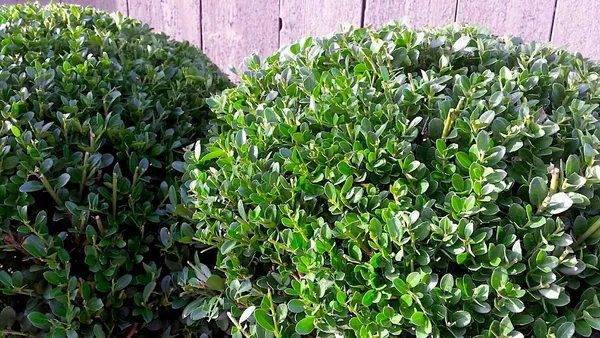
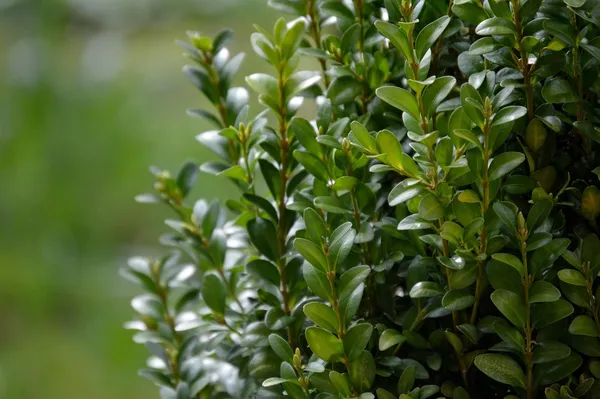
Japanese holly is one of the most popular alternatives to boxwood. Unfortunately, this can make this hedge plant quite pricey. Although many varieties are now available, none are as beautiful as the ‘Convexa’. Ilex crenata ‘Convexa’ (Chinese holly) has the same characteristics as Japanese holly and is ideal for a beautiful, compact hedge. Its foliage, however, is rounded and somewhat more elegant. In the spring, Ilex crenata ‘Convexa’ blooms inconspicuously, but in the fall, clearly visible black berries appear. In our country, Japanese holly—or Ilex crenata ‘Dark Green’—is actually more popular.
Japanese holly is not very particular about its growing conditions, but it does prefer slightly acidic soil. It naturally remains low-growing and is very easy to keep compact or prune into any desired shape. Ilex crenata is not susceptible to boxwood blight or the box tree moth.
5. Photinia (Photinia fraseri ‘Red Robin’)
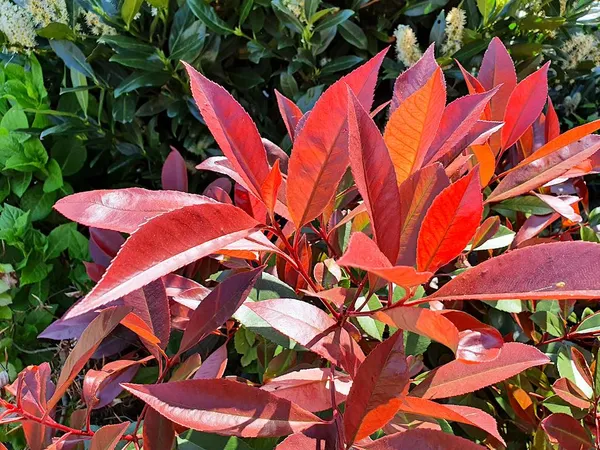
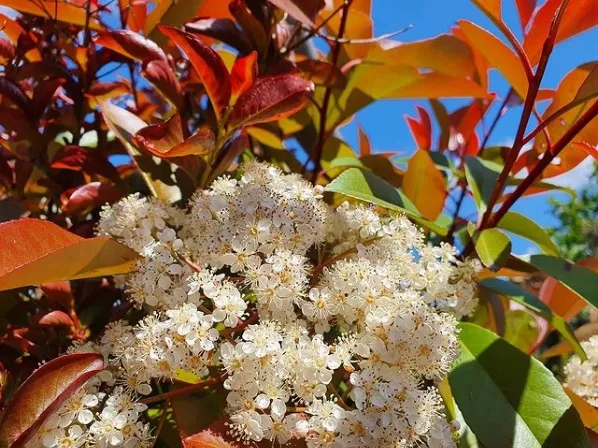
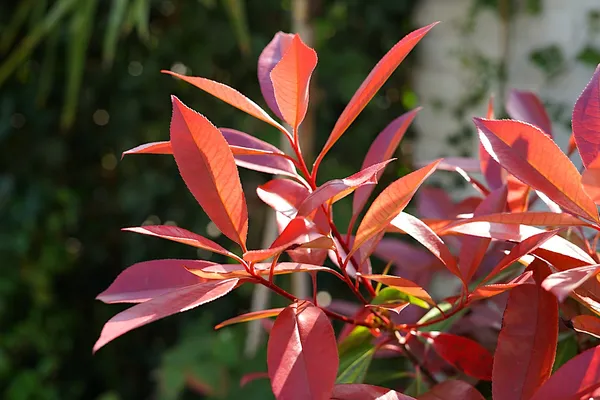
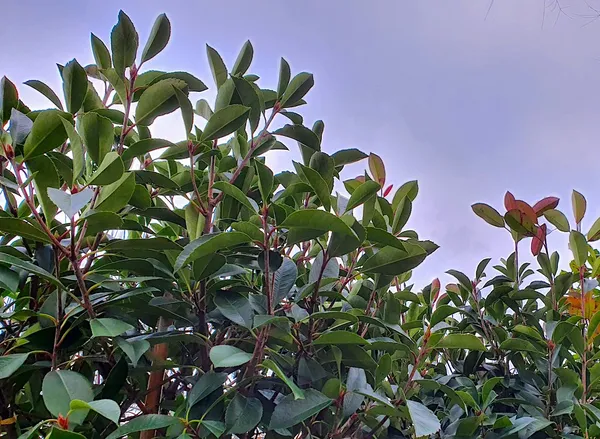
You don’t see photinia used as a hedge very often in our region yet. However, if you travel south, you’ll suddenly come across this unique hedge plant everywhere! The foliage is glossy and dark green. But new growth is bright red. In addition, Photinia blooms profusely, producing large cream-white panicles. As a result, the plant takes on a completely different appearance in the spring. By pruning it regularly, you can enjoy its beautiful red leaves all year round. This is also a good idea because Photinia tends to become a bit more sparse if it isn’t pruned for too long.
Photinia fraseri is best planted in neutral soil and prefers a sunny spot in the garden.
6. Evergreen snowball (Viburnum tinus) as a hedge
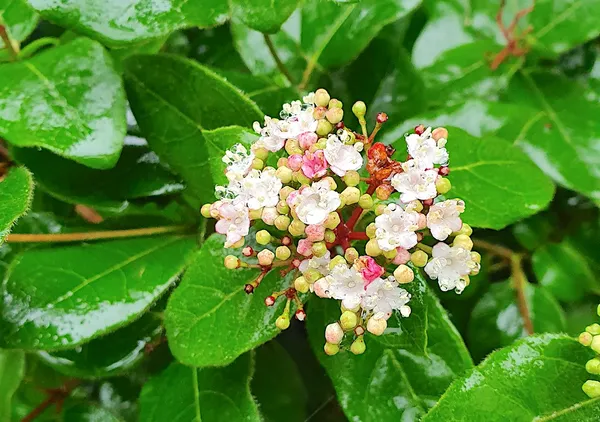
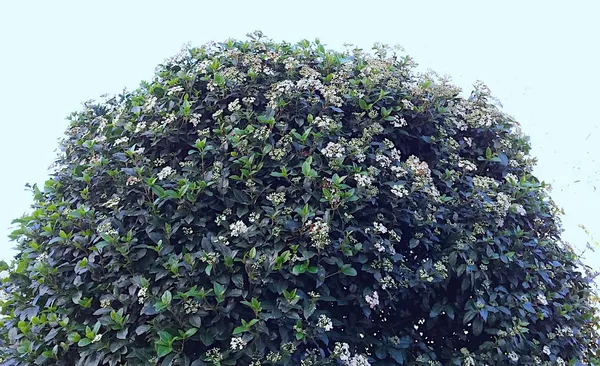
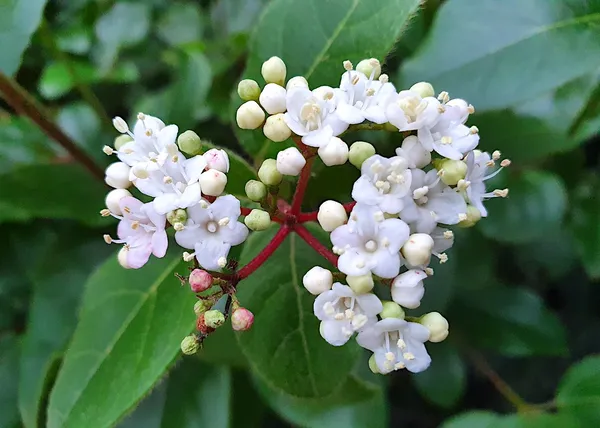
The evergreen snowball bush (Viburnum tinus) can be found in many gardens. Usually, however, it’s grown as a solitary shrub, small tree, or standard tree. You rarely see it used as a hedge plant. Yet Viburnum makes a beautiful hedge! You can use it to create either a somewhat looser hedge or a very neat, formal one. That’s because Viburnum tinus responds very well to pruning. You can enjoy its beautiful evergreen appearance year-round. From October through March, this hedge plant blooms with countless tiny white flowers. Depending on the cultivar, the buds range from brown to pink, creating a lovely contrast with the white blooms. This makes the plant appear to bloom in two colors. In addition, this snowball bush produces black to steel-blue berries, which are also a favorite among birds!
Viburnum tinus can be planted in many different locations. However, extreme frost can cause damage. A slightly sheltered location is therefore preferable. It can be kept compact or allowed to grow into a broad shape.
7. Cherry Laurel (Prunus laurocerasus)
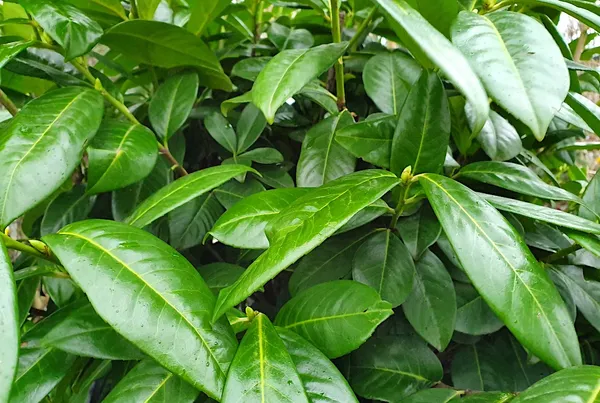
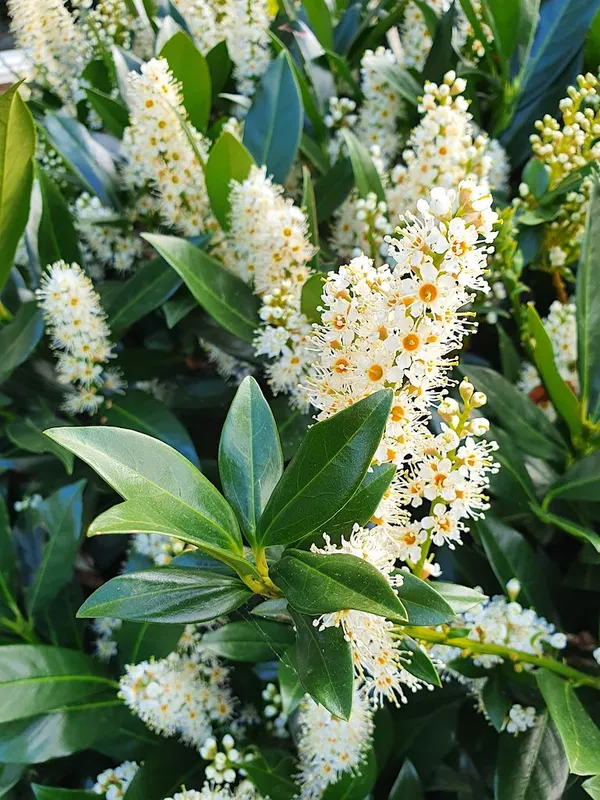
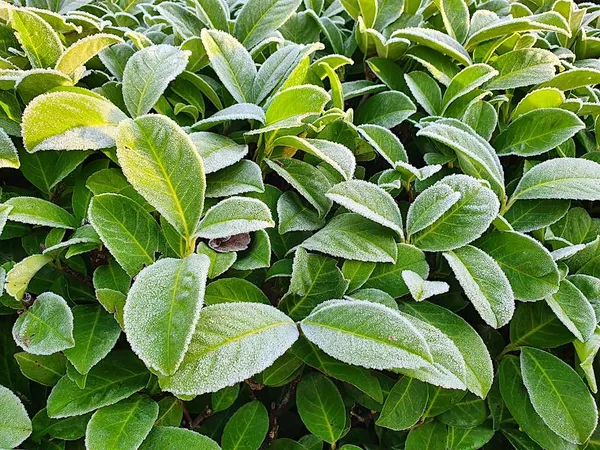
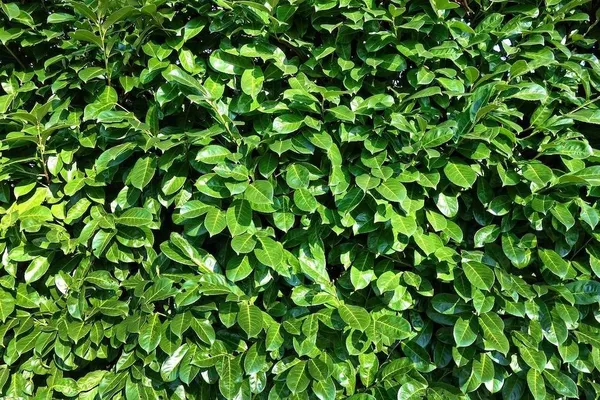
Cherry laurel is a beautiful, dense hedge plant with light to dark green foliage that looks great in many garden styles. Prunus has large, glossy leaves. Its dark brown branches appear almost black (especially after it has rained). In the spring, it blooms with many white clusters of flowers. However, if pruned regularly, this will not occur very often.
Prunus laurocerasus prefers soil that isn’t too wet (especially in the winter), but can otherwise be planted in many locations and situations. This type of hedge grows quite wide; this hedge plant definitely needs at least 1 meter of width.
What's your favorite hedge plant?
View and order your favorite hedge plants online