
Spring-flowering perennials for a small garden
After winter, a garden can look bare and quiet. That’s exactly when you long for color, fresh growth, and the feeling that the gardening season is beginning again. You can achieve that effect even in a small garden—perhaps especially there, because every plant stands out even more.
When people think of spring, many immediately think of flower bulbs like tulips and daffodils. But there is another group of plants that is just as valuable: perennials that bloom in the spring.
Why Choose Perennials in the Spring?
Perennials are plants that live for several years. In winter, often only the above-ground part dies off, while the roots remain alive. As soon as spring begins, they sprout again and bloom once more.
Perennials are perfect for small gardens because they:
- Provide long-lasting blooms without having to replant every year
- They often remain compact or, conversely, spread out low and wide
- Pairs well with other plants in terms of color, height, and texture
- Fill in the soil quickly most of the time, so your garden always looks well-kept
By cleverly combining early and late bloomers, you can create a garden that offers color and vitality for weeks on end.
A garden that blooms all spring long
Spring is unfolding step by step. Some plants bloom early, while others don't bloom until later in May or June.
By cleverly combining these flowering periods, you can create a garden that remains interesting for weeks—and actually months—on end. This way, one plant naturally gives way to the next, and your garden stays vibrant and varied throughout the spring.
Early spring bloomers (February–April)
The first flowers in the garden always feel special. After winter, when everything seems to stand still, it’s precisely these early bloomers that signal the start of the season. These are often hardy plants that can withstand the cold and start to bloom as soon as the temperature rises a little.
In a small garden, these early-blooming plants are especially valuable. Since there isn’t much other greenery yet, they immediately catch the eye and add charm to areas that would otherwise look empty. Many of these plants also remain low-growing and compact, making them ideal for borders, edging, or pots.
List of early spring bloomers (in alphabetical order):
- Deadnettle (Lamium) – ideal for shade, with attractive foliage and delicate blooms
- Horned Lily (Epimedium) – subtle blooms, perfect for dry, shady areas
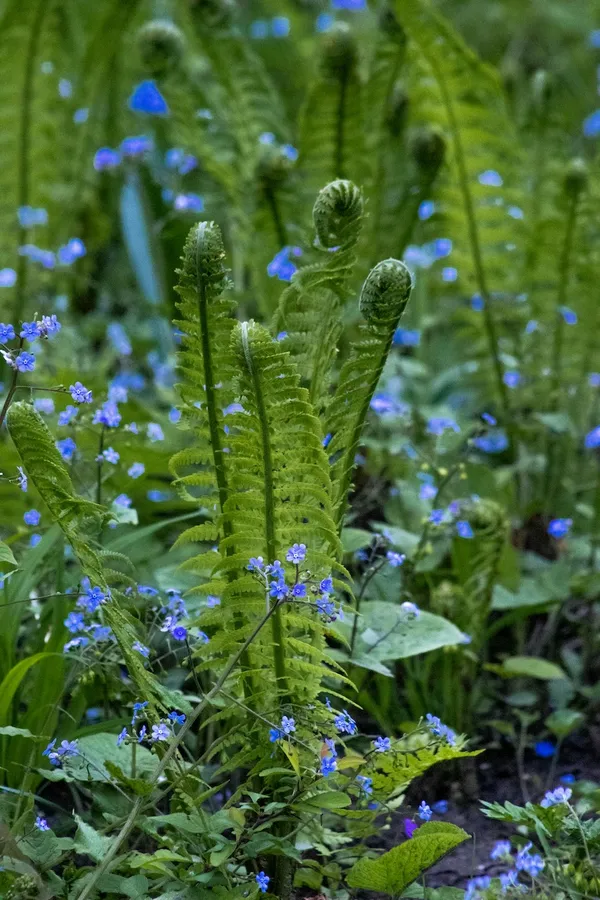
- Caucasian forget-me-not (Brunnera) – delicate, light blue flowers and decorative foliage
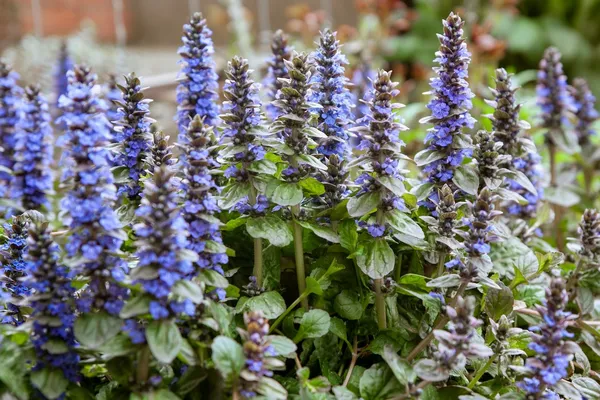
- Creeping bugle (Ajuga reptans) – low-growing with striking blue flower spikes
- Lungwort (Pulmonaria) – blooms early and is popular with bees
- Periwinkle (Vinca minor) – hardy, evergreen groundcover
- Hellebore (Helleborus) – blooms very early and thrives in (partial) shade
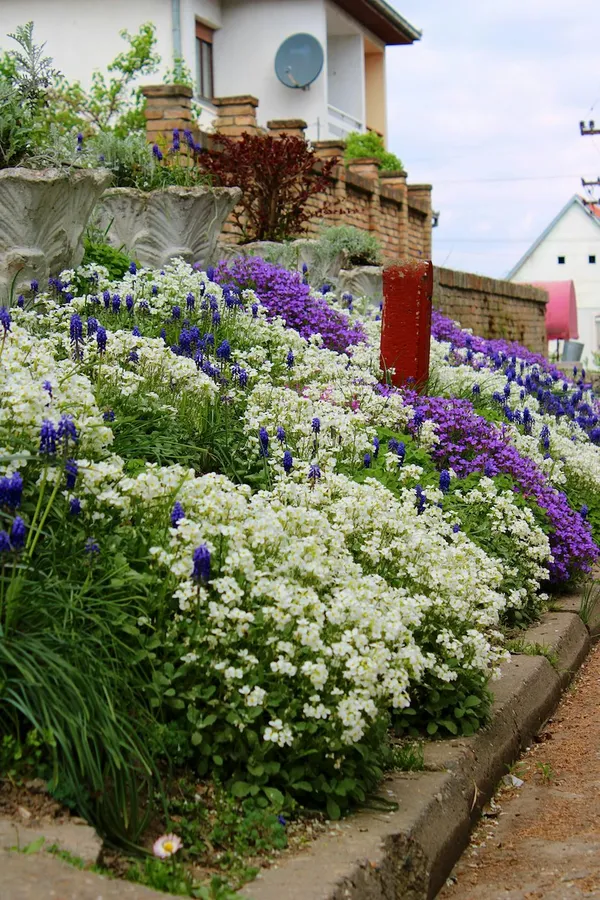
- Aubrieta – forms a low-growing carpet of flowers in sunny spots
- Slanted-calyx (Arabis) – fresh white or pink flowers, compact growth
- Rockcress (Saxifraga) – suitable for small corners and edges
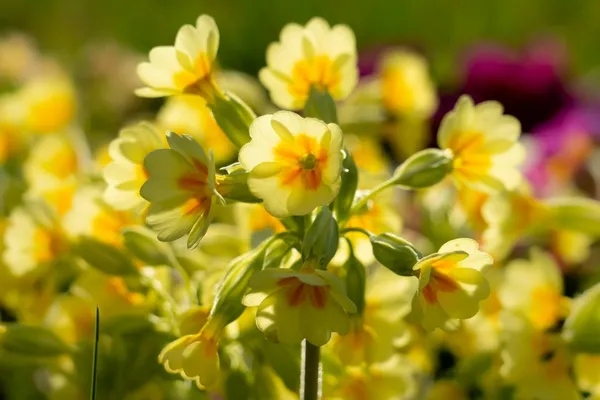
- Cowslip (Primula) – low-growing, colorful, and ideal for borders and pots
- Perennial Violets (Viola) – small but eye-catching and surprisingly strong
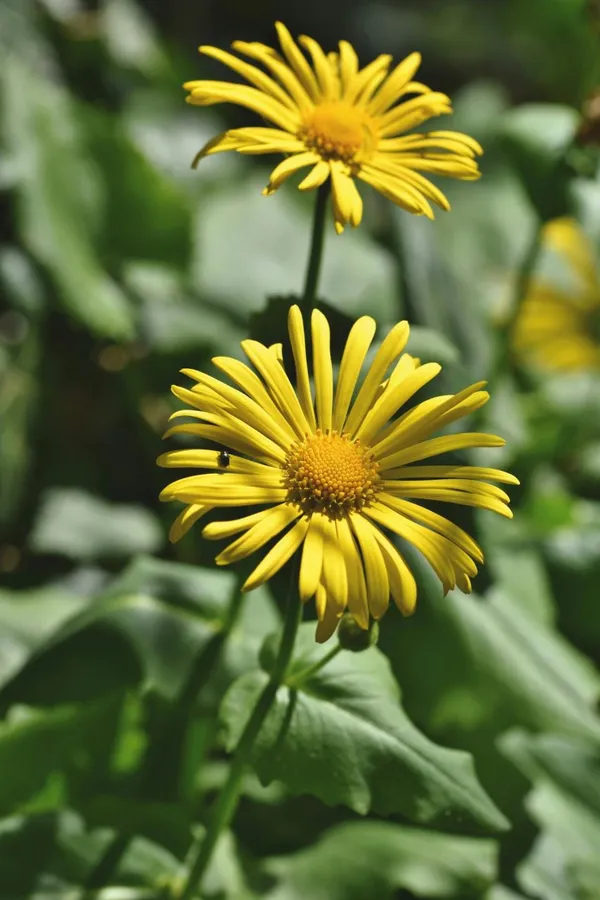
- Spring Sunflower (Doronicum) – early-blooming yellow flowers for extra color
- Winter Heather (Erica carnea) – often continues to bloom from winter into spring
Late spring bloomers (April–June)
After the first spring bloom, the garden really starts to come to life. Plants grow faster, flower beds fill out, and the blooms become more abundant. This is the time when your garden gains more volume, height, and variety.
For a small garden, this is a crucial time. By planting the right plants now, you can prevent your garden from looking lackluster after the first bloom. These varieties ensure a smooth transition into summer and keep your garden looking interesting.
Many of these plants pair well with the early bloomers and, as it were, take over from them. This creates a natural progression without you having to intervene time and again.
List of late spring bloomers (in alphabetical order):
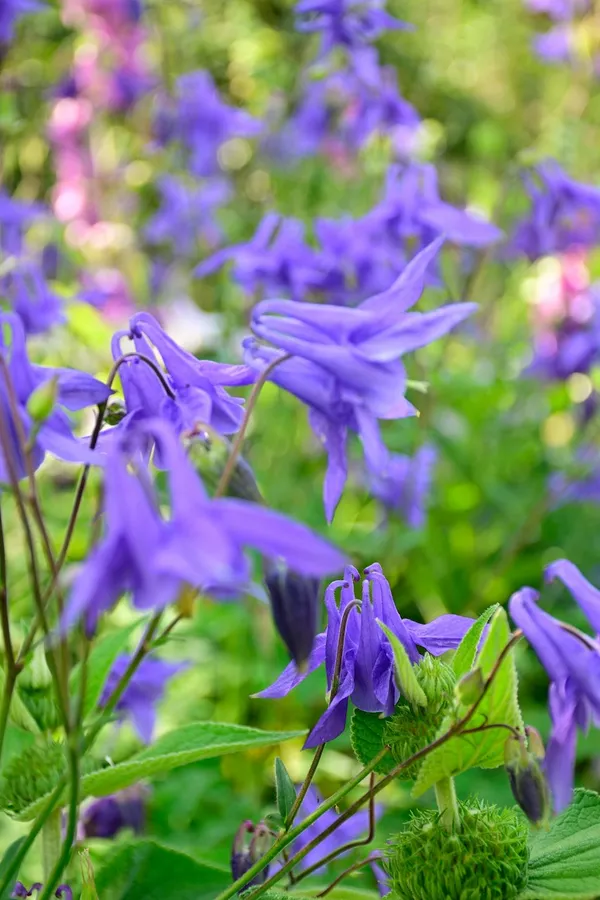
- Columbine (Aquilegia) – playful and natural, often self-seeds
- Bearded Iris (Iris germanica) – bold shapes and striking flowers
- Bergenia (Shoe-leather Plant, Bergenia) – sturdy, evergreen, and textured
- Speedwell (Veronica) – slender flower spikes for added height
- Bellflower (Campanula) – airy blooms, suitable for flower beds and pots
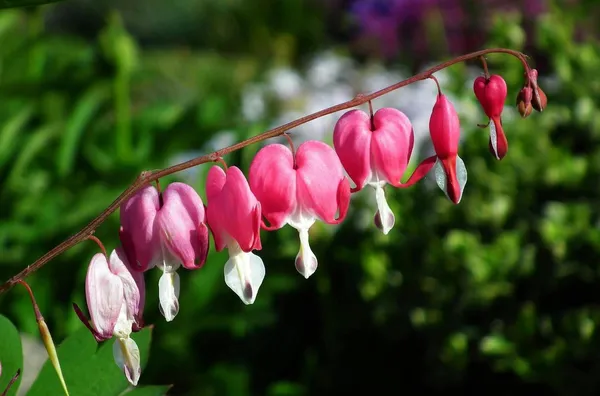
- Bleeding Heart (Dicentra spectabilis) – graceful and romantic
- Creeping phlox (Phlox subulata) – low-growing, profusely flowering groundcover
- Wallflower (Erysimum) – warm colors and a long blooming period
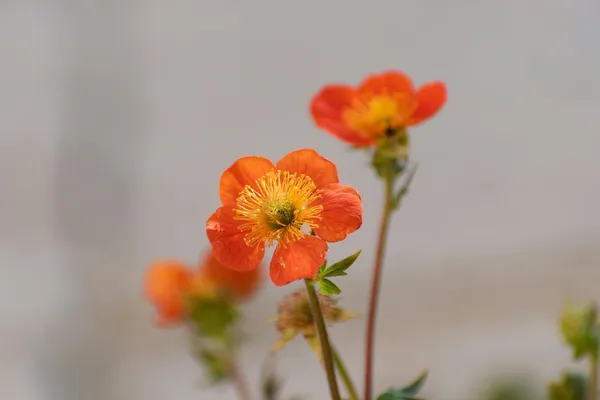
- Avens (Geum) – warm colors and airy blooms
- Crane's-bill (Geranium macrorrhizum, phaeum) – sturdy, versatile, and often long-blooming
- Purple Bellflower (Heuchera) – graceful foliage with delicate blooms
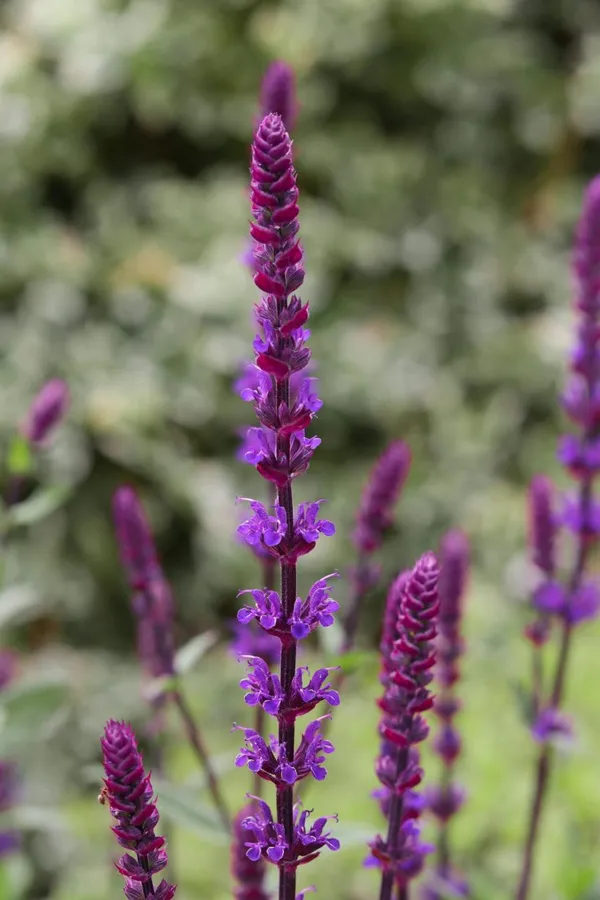
- Woodland Sage (Salvia nemorosa) – attracts bees and often blooms for a long time
- Foamflower (Tiarella) – airy blooms for partial shade
- Lady's Mantle (Alchemilla) – soft shapes and fresh green flowers
Additional Tips for a Small Spring Garden
Plant in layers: Low-growing groundcovers in the front, medium- and tall-growing varieties in the back.
Choose evergreen plants: such as Vinca minor, Lamium, or Bergenia, so your garden looks well-maintained even outside the blooming season.
Forming groups: Three to five plants of the same species enhance the effect of color and blooms.
Combining groundcovers: Ajuga, Lamium, and Vinca create a green carpet that suppresses weeds.
Choose a variety of colors and shapes: Mix blue, yellow, white, pink, and purple for a playful and natural look.
By combining early- and late-blooming perennials, you can create a small garden that blooms for months on end, is practically low-maintenance, and invites you to step outside every day.