
Small Flower, Big Impact – Tips from the Bee Foundation
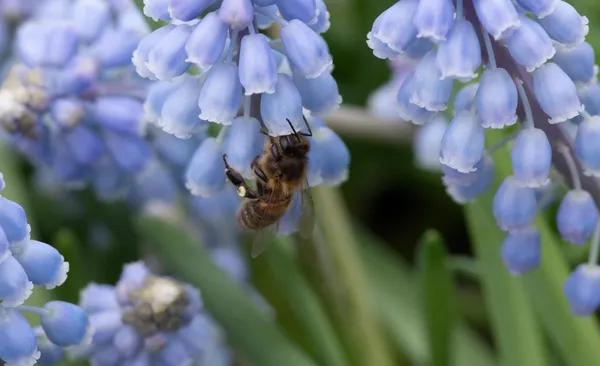
Bees are indispensable to nature. They are important pollinators for many plants and crops. Without bees, biodiversity and food production would decline drastically. Even with a small garden, you can make a difference for bees! In a new partnership with the Bijenstichting, we’re now sharing a weekly tip on how to make a small garden or balcony bee-friendly.
These days, there’s less and less greenery to be found in gardens. Unfortunately, this is becoming increasingly common, especially in large cities. You can give the bees a helping hand by growing flowers and plants that they like. But what if you have a small garden or a balcony—how can you best help the bees then? In this edition, we’ll share a tip on how you can do a lot for the bees even with a small garden. Even a small contribution can have a big impact on the bees.
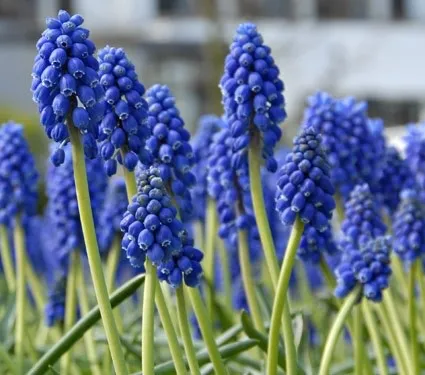
Grape hyacinths (Muscari armeniacum)
A flower that bees absolutely love is the grape hyacinth (Muscari armeniacum). The scent attracts the bees, allowing them to enjoy a delicious meal! You can plant these grape hyacinths in a pot and place them on your balcony or in your “small” garden. It also looks absolutely beautiful! The big advantage of grape hyacinths is that they bloom early, making them an excellent food source for bees that emerge from hibernation too early, such as bumblebees, mason bees, and honeybees. If you plant the blue grape hyacinth bulbs now, they’ll bloom in the spring.
Order blue grape hyacinths through the De Bijenstichting online store and support the Bee Education Center.
Your small gesture can have a big impact on the bee population!