
Should you prune a hedge right after planting it?
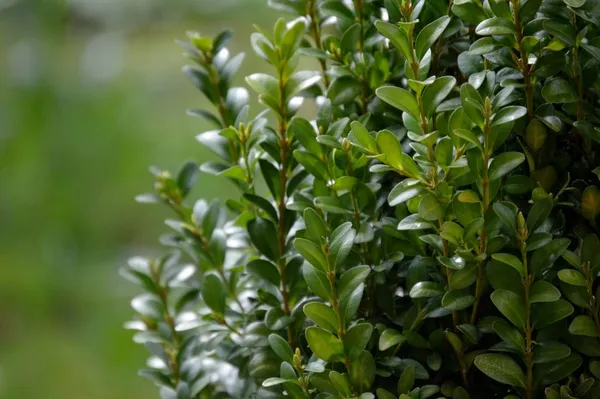
A green hedge adds value to your garden. Proper pruning is important for the growth and shape of your hedge. In most cases, of course, you want a beautiful, dense, and full hedge that quickly reaches the desired height.
Why prune after planting?
When planting a new hedge, it’s often a good idea to prune it back a bit right after planting. Topping (height pruning) ensures that the hedge grows denser and fuller. The individual hedge plants will then grow wider because they’ll branch out more. Trimming the hedge widthwise also encourages more branching and thus a fuller hedge. However, pruning only in the width often results in faster vertical growth. This is ideal if you want your hedge to grow significantly taller.
How far back should I prune?
Prune back to no more than about one-third of the height. Very vigorous growers, such as hawthorn, can even be pruned back to half their height.
When Should You Not Prune?
By the way, it’s best not to prune when it’s freezing. This will help prevent frost damage and infections in your plants. Pruning is also not recommended during rain, drought, or heat.
It’s best not to prune many evergreen hedge plants, such as coniferous hedges, cherry laurel, and Portuguese laurel, in the winter. For (semi-)deciduous hedges, such as beech, hornbeam, hawthorn, and privet, this is not a problem. Vigorous and fast-growing evergreen hedges, such as yew, can also be pruned year-round.
Is your hedge still (far) from reaching the desired height? If so, we recommend that you hold off on pruning it back to height (topping) for now.