
Pruning a Shrub to Form a Small Tree: Here's How to Do It Yourself
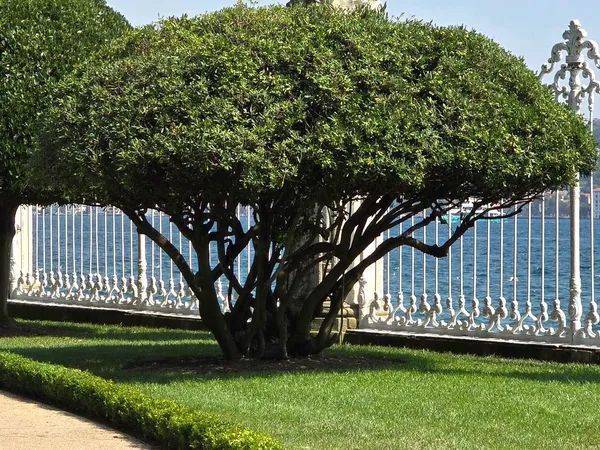
No room for a large tree in your small garden? Maybe the solution is already right there in your garden. You can actually prune a suitable shrub into a small tree. To do this, gradually remove the lower branches, which will create a trunk and raise the crown higher. This way, you’ll create space, add height, and give an existing shrub a whole new look.
The feeling of a tree without a big tree
In a small garden, a tree can sometimes be a problem. You want the height, the structure, and the greenery of a tree, but not a large canopy that takes over half the garden.
A pruned shrub can offer exactly that. By removing the lower branches, the foliage is raised higher, creating space beneath the crown. The trunk takes up very little space, while the top still takes on a distinct tree shape. This is useful, for example, if you want to be able to sit under the plant, keep a path clear, or plant low-growing plants beneath the crown.
And there's another advantage: you don't have to start from scratch. If you already have a suitable shrub in your garden, you can use it to make your own little tree.
Which plants can you prune back to the top?
Not every plant is suitable for topping. So be sure to take a good look at the plant before you reach for the pruning shears.
Woody shrubs and small trees with a sturdy main branch are particularly suitable. Ideally, look for a plant with a clearly developing trunk and attractive branching higher up.
Suitable species include Viburnum tinus, holly (Ilex), lilac (Syringa), cherry laurel (Prunus laurocerasus), witch hazel (Hamamelis), and some species of dogwood (Cornus). Many (solitary) hedge plants are also perfect for this.
The species is not the only criterion here. The plant’s shape is just as important. A well-formed shrub with a single sturdy main branch may be a better candidate than a species that is suitable on paper but consists mainly of many thin shoots.
So, before you start pruning, take a good look at the plant. Where is the sturdiest main branch? Which branches can come together to form a nice crown? If you imagine the lower branches removed, can you already picture a small tree? Then you probably have a good candidate.
How to Prune a Shrub: Step by Step
The principle is simple: you choose a tree, gradually prune it back, and leave a nice crown at the top. It’s especially important not to get too carried away when you start pruning.
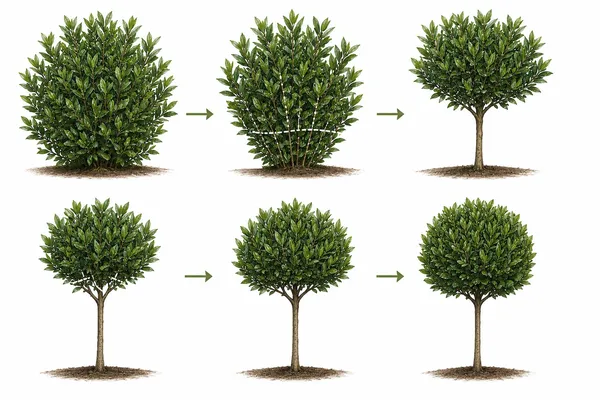
1. Choose the tribe
First, determine which branch will become the future trunk. Preferably, choose a sturdy, reasonably straight main branch.
Does your shrub have several attractive main branches? If so, you can also choose to train it to have two or three trunks. This way, you won't create a classic crowned tree, but rather a multi-trunked tree shape.
You can eventually remove any small branches that are clearly competing with your future trunk.
2. Determine where the crown begins
Think about how much space you want under the crown.
In a small garden, the trunk doesn't have to be as tall as two meters. A trunk that's, say, 80 to 120 centimeters tall can be enough to give the plant a distinct tree shape.
If you want to be able to walk underneath it, keep a path clear, or prevent a patio from becoming overgrown, a taller canopy might be more convenient. If your main goal is to have a little more space beneath the plant, a lower canopy can actually be quite nice.
3. Remove the lower side branches
Now you can start crowning.
Remove the side branches that are below the future crown. If necessary, start with the smallest branches and then reassess the shape.
Prune branches cleanly at the base and don't leave any long stubs.
With an older or larger shrub, you don’t have to do all of this at once. Removing a few well-chosen branches each year is often better than cutting away a large portion of the plant all at once.
4. Leave the crown at the top as intact as possible
The branches that remain above the trunk will form the future crown.
So don't just focus on what you want to remove, but also—and especially—on what you want to keep. Leave strong, well-spaced branches in place, and remove only those that cross each other, grow inward, or clearly disrupt the shape.
A tree crown doesn't have to be perfectly round or symmetrical. A natural, slightly irregular crown usually looks much nicer.
5. View the result from a distance
Put down the pruning shears for a moment and step back a few meters. Look at the whole plant instead of just one branch.
Is the trunk clear enough? Is the crown nicely proportioned to the trunk? Is the plant still nice and full?
If you're unsure about a branch, leave it alone for now. You can always prune it further next year. Once a branch is removed, you can't get it back.
6. Gradually continue refining the tree shape
The first pruning session doesn't have to be the final result.
In the years that follow, you can gradually expose more of the trunk and prune the crown. This gives the shrub plenty of time to adjust to its new shape.
When is the best time to crown a tooth?
The right time depends on the species. For many deciduous shrubs, late winter or early spring is a good time, when the plant is still dormant and the branch structure is clearly visible.
With early-blooming shrubs, keep an eye on the flower buds. By pruning away branches, you can also reduce flowering for that year.
For evergreen shrubs, the ideal time may vary. Therefore, always check the specific plant before you start pruning.
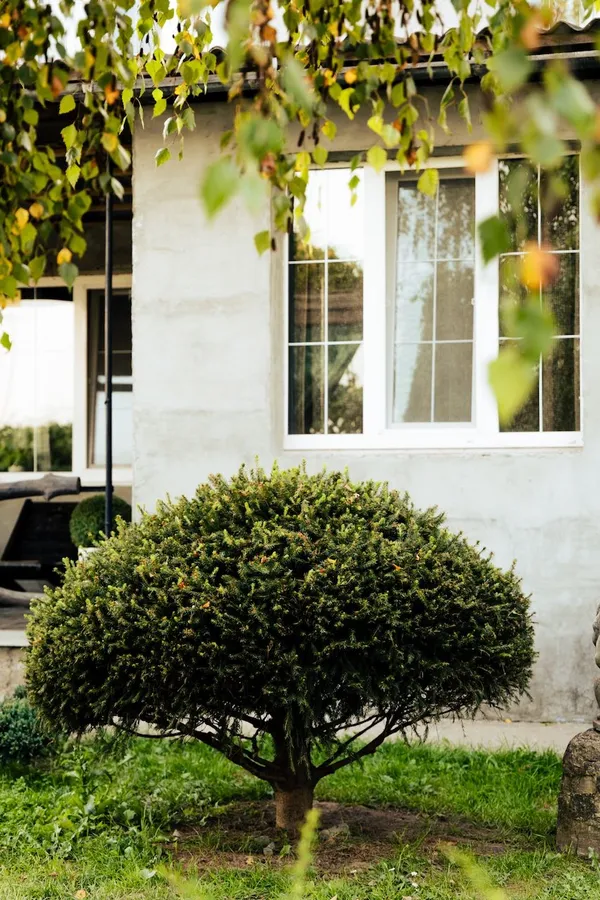
Frequently Asked Questions About Crowning
Can you still prune an old shrub back to the top?
Yes, but with an old shrub, it's better to take it slowly. Don't remove a lot of thick branches all at once; instead, shape the tree gradually over several years.
How tall should the trunk be?
That's up to you. In a small garden, a trunk height of about 80 to 120 centimeters may be enough to achieve a distinct tree shape. If you want to be able to walk underneath it, a taller crown is more practical.
Which shrubs are suitable for pruning back to the crown?
Woody shrubs with a sturdy main stem and attractive branching higher up are particularly suitable. Examples include Viburnum tinus, holly, lilac, cherry laurel, and some dogwoods. The shrub’s existing shape is just as important as the species.
Can I turn a shrub into a multi-stemmed tree?
Yes. Instead of choosing a single main branch, you can keep two or three attractive trunks. A multi-trunked tree branches out low to the ground and therefore has a different appearance than a pruned shrub with a single trunk.
What should I do with the new shoots at the bottom of the trunk?
You can simply remove them. After pruning, some shrubs produce new shoots from the base or lower down the trunk. By removing them regularly, you keep the trunk clear.
Do I need to prune the entire crown as well?
No. It’s best to keep the crown as natural as possible. Focus on removing branches that cross each other, grow inward, or disrupt the desired shape.
Here's how to make a small tree out of what you already have
Just because you have a small garden doesn't mean you have to keep all your plants small. Sometimes it actually works better to use an existing shrub to let it grow tall.
Removing the lower branches creates a trunk, opens up space beneath the crown, and gives the garden more height and structure.
So before you replace a shrub, take a good look at the one you already have. You might not need to plant a new one at all.
With the right shrub, careful observation, and step-by-step pruning, you can create a small tree on your own.