
Plants for Your Own Mini Cut-Flower Garden
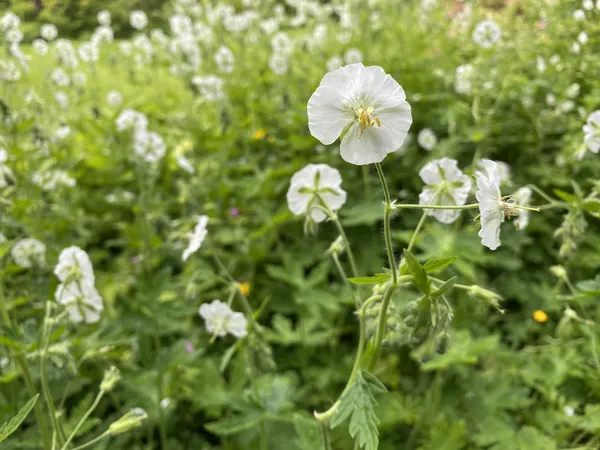
The cut-flower garden is incredibly popular! But in a small garden, there’s usually no room for cut flowers—or is there? With these tips, you can even transform your small garden into a cut-flower garden. You can create a cut-flower border or simply scatter the cut-flower plants here and there throughout the garden. Be sure to choose varieties that produce plenty of flowers, and don’t cut everything off—that way, some flowers will still be blooming in the garden. Flowers with short stems look great in a small vase or a pretty water glass.
In this blog post, Lianne Groeneveld (Vergroenster) shares practical tips for greening up your small garden. This time, she offers tips for creating your own small cut-flower garden.
Easy to maintain
If you want a low-maintenance flower garden, perennials with abundant blooms make a great foundation. My favorites are burnet (Sanguisorba officinalis ‘Tanna’ stays small), mountain thyme (Calamintha nepeta subsp. nepeta), knotweed (Persicaria amplexicaulis ‘Dark Red’ or Persicaria bistorta, which stay shorter), rock cress (Erysimum linifolium ‘Bowles Mauve’), lady’s mantle (Alchemilla mollis), and purple bellflower (Heuchera).
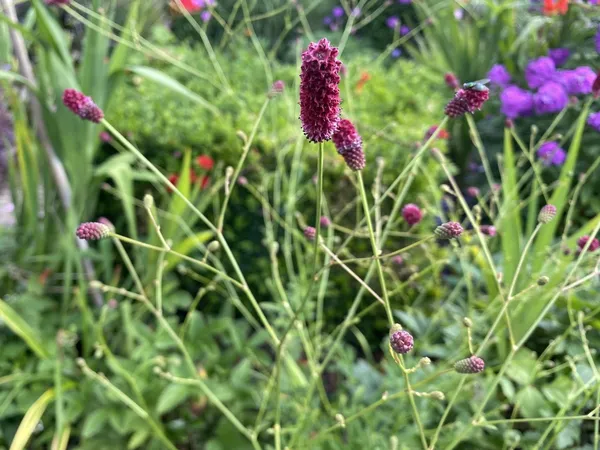
Sanguisorba officinalis
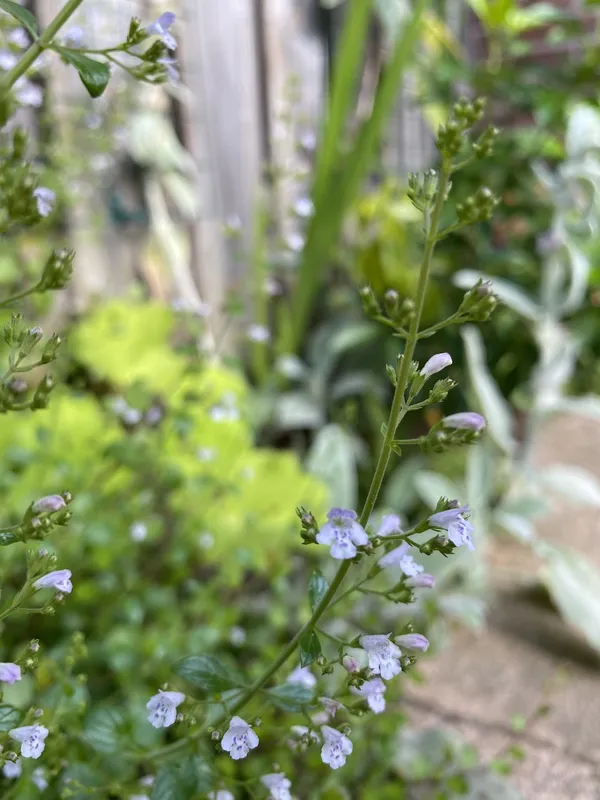
Calamintha nepeta
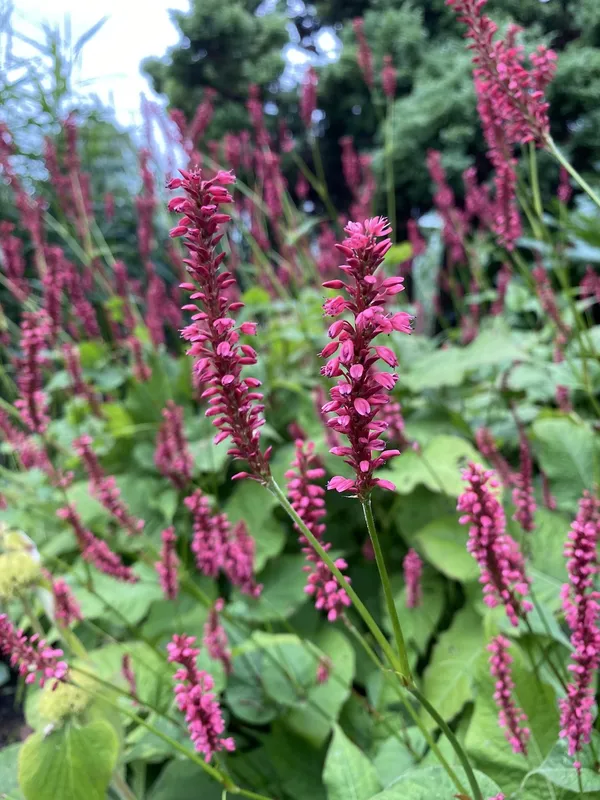
Persicaria amplexicaulis
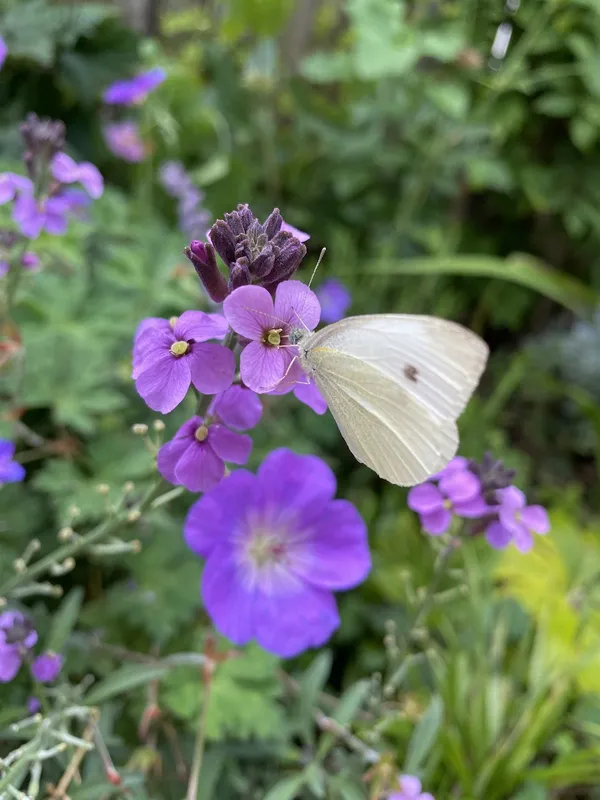
Erysimum ‘Bowles Mauve’
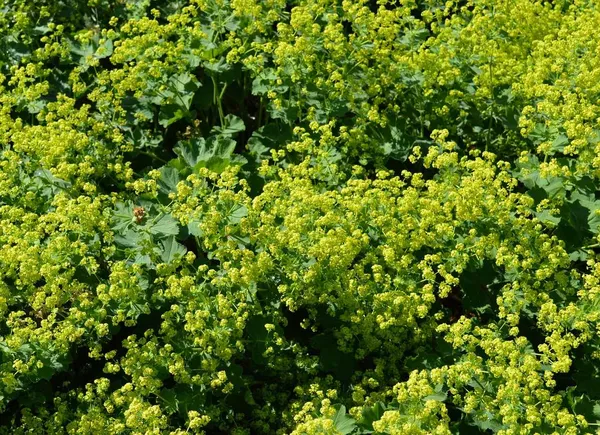
Alchemilla mollis
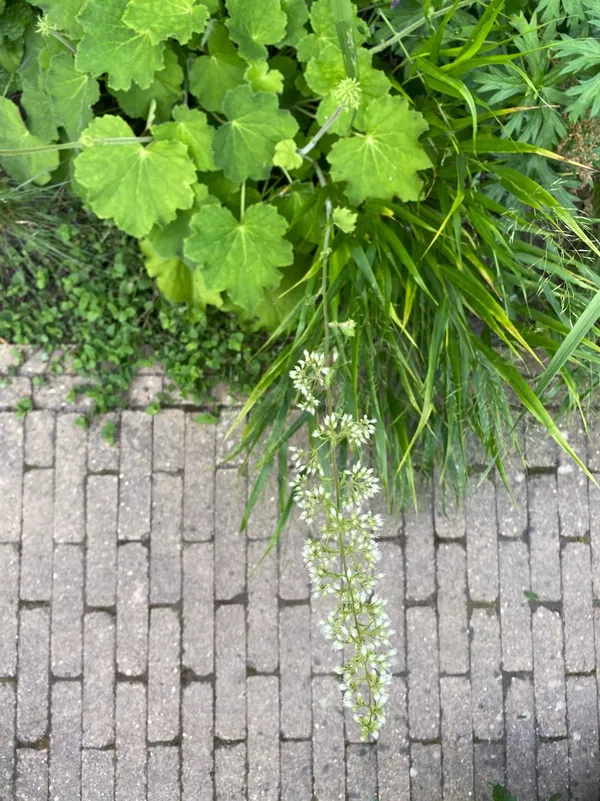
Heuchera
Try seeing if the flowers you already have in your garden stay fresh for a long time in a vase. The best way to find out is to experiment. Sometimes, while gardening, a flower might accidentally break off. Put it in a vase and see how it holds up.
Avoid snail-prone varieties if you want less work, no matter how beautiful they are. Dahlias, larkspurs (Delphinium), and cosmos (Cosmos) are susceptible to snails. Dahlias continue to bloom well into the season, but you’ll need to dig them up in the fall to store them in a dry, frost-free place over the winter.
Flower bulbs
You can complement your perennials with flower bulbs. They’re ideal for a small garden because they don’t take up any extra space. The ornamental onion (Allium) family is large and ranges from tall varieties to beautiful smaller species such as wild garlic (Allium paradoxum).
Daffodils (such as Narcissus ‘Sailboat’ or ‘Bridal Crown’), summer snowflakes (Leucojum), bluebells or Spanish hyacinths (Hyacinthoides), and snake’s head fritillaries (Fritillaria meleagris). Taller anemones, such as Anemone coronaria, are also fantastic. Dogtooth violets (Ipheion) look great in a small vase.
I don't recommend tulips for a small garden. They look great in a vase, but the foliage takes up a lot of your limited space.
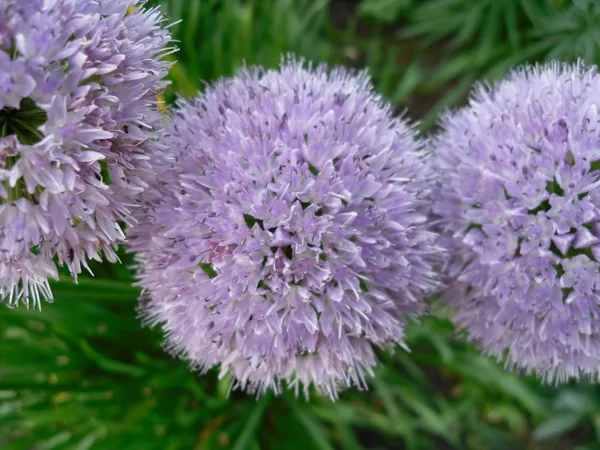
Allium ‘Millennium’
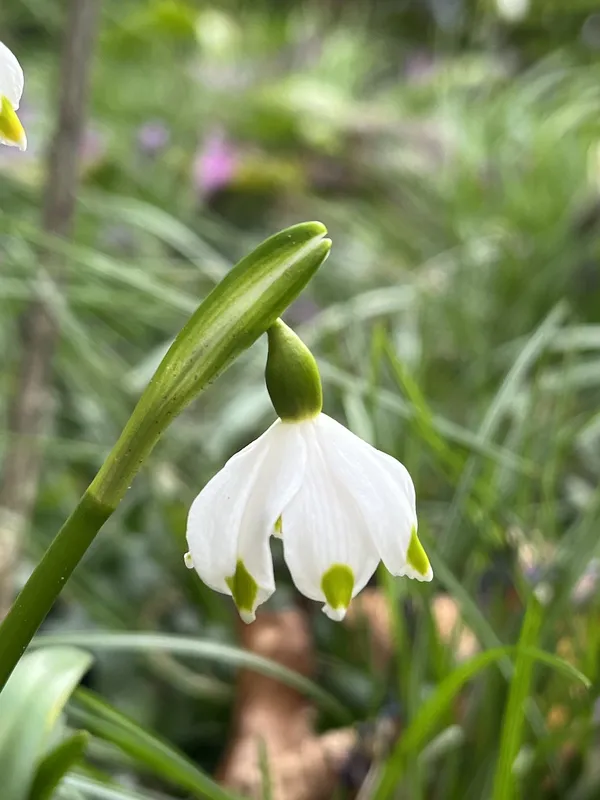
Leucojum
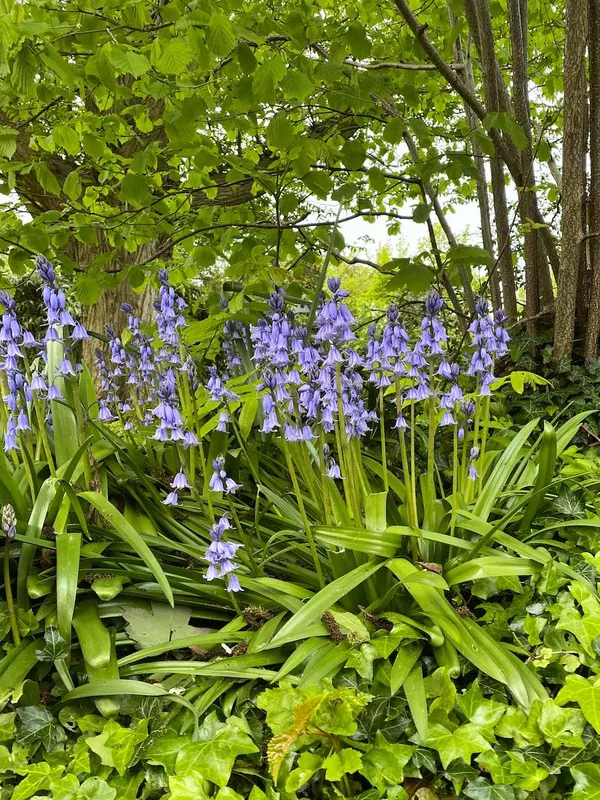
Hyacinthoides
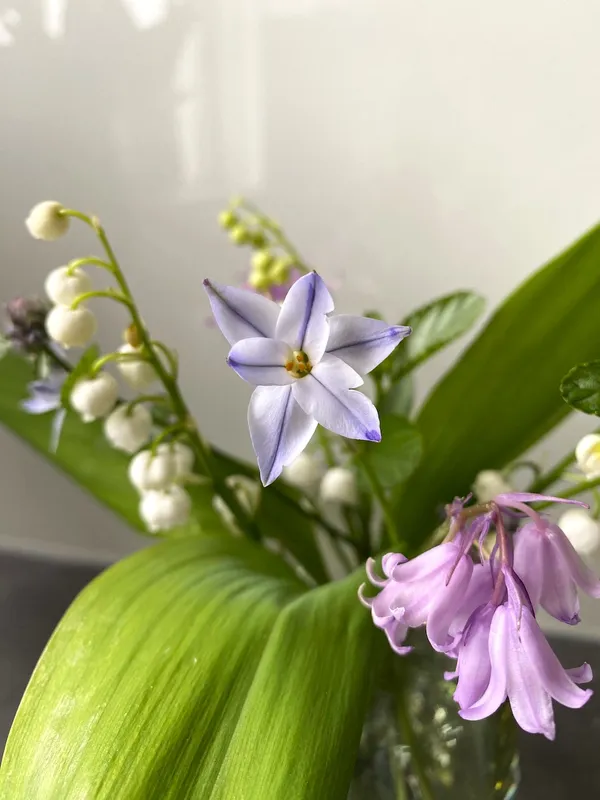
Blooming flower bulbs in a vase
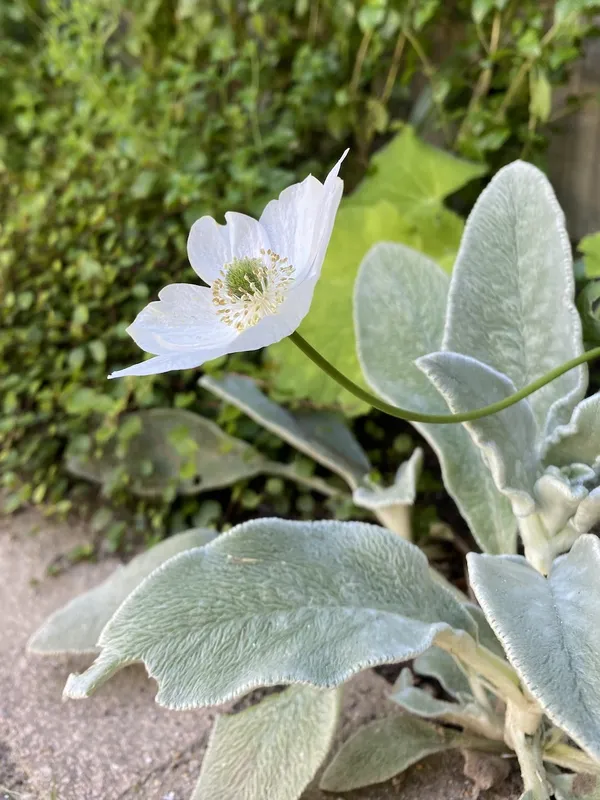
Anemone coronaria among Stachys
Native cut flowers
Beautiful native wildflowers include yarrow (Achillea millefolium), purple loosestrife (Lythrum salicaria), cuckoo flowers (Silene family), wild marjoram (Origanum vulgare), and dark cranesbill (Geranium phaeum; the ‘Album’ variety is white—see main photo).
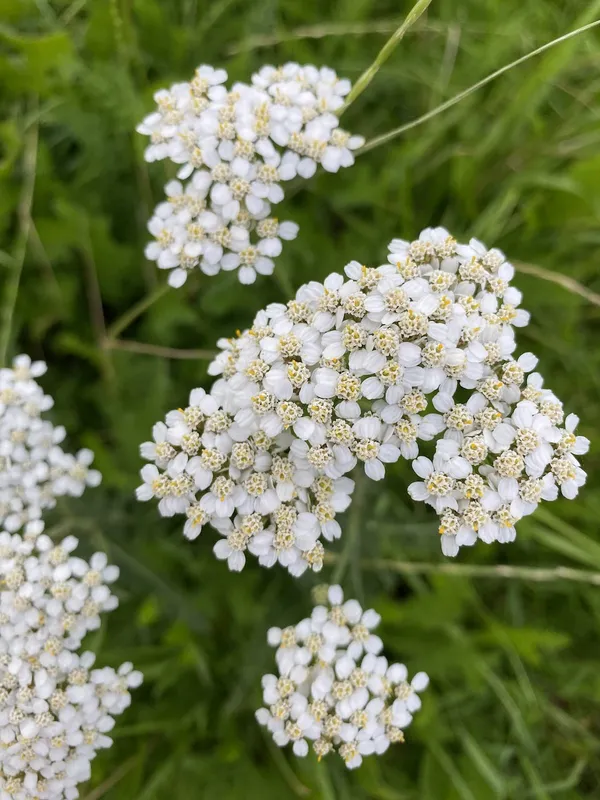
Achillea millefolium
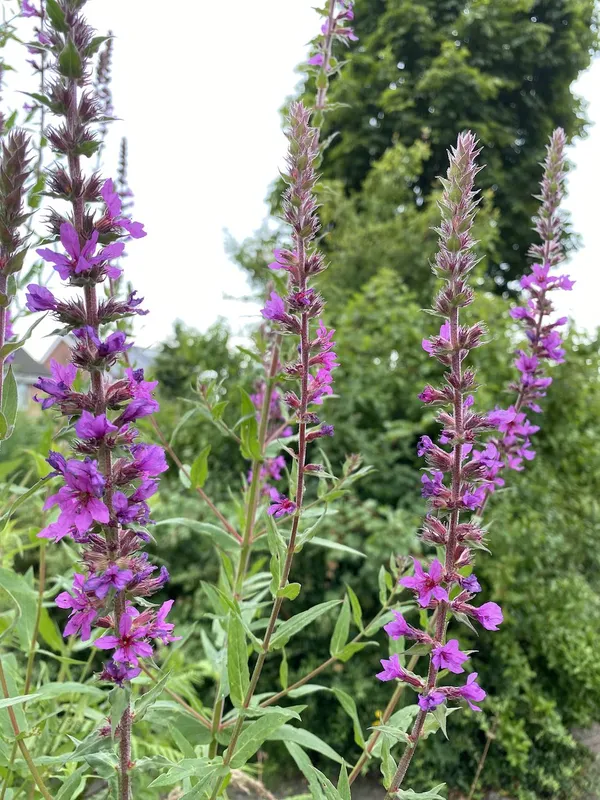
Lythrum salicaria
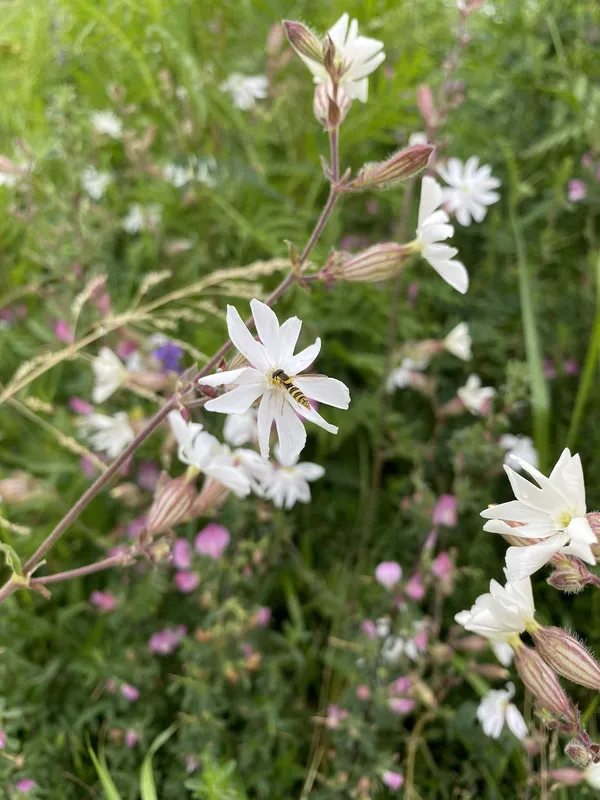
Silene
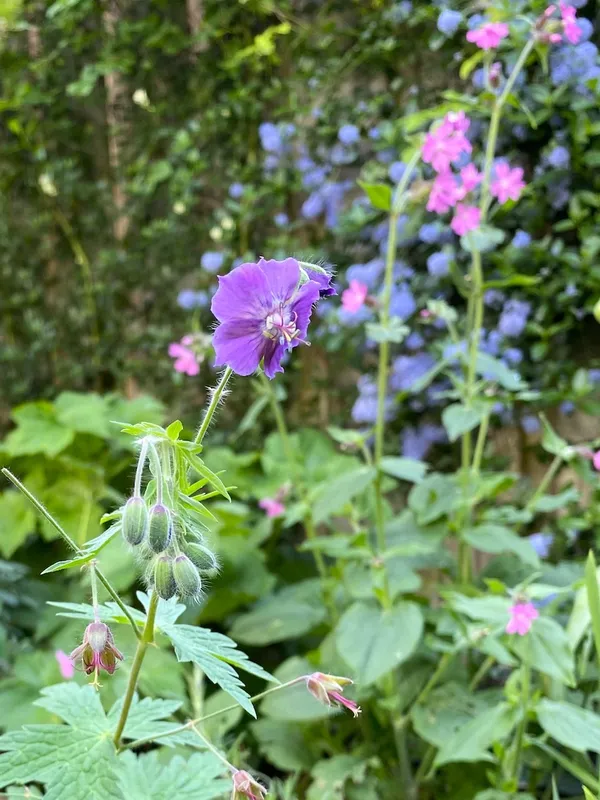
Geranium phaeum
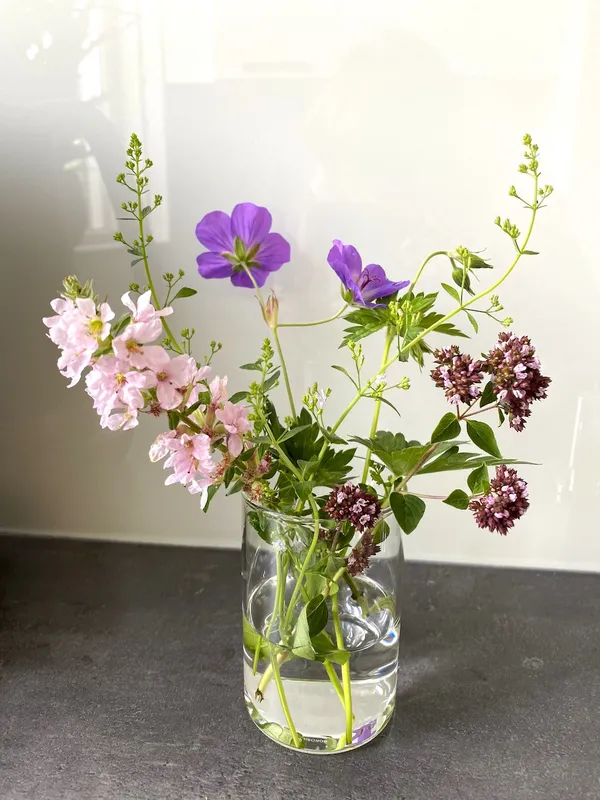
Native cut flowers
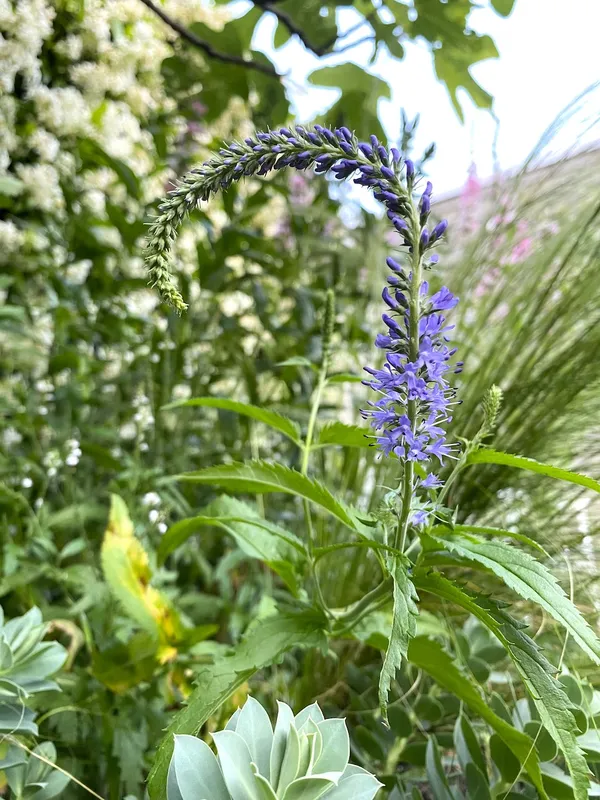
Veronica longifolia
Annuals
Annuals are a lovely addition if you want a different bouquet every year. They bloom profusely but require a little more work (watering). Not all varieties are available for purchase as ready-to-plant seedlings; you’ll have to grow them yourself from seed. Plants that look beautiful in a vase include snapdragons (Antirrhinum), cornflowers (Centaurea cyanus), dwarf sunflowers (such as Helianthus debilis ‘Italian White’), or wild carrots (Daucus carota).
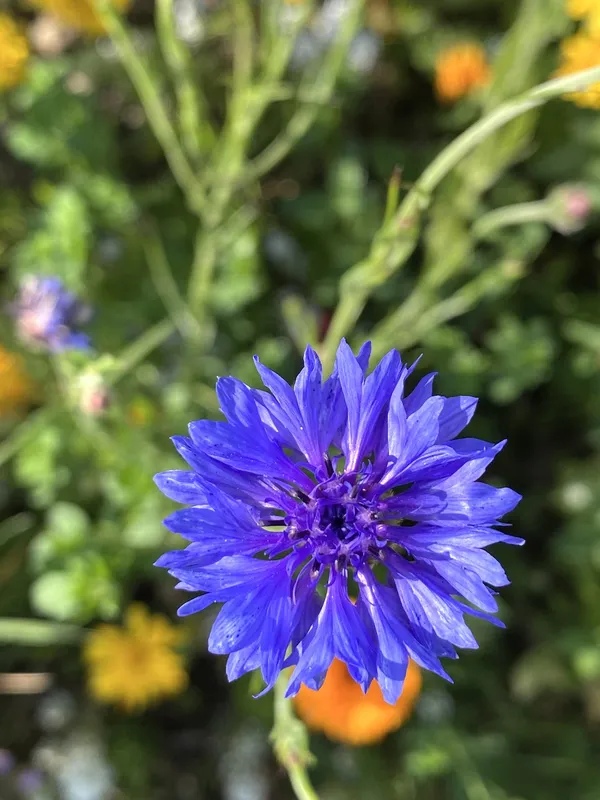
Centaurea cyanus
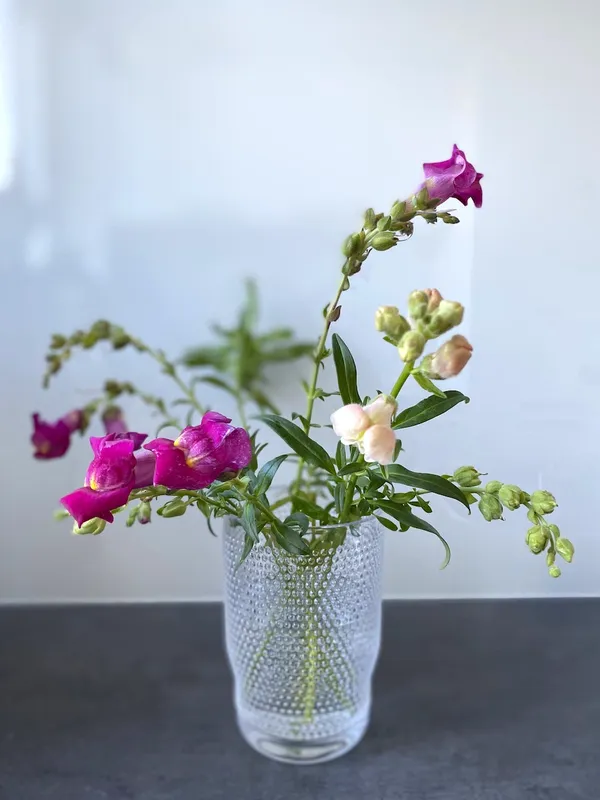
Antirrhinum
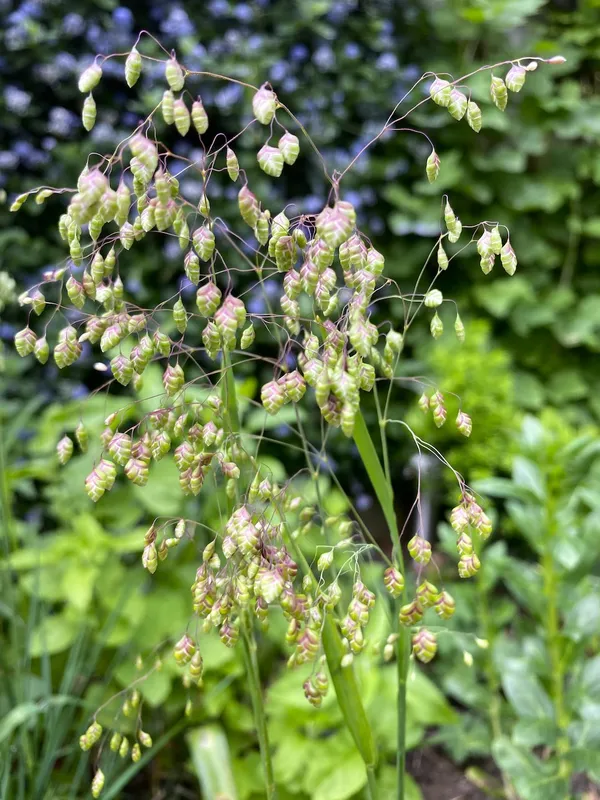
Briza Media
Climbing Plants and Ornamental Grasses
Many climbing plants wither away in a vase, but the annual sweet pea (Lathyrus) and certain climbing roses thrive. For example, Rosa ‘New Dawn’ is a vigorous climbing rose.
Ornamental grasses add the finishing touch to your bouquet. Quaking grass (Briza media) and diamond grass (Calamagrostis brachytricha) pair beautifully with all kinds of flowers.