
Plant flower bulbs in pots and containers
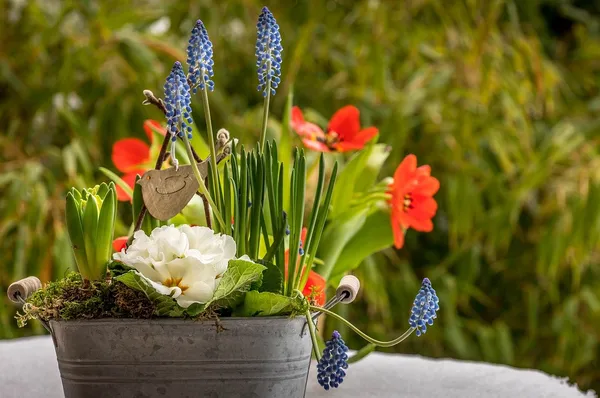
If you have limited space but still want to enjoy spring-blooming flowers, planting flower bulbs in pots and planters is a fantastic way to add color to your small garden, balcony, or patio. We’re happy to share our tips for growing flower bulbs in pots: what the benefits are, which bulbs are suitable, and how to plant them in a pot.
Benefits of Potted Flower Bulbs
Don't have room in your yard for flower bulbs planted directly in the ground, or would you like to brighten up your patio or balcony wherever you want? Buy flower bulbs for planting in a pot or planter. Here are the benefits:
Space-saving
You don't even need a patch of ground to enjoy blooming flower bulbs! Most flower bulbs grow just fine in a pot and take up very little space that way.
Flexible
Flower bulbs in pots give you a lot of flexibility. You can place the pot wherever you like, so you can create new combinations every time. This is also very handy when the flowers in a pot have finished blooming. You can then move that pot out of sight and replace it with pots that are still in bloom.
Easy to maintain
Will it be a wet winter, or a dry and warm spring? You can easily place pots wherever you want. This lets you keep them out of the rain or temporarily move them to a sheltered or shaded spot. In a pot, you’ll also notice more quickly if something is wrong with your flower bulbs.
Room for Creativity
You can plant flower bulbs in a pot or container, but there are so many other options. Anything that holds soil, is well-draining, and is deep enough can be used for your flower bulb display! Think of small containers, baskets, buckets, tubs, old shoes, pots and pans, burlap bags, etc. Don’t forget to make enough holes in the bottom so the water can drain easily.
Which flower bulbs should I plant in a pot?
Are you also curious about which flower bulbs are suitable for pots or planters, and which are the most beautiful spring-blooming flower bulbs to plant in them? These are our favorites:
Snowdrops, crocuses, and grape hyacinths in pots
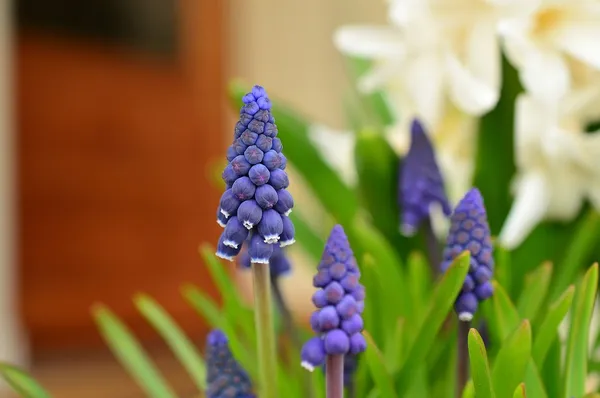
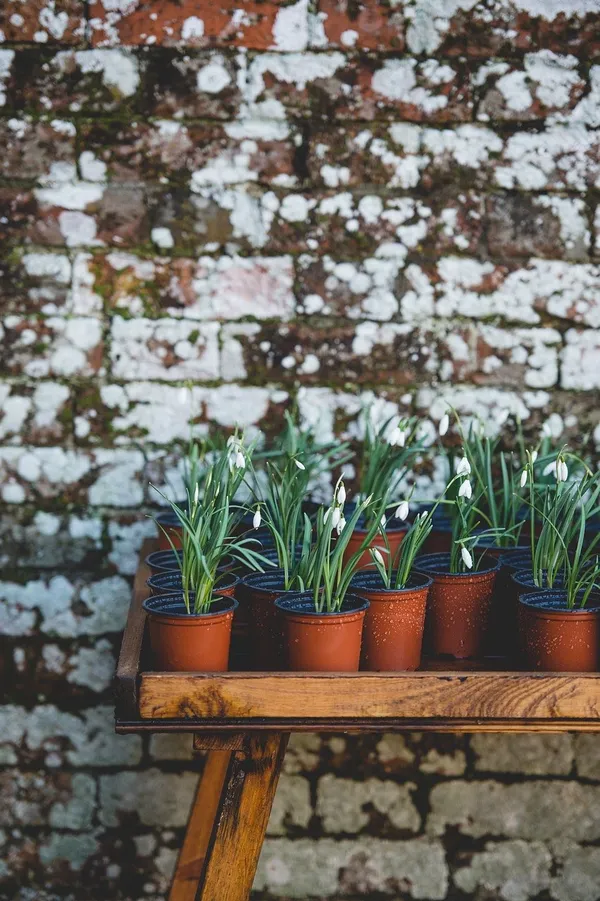
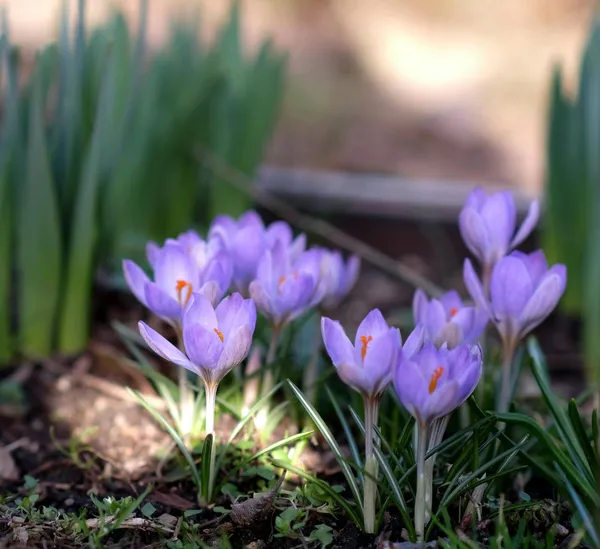
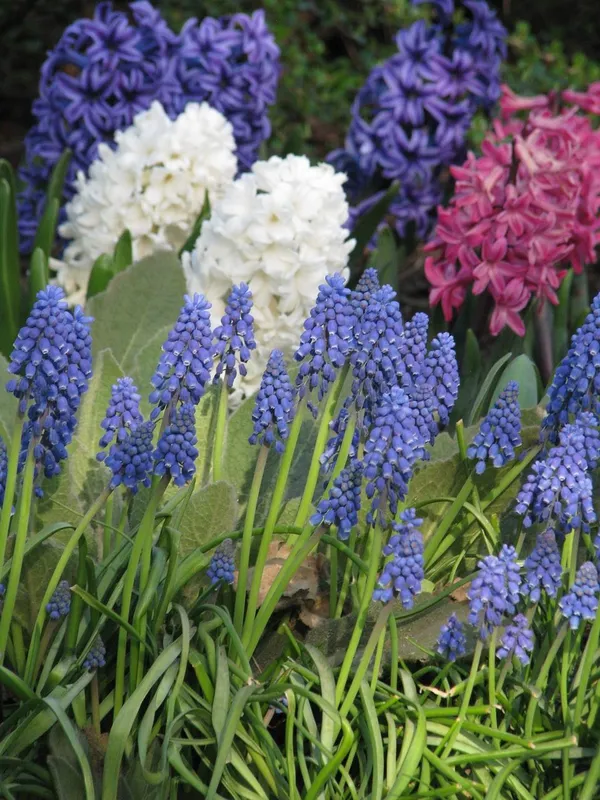
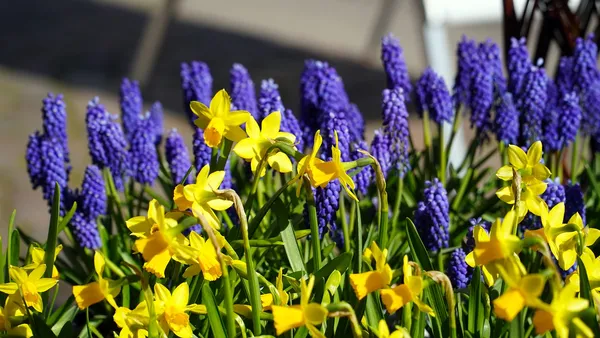
Enjoy blooms in late winter or early spring with potted crocuses (Crocus) and snowdrops (Galanthus). Since these bulbs are small, you only need a small pot or container, which doesn’t have to be very deep at all. Grape hyacinths (which bloom a little later) also look beautiful in pots. For example, you can fill a nice shallow pot or container with them and place it on your outdoor table. Crocuses come in many different colors, and grape hyacinths (Muscari) certainly aren’t limited to just blue.
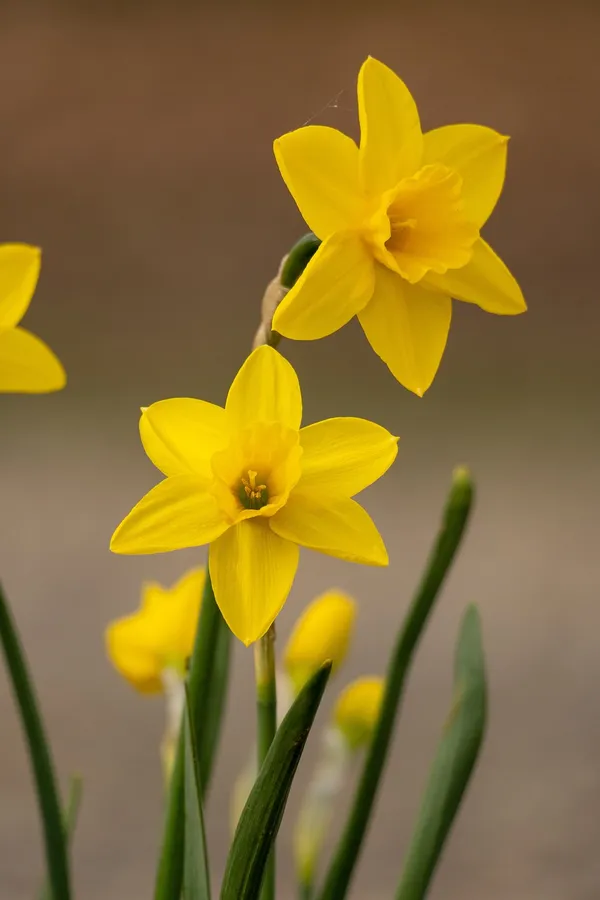
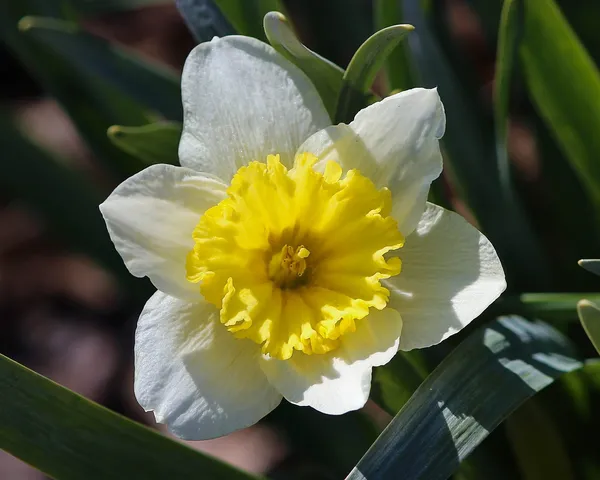
Potted daffodils
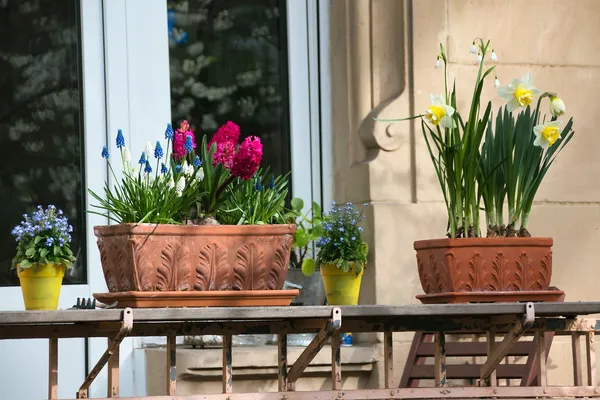
Mini daffodils are ideal for a small pot or planter. Plant them close together so they’ll make a real impact when they bloom. Larger daffodils, of course, should be planted in a larger pot or planter so they have enough room to grow. Daffodils (Narcissus) aren't just yellow—there are also various white varieties, and they come in both single-flowered and double-flowered types. They also look beautiful when combined with, for example, grape hyacinths.
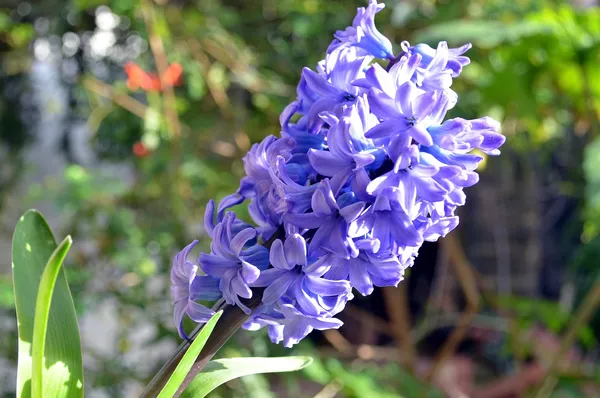
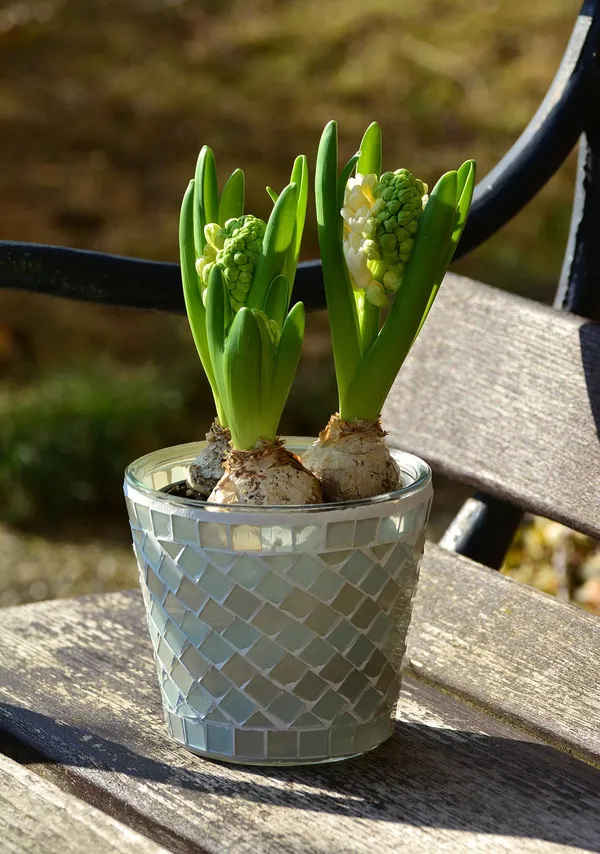
Potted hyacinths
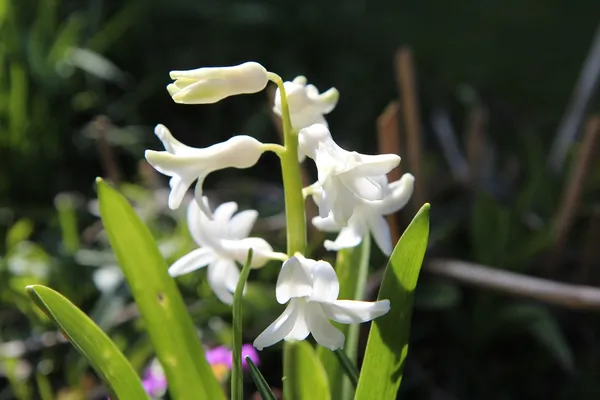
Hyacinths look great in pots. Even a single potted hyacinth makes quite an impression! Place these fragrant spring bloomers near a path, on a patio, or by the door so you can fully enjoy their wonderful scent. In addition to the well-known large hyacinths, the smaller varieties are also great for pots. Consider bluebells or Spanish bluebells (Hyacinthoides) or star hyacinths (Scilla) for a more natural look.
Potted Tulips
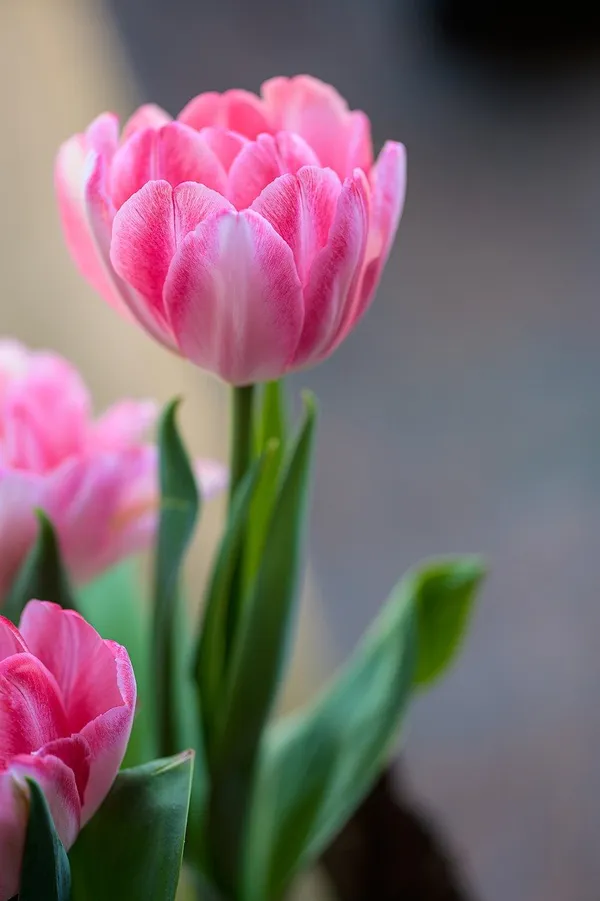
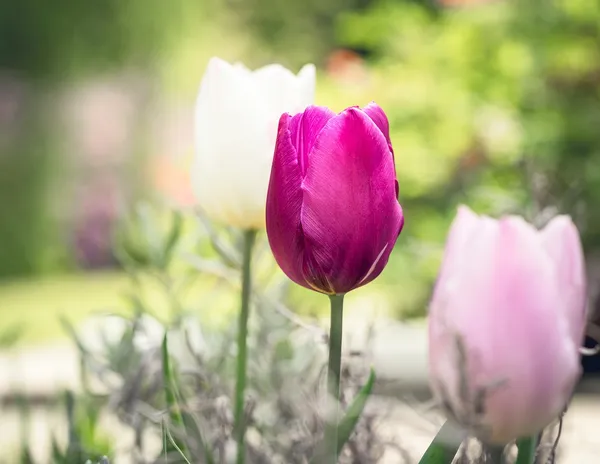
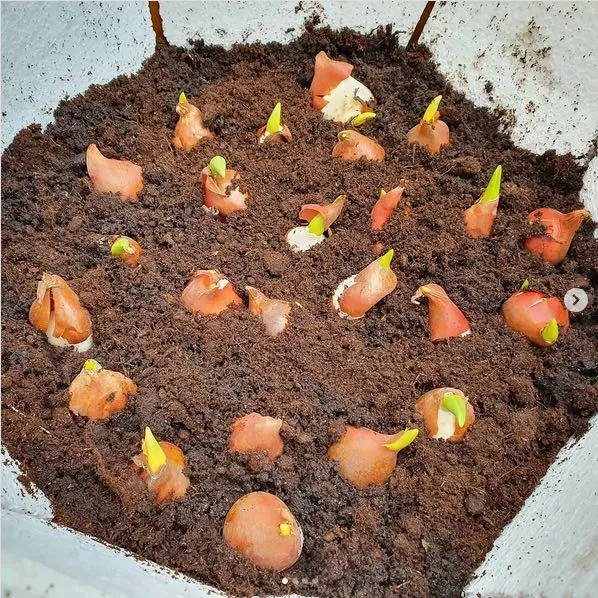
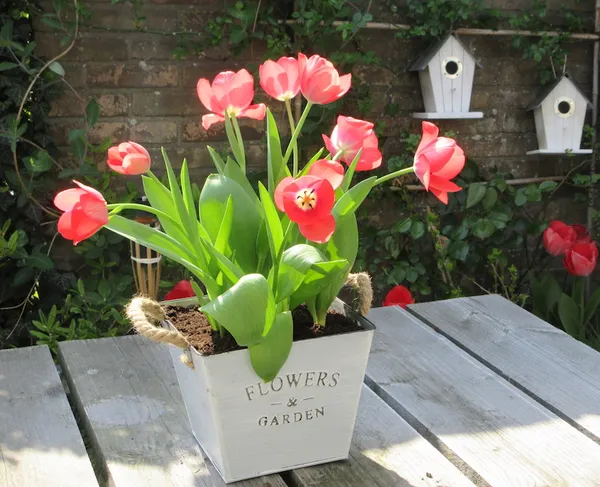
Tulips look beautiful in a pot or planter. If you plant plenty of them in a pot, it'll be just like having a bouquet of flowers in a pot! Buy tulips varieties with stems that aren’t too long, so they look great in a vase and stay upright. Tulips come in all colors, sizes, and shapes—from the well-known single-flowered tulips to double-flowered tulips, fringed tulips, and parrot tulips. There really is a tulip for everyone! Keep in mind that there are both early-blooming and late-blooming tulips. Tulips also work very well in pots with multiple layers of flower bulbs (bulb lasagna), in the bottom layer.
Potted Alliums
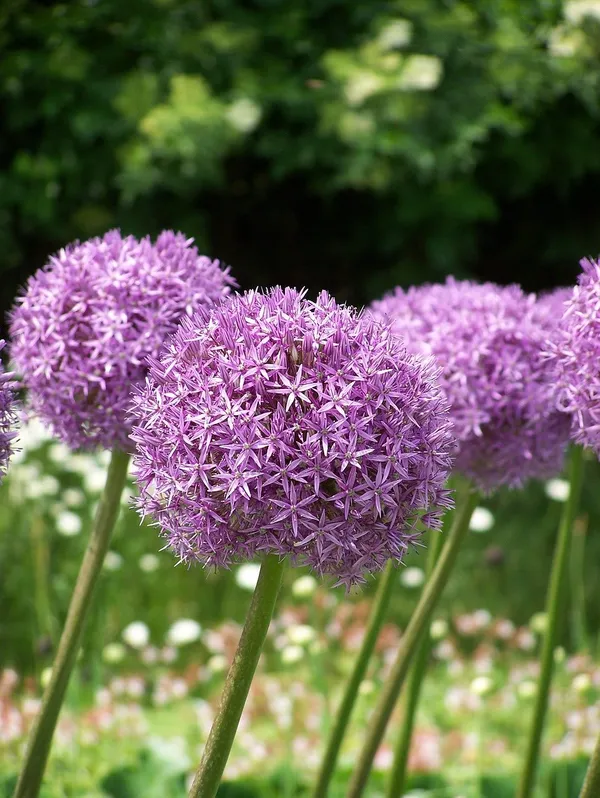
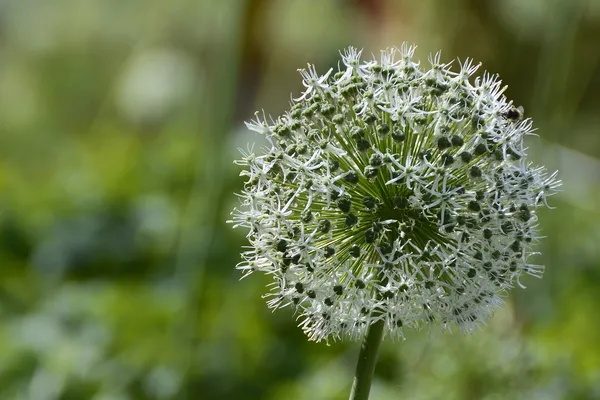
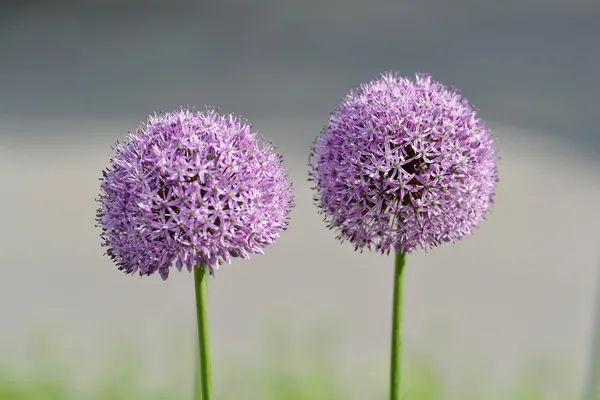
Planting Allium, or ornamental onions, in a pot is also a good idea. Here, too, choose Allium Species with slightly shorter stems. They bloom a bit later than many other spring-flowering bulbs and pair beautifully with, for example, late-blooming tulips, a light and airy ornamental grass, foliage plants, or early-blooming perennials. Keep in mind, however, that the foliage of most Allium species turns yellow and becomes less attractive once flowering begins. With a few well-placed pots or plants around them, this won’t be a problem.
How do you plant flower bulbs in a pot?
How do you plant flower bulbs in a pot or planter? Check out our step-by-step guide for planting flower bulbs in pots:
- Choose a nice, suitable pot or planter for your flower bulbs. Keep in mind that single-walled terracotta pots can crack in freezing temperatures. Flower bulbs in pots can stay outside all year round. If you prefer, you can use a separate inner pot, which you place inside a larger decorative pot.
- Choose a pot or planter with good drainage—that is, one with enough (large) holes for water to drain out. Or make additional holes.
- Cover the larger drainage hole at the bottom of the pot with a shard from an old pot, or line the bottom of the pot with burlap, for example. Water needs to be able to drain easily, but the soil needs to be held in place.
- Fill the container with a layer of at least about 5 cm of hydro granules, clay granules, or gravel.
- Use good-quality potting soil, or make your own using compost and well-draining materials such as coarse sand, gravel, or perlite.
- Plant the bulbs at the correct depth (about 2–3 times the depth of the bulb; tulips can be planted a little deeper if necessary).
- If desired, plant in layers so that you get a succession of blooms from different varieties.
- Fill the pot with potting soil and top it off with a layer of gravel, crushed stone, clay pellets, or other mulch. This looks nicer, but it also prevents problems such as stem rot and soil splashing.
- Place the pot in the desired spot, or put your pots in a temporary spot so you can move them to the desired spot in the spring.
- Make sure the pot isn't placed on a completely flat and hard surface. This can make it harder for the water to drain. If necessary, place the pot on legs.
- Water your pot of flower bulbs. You probably won't need to do this again until spring, unless it's very dry for a long time in the fall or winter.
Tips for Planting Flower Bulbs in Pots
- Combine different types of flower bulbs. For example, grape hyacinths and daffodils, or hyacinths, snowdrops, and crocuses, or tulips and Allium. Choose varieties that bloom at the same time. Different colors of the same variety can also look very beautiful.
- Use the lasagna method: Plant different types of flower bulbs, each with a different blooming period, in layers in a pot. That way, a new flower bulb will start blooming just as the other one has (almost) finished blooming.
- Once your spring-blooming flower bulbs have finished blooming, you can replace them with bulbs that bloom in late spring or early summer (such as Allium), or you might consider dahlias or begonias, for example.
- In a pot or container, it's no problem to plant your flower bulbs closer together for maximum impact.
- Make sure your pots and containers drain well: most flower bulbs don't like having wet feet. If necessary, place your pot on feet.
- Don't forget to let the foliage of flower bulbs die back naturally so they can store enough energy for next year's growth and blooming.
You can find more tips on flower bulbs on our page: Everything About Flower Bulbs