
Perfect Potted Plants for Winter
Let’s take a quick look ahead to the colder months: Even in winter, pots and planters can help bring your garden or balcony to life. Evergreens, conifers, and wintergreen hedge plants provide structure. Winter-blooming plants like hellebores add color, as do the berries of plants such as skimmia. Would you also like to enjoy beautiful plants and plant combinations in a pot or planter this winter? In this article, we’ll give you plenty of options!
Plants for Pots in Winter
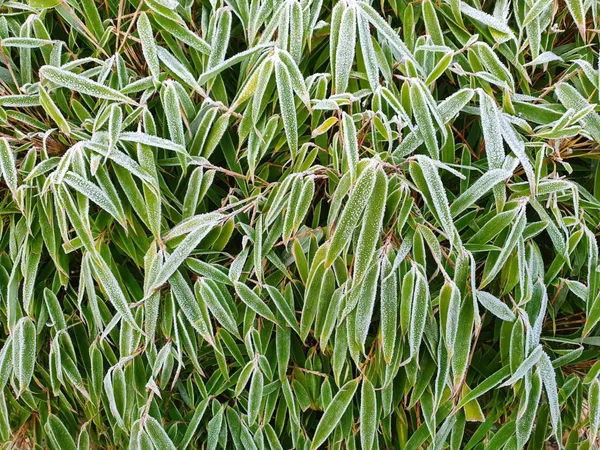
Bamboo (Fargesia) – Bamboo is an elegant plant for a larger pot. Many types of bamboo remain green in the winter. Fargesia does not spread aggressively.
Blue Grapes (Muscari) – Plant them in the fall, and you’ll enjoy beautiful, deep-blue blooms in late winter. Perfect for early bees. Looks great paired with early daffodils.
Cyclamen (Cyclamen coum) – Winter-blooming cyclamen (December through March), in shades of white, pink, or purple.
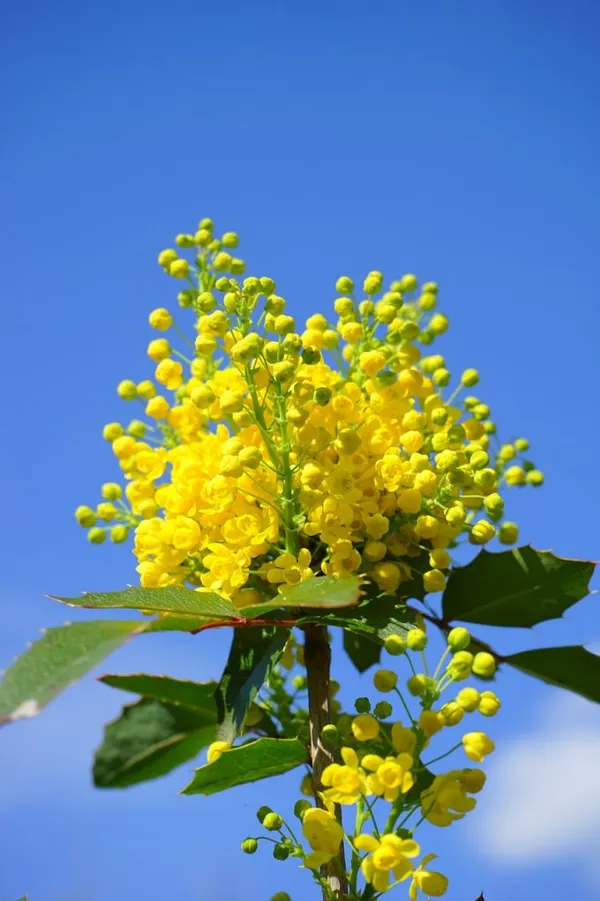
Grapevine (Mahonia) – An evergreen shrub with dark green, pinnate leaves and clusters of yellow flowers from January through April. Be careful when pruning, due to the spines on the leaves.
Dwarf Conifers, such as Chamaecyparis, Juniperus, Picea, or Thuja—evergreen and providing structure and height.
Dwarf rhododendron (Rhododendron) – Compact and dwarf rhododendrons remain shorter (such as yakushimanum), are naturally evergreen, and reward you with beautiful flowers after winter.
Evergreen ground covers such as Vinca, Pachysandra, Hedera, and Sedum—great for the foreground of your pots and planters.
Heavenly Bamboo (Nandina domestica) – An evergreen, upright-growing shrub with distinctive foliage (which may turn red or purple in the fall and winter) and red berries.
Horn violet or garden violet (Viola cornuta) – Blooms all winter long, as long as there is no frost, with small flowers in purple, blue, yellow, or white.
Japanese holly (Ilex crenata) – A dark green holly variety with small leaves, perfect for topiary as a substitute for boxwood.
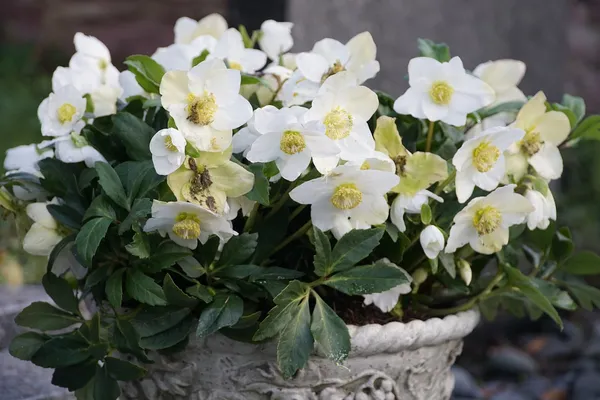
Christmas Rose (Helleborus niger) – Blooms with white flowers from January through March.
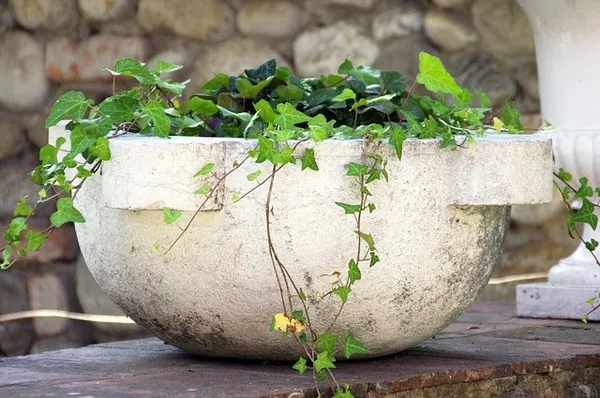
Ivy (Hedera) – Small-leaved ivy varieties (with or without white leaf edges) are ideal for letting them trail over the edge of your pot or planter. They grow much more slowly than their better-known relatives.
Laurel snowball or evergreen snowball (Viburnum tinus) – An evergreen shrub with graceful flower buds that blooms from September through April, followed by blue berries.
Eastern Hellebore or Spring Rose (Helleborus orientalis) – Pink flowers from January through April.
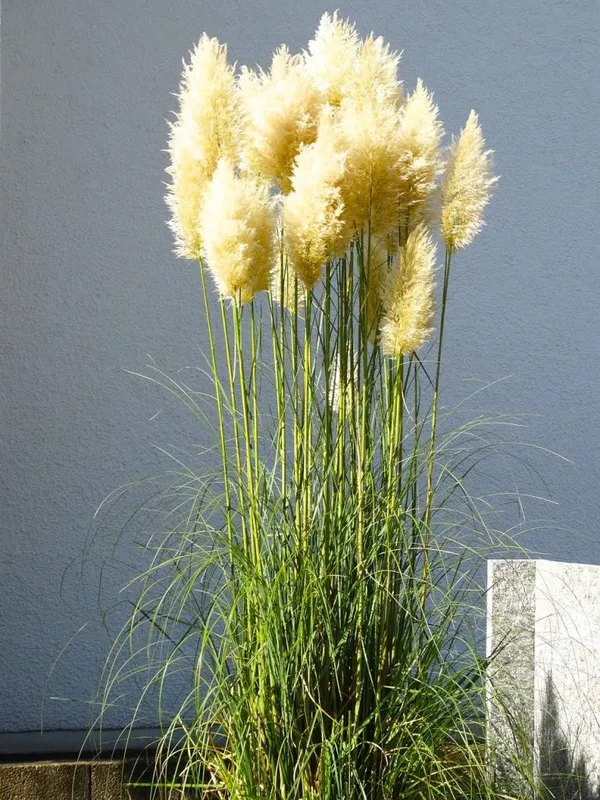
Pampas grass (Cortaderia) – Remains in good shape and stays green well into winter, with beautiful white-to-beige plumes. For a pot or container, choose a Pampas grass variety that stays shorter, such as Pumila.
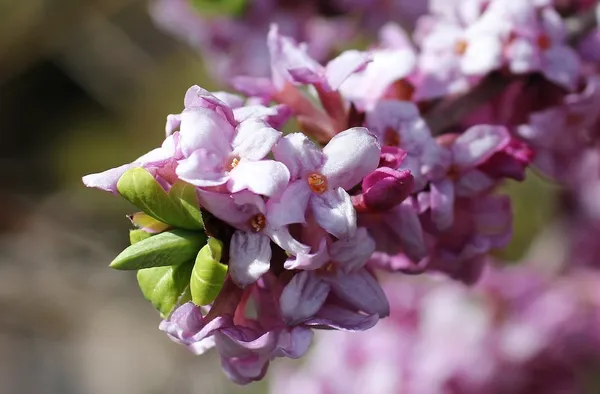
Pepper Tree (Daphne) – An evergreen shrub with white-pink to pink flowers from January through March. The flowers have an intensely sweet fragrance. Caution: this plant is quite toxic!
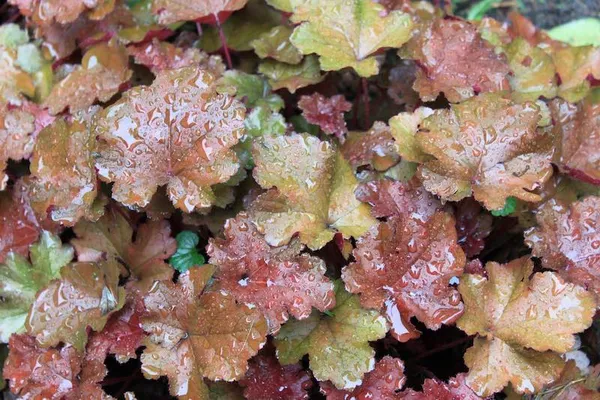
Purple Bellflower (Heuchera) – Perfect as a foreground plant in your pot, with many beautiful leaf colors. Many varieties are semi-evergreen, which means they retain their leaves well into the winter.
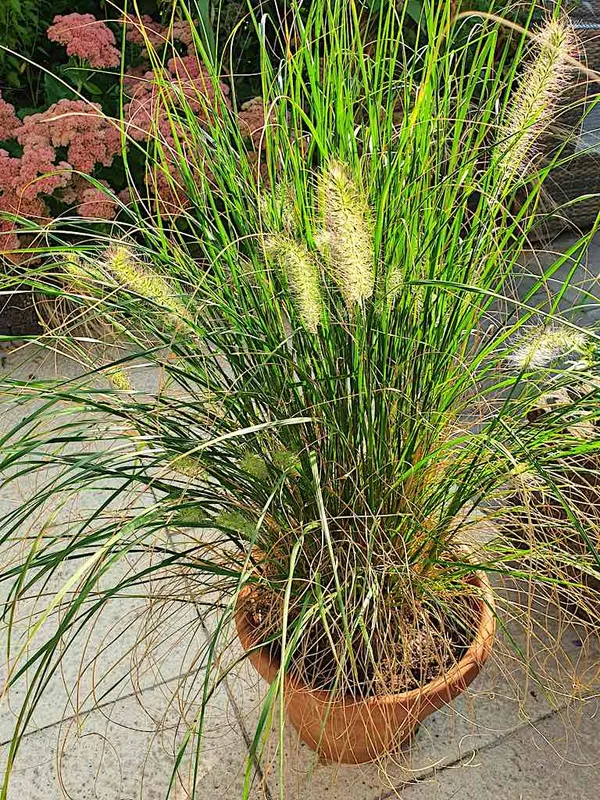
Ornamental Grasses such as Pennisetum, Miscanthus, or Calamagrostis—Even though ornamental grasses have already finished blooming by winter, they retain their shape for a long time, and their discolored stalks glow beautifully in the winter sun.
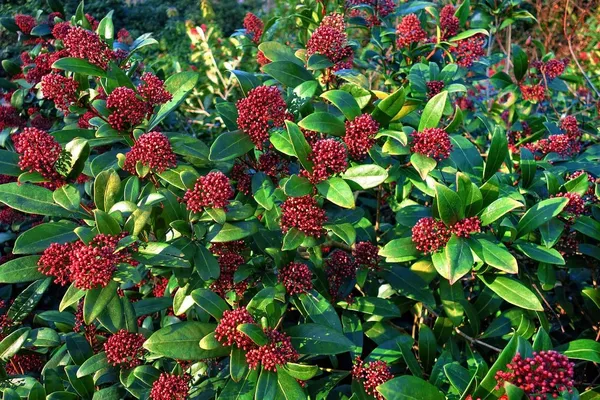
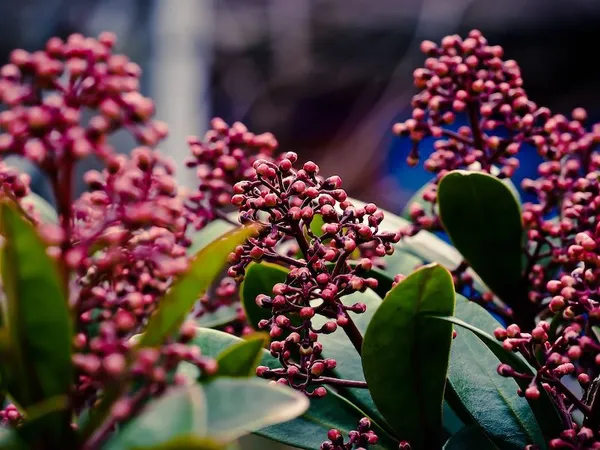
Skimmia (Skimmia japonica) – Dark red buds or red berries, followed by fragrant white flowers in the spring.
Snowball (Viburnum bodnantense) – Loses its leaves in winter, but blooms on bare branches with wonderfully fragrant pink flowers.
Witch Hazel (Witch hazel) – A winter-blooming plant with spider-like flowers in yellow, orange, or red. Some varieties have a wonderful fragrance.
Meatberry or sweet boxwood (Sarcoccoca) – An evergreen shrub with white flowers that have a wonderful fragrance.
Firethorn (Pyracantha) – An evergreen shrub with small leaves and brightly colored berries in the fall and winter. Also suitable for topiary. Watch out for the thorns!
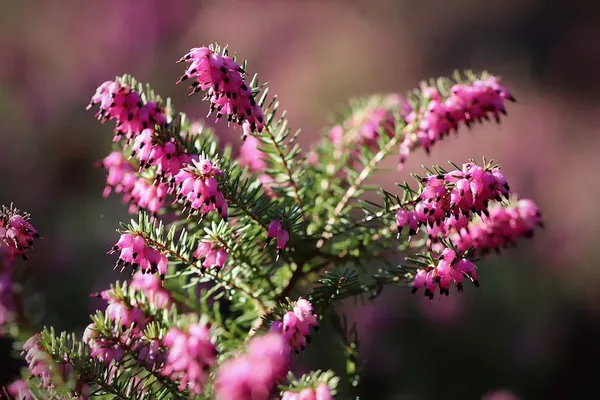
Winter Heather (Erica) – This low-growing, evergreen heather blooms from fall through winter, producing pink, purple, or white flowers.
Winter Dogwood (Cornus alba or sanguineum) – distinctive bright red or orange branches, ideal for adding contrast and height.
Spurge (Euphorbia) – A perennial or semi-shrub with thick stems and colorful bracts that remain attractive for a long time. Many species are evergreen. Caution: The sap of this plant is toxic and can irritate the skin and eyes.
Zegge (Carex) – A low-growing, evergreen ornamental grass, often with somewhat thicker stems.
Plant Combinations for Winter Pots
There are some really beautiful plant combinations you can create for pots and planters in the winter. For example, you can combine different evergreen plants, perhaps in various shades such as dark green, blue-green, and gray. Or you can use a plant with colorful berries to create a nice contrast. Plants with colorful branches also work perfectly. Low-growing plants are essential in the foreground, such as Heuchera, Carex, or Gaultheria. Don’t forget about fragrance either: many winter-blooming plants have a wonderful scent!
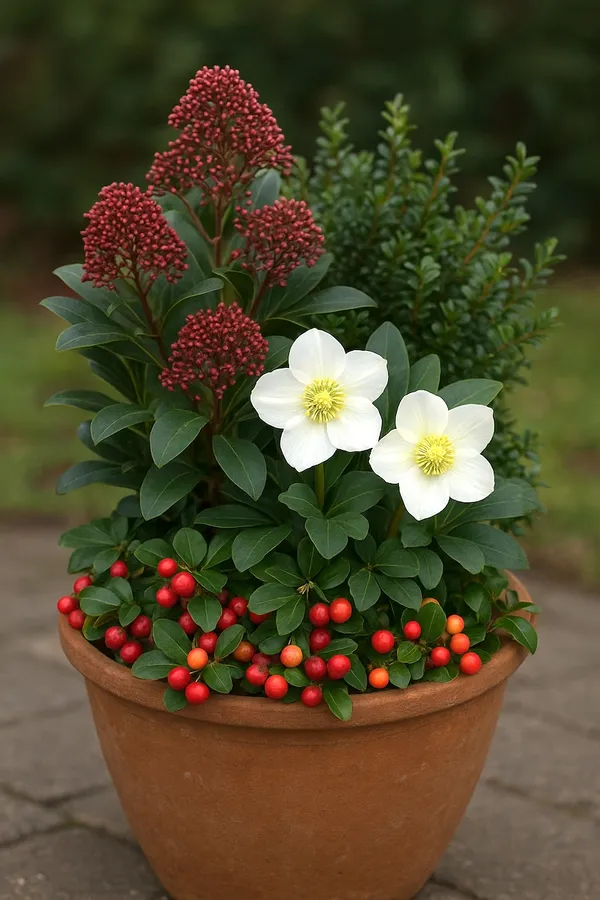
A classic combination of red and green
Skimmia with dark red buds or berries, Ilex crenata as an evergreen in the background, Helleborus niger with white flowers in the foreground, and Gaultheria procumbens with colorful berries along the edge of the pot.
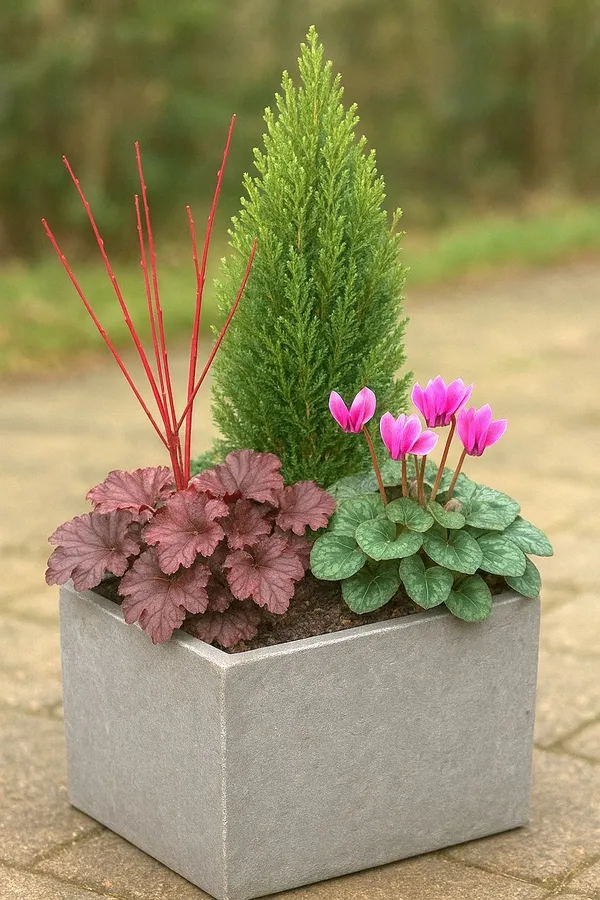
Conifer with red branches
Juniperus or Thuja for structure and height, Heuchera in the foreground, Cyclamen coum, and Cornus alba ‘Sibirica’ with its red branches for added contrast in your winter pot.
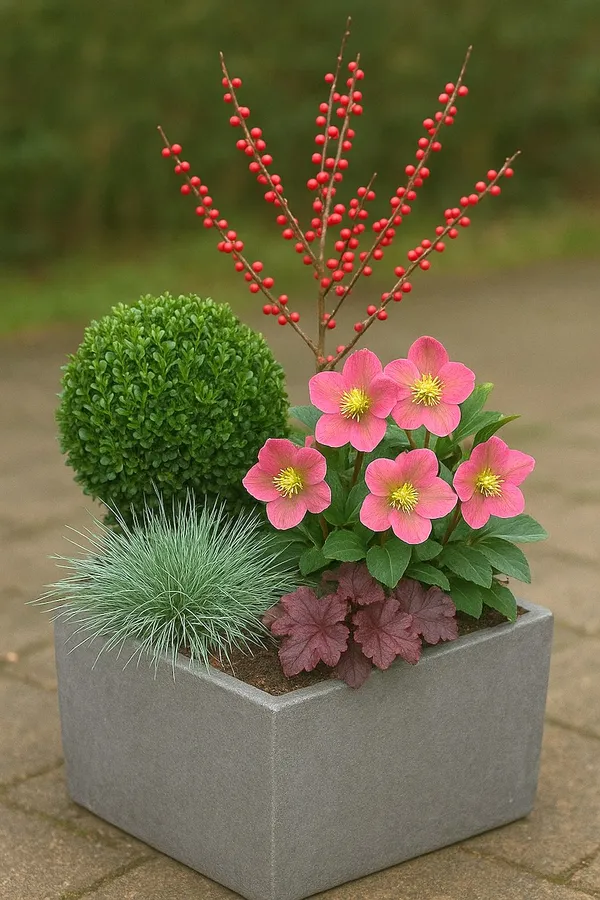
Spherical shape with berries and blossoms
Buxus sempervirens in a spherical shape, Helleborus orientalis, Festuca glauca in the foreground of your pot or planter, and Ilex verticillata with red berries in the background.
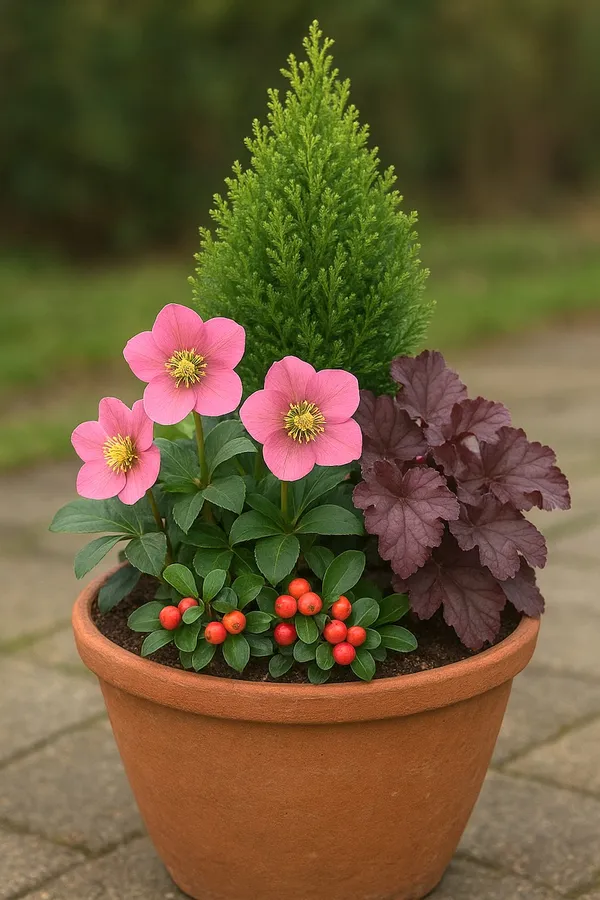
Conifer with winter-blooming plants
Thuja as an evergreen in the background or center, Helleborus orientalis with pink flowers, Heuchera ‘Palace Purple’ along the side of the pot, and Gaultheria procumbens with colorful berries in the center foreground.
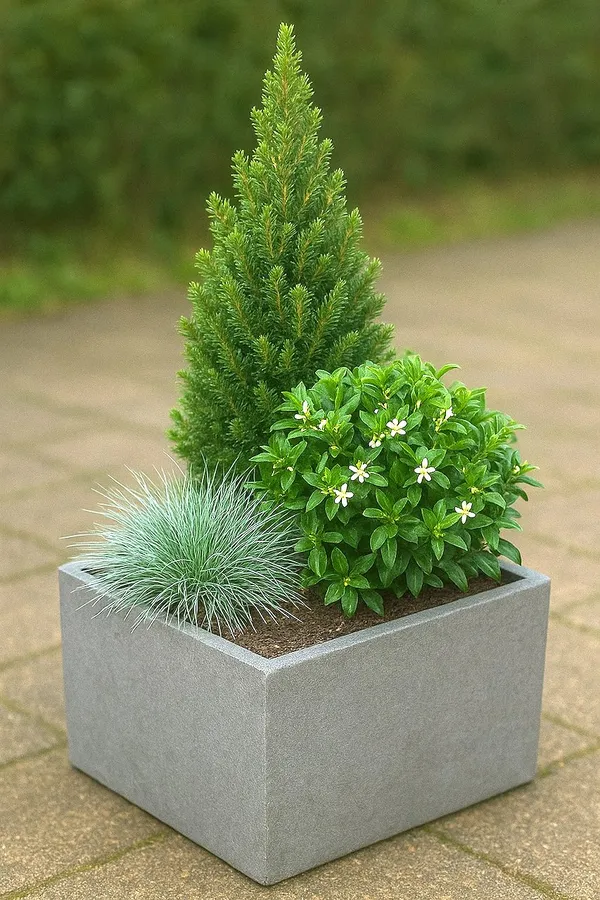
Fragrant blue-green
Picea as a dwarf cypress to add some height, with Sarcococca confusa in a spherical shape (with wonderfully fragrant white flowers in late winter) and Festuca glauca in the foreground.
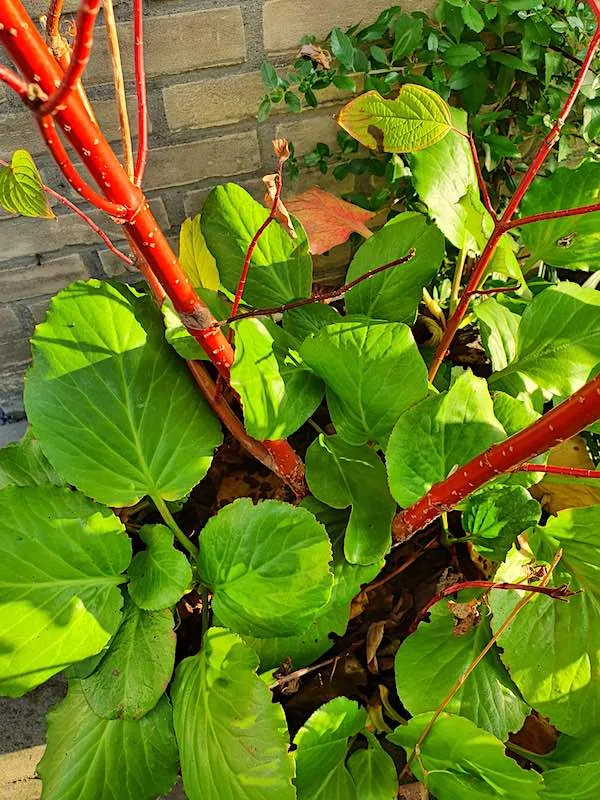
Red dogwood among the greenery
The bright red branches of the winter dogwood (Cornus alba ‘Sibirica’) provide a beautiful contrast to the dark green of plants such as Carex (sedge) or Bergenia (shoe-leather plant).
Bamboo with ferns
Choose a beautiful upright or slender bamboo, such as Fargesia robusta ‘Campbell,’ ‘Great Wall,’ or ‘Jiuzhaigou.’ Combine these with a few evergreen ferns, such as Blechnum spicant or Polystichum setiferum.
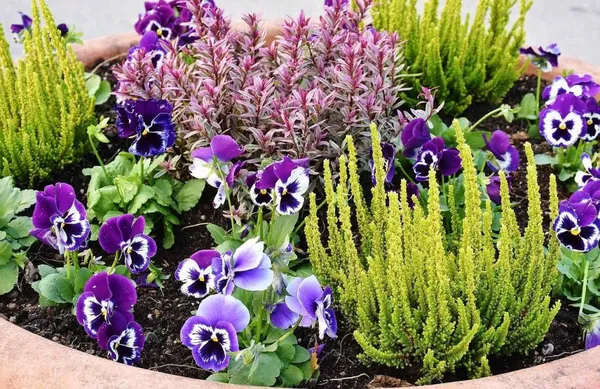
Heath and violins
Evergreen winter heather (Erica) in pink, red, or white looks beautiful when paired with blooming violets.
Tips for Winter Pots and Planters
- Make some beautiful, full trays so you can enjoy them to the fullest right away!
- Instead, choose slightly larger plants that are currently in bloom or at their most attractive!
- Variations in height between pots and plants add visual interest to your display.
- Vary the colors and shapes as well: contrasts make your plantings more interesting and enjoyable to look at.
- Don't forget about scent, either: quite a few winter-blooming plants have a wonderful fragrance. So plant them close to the house or the entrance to your garden.
- Place the pots in a spot sheltered from the wind and cold, such as next to a wall.
- Water only on days when there is no frost; avoid getting the roots wet when it freezes.
- Place pots on stands or a raised surface so that water doesn't pool in the pot or container.