Perfect Plant Combinations for Fall
By fall, many plants have finished blooming, or they are already starting to look less attractive.
Are your summer-blooming plants worn out, or do you, like us, want to really highlight the seasons in your garden?
Now is the time to create a beautiful fall arrangement in a pot or planter!
When creating a beautiful plant arrangement, don't worry about combinations that look good throughout all seasons, or about using young plants as a starting point.
Tip: Choose slightly larger plants that are currently in bloom or at their most attractive!
Would you also like to have a beautiful combination of plants in a pot or planter this fall?
In this article, we’ll share plenty of tips on how to combine plants to create the ultimate fall display on your balcony or (rooftop) terrace. So there’s plenty of advice and inspiration for a beautiful fall display!
Are you short on time, but still want to enjoy the seasons on your patio, balcony, or rooftop terrace?
Then use the Beautiful, ready-to-use planters from Upperbloom! They create the most beautiful arrangements and change the plants throughout the year. For example, for the fall season, there are the "Autumn Chic" and "Autumn Crisp" arrangements.
Classic Plant Combinations for an Autumn Arrangement
We’ve all seen them: the beautiful planters and pots at garden centers and other places that are planted for the fall. Although only a limited number of plants are often used, that doesn’t make the combinations any less beautiful! In most cases, evergreen shrubs are used, interspersed with low-growing flowering plants, such as heather or cyclamen.
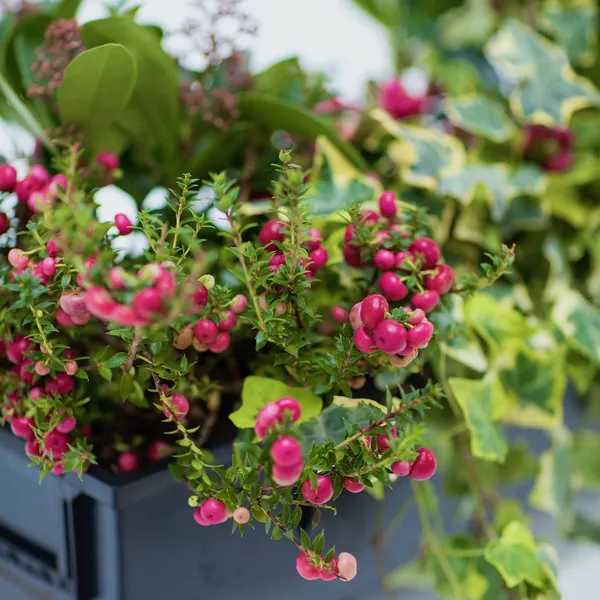
"Autumn Chic" Arrangement from Upperbloom.nl
The stars of the show for a classic fall outfit are:
- Calluna (heather)
- Cornus alba (white dogwood)
- Cyclamen
- Dwarf Conifers
- Erica carnea (winter heather)
- Gaultheria procumbens (mountain tea or partridgeberry)
- Gaultheria mucronata (pearlberry, formerly Pernettya)
- Skimmia japonica ‘Rubella’
- Skimmia japonica ‘Reevesiana’
- Viola cornuta (horned violet)
5 Classic Fall Outfits
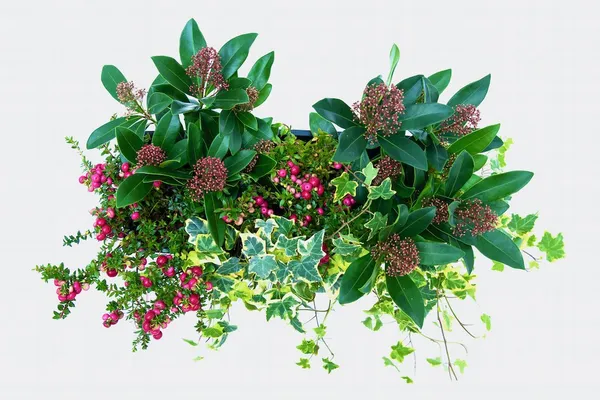
1. Skimmia, Gaultheria mucronata, Erica, and Hedera helix ‘Glacier’
The distinctive dark pink flower buds of the Skimmia remain visible all winter and contrast beautifully with the variegated white Hedera (ivy) that hangs over the planter. The striking pink berries of the Gaultheria (mountain tea) and the pink Erica (winter heath) add an extra dimension to this fall arrangement.
The Skimmia are slightly taller than the other plants and form the backdrop of the planter. On the left side, the Gaultheria is planted in front of the Skimmia. To the right of center, plant the Erica (not shown in this photo), with the Hedera in front of and alongside it, allowing it to hang nicely over the edge of the pot.
2. Skimmia japonica ‘Rubella’, Skimmia ‘Pabella’, and Skimmia ‘Fragrant Cloud’
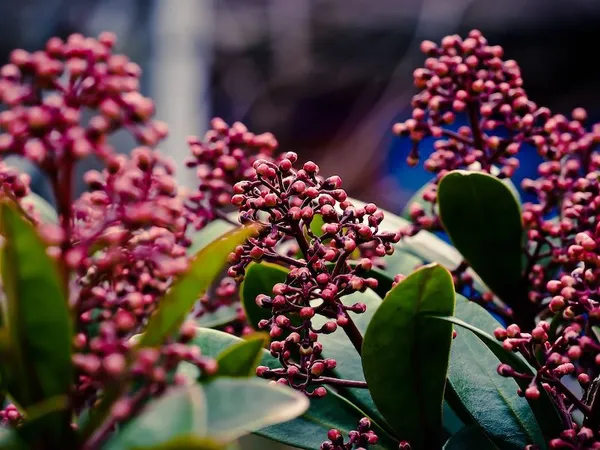
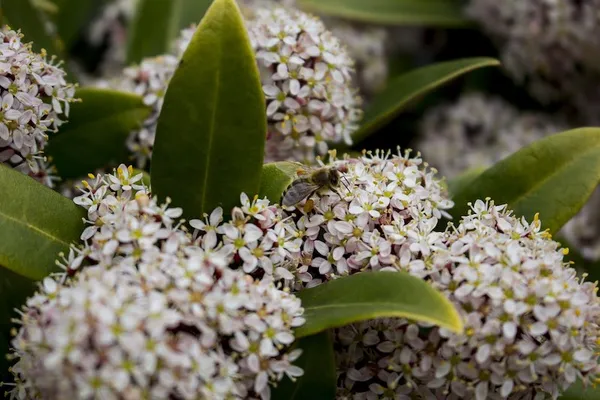
This trio of Skimmia plants is just a little more exciting than the classic combination of Skimmia with flower buds and Skimmia with berries. The greenish-white buds of Skimmia ‘Fragrant Cloud’ contrast beautifully with Skimmia ‘Rubella,’ which is completely covered in brownish-red buds. The countless bright red berries of Skimmia ‘Pabella’ add an extra touch of color.
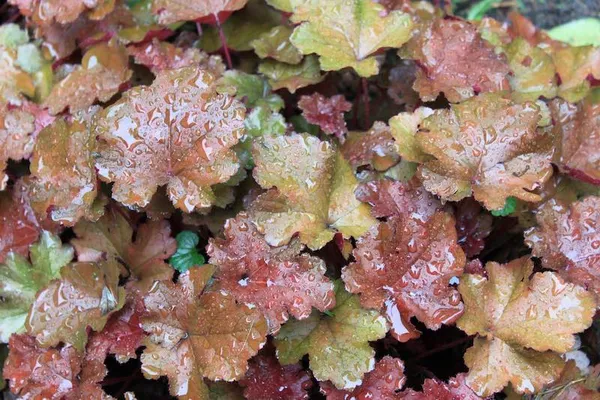
Of course, you can complete this arrangement with, for example, trailing Hedera or Heuchera ‘Plum Pudding’ for a more modern look.
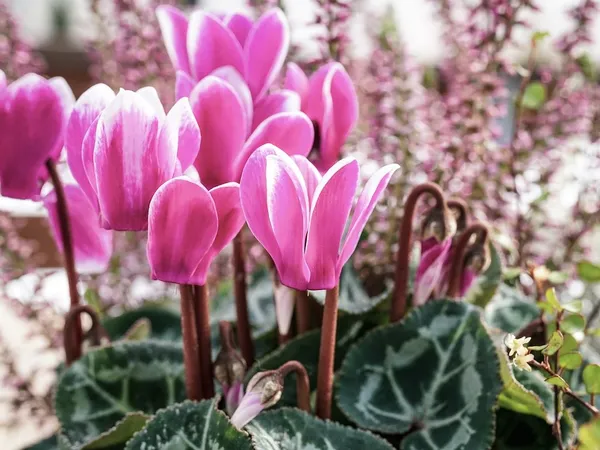
3. Erica carnea with Cyclamen
A very simple (but certainly beautiful) combination is Erica carnea (winter heath) with cyclamen. You can opt for a monochromatic look by using both pink cyclamen and pink winter heath, or create a contrast with white cyclamen and pink winter heath. The Cyclamen’s uniquely patterned leaves add extra decorative appeal to this plant combination. It’s also perfect for a small pot or planter—it looks lovely on your garden table, for example.
4. Erica duo or trio
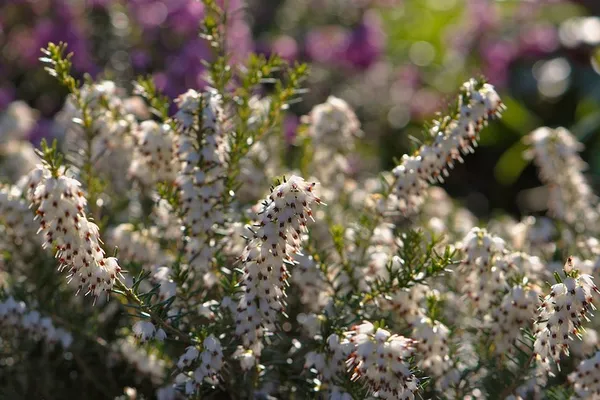
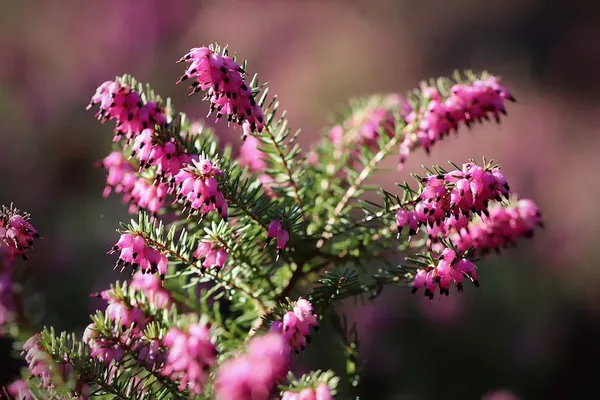
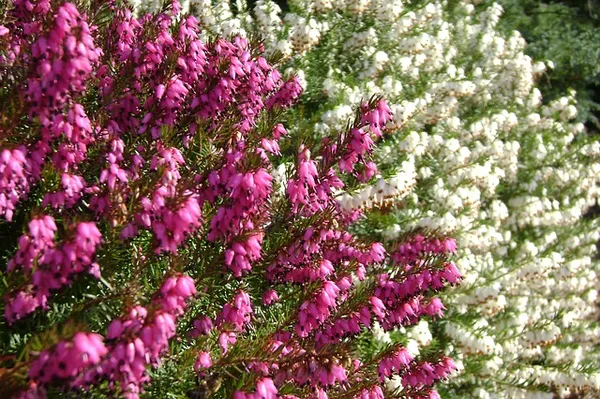
You can even fill an autumn pot entirely with just Erica—for example, in a variety of colors. The combination of white and pink alone quickly creates a beautiful arrangement for your pot. If you like, you can add a dark pink or rose-red variety for a bit more visual interest.
5. Erica ‘White Perfection’ and Viola cornuta
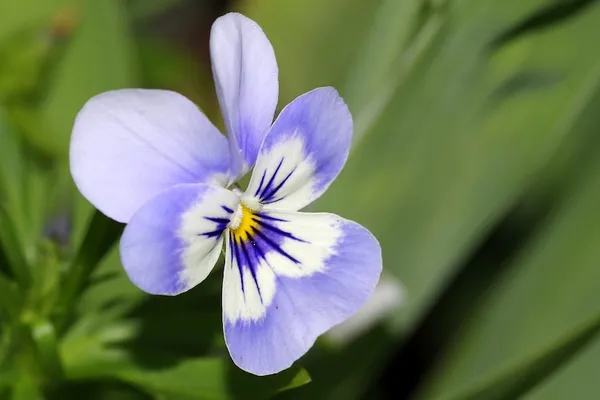
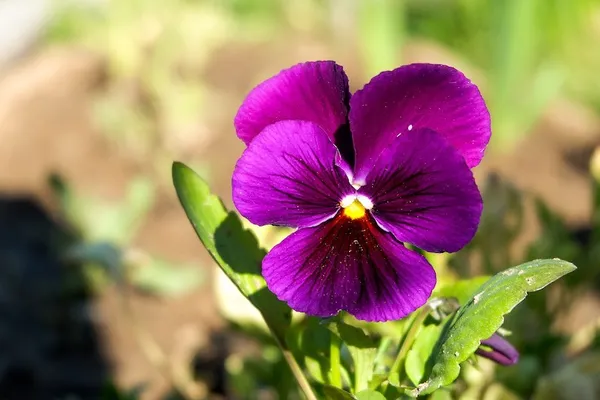
Another popular combination is winter heather with violas. Here, too, you can opt for subtle shades; for example, white winter heather paired with a soft blue or purple-blue viola. The violas and winter heather are planted alternately in a rectangular planter.
Modern Plant Combinations in Pots for Fall
In addition to the plants from the classic combinations (which, of course, can also be used extensively), the selection is much wider if you’re aiming for a more modern look. Consider plants that are ornamental for a shorter period but at just the right time, such as fall-flowering perennials, ornamental grasses, and plants with berries.
Traditional fall planters often use only 2–3 varieties, but for a modern look, feel free to go all out and add many more varieties.
Create a beautiful contrast in color or shape, and don’t hesitate to include plants that have finished blooming or ornamental grasses that have turned bronze. This actually enhances the sense of the season.
You can also use a plant that loses its leaves as fall progresses but, for example, has twigs with attractive color. While Cornus alba (white dogwood) was primarily used in the past, you can actually use any nicely branched shrub or small tree with attractive bark or colorful twigs.
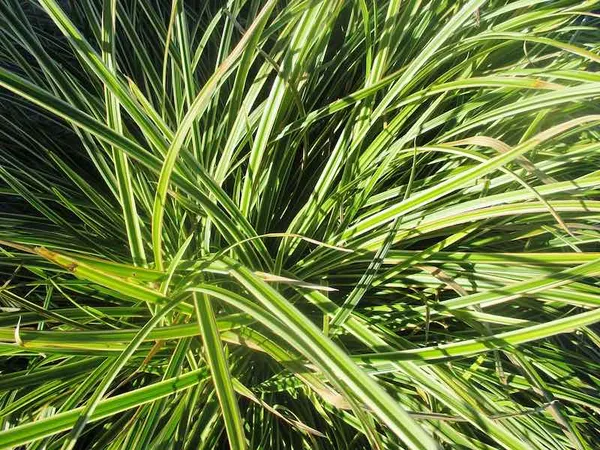
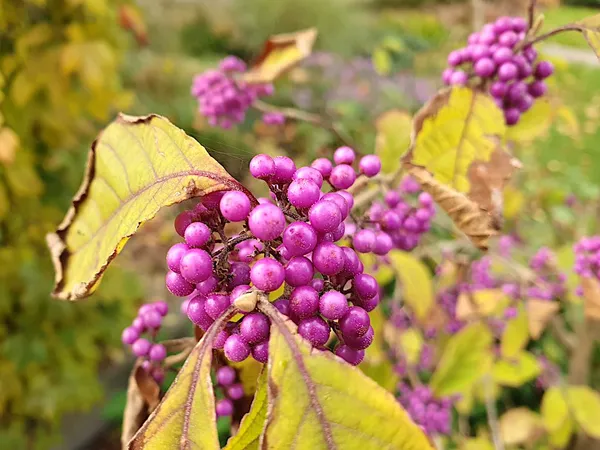
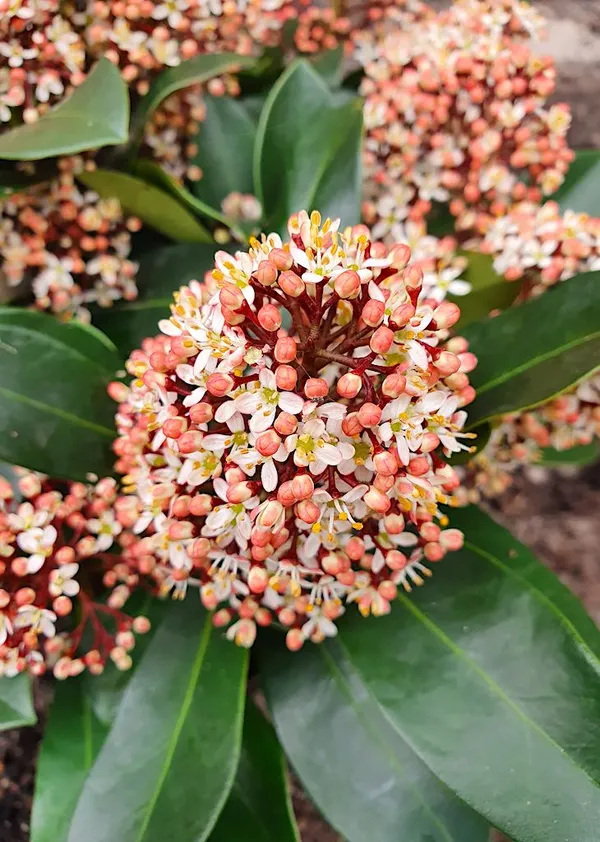
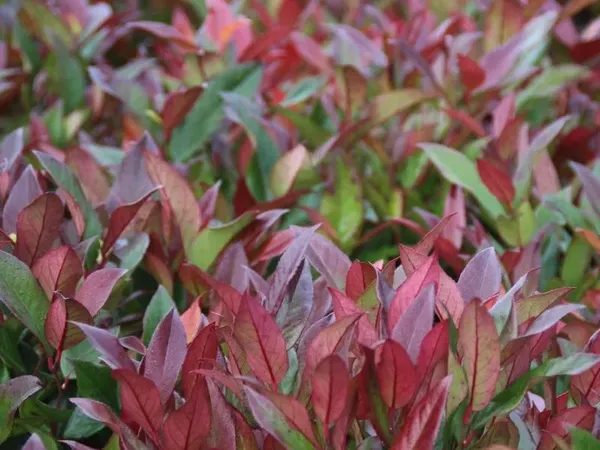
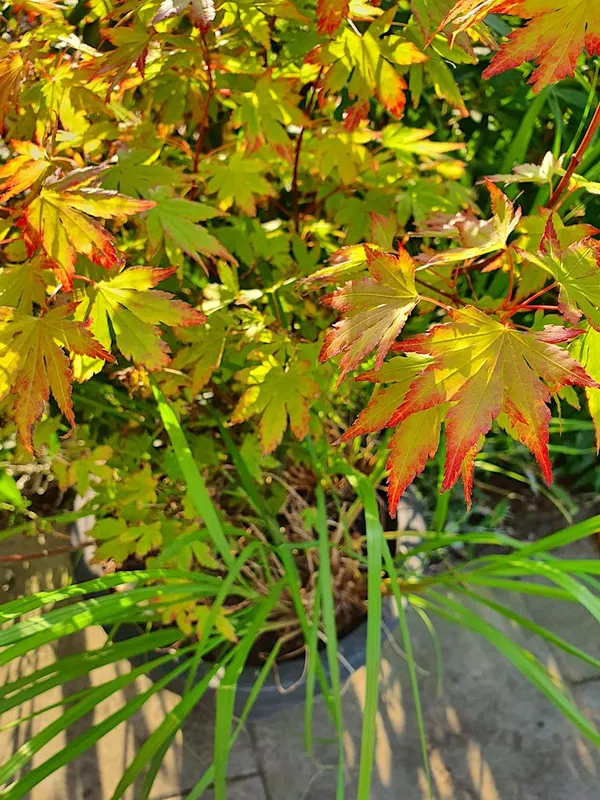
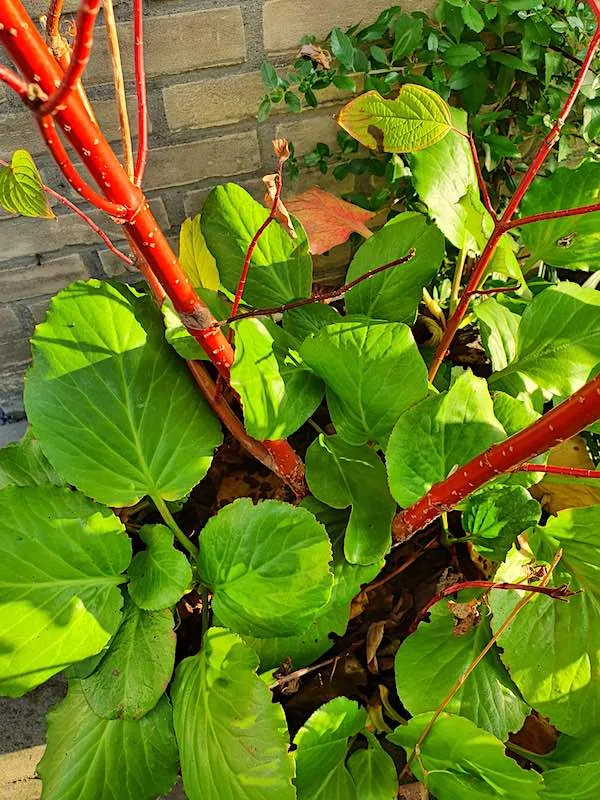
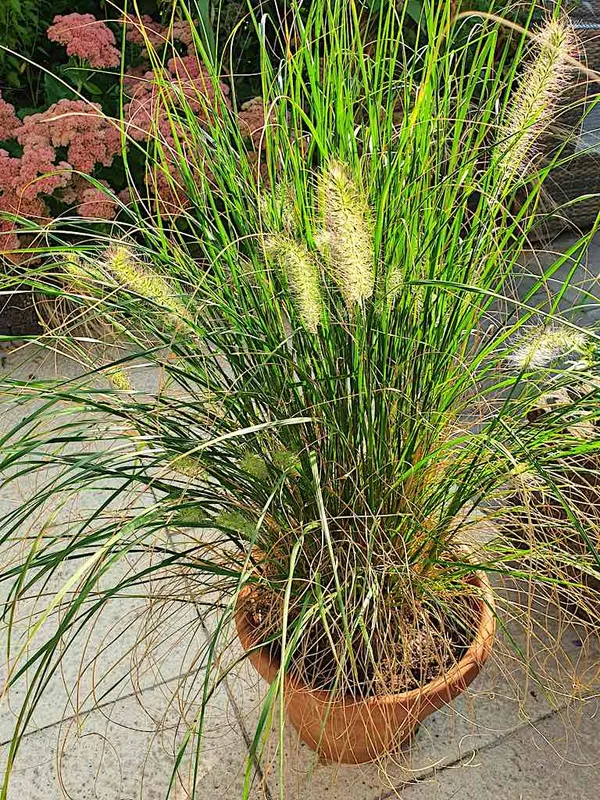
The stars of the show for a modern fall outfit are:
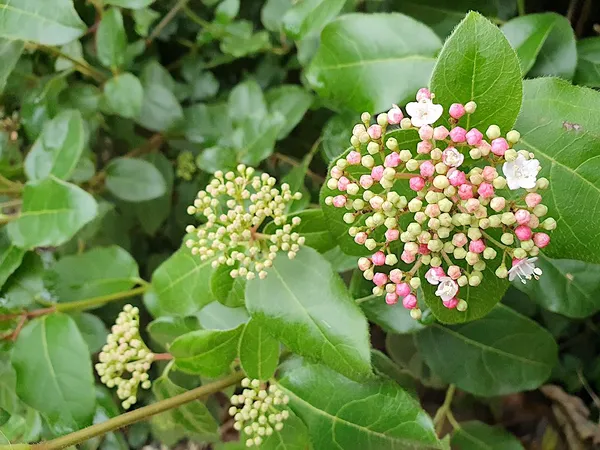
Evergreen or gray-leaved shrubs such as: Calocephalus brownii (silver shrub), Daphne (daphne), Hebe (shrub veronica), Skimmia japonica ‘Fragrant Cloud’ and ‘Kew White’, Viburnum tinus (evergreen snowball)
Plants for Their Foliage Color: Heuchera (coral bells), Leucothoe zeblid (grape heath), Nandina domestica (heavenly bamboo)
Ornamental Grasses: Carex (both evergreen and bronze-colored varieties), Festuca glauca (blue fescue), Hakonechloa macra (Japanese forest grass), Pennisetum alopecuroides (lamp-cleaner grass), Stipa tenuissima (feather grass)
Berry-bearing shrubs: Calicarpa bodinieri (beautifulberry), Cotoneaster (dwarf cotoneaster), Pyracantha (firethorn)
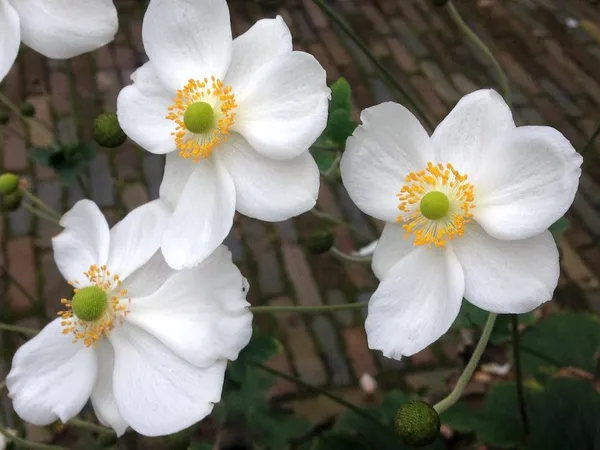
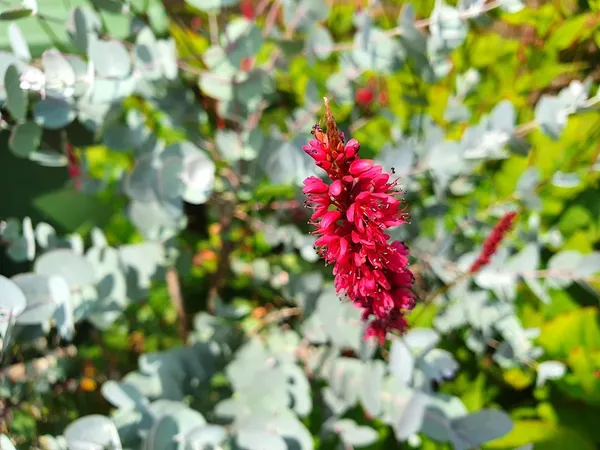
Fall-flowering plants: Anemone (autumn anemone), Aster (autumn aster), Penstemon (turtlehead), Persicaria amplexicaulis (knotweed), Sedum spectabile (stonecrop)
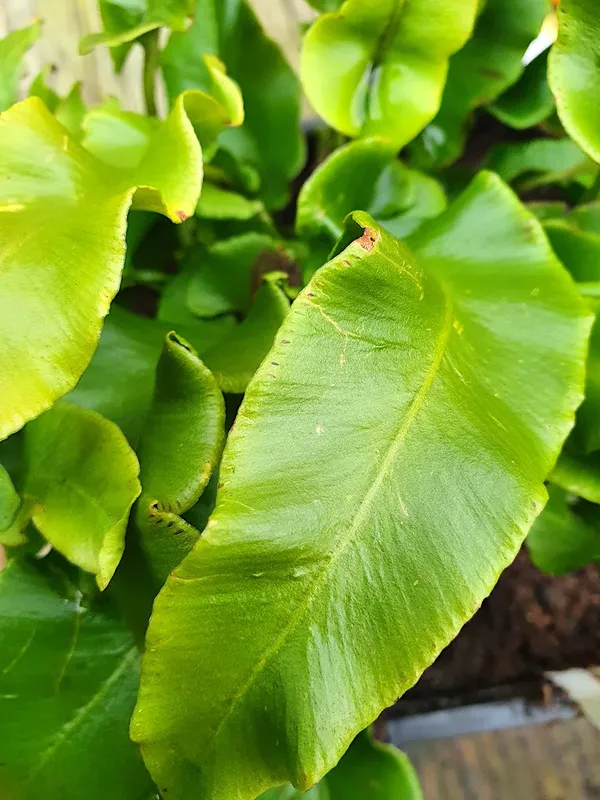
Evergreen ferns: Asplenium scolopendrium (tongue fern), Cyrtonium (iron fern), Dryopteris erythrosora (red autumn fern), Polystichum (kidney fern)
3 Modern Fall Outfits
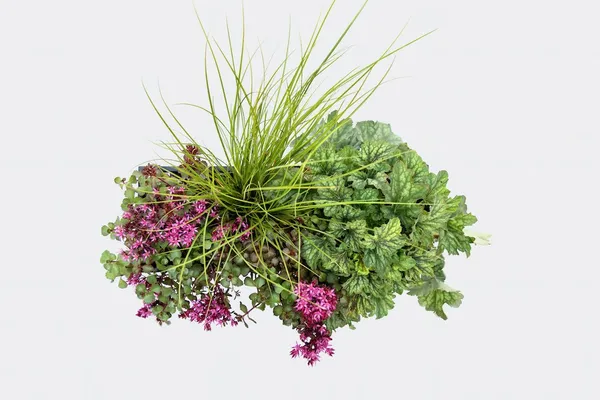
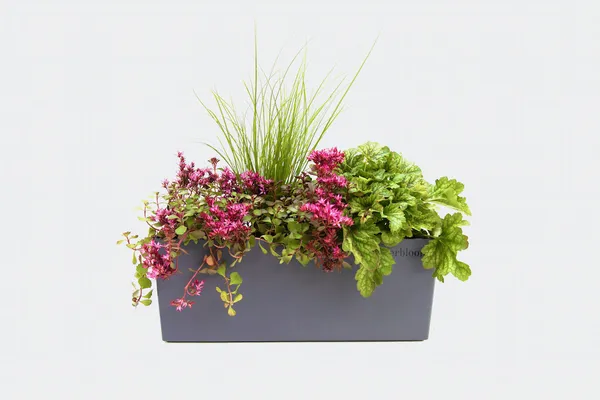
1. Sedum ‘Spot On,’ Carex ‘Prairie Fire,’ and Heuchera ‘Cocomint’
This beautiful and very original "Sedum Bright" Fall Arrangement by Upperbloom It is delivered ready to go in a stylish planter to your balcony.
The purplish-red blooms of Sedum spurium ‘Spot On Mahogany’ provide a vibrant splash of color through October and pair beautifully with the fresh green of Carex testacea ‘Prairie Fire’ (orange sedge) and Heuchera. Once it has finished blooming, the sedge will turn a beautiful orange-red. The mint-green, lobed leaves of the Heuchera ‘Cocomint’ provide a lovely foliage contrast.
2. Carex ‘Irish Green,’ Erica ‘Kramer’s Rote,’ Skimmia ‘Red Diamonds,’ and Heuchera ‘Electra’
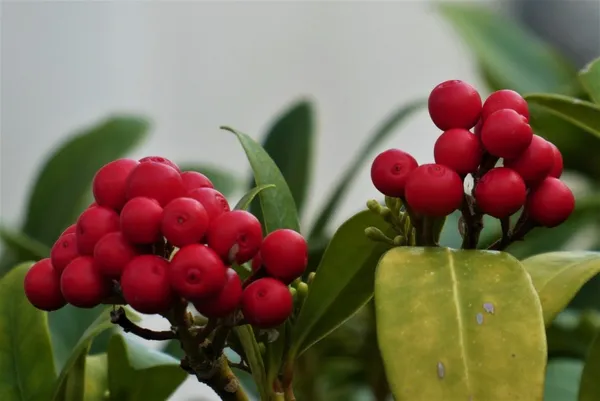
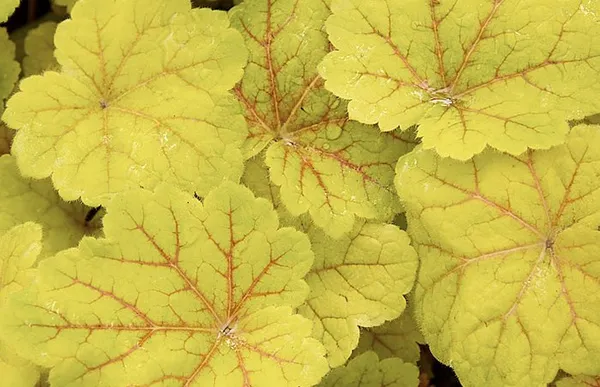
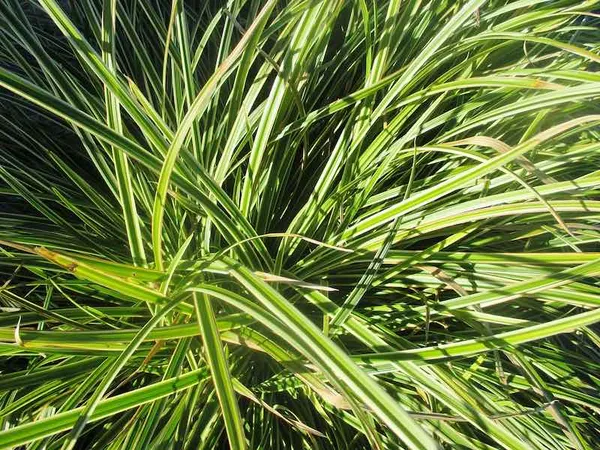
The fresh green stems of Carex morrowii complement the dark green leaves and bright red berries of Skimmia ‘Red Diamonds’ beautifully, as well as the wine-red or dark pink color of Erica darleyensis ‘Kramer’s Rote’. The distinctive yellow-green color and unusual leaf shape of the Heuchera ‘Electra’ in the foreground add a lovely contrast to the overall composition.
The Carex serves as the backdrop for this arrangement. Plant the Erica to the left of the Carex, and to the right of that, let the striking Heuchera trail over the edge of the pot. The Skimmia with red berries can be placed in the center of the pot or to the right of center, (diagonally) behind the Heuchera.
3. Skimia ‘Rubella,’ Carex ‘Ice Dance,’ and Viola cornuta
The purplish-red flower buds of the Skimmia contrast beautifully with the white-green foliage of the Carex. The violets complete the arrangement. You can choose violets in a purple-red or reddish-brown shade to create a calm overall look, or opt for blue, white, or even yellow to make it a striking combination. This combination works equally well with Carex in the center or with Skimmia in the center. The most attractive look is achieved by planting the violets partially in front of the Carex or Skimmia.
On our Pinterest page, you'll find many more beautiful, stylish, and unique potted plant combinations!
Ideal plants for the background and as border plants
Your plants will stand out much more beautifully against a green or neutral background. So use some taller evergreen shrubs as a backdrop for your pot or planter. Consider Euonymus (spindle tree), Viburnum tinus (evergreen snowball), or Carex (Japanese sedge).
To make the most of the limited space in a pot or container and achieve a more natural look, plant close to the edge and let certain plants hang over or extend beyond it. Examples of such edge plants include Hedera helix and variegated varieties (small-leaved ivy), Sedum (stonecrop), and Heuchera (coral bells). Festuca glauca (blue fescue or blue fescue grass) and Gaultheria mucronata (pineberry) can also be planted right up against the edge of the pot for a beautiful effect.