
Out with the tile, in with the plant: here's how to do it the smart way
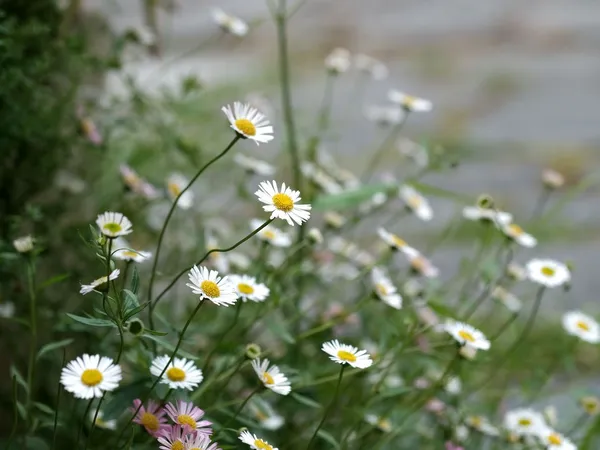
A small garden is often like a puzzle. You want greenery, but you also want a patio, a place to sit, and maybe some space to play or eat. As a result, small gardens often consist of a relatively large number of pavers.
Fortunately, going green doesn't necessarily mean you have to completely redo your entire garden. Sometimes, just one tile is enough to make a difference.
Take out a tile, put in a plant. With a small planting bed, you can add color, fragrance, and life to your garden. And the best part: you can do this yourself. By removing the tile, adding some good soil, and choosing the right plant, you’ll often be done in less than 30 minutes. But not every tile and not every plant are a good match. With a few smart choices, you can give your new plant the best start.
Choose wisely: Which tile will you flip?
Not every spot calls for the same plant. Not every tile is equally suitable. So first, consider where you’re creating space.
🌿 Tile by the front door
or back door
Choose something that makes you happy every day. A fragrant plant like thyme, sage, or lavender, or a beautiful flowering plant that welcomes you home.
🌸 Tiles along your patio or garden path
This is a great spot for herbs that you pass by regularly. Thyme, oregano, sage, and rosemary not only add a touch of green but also fill the air with wonderful scents. Flowers that bloom well, such as wall rue and bellflower, also thrive here.
🐝 Tile in a sunny spot
Choose hardy plants that love the sun and attract insects, such as catnip, coneflower, wild marjoram, or verbena. Or add your favorite ornamental grass.
🌱 Tile in the shade
Even dark corners can be turned green. Consider cranesbill, lungwort, periwinkle, hellebore, or ferns.
🌿 Tile against a wall or fence
Look up. A climbing plant like honeysuckle, climbing hydrangea, or a climbing rose makes use of space that would otherwise often go unused. Even a small espalier tree can work well here. If you remove a few tiles along the wall, you’ll quickly end up with a nice little facade garden.
🌳 A few tiles missing?
Create a mini-border using, for example, a groundcover, a flowering perennial, and an ornamental grass. This will give you more variety in a small space.
Here's how to do it: Take out the tile, put in the plant!
Of course, you can replace a tile with greenery in your own yard. If you want to make changes to a public space—such as a small garden on the sidewalk or a small garden on the front of your house, or a section of municipal land—you may only do so with the municipality’s permission.
1. Pop the tile out
Loosen the tile using a tile pry bar, a sturdy screwdriver, or a shovel. Sometimes it’s a little stuck due to sand or roots, but it usually comes loose with a little patience.
2. Make room for your plant
There's often sand under a tile. That's okay; many perennials can handle it just fine. Make about 20 to 30 centimeters of space with good garden soil or compost-rich soil.
💡 Helpful tip: Don't plant large or fast-growing plants in a single-tile planting bed. Compact perennials look much better here.
3. Plant and water
Place the plant at the same level as it was in the pot, fill in with soil, and water thoroughly. Especially during the first few weeks, regular watering helps the plant establish itself well.
Now let's grow!
What do you do with the tile you've flipped?
A tile doesn't have to go straight into the dumpster.
You can:
- save for later
- use as a stepping stone between plants
- Use it as an edging plant in a border (plant it upright in the ground)
- stack them to make a little wall, a place to sit, or a shelter for small animals
Check out more ideas for your old tiles
Did you know that you can submit your flipped tiles to the Dutch Tile-Flipping Championship? They keep careful track of the total number of tiles flipped this year. That way, even your small effort counts toward a greener Netherlands.
Did you remove a tile and plant something beautiful in its place? Feel free to send us a photo of your mini green project. We'd love to see what you've created!
When is the best time to flip a tile?
The best times are spring and fall. In the spring, plants grow quickly, and in the fall, the soil is still warm, while plants lose less moisture.
It’s also possible at other times, but keep the circumstances in mind:
☀️ During extremely dry periods, new plants need extra water more quickly.
🌧️ In very wet conditions, the soil is often less pleasant to work in, and roots may not grow as well.
❄️ When it's freezing, the ground is hard to work.
Just start with one tile
Turning a small garden into a green space doesn't have to be a big project. One less tile and one more plant is already a great start.
You don't have to remove ten tiles right away. Just pick the spot where a single plant will make the biggest difference. That often leaves you wanting more.