
Ornamental Pea (Lathyrus) – Tips from the Bee Foundation
Bees are indispensable to nature. They are important pollinators for many plants and crops. Without bees, biodiversity and food production would decline drastically. Even with a small garden, you can make a difference for bees! In collaboration with the Bee Foundation We'll give you tips on how to make your small garden or balcony bee-friendly.
Sweet-smelling ornamental pea for the Lathyrus bee
With spring in full bloom and warmer temperatures on the way, gardeners’ fingers are itching to sow something beautiful! Lathyrus odoratus, better known as sweet-scented Lathyrus—or sweet pea—is an excellent choice for those who want to add some color and fragrance to their garden or balcony.
Lathyrus odoratus is an annual climbing plant known for its beautiful flowers and delightful fragrance. To sow Lathyrus, start by selecting a sunny spot on your balcony or in your garden where the Lathyrus will get enough sunlight to thrive. Be sure to choose pots or containers that are large enough for the roots to spread out, and provide a support or trellis for the plant to climb.
When planting Lathyrus seeds, it’s best to soak them in water for about 24 hours first. This will speed up the germination process and increase your chances of success. Next, plant the seeds in well-draining potting soil, about 1–2 centimeters deep, and keep the soil moist but not soggy. Within a few weeks, you’ll be rewarded with beautiful, colorful flowers that are not only a delight to the eye but also fill the air with a lovely, sweet scent.
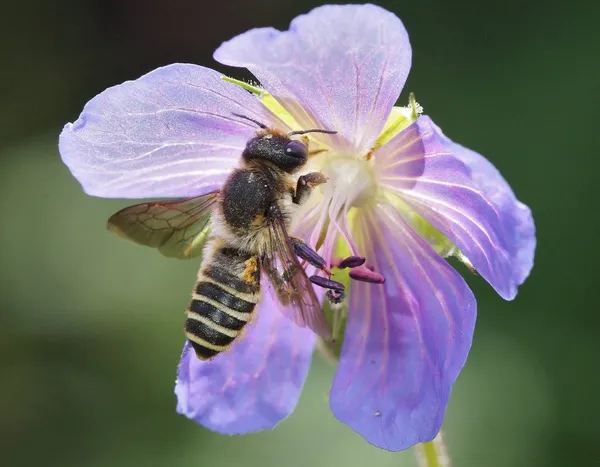
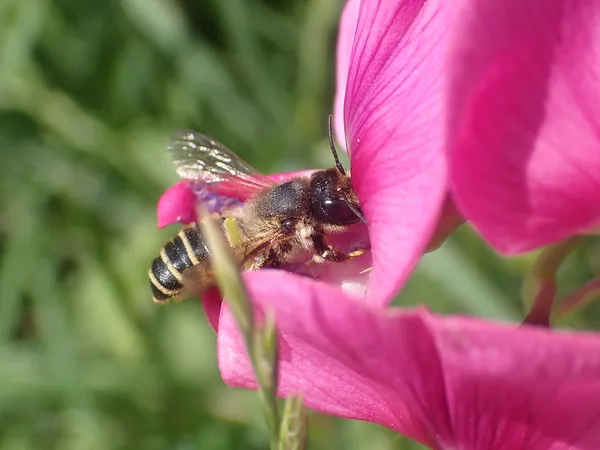
This year, the Bee Foundation is offering Lathyrus seeds (from organic cultivation) as a special item, because the Lathyrus bee has been named the Bee of the Year for 2024. It naturally owes its name to its preference for this beautiful flower. It is oligolectic, which means it collects pollen from only a limited number of plants. It particularly favors legumes, with a preference for broad-leaved lathyrus, wood lathyrus, and common bird’s-foot trefoil. However, it’s also frequently seen on sweet peas (Lathyrus odoratus)! So if you want to help this bee, plant sweet peas in your garden or on your balcony. Planting them, of course, also helps many other species.
You can order Lathyrus seeds through the Bijenlint online store