
Natural Pollinators: The Wonderful World of Bumblebees – Tips from the Bee Foundation
Bees are indispensable to nature. They are important pollinators for many plants and crops. Without bees, biodiversity and food production would decline drastically. Even with a small garden, you can make a difference for bees! In partnership with the Bijenstichting, we’re now sharing a weekly tip on how to make a small garden or balcony bee-friendly.
Natural Pollinators: The Wonderful World of Bumblebees: Part 1
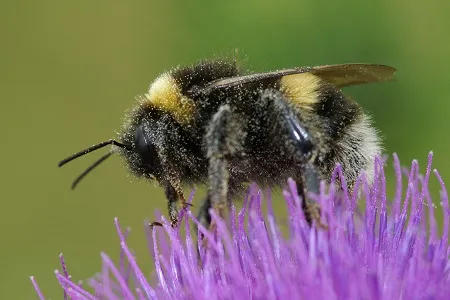
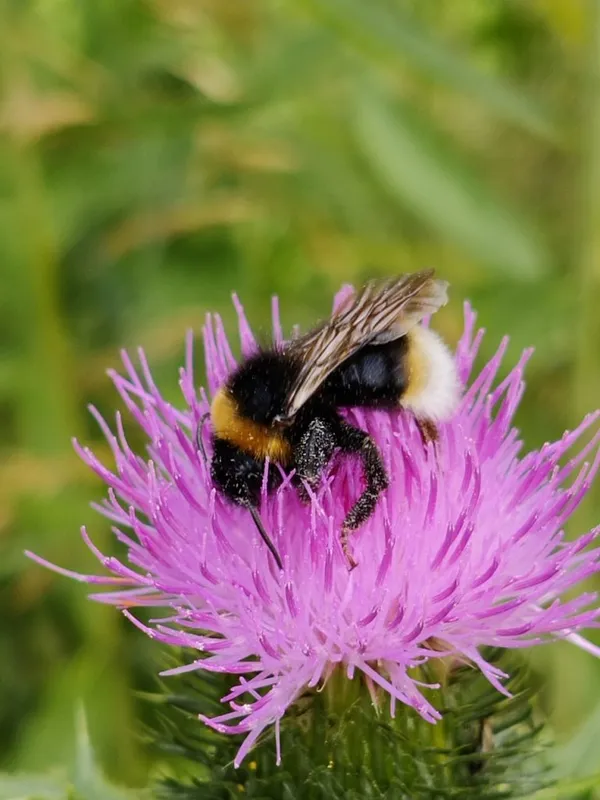
In the world of pollinators, bumblebees play a crucial role. These fluffy, yellow-and-black-striped insects are not only fascinating to watch, but they are also invaluable to our ecosystems and food supply. Let’s take a closer look at the fascinating world of bumblebees.
Biodiversity and Pollination
Bumblebees belong to the bee family and are essential pollinators of flowers, vegetables, and fruit. They are responsible for transferring pollen from one flower to another, which results in the fertilization of plants. This process contributes to biodiversity and ensures a bountiful harvest of food crops.
Social Lifestyle
Bumblebees live in colonies, but unlike honeybees, they do not do so year-round. Only the bumblebee queen hibernates. Each bumblebee queen establishes a nest in the spring, lays her eggs in separate nest cells, and cares for her offspring until they reach maturity. These workers then take over a number of tasks: nest care and foraging. The queen remains at the nest to lay eggs. This makes bumblebees unique and different from solitary bee species, in which each female builds and cares for her own nest.
Various types and sizes
There are more than 250 different species of bumblebees worldwide, ranging in size from a few millimeters to a few centimeters. Each of these species has its own preferences for food and nesting sites, which contributes to the diversity of ecosystems. There are 29 native species in the Netherlands, but more than 50% are on the Red List, which means these species are either experiencing a sharp decline in numbers, are rare, or are already extinct.
Climate sensitivity
Bumblebees are vulnerable to climate change. Because of their furry coats, they cannot tolerate high temperatures. Changes in temperature and food availability can affect their populations.
Pesticides
Bumblebees are vulnerable to pesticides (just like all bees). Preserving healthy habitats and reducing pesticide use are crucial to protecting bumblebees.
Overwintering
In the fall, all bumblebees die, except for the young queens. These young queens seek out a sheltered spot—such as a mouse nest, under leaves, or in a compost pile—to overwinter. In the spring, they begin the cycle anew by foraging for food and building new nests. Therefore, leave leaves where they are and do not turn over a compost pile between August and March.
Preserving bumblebee habitat and reducing threats such as pesticides are crucial to protecting these important pollinators. By planting pesticide-free, single-flowered plants in your garden, you can help the bumblebees. By learning more about bumblebees and their lifestyle, we can better understand how to help them. In future articles, we’ll take a closer look at the life cycle of bumblebees.