
Native Species Bring Life! – On Nynde’s Bee Balcony
Nynde has transformed her bare 17m² city balcony into a lively haven for wild bees, butterflies, and other animals. You may already know Nynde from her Instagram account, “Bijenbalkon,” and her blogs for the Bijenstichting. From now on, you can also read her tips and fun blog posts here about biodiverse balcony gardening and greening even the smallest balconies.
September is the time when native plants take center stage with the “Hart voor Inheems” and “Inheemse Zaaiweek” campaigns. Native plants are an indispensable part of biodiversity, and they can make a big difference even on a balcony. In this blog, we’ll dive into the wonderful world of native species and discover why they’re so important. I’ll share my favorites, give tips on how to sow your own mini wildflower meadow, and show you how to combine native plants with other species. By giving native plants a place to grow, you’ll create a vibrant home for countless little creatures—and that’s what makes these bloomers the real showstoppers on your balcony!
Native plants—what's the deal with them, anyway?
Native plants are the species that occur naturally in the Netherlands. They have been growing here for centuries, without human intervention, and have adapted perfectly to our climate and soil over time. As a result, they have developed a strong bond with “our” bees, insects, and animals. For example, they bloom precisely when pollinators are active, creating a wonderful symbiosis: the plants provide food, and in exchange, the insects ensure pollination. Wild bees, in particular, play a crucial role in this process.
What many people don’t know is that wild bees are often much more selective than honeybees. Some species are so-called “specialists” and collect pollen for their larvae’s growth from only one specific type of flower. That makes them vulnerable: if their favorite flower disappears, they disappear too. The same applies to certain butterflies, which lay their eggs exclusively on a single plant species. If the caterpillar cannot eat, the butterfly will not fly.
Unfortunately, insects are finding it increasingly difficult to locate their favorite plants. Municipalities often opt for barren public parks, and we prefer to plant exotic species from faraway places in our gardens—plants that are of little use to our local wildlife. Fewer native plants mean fewer insects, and that affects the entire food chain—from hedgehogs and amphibians to birds, and even humans. So let’s fill our pot gardens as much as possible with the plants that these animals so desperately need. The more native, the better!
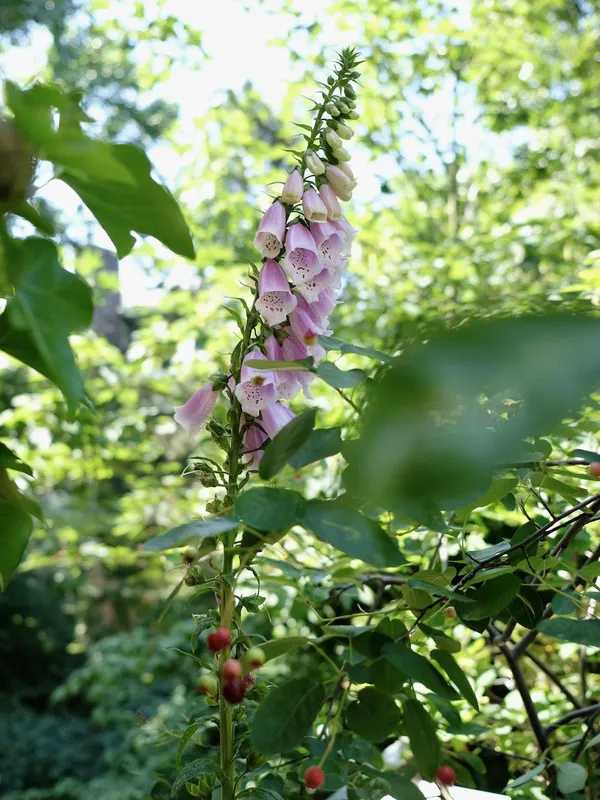
Digitalis
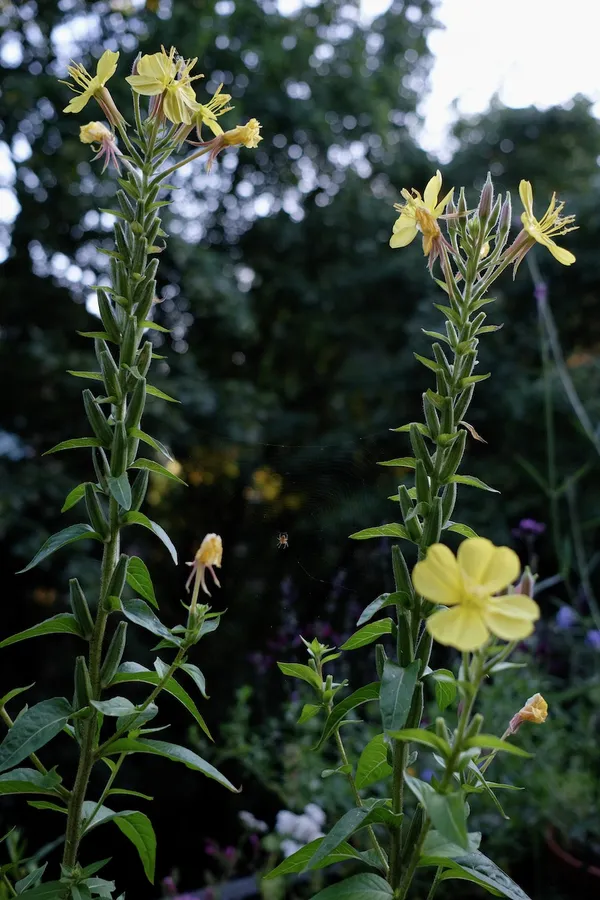
Oenothera
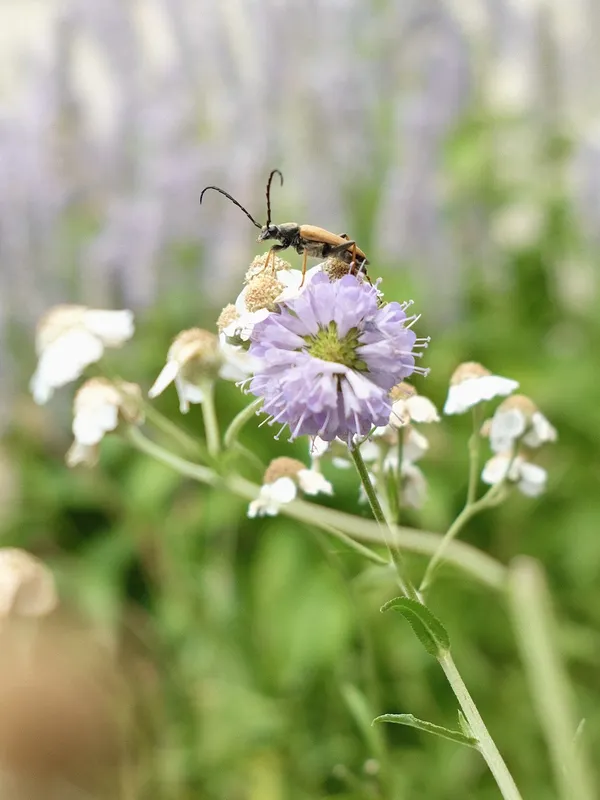
Succisa
Food Bombs
Native plants aren't just great for nature—they're also a feast for the eyes. Here are some of my favorites that make my balcony bloom and bring joy to the bees and other little creatures:
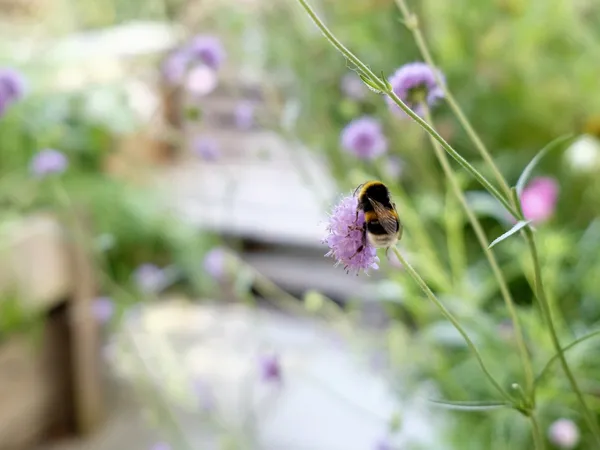
At the top are meadow crown and knapweed. Both attract large numbers of bees, bumblebees, butterflies, and hoverflies and provide floral beauty from May through late fall. The knautia bee is heavily dependent on meadow crown, but unfortunately, due to habitat loss, this beautiful bloomer has become a rare sight in the wild.
Wild marjoram is a real magnet for insects! On a sunny day, there are almost too many species to count. It blooms between July and September with fragrant pink-and-white flowers and is a true sun-lover, perfect for a south-facing balcony. During the same period, betony, with its pink-red to purple-lilac flowers, provides an explosion of color and attracts the beautiful large woolly bee.
Last but not least, great cattail and wild bertram are must-haves. Both thrive in a moist spot, such as a pond garden, but also do well in a large pot with slightly drier soil. Plant them together in the sun, and from June through September you’ll have a stunning mix of white flower spikes and purple-pink plumes teeming with bumblebees, butterflies, bees, beetles, and hoverflies. Wild bertram is a host plant for micro-moths such as the wild bertram leafroller, and great cattail is indispensable for the cattail thick-legged moth and the holly blue butterfly.
Tip: Find out which native plants grow naturally in your region. These are best suited to the wild bees and other animals in your area. By choosing these species, you can turn your balcony or garden into a stepping stone for the unique wildlife in your neighborhood.
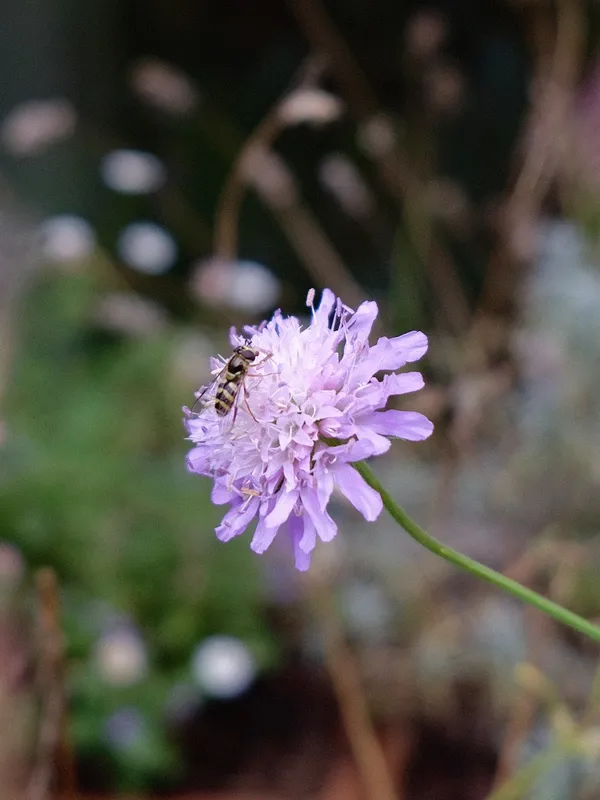
Knautia
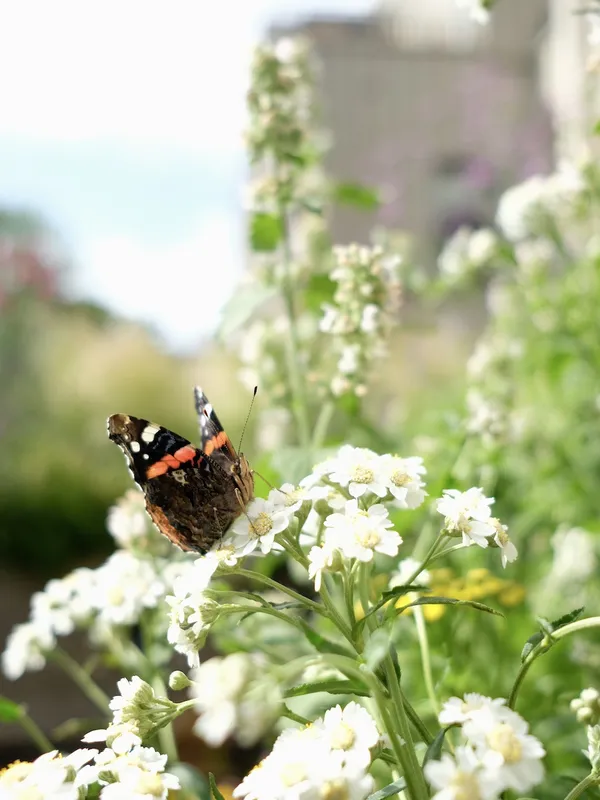
Achillea ptarmica
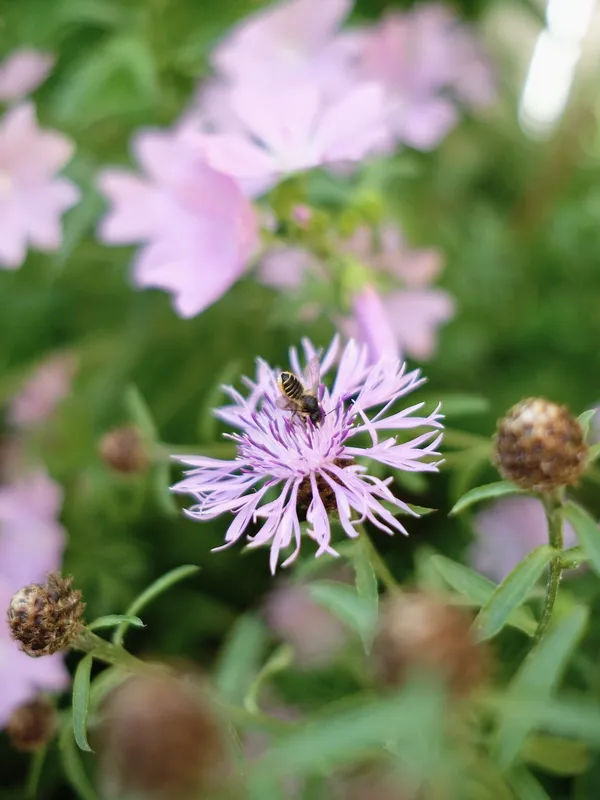
Centaurea
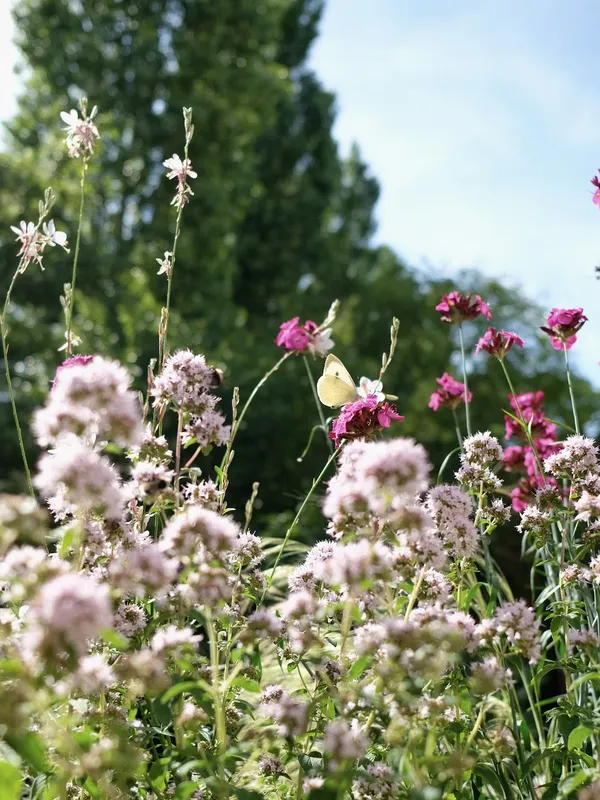
Origanum
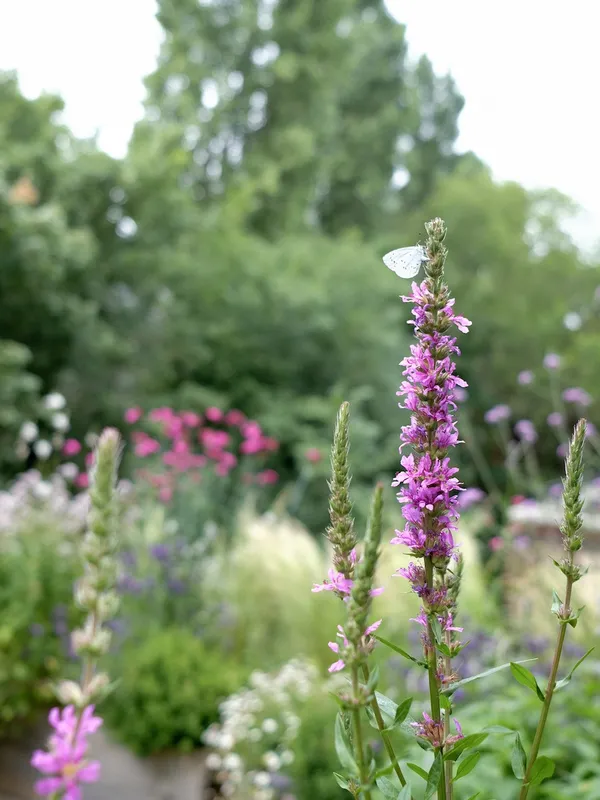
Lythrum
Plant Your Own Mini Wild Meadow
Nothing is more beautiful than the colorful wildflowers that bloom along roadsides in the spring and summer. Fortunately, you don’t need a large garden to bring that feeling closer to home. You can also sow wildflowers on a balcony, simply in pots and planters. Fall is the ideal time for this, because many plants in nature are also dropping their seeds right now. This way, you follow the natural cycle, and the seeds get the cold winter they need to sprout as strong seedlings in the spring.
How do you get started? It’s very simple! Find a sunny spot, take a large pot, tub, or container, and fill it with peat-free potting soil. Sprinkle an organic wildflower seed mix evenly over the soil and cover it with a thin layer of soil. Water gently with a spray nozzle so the seeds don’t wash away, and keep the soil moist until the seeds germinate. Once the seedlings are big enough, thin them out a little.
That’s how I transformed my old vegetable garden table into a mini meadow. Although I planted the seeds in the spring and some plants won’t bloom until next year, I’ve already been able to enjoy cornflowers, globeflowers, chamomile, and poppies all summer long. The constant surprise of new varieties sprouting and blooming makes planting a mini meadow like this extra fun. And the more varieties you have, the more different little creatures you’ll attract!
Tip: From September 22 through 28, we’re celebrating Native Plant Sowing Week, an initiative of the Bijenstichting, Gardeners World magazine, and the Cruydt-Hoeck nursery. The goal for this week is for all of us to sow as many native plants as possible in our gardens and on our balconies. Will you join us?
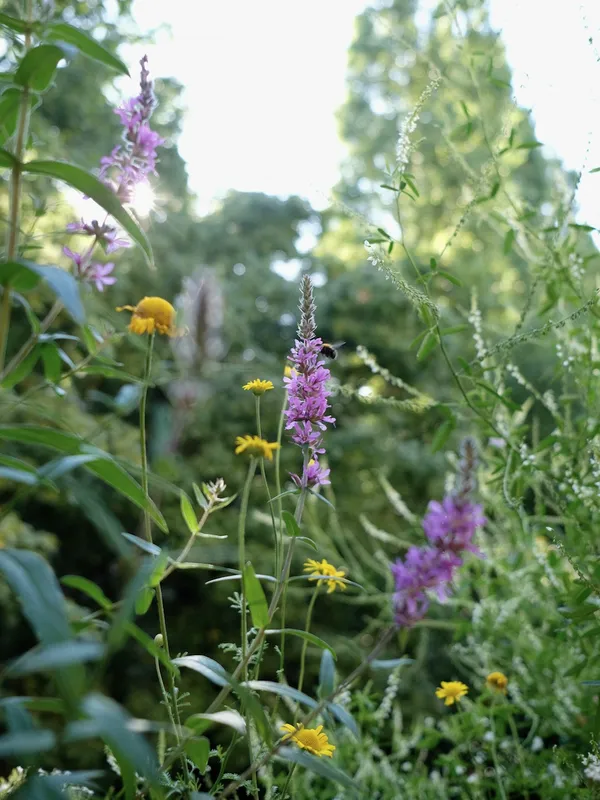
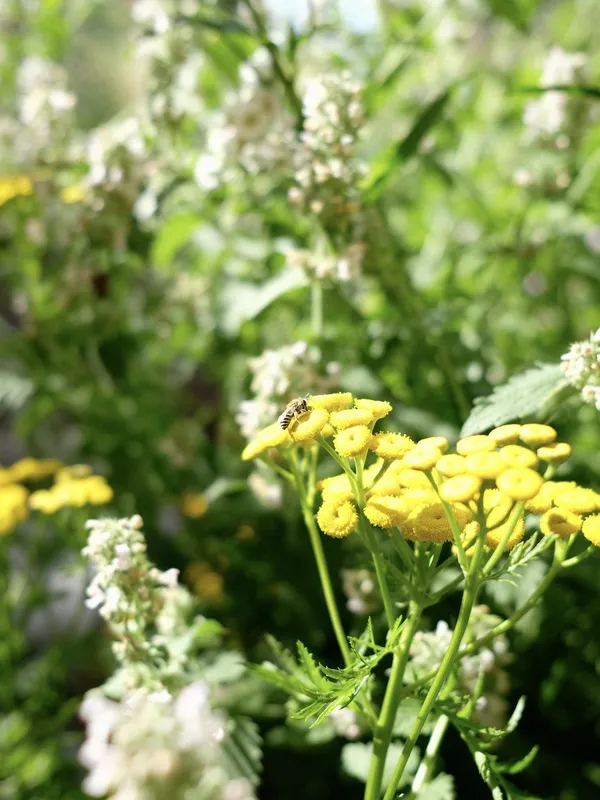
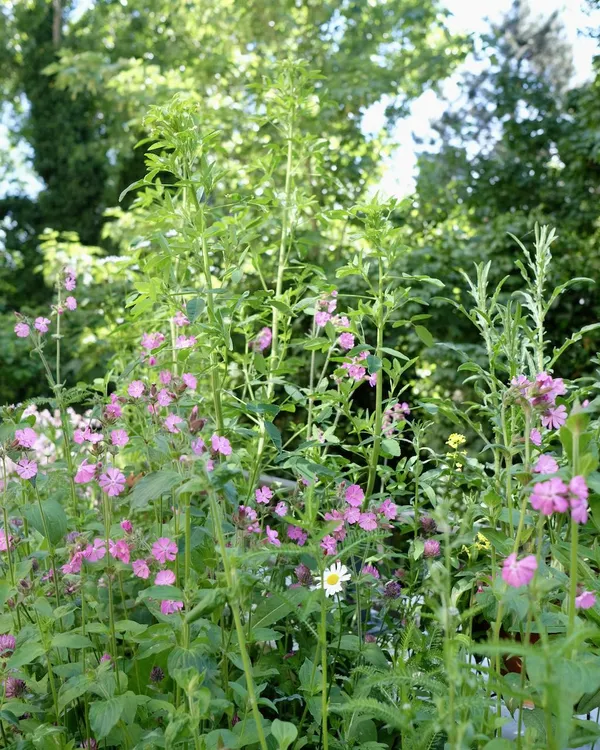
How do you combine native plants on your balcony?
The ideal bee balcony is, of course, completely covered with wild plants, but this is by no means necessary to create a biodiverse oasis. Although native species are preferred, exotic plants and cultivars can also be a valuable addition. They may not provide food for native larvae and caterpillars, but many bees and butterflies still find nectar and pollen there.
And to be honest, I love mixing things up myself! As long as plants aren’t just there to look pretty, but are also truly useful to insects, they’re more than welcome in my home. For example, the licorice plant on my balcony is an absolute favorite. Bumblebees and honeybees love it, and it blooms for so long that it ensures there’s always plenty of nectar during that tricky transition period between summer and fall.
So feel free to leave that beautiful lavender or verbena where it is. They keep the nectar flowing and ensure there’s always something available for the less picky visitors. Planning to add new plants? Then definitely go for native species. Consider, for example, that beautiful daylily, field sage, or wild columbine. If we all add a few native plants, we’ll go a long way!
Tip: Don't be tempted by double-flowered cultivars and popular exotic plants like hydrangeas. They are difficult for insects to access and offer little nectar and pollen, which means they have almost no value to nature.
Weeds at the Top
Finally, we’re often too quick to label plants as “weeds,” such as deadnettle or cuckoo flower that spontaneously pop up in one of our pots. We’d prefer to remove these kinds of “intruders” right away, even though they’re actually of great value to biodiversity. Take dandelions or red clover, for example; we walk right past them or mow them down, but they are a fantastic food source for bees and other insects. Dandelions, in particular, are especially popular and are visited by no fewer than 17 species of solitary bees.
It all starts with awareness, because once you realize how important these kinds of plants are, you start to see what’s growing around you in a whole new light. As nature filmmaker Martin Dohrn so aptly puts it in his documentary *My Garden of a Thousand Bees*: “There’s no such thing as a weed—only plants that people don’t understand.” This is a valuable lesson and reminds us that every plant plays an important role in the ecosystem.
When you give native plants a home and embrace the charm of a slightly wilder balcony garden, you’ll give your balcony habitat a real boost. The most interesting little creatures will find their way to you, and before you know it, you’ll be amazed by the variety and beauty your little oasis has to offer. Believe me, native plants bring life and make your balcony so much more fun!
Tip: Want to dive deeper into the world of native plants? Be sure to check out Streektuinen, Stichting NL Bloeit!, Cruydt-Hoeck, and IVN.