
Maximize blooms in a small garden
If you describe your garden as “small,” that’s often a sign that you have more ideas than space. You want to be able to have drinks with friends, host barbecues, and have a play area for the kids—and, oh yes, it has to look nice, too. The most important thing with a small garden is to make choices about what features are essential. Not everything will fit—so what matters most to you?
You’ve already created the green framework, with the help of the previous article: Maximize Greenery in a Small Garden. Now let’s make sure we have as many flowers as possible!
In this blog post, Lianne Groeneveld (Vergroenster) shares practical tips for making your small garden greener. And a green garden full of flowers is even more fun!
Understand Nature
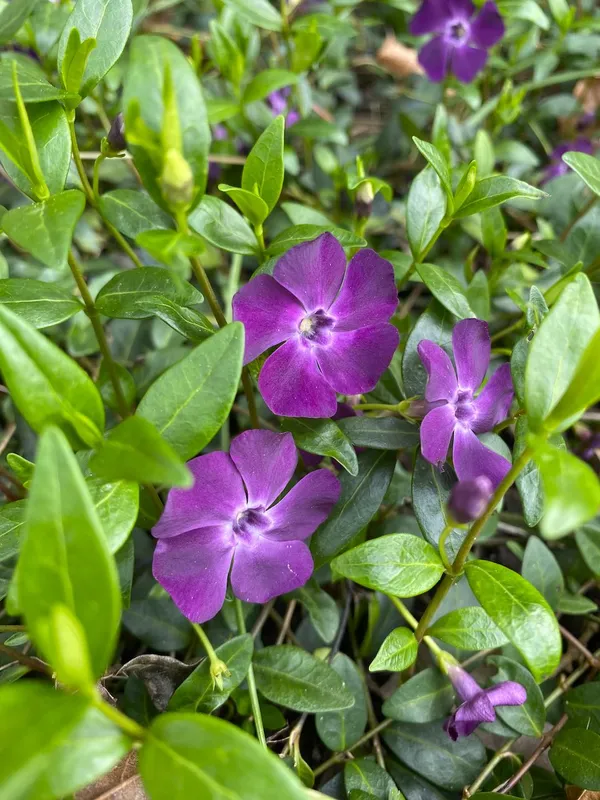
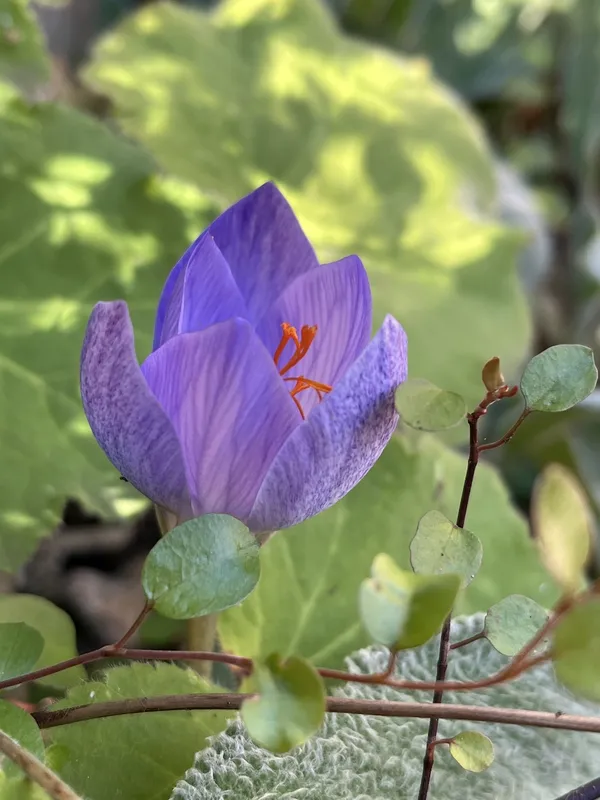
Plants are incredibly clever. In nature, there’s a lot of shade under trees. So the plants that grow there make sure to bloom very early, before the trees come into leaf. That’s why many shade-loving plants bloom in the spring. There are also shade-loving plants that bloom in the fall; this is their way of trying to capture just a little extra daylight after the tree’s leaves have fallen.
Apply this
Garden in harmony with nature and make the most of it. Even a south-facing garden has shaded areas. That’s not a drawback—it’s a blessing! In those shaded spots, plant flowers that bloom very early or very late. Then complement them with summer-blooming plants. Many summer-blooming plants prefer sun, so place them in the sunniest spots. For a striking effect, plant at least one winter-blooming plant, shrub, or tree.
Long flowering period
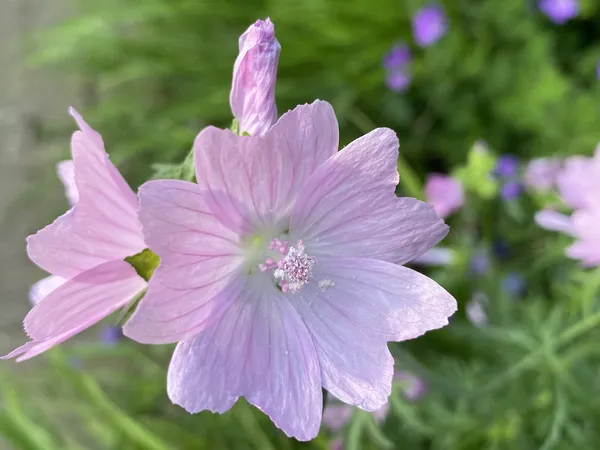
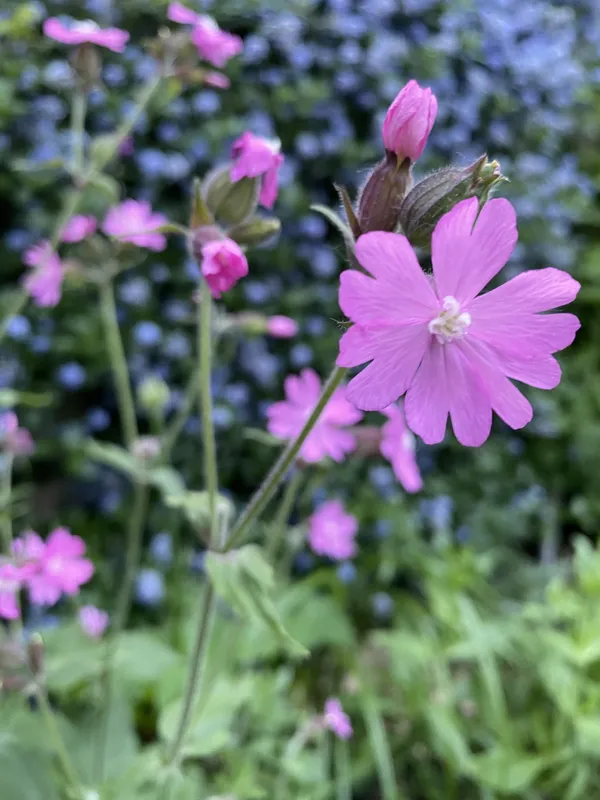
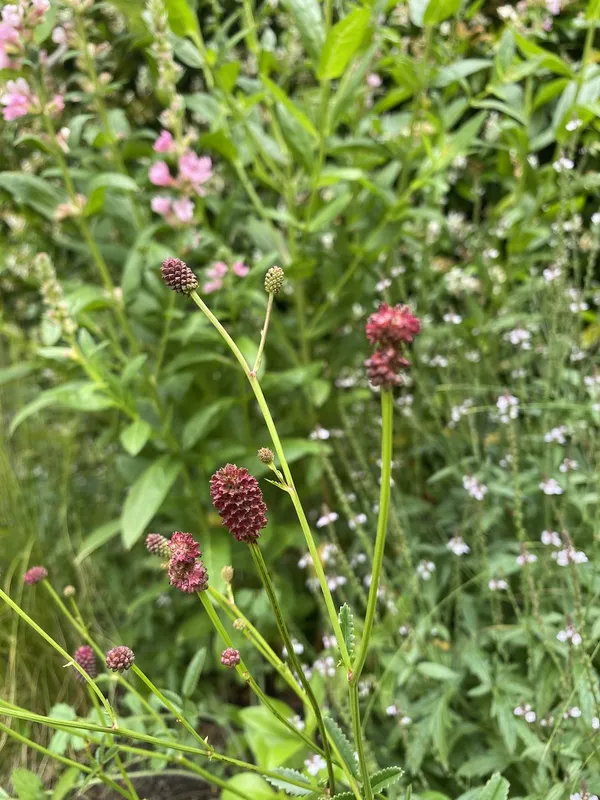
There are a few really nice garden plants that bloom for an incredibly long time and also benefit insects. For example, musk mallow (Malva moschata) and wild oregano (Origanum vulgare) are great choices for sunny spots that also provide a lot of benefits for insects. A shorter, long-blooming plant is the wall fleabane (Erigeron karvinskianus). These species self-seed readily—just let them go. They don’t live very long, which helps them stay fresh and young. If you have too many in your small garden, plant the seedlings in a pot and give them as gifts to friends or family.
Combine
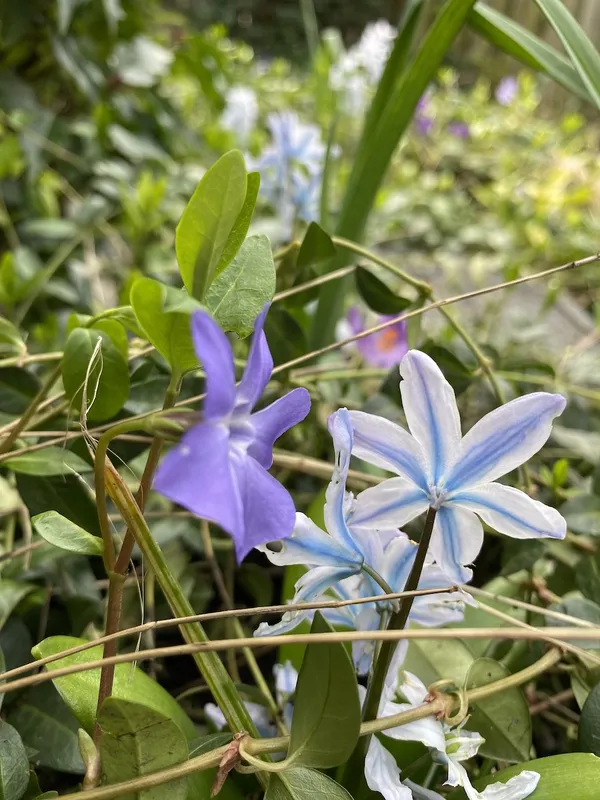
Combine plants with a long flowering period with those that bloom early (spring) and late (fall) to create a very long flowering season. Supplement this with flower bulbs. Flower bulbs are ideal for a small garden because they take up very little space. You can simply plant them among your other garden plants. Forget the classic tulip—it has unsightly foliage that lingers long after it blooms. You don’t have room for that in a small garden. Choose ornamental onions for late blooming (May/June) and small varieties such as crocuses, snowdrops (Chionodoxa), and star hyacinths (Scilla) for very early blooming (February through April). Plant the bulbs—especially the small varieties—in a spot where you can see them clearly from your window for plenty of enjoyment on cold days.
Unity
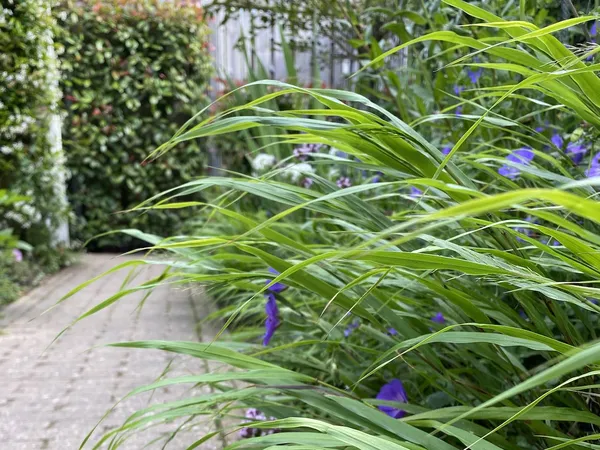
And now here’s the trick. Glue! You’ve gone all out and planted all kinds of flowers in the garden, but it’s a bit of a mess. Add ornamental grasses to create unity. Ornamental grasses form a very calm foundation that can tie all kinds of flowers together into a cohesive whole.