
Looking forward to a colorful spring – On Nynde’s bee balcony
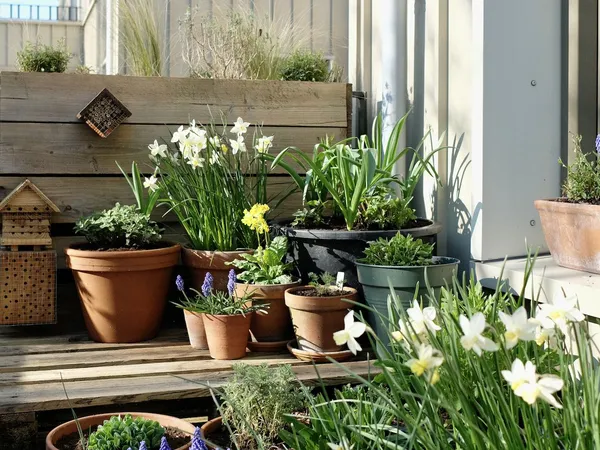
Nynde has transformed her bare 17m² city balcony into a lively haven for wild bees, butterflies, and other animals. You may already know Nynde from her Instagram account “Bijenbalkon” and her blogs for the Bijenstichting. From now on, you can also read her tips and fun blog posts here about biodiverse balcony gardening and greening even the smallest balconies.
It’s October again. As the days grow shorter and the last flowers show off their colors, the last bees are settling into their well-deserved hibernation. We’ll have to do without all that cheerful buzzing and fluttering for a while, but now is the perfect time to start preparing for spring by planting organic flower bulbs. After a long, gloomy winter, these cheerful bloomers not only bring color but also serve as an essential food source for early-flying insects. So it’s time to roll up our sleeves and get our balcony ready for a spring full of color!
A flying start
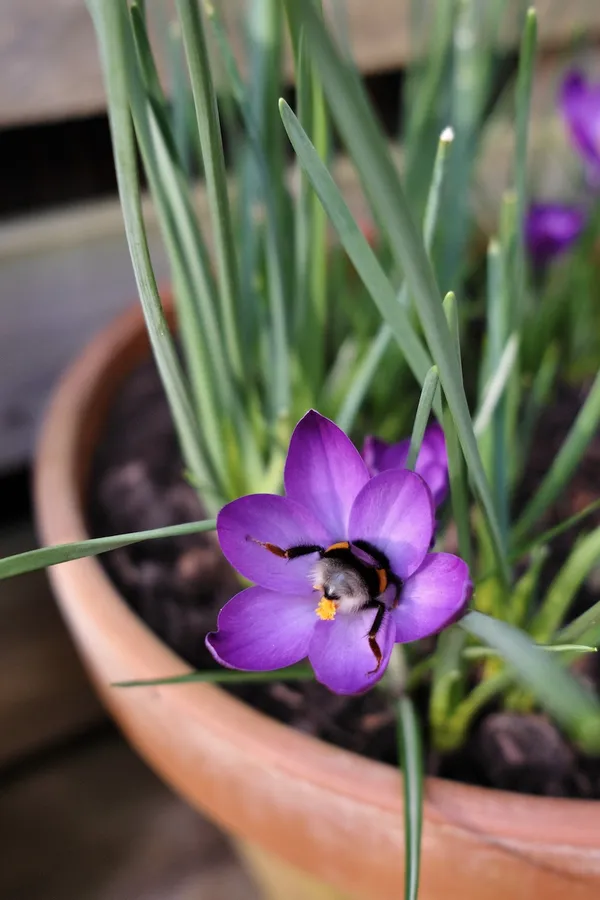
When the rest of nature is still asleep, the first bumblebee queens emerge in late February. Thanks to their fuzzy, fur-like coats, they can be active even at temperatures of 6 to 8°C. You’ll see them busily flying around, looking for food to build up their strength. But so early in the season, very little is in bloom yet, which is precisely why early-blooming bulbs like snowdrops and crocuses are so important. They’re packed with pollen, rich in proteins that help the queen lay eggs, and nectar gives her the energy to get back to work in full force.
Around March, the first solitary bees, honeybees, and butterflies also emerge. Due to climate change, insects are waking up earlier and earlier, which makes food even scarcer. All the more reason to give them a helping hand and plant some flower bulbs. It’s best to plant them between mid-October and December, when the weather starts to get colder. They need this cold to develop strong roots. That way, they can emerge healthy in the spring and fill your balcony with blooms, ready to welcome bumblebees, honeybees, and other early pollinators!
Bulbs for Biodiversity
There’s a wide variety of flower bulbs to choose from, so which ones should you pick? Not all varieties are equally beneficial to bees. For example, popular ornamental tulips are beautiful to look at, but they do little to promote biodiversity. Fortunately, there are plenty of bulb plants that are valuable, such as naturalized bulbs and Stinzen bulbs. These varieties have been growing in our natural habitats for centuries, which is why bees love to visit them. What’s more, they return every year and spread easily, making them a reliable food source as well.
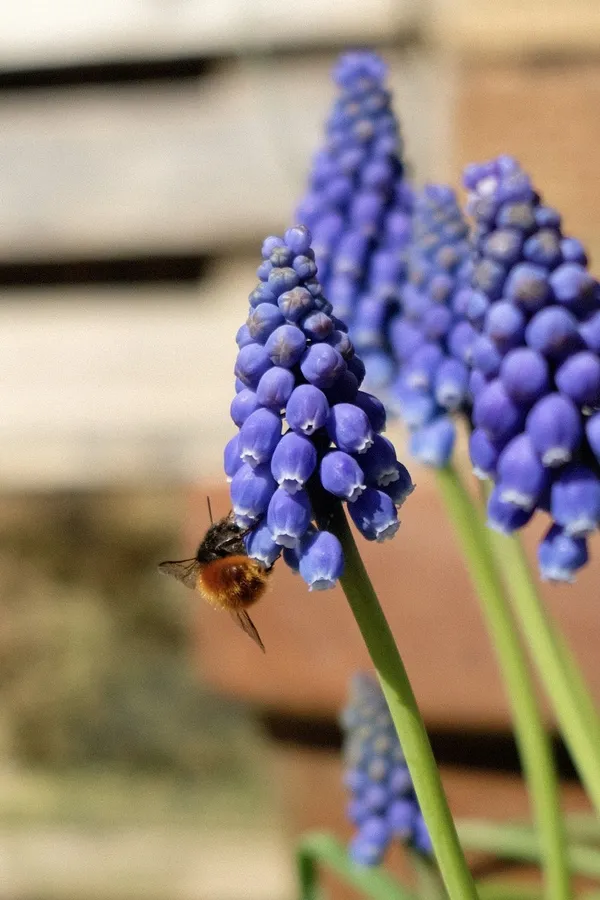
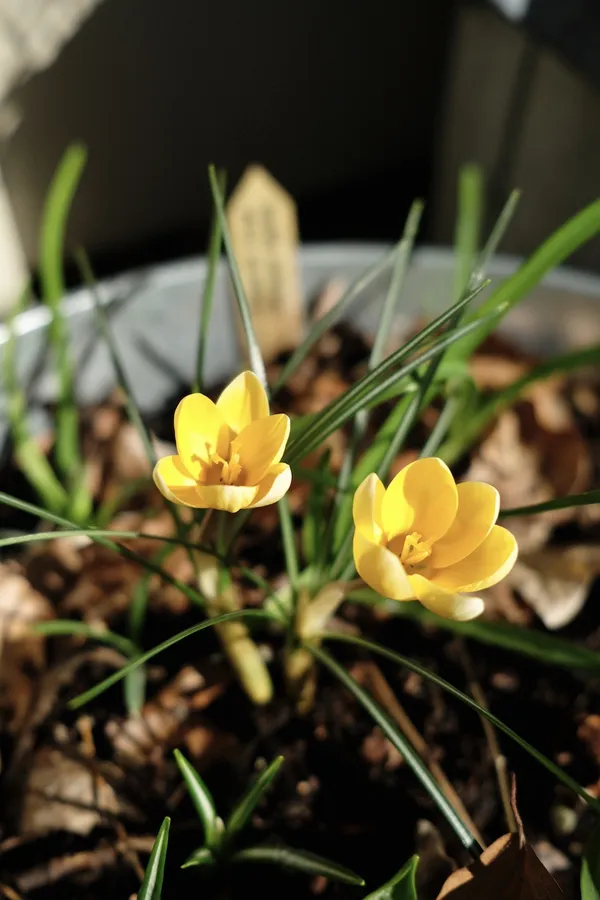
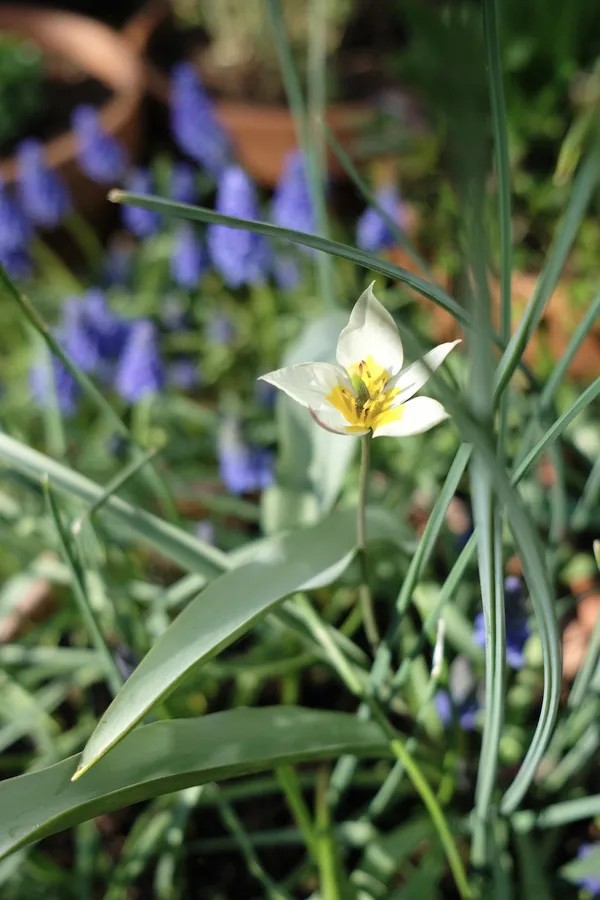
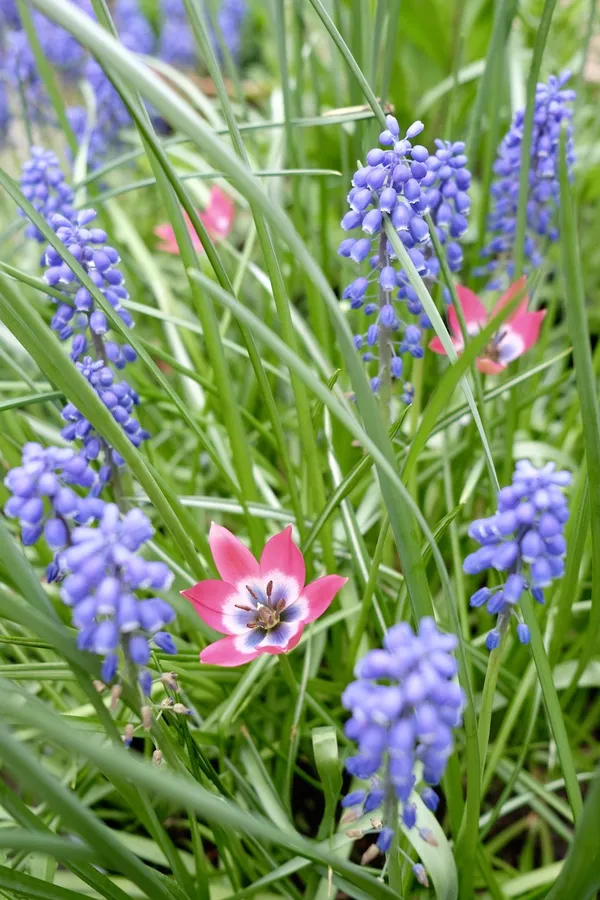
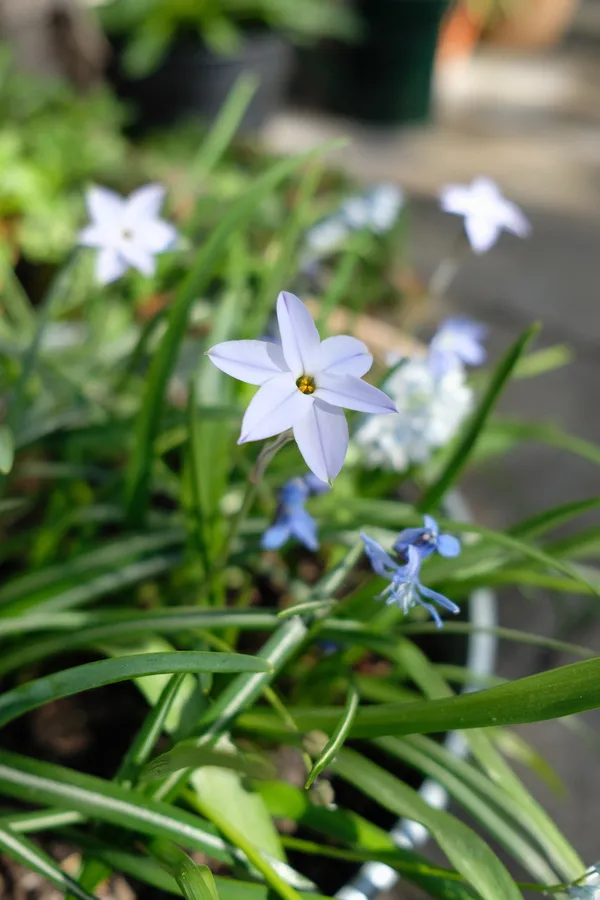
In early spring, snowdrops (January–March), winter aconites (January–April), and crocuses (February–April) are very popular. Wild daffodils, star hyacinths, and blue anemones (March–April) follow quickly. After that, grape hyacinths and pasqueflowers (April–May) bloom, along with botanical tulips. Unlike ornamental tulips, these low-growing wild tulips provide plenty of nectar and pollen. Personally, I’m fond of the beautiful star-shaped Tulipa turkestanica, which blooms as early as March and attracts a whole procession of little creatures. Finally, ornamental onions (May–June) serve as a lovely bridge to summer, and their round, bulbous shape provides space for multiple insects to feed at once. They come in various colors and are a true must-have for every bee-friendly balcony!
Tip: Most bulb plants prefer a sunny spot, but there are also varieties that thrive in the shade. Think of snowdrops, summer snowflakes, winter aconite, and wild bluebells. With these bulbs, even the darkest corners of your balcony will come to life.
Toxic-free, happy bee!
Just like plants and seeds, flower bulbs grown using conventional methods are treated with a heavy dose of pesticides. That’s bad news for the soil, the water, and the entire ecosystem. So when you’re shopping, look for the organic certification label (you know, that little green flag) or buy them from the Bijenstichting’s online store. That way, you can be sure you’re not putting toxins into the soil and that the little critters won’t get sick when they feed on the flowers. Other great places to shop include Huibert Bloembollen, Sprinklr, Natural Bulbs, and Bloemoloog. By choosing organic, you’re really making a difference!
How do you plant flower bulbs?
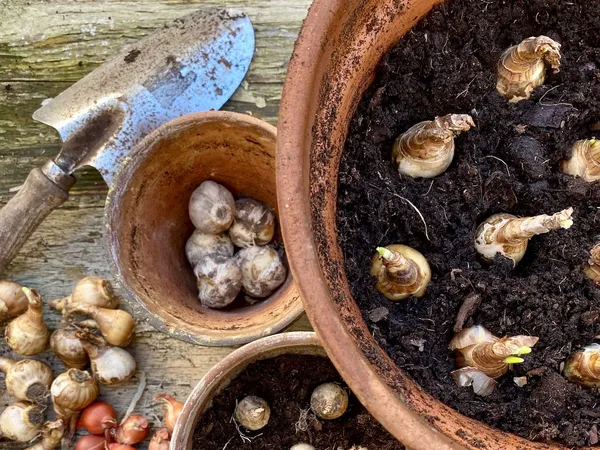
So, you’ve got your bulbs at home. Now you’re ready to get started! To begin, choose a nice pot, a zinc tub, or a wooden container. Whatever you choose, make sure it has a hole in the bottom so excess water can drain away and the bulbs don’t rot. Low-growing bulbs, such as grape hyacinths, look especially nice planted in an old colander, since it already has holes.
Next, cover the hole with a few pot shards, sprinkle a thin layer of hydro granules on top, and fill your pot two-thirds full with organic, peat-free potting soil. Then plant the bulbs two to three times as deep as their height, making sure the tip is pointing upward. The flower will eventually grow from this tip. Leave a space equal to the thickness of one bulb between the bulbs, but feel free to plant them a little closer together for a fuller look. Fill the pot with potting soil up to two centimeters below the rim, press down lightly, water, and voilà—you’re done!
Other Smart Planting Methods
You can plant the bulbs by variety in a single pot, but you can also use the “lasagna” method, where you plant different bulbs in multiple layers. Here’s how: Fill a large, deep pot with a layer of fresh potting soil. Start with the late-blooming bulbs, such as ornamental onions. Cover them with a layer of soil and plant the slightly earlier-blooming varieties, such as botanical tulips, on top. Add another layer of potting soil and finish with the early-blooming bulbs, such as crocuses. The result? A succession of blooms from a single pot that you can enjoy for months on end, along with the bumblebees and honeybees!
Want to save space? Try the “stuffing” method and plant your bulbs among your perennials. The roots mix together nicely, allowing you to get more out of every pot or container. The blooming bulbs add a touch of life amid all the emerging greenery, and in winter you won’t be staring at empty pots that haven’t bloomed yet. Once they’ve finished blooming, the perennials take over. This way, you can have a completely different look in the spring than in the summer!
Tip: Give your bulbs a little water every so often if they’re under an overhang or if it hasn’t rained in a while. They’re prone to drying out, but be careful not to let them get too wet. Is frost on the way? Give them a warm blanket of mulch for some extra protection.
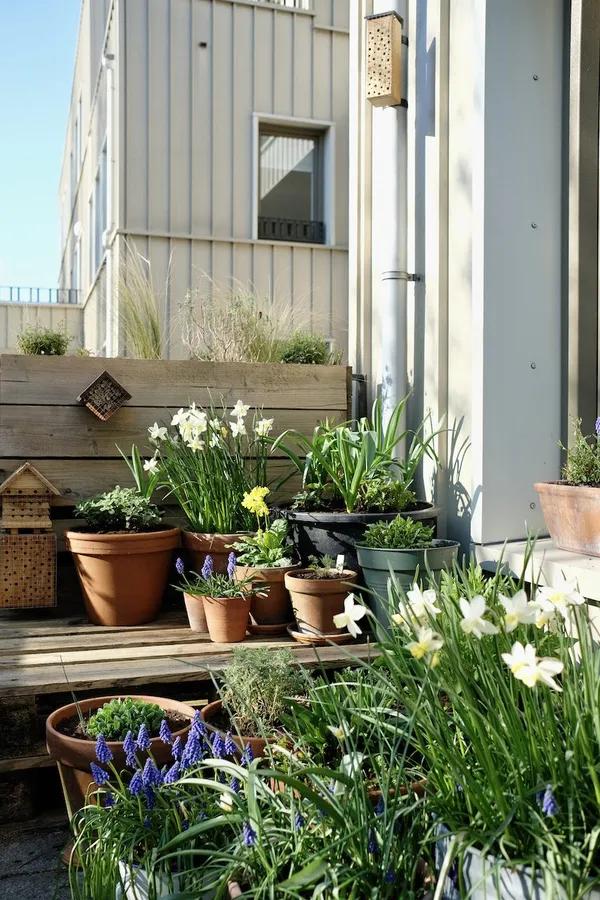
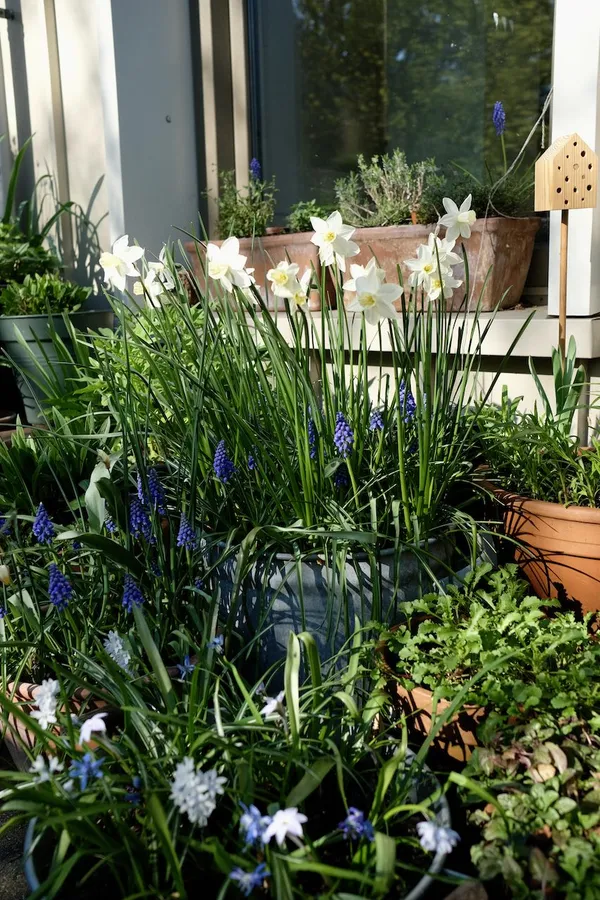
What do you do with flower bulbs after they bloom?
Once the flower bulbs have finished blooming, there are a few things you can do. Did you plant them among your perennials? Then just leave them where they are. With a little luck, they’ll come back on their own next year. Are they in their own pots, and do you want to avoid looking at bare pots all summer? Then put them out of sight or get creative—sow annuals over them for extra color and nectar.
Another option is to dig up the bulbs and let them dry in a mesh bag or cardboard box over the summer. You can then replant them in the fall. In any case, let the foliage wither after flowering before cutting it back. It may not look very nice, but the bulb needs this foliage to store energy from sunlight for the next season.
Keep in mind that bulbs lose their vigor each year, so eventually you’ll have to start the whole bulb-planting process all over again. In addition, bulbs in pots are also more unpredictable than those planted in the ground. Do you want a guaranteed blooming, nutrient-rich oasis in the spring? Then plant new bulbs every fall. This might not be the most sustainable choice, but it is the surest one. It’s a small investment that pays off with abundant blooms and the joy of hearing the bees buzz!
Tip: Didn’t plant any bulbs in the fall? No worries—you can just cheat a little! Starting in late February, you can buy organic flower bulbs in pots that are almost ready to bloom. This way, you can quickly add some color to your balcony and still treat curious early-morning visitors to a tasty breakfast buffet!