
A little herb garden right outside your back door: fresh herbs within easy reach
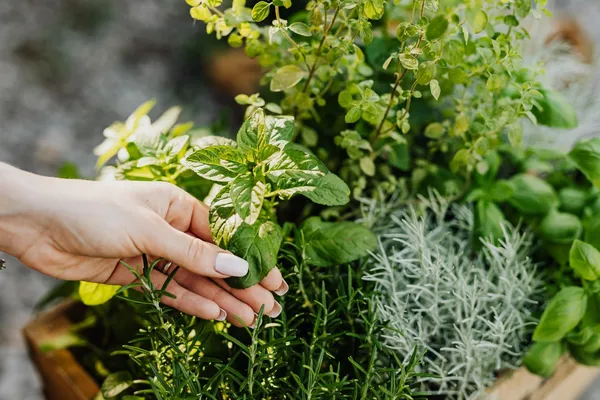
You're cooking and your dish is missing just that little something fresh. A few basil leaves, some parsley, or a sprig of mint would be just the thing. If those herbs are growing right by the back door, the decision is easy: just step outside, pick them, and get back to cooking.
That's the advantage of having herbs close to the kitchen. Don't underestimate how much more often you'll use them when they're literally within arm's reach.
A small herb garden doesn't have to be big at all. A few pots on your terrace, balcony, patio, or in a small corner next to the kitchen are often enough. Many herbs are relatively easy to care for and offer a lot in return: fresh flavor in your dishes, a wonderful scent as you walk by, and they’re beautiful, too!
Why Having Herbs by the Back Door Is So Convenient
An herb plant in the back of the garden is easy to forget. You come across a plant next to the back door several times a day. That makes it easier to grab a herb quickly while you're cooking.
A small herb garden near the kitchen has practical benefits:
- You don't have to go through the garden first to pick something
- You use fresh herbs more quickly while cooking
- You can see right away which herbs you can pick
- the wonderful scents as you walk by
- Many herbs require little maintenance
It is especially the latter that makes herbs so well-suited for small gardens. Many varieties are hardy plants that will last a long time with just a little care. Some herbs, such as rosemary, thyme, sage, and chives, also come back every year.
A row of pots next to the door is therefore not just a kitchen pantry, but also a little piece of garden that you can enjoy every day.
From pot to pan (and glass)
The best part about a little herb garden is that you don't just look at the plants—you use them, too. A few fresh leaves can give a simple dish just that little extra something.
For example:
- cooking – basil with pasta and tomatoes, thyme and rosemary with potatoes and vegetables, parsley in soup or salad
- tea – mint, lemon balm, and sage for a fresh cup of herbal tea
- drinks and cocktails – mint in a mojito, basil in a gin and tonic, or lemon balm in a summer lemonade
- garnish – Top off a soup, salad, or pasta dish with a few fresh herbs for extra flavor and an attractive presentation
Be sure to choose herbs that you like and enjoy using. A small collection of your favorite herbs is much more valuable than a large number of plants that mainly look pretty.
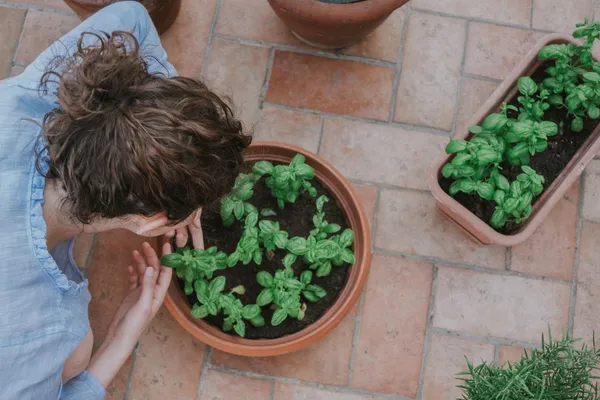
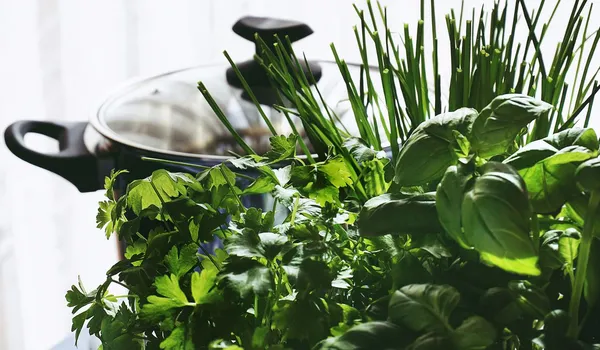
Herbs in pots: ideal for small gardens and balconies
For a small garden, terrace, patio, or balcony, pots are often the easiest way to start a little herb garden. You don't need a complicated design. Just a few nice pots grouped together can create a cozy herb corner.
The advantage of herbs in pots:
- You can easily move plants;
- You can take into account the different requirements of each herb;
- spices stay organized;
- It's easier to keep fast-growing varieties under control.
A few practical tips:
- It's better to choose several medium-sized pots rather than one large container with all kinds of herbs mixed together.
- Make sure there are holes in the bottom of the pot so excess water can drain out.
- Use good potting soil and add some fertilizer in the spring if necessary.
- Group herbs with similar needs together.
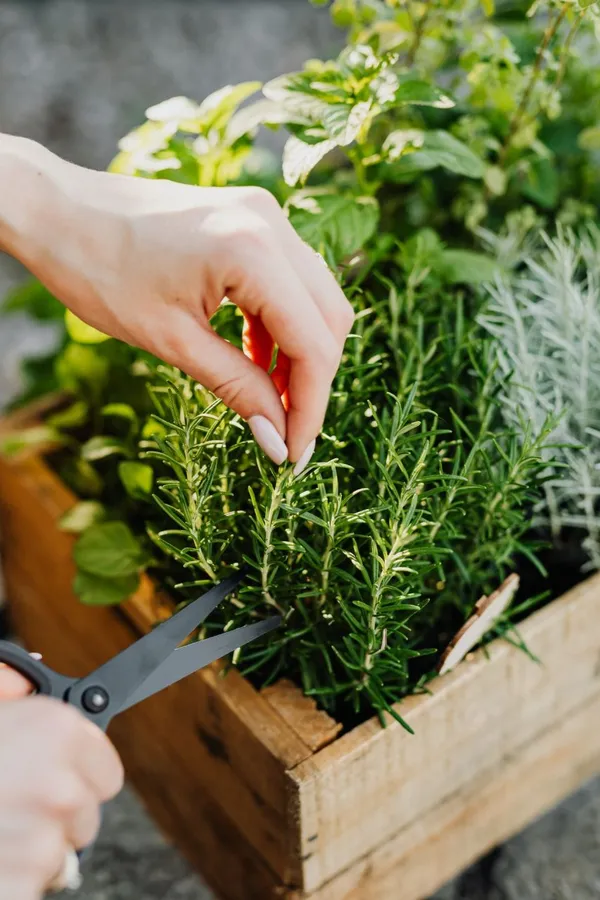
- Keep a pair of scissors nearby so that plucking remains easy.
Here's a little tip that makes a big difference: keep herbs where you use them. A pot of basil next to the kitchen door gets picked more often than one at the back of the garden.
A sunny spot: choose Mediterranean herbs
Many common kitchen herbs love the sun. A warm spot near a wall or the back door is therefore ideal. Mediterranean herbs in particular—such as thyme, rosemary, and oregano—thrive in a sunny spot. They’re accustomed to hot summers and prefer to grow in well-drained soil. They usually find overwatered roots more troublesome than a dry spell.
For example, when growing herbs in pots, use a well-aerated potting mix and make sure water can drain easily.
Thyme
One of the easiest herbs to start with. Thyme grows in a compact clump and requires little care. Its herbaceous, slightly earthy flavor pairs well with potatoes, casseroles, vegetables, and meat.
Tip: Let the soil dry out a little between waterings. Thyme doesn't like wet feet.
Rosemary
A hardy plant that looks great as a green accent by the back door. Rosemary has a strong, resinous flavor and is delicious with potatoes, grilled vegetables, and meat. It’s best to plant it in a sunny spot with good drainage.
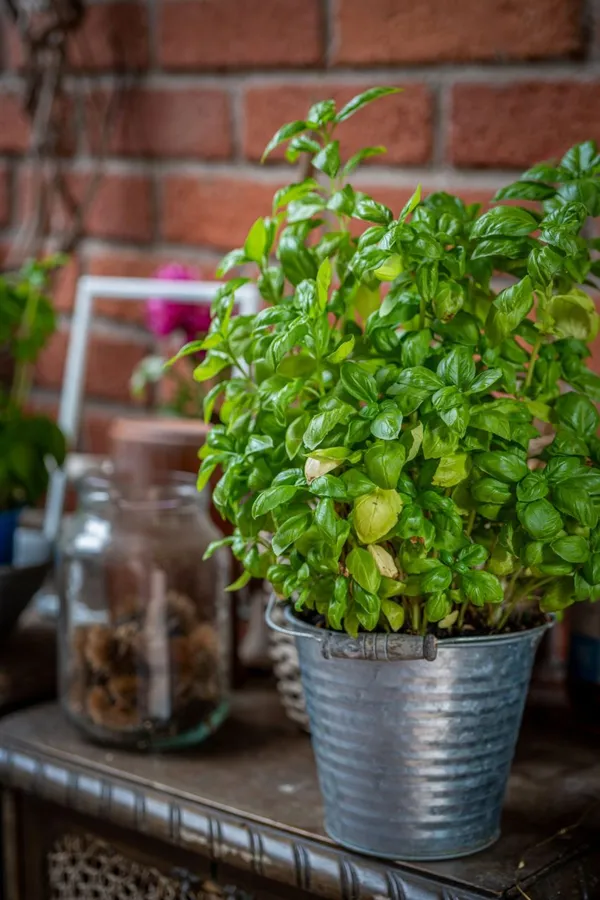
Basil
A true summer favorite for those who love using fresh herbs in the kitchen. A must-have for Italian dishes, salads, pesto, and on pizza or bruschetta.
Tip: Prune the tips regularly. This will keep the plant fuller and encourage it to grow new leaves.
Oregano
An easy-to-use herb for anyone who loves Mediterranean flavors. Adds extra flavor to pizzas, pasta, tomato sauce, and grilled vegetables.
Sage
A hardy plant with gray-green leaves that remains attractive even without much care. Its aromatic flavor pairs well with pasta, pumpkin, butter-based dishes, and poultry. Plant sage in a warm spot, in well-drained soil.
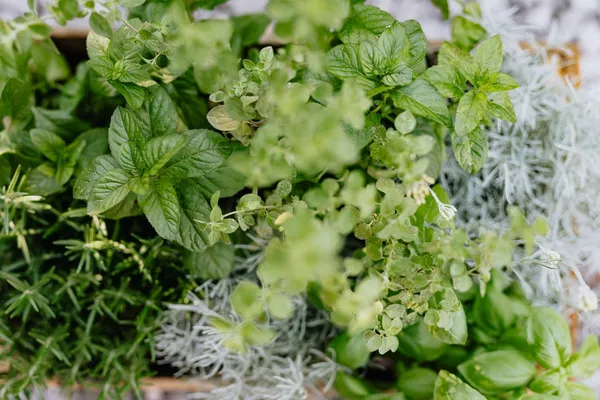
Not much sun? A surprising number of herbs will grow even in (partial) shade
Not every back door faces south. Fortunately, less sun doesn’t mean you can’t grow herbs. A lightly shaded spot or a spot with morning sun works just fine for many herbs. They also dry out less quickly there on hot summer days.
A completely shaded spot is less suitable for most herbs. However, there are a few varieties that can still grow reasonably well there, such as mint and chervil. Expect slower growth in such a spot than in a sunny one.
Coin
One of the easiest herbs to grow. There are so many different flavors. Perfect for tea, lemon water, cocktails, and refreshing desserts.
Tip: Always plant mint in its own pot. It grows vigorously and easily takes over the space in the ground.
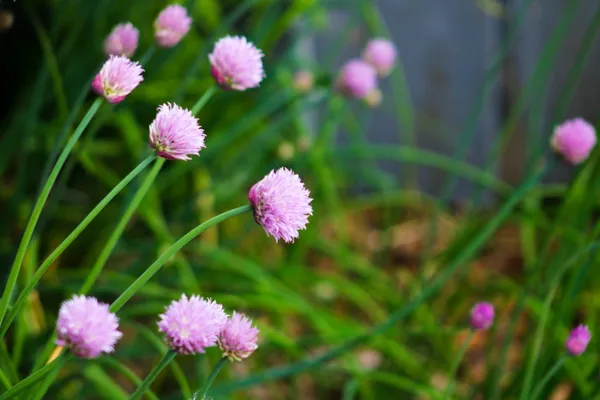
Chives
A simple herb that comes back every year and produces beautiful purple flowers in the spring. Its mild onion flavor is delicious in salads, soups, potato dishes, and eggs.
Tip: Leave the flowers where they are. They attract bees and other insects.
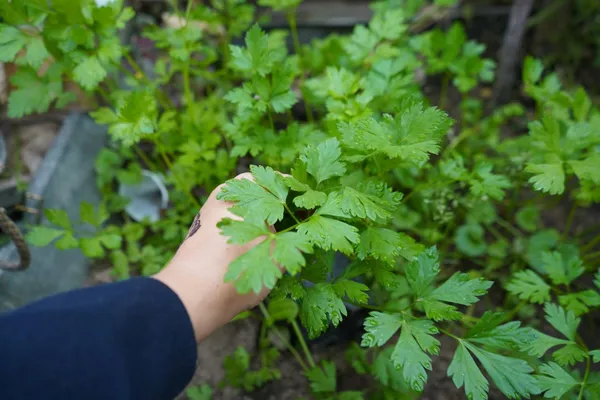
Parsley
A true culinary classic that grows well in many places. Goes well with almost everything: from soups and sauces to fish, potatoes, and salads. Prefers slightly moist soil.
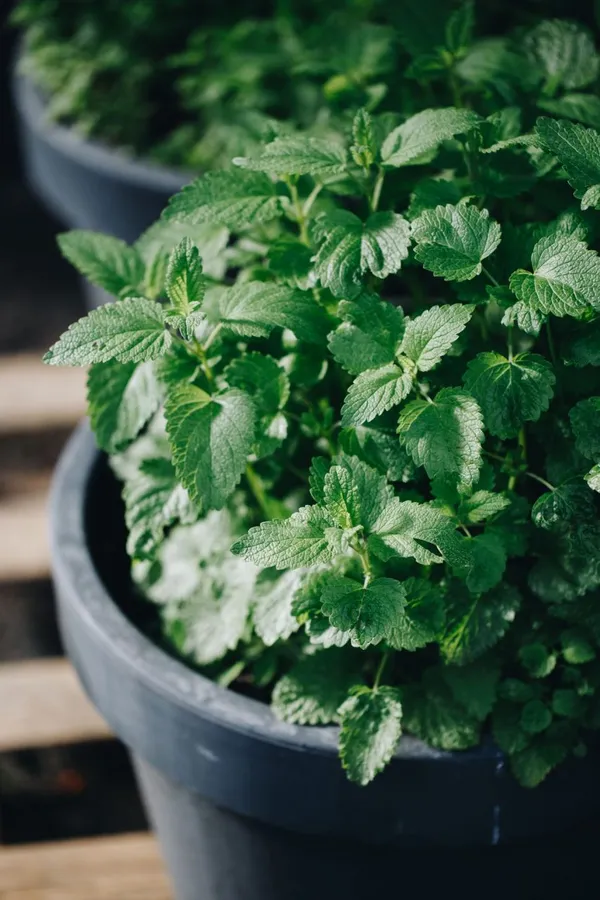
Lemon Balm
A fresh-smelling plant that smells wonderful when you walk by it. Its lemony flavor is delicious in tea, water, desserts, and fruit salads.
Tip: Feel free to trim it back if it gets too big. It'll grow back quickly.
Chervil
A lesser-known herb, but easy to grow. It has a mild, anise-like flavor and is delicious in soups, salads, and egg dishes. Chervil prefers slightly moist soil and can tolerate a bit less sun.
Lovage (Maggi plant)
A sturdy perennial with a robust flavor. Just a few leaves add a rich, savory flavor to soups, broths, and stews. Lovage does need a bit more space, as it can grow quite large.
Remove a tile: make room for a small herb corner
Do you have limited space for pots? If so, you can also replace a small section of paving with greenery. Removing just one tile can be enough to create a compact herb corner by the back door.
Be sure to choose a spot that you see and use often. A herb garden next to the kitchen will get much more attention than a forgotten corner at the back of the garden.
Herbs suitable for such a spot:
- thyme
- oregano
- chives
- sage
- parsley
- rosemary
Be careful with fast-growing plants. Mint, for example, is best kept in a pot so it doesn't gradually take over the entire area.
The best herbs are the ones you use yourself
A successful herb garden doesn't have to be big. The most important thing is to choose herbs that suit your taste and cooking style.
Do you enjoy cooking Italian food? Then basil, oregano, and thyme are obvious choices. Do you like to drink tea? Then mint and lemon balm are great herbs to have on hand. Do you often use fresh herbs in your daily meals? Then parsley and chives might just be the most useful ones to start with.
Start with a few herbs that you actually use. Chances are, you'll end up picking them more and more often.
Enjoying flavors, aromas, and greenery near the kitchen
A small herb garden by the back door doesn’t have to be a major gardening project. Just a few pots of herbs you like to use can make a big difference in a small outdoor space. Not only will you get fresh flavors for the kitchen, but you’ll also enjoy the scent as you walk by and the greenery that brings the space to life.
Herbs are perhaps one of the easiest ways to add a personal touch to a small garden, patio, or balcony. They take up little space and require relatively little maintenance, yet they reward you almost every day.
Start small, choose your favorite herbs, and plant them somewhere close to home.